


After-School Program Welcome Kits: Retention & Onboarding Guide
A practical operational playbook for program directors managing tight budgets, limited storage, and the critical first 30 days of parent trust.
10 min read
After-school programs use strategic welcome kits and communication tools from Myron to build immediate parent trust and student pride, turning trial enrollments into full-year commitments. Strong choices include personalized pencils, stick-Up & magnetic calendars, promotional magnets, and kids educational stickers. Order at least 6-8 weeks before the start of the fall school semester or mid-year winter enrollment push. Avoid cheap, fragile plastic toys that break instantly, and items with small parts that pose safety hazards for younger children.
The 5:00 PM Handoff: Building Trust When the Trial Period Begins
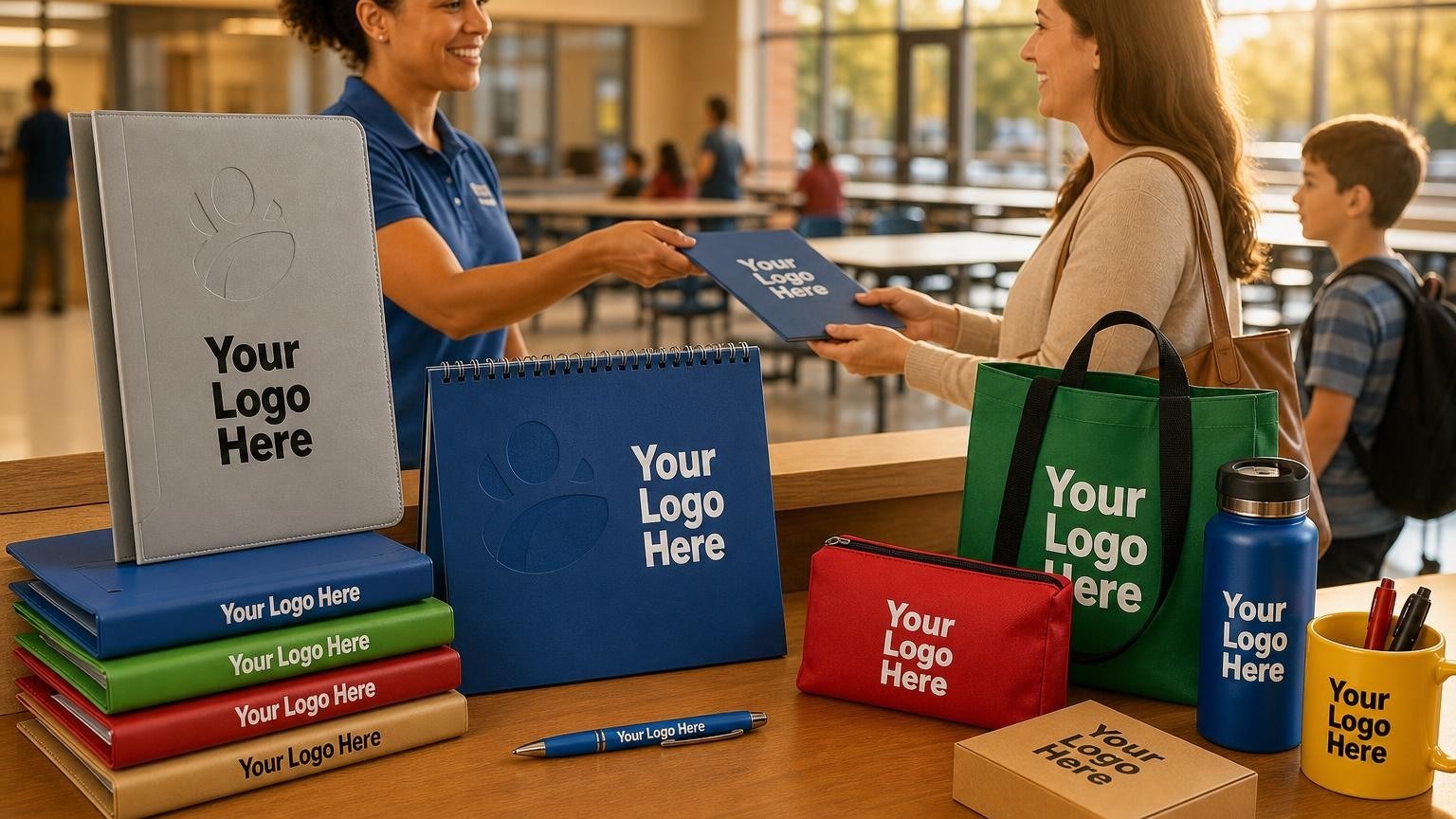
A busy parent walks through the double doors of a school cafeteria at 5:00 PM, bracing for the usual chaotic pickup scene. Instead of searching through a mountain of loose papers or finding a crumpled, unsigned permission slip at the bottom of a crowded backpack, they are met by a calm site coordinator. The coordinator smiles and hands over a structured communication packet. Inside, a durable magnetic calendar clearly lists all upcoming early-release days, while the student proudly shows off a colorful sticker celebrating their first completed afternoon homework challenge. This quiet moment of organization instantly reassures the parent that their child is in a safe, structured, and highly professional environment.
For after-school program directors, this initial transition is where long-term enrollment is secured or lost. The first month of a trial period is a critical window. Parents are actively evaluating whether your program offers genuine enrichment or is simply an expensive babysitting service. By replacing disorganized paper handouts with functional, professional tools, you establish immediate operational excellence and build the deep trust required to keep families enrolled all year long.
Quick Guide: How After-School Programs Use Welcome Kits to Secure Enrollment
Successful after-school programs rely on high-utility physical tools to bridge the gap between school and home. By providing families with structured onboarding materials, directors can simplify parent-staff communication and build student pride from day one. Rather than distributing cheap plastic novelties that are quickly discarded, top-performing programs use practical resources like personalized pencils, magnetic calendars, and educational stickers from Myron. These durable tools solve daily operational challenges, keep key contact details visible on the family refrigerator, and establish a reliable routine that turns trial memberships into full-year commitments.
- Personalized Pencils
- Stick-Up & Magnetic Calendars
- Promotional Magnets
- Kids Educational Stickers
Avoid: Cheap, fragile plastic toys that break instantly, and items with small parts that pose safety hazards for younger children.
The 30-Day Retention Window: Why First Impressions Dictate Full-Year Enrollment
The first 30 days of any after-school program represent a high-stakes trial. During this period, parents closely watch how smoothly your program operates. If pickup is chaotic or communication is sparse, they may withdraw their child before the trial ends. Physical touchpoints are the most direct way to show parents what happens during the hours they are away.
To make this transition successful, focus on professional organization. When a parent registers their child, hand them a structured welcome packet. Rather than loose sheets of paper that get lost, include a custom calendar that can be placed directly on the refrigerator. Using stick-up magnetic calendars ensures your program hours, emergency contacts, and closure dates remain visible in the home every single day. This simple addition reduces late pickups and keeps parents informed without requiring constant phone calls.
Additionally, aligning your onboarding materials with the school calendar shows that your program is an extension of the academic day. When parents see a structured approach, they feel confident that their tuition is supporting a professional operation. You can explore complete kits and seasonal supplies by browsing our back-to-school collection to find the right organizational tools for your launch.
The Anatomy of an Enrollment Kit: Practical Tools for Daily Student Routines
A successful student welcome kit must serve a dual purpose: it must help the student during their daily afternoon routine and keep the parent connected to the program. This strategy works across various program formats, including school-district-run programs, community-center-based programs, and private tutoring-focused academies.
During the afternoon homework hour, which typically begins around 3:30 PM, students often lose focus if they lack the proper supplies. Instead of wasting valuable staff time searching for spare writing utensils, provide each student with their own set of personalized pencils on day one. Having a dedicated pencil box with the student's name and your program's logo encourages ownership and keeps the study area quiet and productive.
To keep younger students excited about their progress, incorporate kids educational stickers into the daily routine. Staff can place these stickers on completed homework sheets or reading logs. When parents see these stickers at the end of the day, it creates an immediate moment of pride and positive reinforcement, showing them that their child is actively learning and achieving milestones.
The Day-One Homework Kit
Equip students with the essential tools they need for quiet study hour. This kit helps keep workspaces organized and ensures every child has reliable writing supplies.
Strategic Selection: Choosing High-Utility Items Over Cheap Novelties
When operating on a tight school board or non-profit budget, it is tempting to purchase the lowest-cost plastic toys to maximize quantity. However, cheap novelties break quickly and fail to project the professional image that parents expect. Investing in fewer, higher-quality items that serve a daily purpose is a much more effective use of resources.
Consider how parents interact with your program. They need quick access to your phone number and pickup policies. A durable magnet is a practical option here. By distributing custom promotional magnets featuring your direct office line, you ensure that parents can easily contact your staff during an emergency. This keeps your program top-of-mind in a helpful, non-intrusive way.
For daily academic tasks, keeping a steady supply of writing tools is essential. Stocking your check-in desk and student workspaces with reliable personalized pencils ensures that daily attendance signing and homework help run smoothly. These practical items demonstrate that your program priorities education and safety over temporary entertainment.
The Home-to-School Communication Pack
Keep parents informed and reduce late pickups with high-visibility tools designed for the family kitchen.
Comparing Welcome Kit Components by Program Objective
To help you select the most effective items for your specific operational goals, use the comparison table below to evaluate different custom tools:
| Program Objective | Recommended Custom Item | Operational Benefit | Best Distribution Moment |
|---|---|---|---|
| Daily Parent Communication | Stick-Up & Magnetic Calendars | Reduces missed pickup times and late fees | Day-one parent onboarding packet |
| Homework Completion | Personalized Pencils | Eliminates delays during quiet study hour | Included in student desk supply boxes |
| Student Motivation & Behavior | Kids Educational Stickers | Rewards positive character traits and kindness | Friday afternoon wrap-up assembly |
| Parent Information Access | Promotional Magnets | Keeps emergency contact numbers visible on the fridge | Initial registration confirmation mailer |
Budget-Conscious Planning: Welcome Kit Options for Every Program Scale
Managing a tight budget requires careful planning. You can build an effective welcome kit at any investment level by focusing on high-utility items that match your program's scale:
- Good (Entry-Level / High-Volume Programs): Focus on essential student supplies. A practical kit includes personalized pencils, colorful kids educational stickers for daily rewards, and a printed parent information sheet.
- Better (Mid-Range / Community-Based Programs): Add parent-facing communication tools. This tier includes custom promotional magnets for the refrigerator, a dedicated homework folder, and student writing supplies.
- Best (Premium / Enrichment Academies): Provide a complete organizational package. This top-tier kit features stick-up magnetic calendars for the home, a structured student academic planner, and branded supplies for the classroom.
Operational Wisdom: Direct Insights on After-School Program Ordering
Based on Myron's experience helping organizations plan custom event merchandiseBased on experience helping organizations plan custom event merchandise, Myron's team has gathered practical operational insights to help you avoid common distribution and storage bottlenecks:
- Flat, stackable items like magnetic calendars and flat-packed folders reduce storage stress in shared school closets where space is at a premium.
- Standardizing on a single pencil style prevents student arguments over who gets which color during quiet study hours.
- Avoid items with small, detachable parts to maintain strict safety compliance across all age groups, from kindergarten to middle school.
- Placing emergency contact numbers directly on custom fridge magnets reduces inbound administrative calls during peak pickup hours.
- Order your back-to-school supplies at least 6 to 8 weeks in advance to allow ample time for custom proof approval before the autumn rush.
The Director's Ordering Timeline: Preparing for the Enrollment Rush
To ensure your custom materials arrive before the first day of school, follow this structured planning timeline:
- 8 Weeks Before Launch: Assess your expected enrollment numbers and select your core welcome kit items, focusing on daily utility.
- 6 Weeks Before Launch: Finalize your program's logo artwork and place your custom orders to secure seasonal production slots.
- 4 Weeks Before Launch: Set up designated storage bins in your shared facility to keep incoming shipments organized and dust-free.
- 1 Week Before Launch: Assemble the welcome kits and train your staff on how to distribute them to parents during the first-day check-in window.
How to Choose the Right Item
- Daily Utility vs. NoveltyAsk yourself: Will the student or parent use this item at least three times a week? If not, replace it with a functional tool like a personalized pencil or magnetic calendar.
- Age Appropriateness & SafetyEnsure all welcome kit items are break-resistant, BPA-free, and comply with child safety standards, avoiding small parts for younger age groups.
- Storage FootprintChoose flat-packed, stackable, or highly compact items that can be easily stored in labeled plastic bins within shared school closets.
Common Mistakes to Avoid
- Prioritizing cheap novelty toys over functional daily tools.Cheap plastic toys break instantly, creating safety hazards and projecting a disorganized, low-quality image to parents.Better approach: Invest in fewer, higher-quality items like durable custom folders, planners, or personalized pencils that students use daily.
- Neglecting parent-facing communication tools in the welcome kit.Parents are the financial decision-makers; if they feel disconnected from the program's schedule, they are more likely to withdraw.Better approach: Include high-visibility resources like stick-up magnetic calendars or custom fridge magnets with emergency contact numbers.
- Ordering bulk items without considering facility storage limitations.Many programs operate in shared school spaces like cafeterias or gyms, leaving no room for bulky boxes of plastic sports gear.Better approach: Select flat-packed or highly stackable items like custom folders, calendars, and pencils that fit easily into shared closets.
Frequently Asked Questions About After-School Program Welcome Kits
What should be included in a standard after-school program welcome kit?
A standard kit should include a durable drawstring bag, a parent communication folder, a homework planner, a child-safe water bottle, and basic writing supplies.
How do we choose promotional items that are safe and compliant for children?
Focus on BPA-free drinkware, break-resistant materials, and items that comply with child safety standards, avoiding small parts or sharp edges.
How can we use branded items to improve daily parent-staff communication?
Utilize dedicated, brightly colored custom folders for daily progress reports and homework sign-offs so parents can easily spot them in backpacks.
What is the best way to store and distribute promotional items with limited facility space?
Choose flat-packed items like folders and planners, store them in labeled plastic bins, and distribute them on a strict, standardized schedule.
Building a Foundation for Year-Round Success
Establishing a professional, organized environment from day one is the most effective way to turn trial families into long-term advocates. By investing in durable, high-utility tools that simplify parent-staff communication and support daily student routines, you show parents that their children are in capable hands. As you prepare for the upcoming enrollment season, taking the time to organize your physical touchpoints will build lasting trust and community loyalty.
To find durable, child-safe options for your welcome kits, browse our collection of back-to-school supplies and start planning your program's perfect launch.