


Arts Nonprofit Branding: Donor Gifts & Sponsor Appreciation Guide
A strategic guide for arts administrators on balancing high aesthetic standards with strict nonprofit budgets to build long-term donor stewardship and community identity.
11 min read
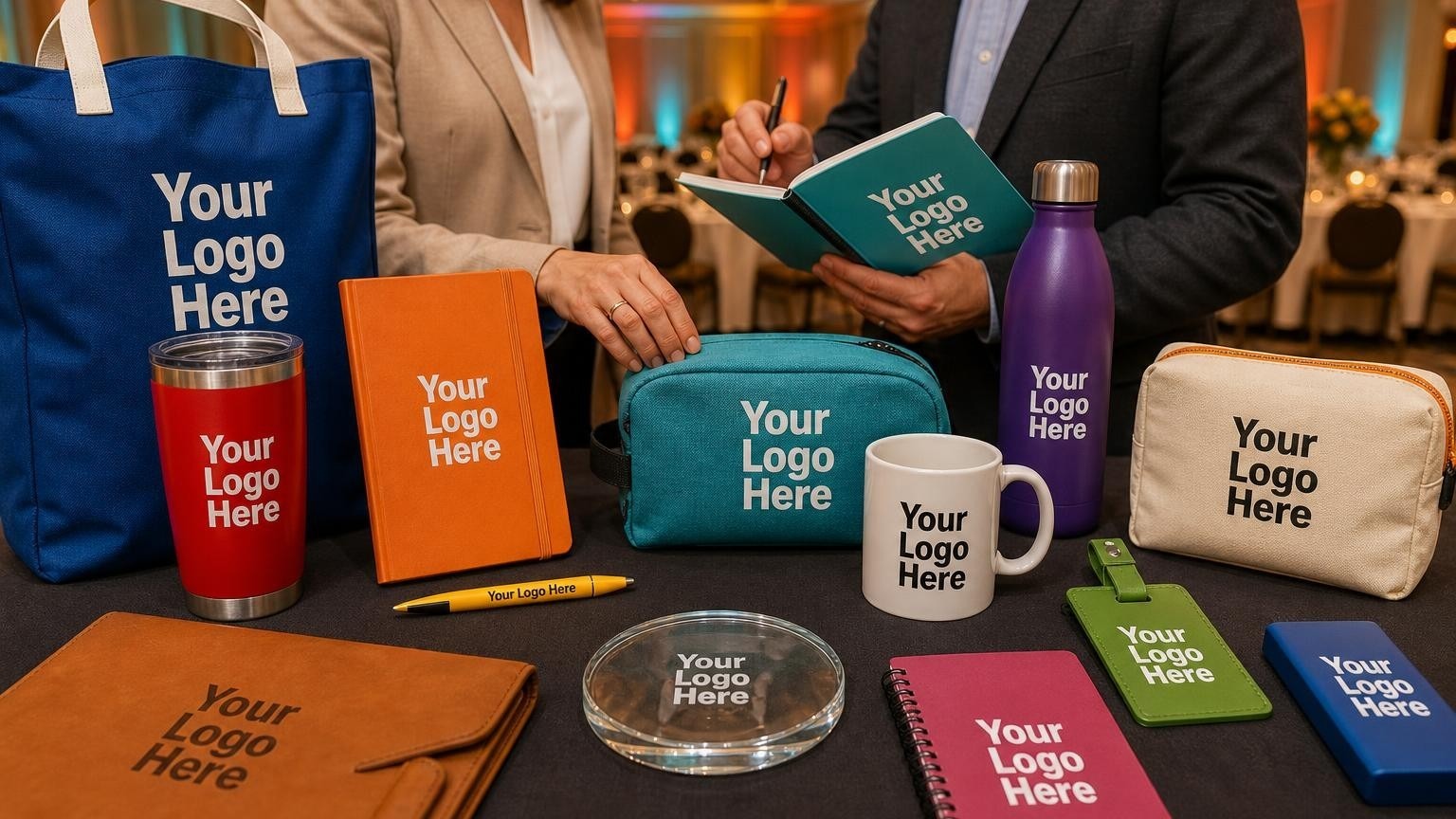
Arts nonprofits can build lasting donor and community relationships by choosing high-quality, design-conscious promotional items from Myron that serve as tangible representations of their creative mission. Strong choices include laser-engraved metal writing instruments, double-wall insulated glassware and tumblers, and heavyweight natural canvas tote bags. Typically ordered 2-3 months prior to the launch of the performance season, major exhibition, or annual gala. Avoid cheap, disposable plastic novelties that clash with an artistic mission and suggest a poor use of donor funds.
The Quiet Preparation Before the Gallery Doors Open
The scent of fresh latex paint and floor wax still hangs in the newly prepped gallery space as the afternoon light begins to fade. In less than three hours, the double doors will open for the annual benefit gala, welcoming the city's most prominent civic supporters, foundation representatives, and corporate sponsors. The executive director stands beside a long banquet table, carefully checking the contents of twenty-five dark paper gift bags arranged in a neat row. Each bag represents a critical relationship—a multi-year pledge, a corporate title sponsorship, or a major individual contribution that keeps the youth theater program and the gallery exhibitions funded for the upcoming season. The tension is quiet but persistent. Every item placed inside these bags must convey deep gratitude and artistic polish, yet it must never look like a misuse of donor contributions. If the gifts look too extravagant, a board member might worry about fiscal responsibility; if they look too cheap, a corporate sponsor might feel undervalued. The goal is to find high-quality, thoughtful items that feel like a natural extension of the organization's creative mission, acting as quiet ambassadors for the arts long after the gallery lights are turned off.
A Strategic Approach to Arts Branding
Arts nonprofits can build lasting donor and community relationships by choosing high-quality, design-conscious promotional items from Myron that serve as tangible representations of their creative mission. Rather than distributing low-quality plastic novelties that conflict with an artistic brand, organizations should focus on polished, functional items like custom plaques, magnetic calendars, and thoughtful thank you gifts. These items find a natural place in a supporter's daily life, serving as ongoing reminders of their contribution to the community's cultural equity. By focusing on clean, minimalist branding and durable materials, arts administrators can balance strict budget constraints with the high aesthetic standards expected by major donors, visiting artists, and corporate sponsors.
- Laser-engraved metal writing instruments
- Double-wall insulated glassware and tumblers
- Heavyweight natural canvas tote bags
Avoid: Avoid cheap, disposable plastic novelties that clash with an artistic mission and suggest a poor use of donor funds.
The High-Stakes Gala: Curating VIP Sponsor & Major Donor Appreciation Kits
During high-stakes fundraising events—such as a community youth theater's opening night, a contemporary art gallery's capital campaign launch, a regional symphony's outdoor summer concert series, or a historic museum's annual preservation banquet—the development team must carefully manage how major contributors are recognized. When a corporate sponsor commits to a top-tier table package, their representative should arrive to find a physical token of appreciation waiting at their seat. This is the recipient moment: a local business owner sits down, adjusts their program, and picks up a heavy, beautifully engraved glass coaster or a polished desk accessory. The weight of the item in their hand immediately communicates quality.
To achieve this without raising concerns about budget allocation, development directors can use thoughtful thank you gifts that emphasize clean design over flashy materials. For instance, placing custom plaques and paperweights featuring the season's signature artwork on VIP tables provides sponsors with a permanent, professional keepsake they will proudly display on their office desks. This acts as a continuous stewardship tool, prompting conversations with their own clients about their support for local cultural programs. By choosing classic materials like glass and metal, and opting for subtle laser engraving instead of loud, colorful logos, the nonprofit respects the design sensibilities of its audience while keeping the focus squarely on the shared cultural mission.
The Gala VIP Appreciation Kit
Thank major individual donors and corporate sponsors at high-end fundraising events with polished, permanent keepsakes.
Selecting the Right Medium: From Desk Keepsakes to Practical Mailers
Selecting the right promotional medium requires matching the item to the specific operational workflow of your administrative team. Because arts nonprofits often operate out of historic theaters, community centers, or small gallery offices with very limited storage space, ordering bulky, fragile items can create immediate logistical headaches. Instead, focus on flat, stackable, or highly durable items that are easy to store in a small closet and transport in a personal vehicle.
For year-round donor communication, flat mailers are an exceptionally efficient choice. When mailing out annual impact reports or tax receipts, including a small, flat token of appreciation can significantly improve donor retention without increasing postage costs. Items like custom promotional magnets fit easily into standard envelopes. In the gallery or theater lobby, practical utility items like natural canvas totes or sleek writing instruments work well because they are used daily by patrons, extending the organization's reach into local coffee shops, libraries, and offices. By prioritizing items that offer daily utility and easy storage, you ensure your promotional budget is spent on pieces that remain active in the community.
Welcoming the Creators: Artist and Participant Welcome Packs
Welcoming visiting directors, guest musicians, choreographers, and residency artists is a critical operational workflow for any performing or visual arts organization. These creative professionals often arrive in a new city with tight schedules and heavy rehearsal demands. Providing them with a functional welcome pack upon arrival at their lodging or during the first company read-through is a simple way to establish a warm, professional relationship.
The operational reality of a visiting artist's day involves carrying scripts, sheet music, rehearsal shoes, and personal items between the housing quarters, the rehearsal hall, and the main stage. A heavy-duty, natural canvas tote bag is an excellent practical tool for this routine. Inside the tote, organizers can place items that support the artist's daily work, such as a matte-finish water bottle to keep performers hydrated during long dress rehearsals, and a pocket-sized notebook for jotting down blocking notes or creative ideas. When these artists return to their home cities at the end of the production, these durable items travel with them, carrying your organization's brand into new creative communities. This approach turns a simple welcome gesture into a long-term branding asset that respects the practical needs of working artists.
The Artist & Performer Welcome Pack
Equip visiting directors, actors, musicians, and residency artists with functional tools for their daily rehearsal schedule.
Comparing Appreciation Formats by Recipient and Operational Context
To help development directors and event coordinators select the most appropriate items for different operational needs, the following table compares common appreciation formats based on recipient groups, typical distribution workflows, and design priorities.
| Recipient Group | Operational Workflow | Recommended Product Type | Design & Branding Focus |
|---|---|---|---|
| Gala VIP Sponsors | Placed at reserved table settings prior to guest arrival | Engraved glass coasters or desk paperweights | Minimalist laser engraving, high-weight materials |
| Visiting Artists & Cast | Distributed at the first rehearsal or check-in desk | Heavyweight canvas totes and pocket notebooks | Tonal printing, functional utility, durable construction |
| Festival Volunteers | Handed out during morning briefing in the staff tent | Comfortable cotton t-shirts and retractable pens | High-visibility colors, clear role identification |
| Annual Subscribers | Included in the season ticket mailing package | Custom flat magnets or magnetic calendars | Full-color season artwork, compact and lightweight |
Field Notes: Operational Wisdom for Arts Administrators
Based on Myron's experience helping organizations plan custom event merchandiseBased on experience helping organizations plan custom event merchandise, Myron's team has gathered practical operational insights to help arts administrators maximize their promotional investments:
- Subtle branding increases daily use: Major donors and corporate sponsors are far more likely to display a desk accessory or carry a tote bag if the branding is subtle. Opt for small, blind-debossed emblems or laser-engraved marks rather than large, high-contrast logos.
- Flat, stackable items simplify event logistics: When coordinating public festivals or gallery openings, volunteer teams are often rushed. Selecting flat items like custom magnets or notebooks allows for easy packing, transport, and quick distribution at busy registration tables.
- Prioritize weight and tactile feel: For donor appreciation, the sensory experience of the gift matters. A heavy metal pen or a thick glass coaster carries a much higher perceived value than a lightweight plastic equivalent, even if the cost difference is minimal.
- Align product colors with your seasonal palette: Instead of always using your standard organization logo colors, consider matching the product colors to the specific palette of the featured exhibition or performance season to make the items feel like limited-edition collectibles.
- Plan for travel-friendly sizes: Visiting artists and out-of-town gala guests have limited luggage space. Avoid oversized or highly fragile items that are difficult to pack for a flight, opting instead for compact notebooks, flat-packed items, or durable drinkware.
Budget-Conscious Curation: Good, Better, and Best Tiers
Managing a nonprofit budget requires careful allocation of funds across different event scales and donor tiers. Here is how to structure your promotional product selection to maximize impact at every investment level:
- Good (Community Outreach & General Admission): Best suited for large-scale public events, street festivals, and general audience engagement. Focus on high-volume, functional items that build local visibility.
Recommended items:* Custom flat magnets, lightweight cotton tote bags, and retractable plastic pens with comfortable grips.
- Better (Subscribers, Volunteers, & Cast Members): Ideal for mid-tier supporters, season ticket holders, dedicated volunteer crews, and production participants. These items emphasize utility and shared identity.
Recommended items:* Matte-finish aluminum water bottles, soft-touch pocket journals, and volunteer appreciation gifts.
- Best (Major Donors, Board Members, & Corporate Sponsors): Reserved for high-value contributors, VIP gala tables, and capital campaign milestones. Focus on premium materials and elegant, permanent branding.
Recommended items:* Engraved glass coasters, heavy metal stylus pens, and polished desk paperweights.
The Arts Production Calendar: When to Plan and Order
Because arts organizations operate on strict seasonal calendars—often launching major campaigns in the fall or spring—timing your promotional orders is critical to ensuring a smooth production cycle. Use this timeline to plan your next campaign:
- 12 Weeks Before Opening Night: Define your target recipient groups (e.g., VIP gala guests, festival volunteers) and establish your total budget allocation for the event.
- 10 Weeks Before Opening Night: Select your product categories and request physical samples to verify the weight, texture, and color alignment with your organization's brand standards.
- 8 Weeks Before Opening Night: Finalize your custom artwork. For arts organizations, this often involves coordinating with a graphic designer to adapt season key art for laser engraving or tonal printing.
- 6 Weeks Before Opening Night: Place your order with Myron, ensuring ample time for custom proofing, production, and shipping.
- 2 Weeks Before Opening Night: Receive and inspect your shipment. Organize items in your administrative storage area, pre-sorting them into volunteer kits, artist welcome bags, or VIP table boxes to simplify event-day setup.
The Year-Round Stewardship Mailer
Keep your arts organization top-of-mind for donors outside of event season with lightweight, mailer-friendly tokens.
Common Mistakes to Avoid
- Prioritizing low cost over design quality and material feel.Tight nonprofit budgets often drive buyers to choose the cheapest available items, but flimsy plastic items clash with an artistic mission and suggest a poor use of donor funds.Better approach: Order a smaller quantity of premium, high-perceived-value items from Myron that donors will actually keep and use, such as heavy glass coasters or metal pens.
- Over-branding items with massive, gaudy logos.Organizations want to maximize logo visibility, but oversized branding makes a donor gift feel like commercial advertising, making recipients unlikely to use it in public.Better approach: Use subtle, minimalist branding—such as laser engraving or tone-on-tone printing—that respects the aesthetic tastes of your audience.
- Failing to plan for storage and transport logistics.Nonprofits often operate out of small offices or historic venues with very limited storage space. Bulky, fragile items create immediate logistical headaches for volunteer teams.Better approach: Choose flat, stackable, or easily transportable items like custom magnets, notebooks, or foldable canvas totes, and coordinate delivery close to the event date.
Frequently Asked Questions
How do we choose promotional items that reflect our artistic standards without overspending?
Focus on classic materials like metal, glass, and canvas, and use clean, minimalist branding that highlights your organization's creative aesthetic. Selecting high-quality, budget-conscious items from Myron allows you to maintain a professional appearance while respecting your donor-funded budget.
What are the best eco-friendly branded items for community-focused arts events?
Reusable canvas tote bags, recycled paper journals, and durable aluminum water bottles are excellent choices that align with environmental values. These practical items encourage long-term reuse, reducing waste while keeping your organization's brand active in the community.
How can we use branded merchandise to recognize corporate sponsors at our annual gala?
Include high-end, co-branded items like executive pens or elegant glassware in their VIP table packages, ensuring their logo is displayed alongside yours. This provides sponsors with a polished keepsake they can display in their corporate offices, validating their support and encouraging future sponsorships.
The Long-Term Return on Cultural Equity
As you prepare for the upcoming performance season or finalize the seating chart for your annual fundraising gala, remember that every physical item you distribute is an investment in your organization's cultural equity. A beautifully crafted keepsake does not just say thank you; it serves as a permanent, tangible reminder of the creative enrichment your nonprofit brings to the community. By choosing polished, functional items that align with your artistic standards, you build deeper connections with the donors, artists, and volunteers who make your mission possible. To find the perfect match for your organization's aesthetic and prepare for your next major event, explore Myron's selection of thoughtful thank you gifts and discover how simple, elegant design can strengthen your community relationships.