


Sensory-Friendly Promotional Items for Autism Support Organizations
A practical guide for autism support directors on selecting soft-touch, quiet-operating materials that ease family anxiety, protect staff comfort, and build donor trust.
10 min read
Autism support organizations build trust and secure vital funding by using sensory-friendly welcome kits and high-quality donor gifts sourced from Myron. Strong choices include soft-touch matte journals, silent-plunger writing tools, and tagless cotton apparel. Prior to the fall intake cycle, annual fundraising galas, or spring awareness campaigns. Avoid cheap plastic click-pens, scratchy synthetic fabrics, strong chemical odors, and sharp-edged items.
A Quiet Welcome in a Moment of Transition
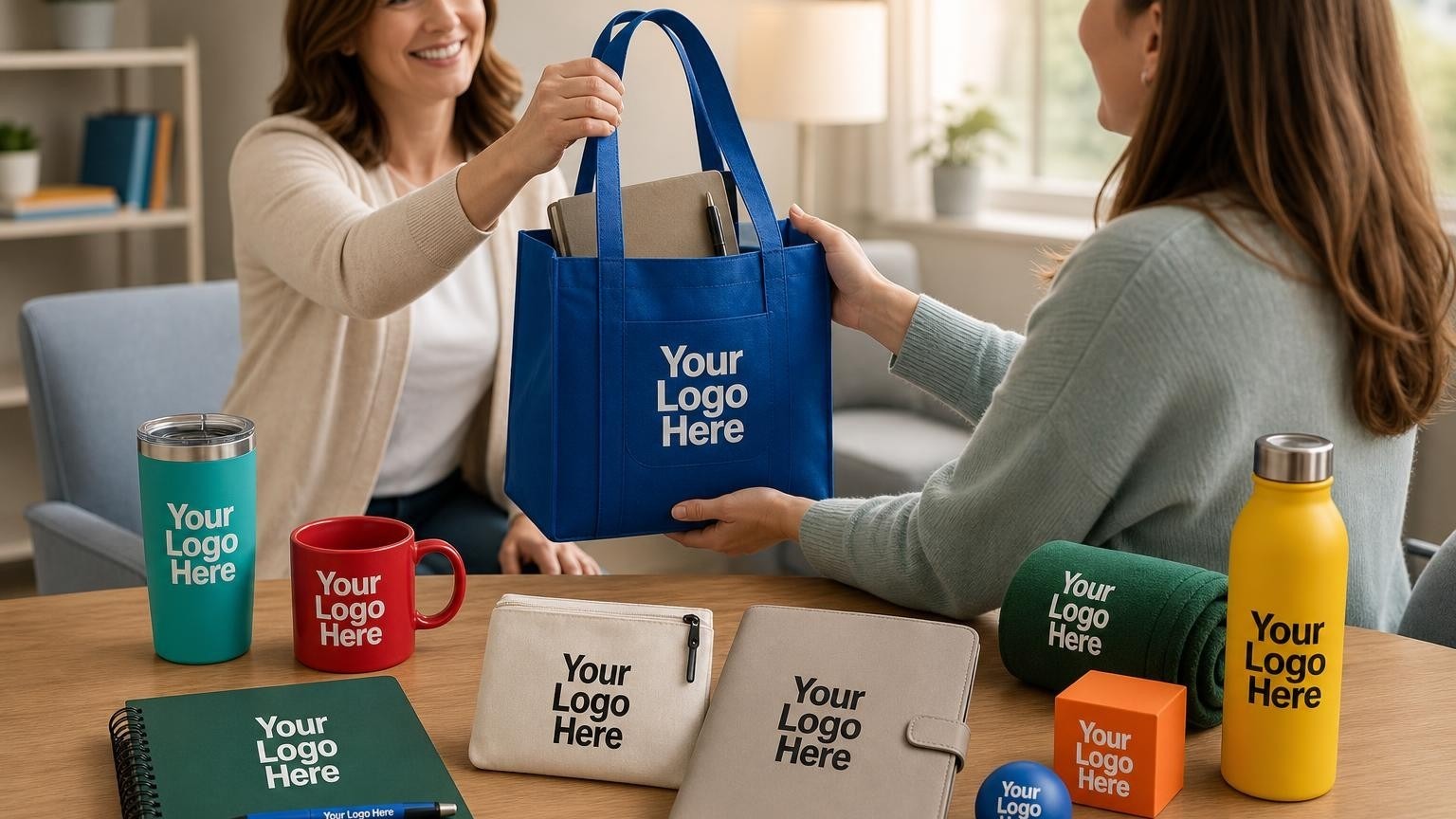
A parent sits in a quiet intake room, overwhelmed by clinical diagnoses and paperwork, when the coordinator slides over a soft-touch tote filled with calming, tactile resources. The room is intentionally quiet, free from the harsh hum of fluorescent lights and the sharp clicking of standard office pens. The parent's hands, tense from hours of stressful discussions, relax slightly upon touching the matte, velvet-like finish of a notebook. Inside the bag, there are no loud plastic toys or scratchy synthetic fabrics—only soft, quiet, and comforting items designed to ease this intense transition. This quiet handoff is not a marketing gesture; it is the very beginning of a therapeutic relationship. For families entering the unfamiliar world of developmental support, these physical items signal that their child's sensory needs are understood before a single therapy session even begins. By focusing on tactile comfort and auditory softness, organizations can turn a standard administrative intake process into a reassuring, supportive experience that establishes long-term community trust.
Sourcing Sensory-Safe Materials for Autism Support
Autism support organizations build trust and secure vital funding by using sensory-friendly welcome kits and high-quality donor gifts sourced from Myron. To protect participants from sensory overload, select items with soft-touch matte finishes, silent-plunger writing tools, and tagless cotton apparel. Avoid loud clicking mechanisms, scratchy synthetic polyesters, and strong chemical odors. For corporate sponsors, choose clean, dual-logo placements that keep your organization's mission at the visual forefront. Sourcing these specialized materials ensures your physical items respect the sensory realities of the families you serve while maintaining the professional standards required by donors.
- Soft-touch matte journals
- Silent-plunger writing tools
- Tagless cotton apparel
Avoid: Avoid cheap plastic click-pens, scratchy synthetic fabrics, strong chemical odors, and sharp-edged items.
Designing Sensory-Friendly Family Welcome Kits for Intake
The intake process is a highly emotional milestone for families registering for services. Whether an organization operates as a pediatric occupational therapy clinic, a special education advocacy group, a community recreation program, a home-visit therapy provider, or an organizer of autism-friendly museum events, the initial welcome kit sets the tone for the entire relationship. When a family receives a kit, every item must be selected with extreme sensory awareness. Standard promotional items often feature loud, metallic clanging or sharp plastic edges that can trigger immediate sensory distress. Instead, welcome kits should focus on soft-touch, non-woven, or natural cotton canvas bags that avoid the harsh chemical smells common in cheap synthetic materials. Inside the bag, include quiet, tactile sensory tools rather than loud, clicking plastic fidgets that can cause auditory distress. A soft-touch journal paired with a silent-plunger pen allows parents to track milestones and therapy schedules during quiet consultations without creating distracting noise. To support these early connections, organizations can include specialized Autism Awareness items that offer comfort and practical utility. By prioritizing these specific tactile and auditory details, you demonstrate a deep, operational understanding of sensory sensitivities from day one.
Sensory-Safe Family Intake Welcome Kits
Assemble calming welcome packages for newly registered families using soft-touch matte journals and silent-plunger pens that prevent auditory overload during sensitive consultation sessions.
Equipping Staff and Volunteers for Daily Operational Success
Therapists, educators, and event volunteers require gear that is both highly functional and safe for close-contact interactions. During active therapy sessions or large community awareness events, staff are constantly moving, bending, and guiding participants who may be highly sensitive to textures and sounds. Outfitting your team in stiff, heavy polyester fabrics or using metal clip lanyards can lead to accidental scratching or sensory irritation during close physical contact. Instead, choose tagless, ultra-soft ring-spun cotton apparel that remains comfortable for both the wearer and the sensitive participants they guide. For large-scale public events, providing volunteers with soft, quiet items helps maintain a calm environment. Using Volunteer Appreciation Gifts like soft-sided cooler bags allows mobile therapists to carry visual schedules and sensory tools to home-visit appointments without the loud clattering of hard plastic boxes. Additionally, distributing flexible Silicone Bracelets & Bands provides a quiet, wearable identifier for participants and staff alike, replacing loud, pin-back metal buttons that pose a scratching hazard. These small, thoughtful adjustments protect staff comfort and ensure that physical interactions remain safe, quiet, and supportive.
Active Staff & Volunteer Outfitting
Equip your therapists and event volunteers with tagless, ultra-soft ring-spun cotton apparel and quiet, flexible wristbands that identify your team without causing sensory irritation.
Selecting the Right Materials for Sensory-Safe Workflows
Transitioning from generic promotional items to sensory-safe alternatives requires looking closely at product specifications. The primary goal is to eliminate common sensory triggers—such as high-pitched clicking, rough textures, and reflective glare—and replace them with soothing alternatives.
- Writing Tools: Replace standard plastic click-pens with silent-plunger pens featuring a rubberized, soft-touch barrel. This provides a comfortable grip for parents filling out intake forms while eliminating distracting clicking sounds in quiet therapy rooms.
- Drinkware: Avoid single-wall plastic sports bottles that make loud crinkling noises when squeezed. Instead, select double-wall insulated stainless steel tumblers with a matte exterior finish. These do not sweat or make loud metallic clanging noises when set down on hard tables.
- Apparel: Choose tagless, ring-spun cotton shirts for staff and volunteers. This prevents neck irritation and ensures a soft surface when comforting a child during a sensory meltdown.
- Identifiers: Use soft-webbing breakaway lanyards rather than stiff nylon cords with heavy metal attachments, ensuring safety during active play sessions.
Material Selection Matrix for Autism Support Workflows
Use this matrix to compare material choices across different organizational settings and recipient groups.
| Workflow Scenario | Avoid This Material | Recommended Alternative | Primary Operational Benefit |
|---|---|---|---|
| Family Intake & Registration | Loud plastic click-pens and scratchy synthetic folders | Silent-plunger soft-touch pens and matte-finish journals | Reduces auditory distractions and provides tactile comfort during stressful consultations |
| Home-Visit Therapy Sessions | Hard plastic toolboxes and loud metal-zippered bags | Soft-sided insulated coolers and canvas totes | Allows quiet transport of sensory tools and visual schedules into family homes |
| Volunteer-Led Community Events | Stiff polyester t-shirts and sharp pin-back metal buttons | Tagless ring-spun cotton shirts and soft silicone bands | Prevents skin irritation during close-contact guidance and active play |
| Corporate Donor Appreciation | Low-end disposable plastic drinkware and cheap keychains | Laser-engraved matte stainless steel tumblers in gift boxes | Reflects professional standards and builds long-term donor trust |
Resource Allocation Tiers for Autism Support Organizations
Balancing tight nonprofit budgets with the need for high-quality, sensory-safe materials requires a tiered approach to purchasing.
- Good (Entry-Level Operational Giveaways): Focus on high-volume, cost-effective items that still respect sensory needs. Excellent options include soft silicone wristbands, matte-finish flat magnets for refrigerator schedules, and basic soft-touch plastic pens with silent plungers. These work well for large-scale community awareness walks or volunteer training sessions.
- Better (Mid-Range Participant & Staff Gear): Invest in durable, daily-use items that support ongoing programs. This tier includes tagless ring-spun cotton t-shirts for therapists, soft-touch non-woven tote bags for distributing family welcome packages, and matte-finish double-wall insulated water bottles. These items withstand the wear-and-tear of daily therapy sessions and home visits.
- Best (Premium Donor & Sponsor Keepsakes): Reserve these high-quality items for corporate sponsors, board members, and major donors. Focus on laser-engraved stainless steel tumblers, executive-grade metal pen sets, and structured canvas weekend duffel bags presented in clean gift boxes. These items communicate organizational trust and professional gratitude without looking like cheap advertisements.
Direct Operational Lessons from Myron's Supply Team
Based on Myron's experience helping organizations plan custom event merchandiseBased on experience helping organizations plan custom event merchandise, Myron's team has gathered practical operational insights to help autism support directors make informed purchasing decisions:
- Flat, stackable items like flat-bottomed canvas totes and soft-touch journals reduce volunteer setup stress at registration tables and fit easily into tight administrative storage closets.
- Sponsor logos should be subtle; oversized branding on a donor gift makes it feel like a commercial advertisement, whereas a clean, laser-engraved dual-logo design maintains high trust.
- Always request material samples before placing bulk orders to physically test the tactile feel and ensure there are no strong chemical odors that could trigger sensitive participants.
- Breakaway lanyards with soft webbing are an absolute safety necessity for therapists and volunteers working in active play environments or physical intervention scenarios.
- Choosing matte or rubberized finishes on drinkware and writing tools not only improves grip for individuals with motor-skill challenges but also eliminates reflective glare in brightly lit therapy rooms.
Planning and Ordering Timeline for Seasonal Campaigns
Sourcing custom materials requires careful planning to allow for sample reviews and sensory testing. Follow this timeline to prepare for major organizational milestones:
- 12 Weeks Before Event: Identify upcoming milestones, such as the fall intake cycle, spring awareness campaigns, or the annual fundraising gala. Define the sensory requirements for each recipient group.
- 10 Weeks Before Event: Request physical product samples from Myron to personally evaluate the tactile feel, weight, and check for any strong chemical odors.
- 8 Weeks Before Event: Finalize artwork and logo placement. Ensure co-branded items for corporate sponsors feature clean, dual-logo designs that keep your mission prominent.
- 6 Weeks Before Event: Place the bulk order to allow ample time for custom production, quality checks, and shipping.
- 2 Weeks Before Event: Receive and inspect the shipment. Assemble the family welcome kits or organize volunteer gear in your administrative storage space so everything is ready for distribution.
Common Mistakes to Avoid
- Ordering cheap, loud plastic click-pens for intake desks.Clicking noises can cause auditory distress for sensory-sensitive individuals in quiet rooms.Better approach: Select soft-touch, silent-plunger pens that offer a quiet, calming writing experience.
- Choosing stiff, scratchy synthetic t-shirts for volunteers.Stiff fabrics cause physical discomfort and sensory irritation during close-contact therapy sessions.Better approach: Invest in tagless, ring-spun cotton blends that are soft to the touch for both volunteers and participants.
- Distributing low-end, disposable plastic water bottles to donors.Cheap plastic items are quickly discarded, failing to reflect the professional standards of the organization.Better approach: Provide high-quality, double-wall insulated stainless steel tumblers with clean, understated laser engraving.
Frequently Asked Questions
What materials should we avoid when ordering promotional items for individuals with sensory sensitivities?
Avoid scratchy synthetic fabrics, loud metallic or clicking mechanisms, strong chemical odors, and sharp plastic edges. Instead, prioritize soft-touch matte finishes, silent-plunger writing tools, and tagless cotton apparel to prevent sensory overload.
How can we co-brand items with corporate sponsors without overshadowing our organization's mission?
Use clean, dual-logo placement with your organization's logo on the primary face and the sponsor's logo subtly placed on the reverse or sleeve. This maintains your brand's integrity while satisfying corporate sponsor visibility requirements.
What are the best distribution methods for welcome kits given to families during home visits?
Pack items in flat-bottomed, structured canvas totes that can be easily transported by therapists and sit upright on a family's table. This ensures the materials remain organized and accessible during active home-visit consultations.
Building Trust Through Every Physical Interaction
Every physical item distributed by an autism support organization is an opportunity to demonstrate empathy, professionalism, and deep respect for the community's unique needs. From the soft cotton shirt worn by a therapist to the silent-plunger pen handed to a parent during intake, these thoughtful details build the deep trust required to sustain and fund life-changing programs. As you prepare for your next major milestone—whether it is the upcoming fall intake cycle, spring awareness campaigns, or your annual donor gala—focus on choosing materials that reflect your high standards of care. Explore Myron's selected, high-quality collections to build your sensory-friendly welcome kits and donor gifts, ensuring every participant and sponsor feels truly understood.