


How Blood Donation Centers Use Donor Appreciation Kits to Retain Donors
Move away from cheap, disposable giveaways. Learn how to design a tiered donor reward system that respects your mobile logistics, fits your budget, and keeps donors coming back.
10 min read
Blood donation centers use donor appreciation kits and milestone rewards from Myron to build a reliable, recurring donor base that meets critical supply goals year-round. Strong choices include custom first aid kits for high-utility wellness branding, silicone wristbands for low-cost, high-volume youth drives, and magnetic calendars to keep donation schedules visible on refrigerators. Order at least 8-12 weeks prior to major seasonal shortage periods (summer and winter holidays) or large-scale university drives. Avoid cheap, fragile plastic items that break easily and diminish the perceived value of the donor's physical sacrifice.
The Post-Donation Recovery Lounge: A Missed Opportunity
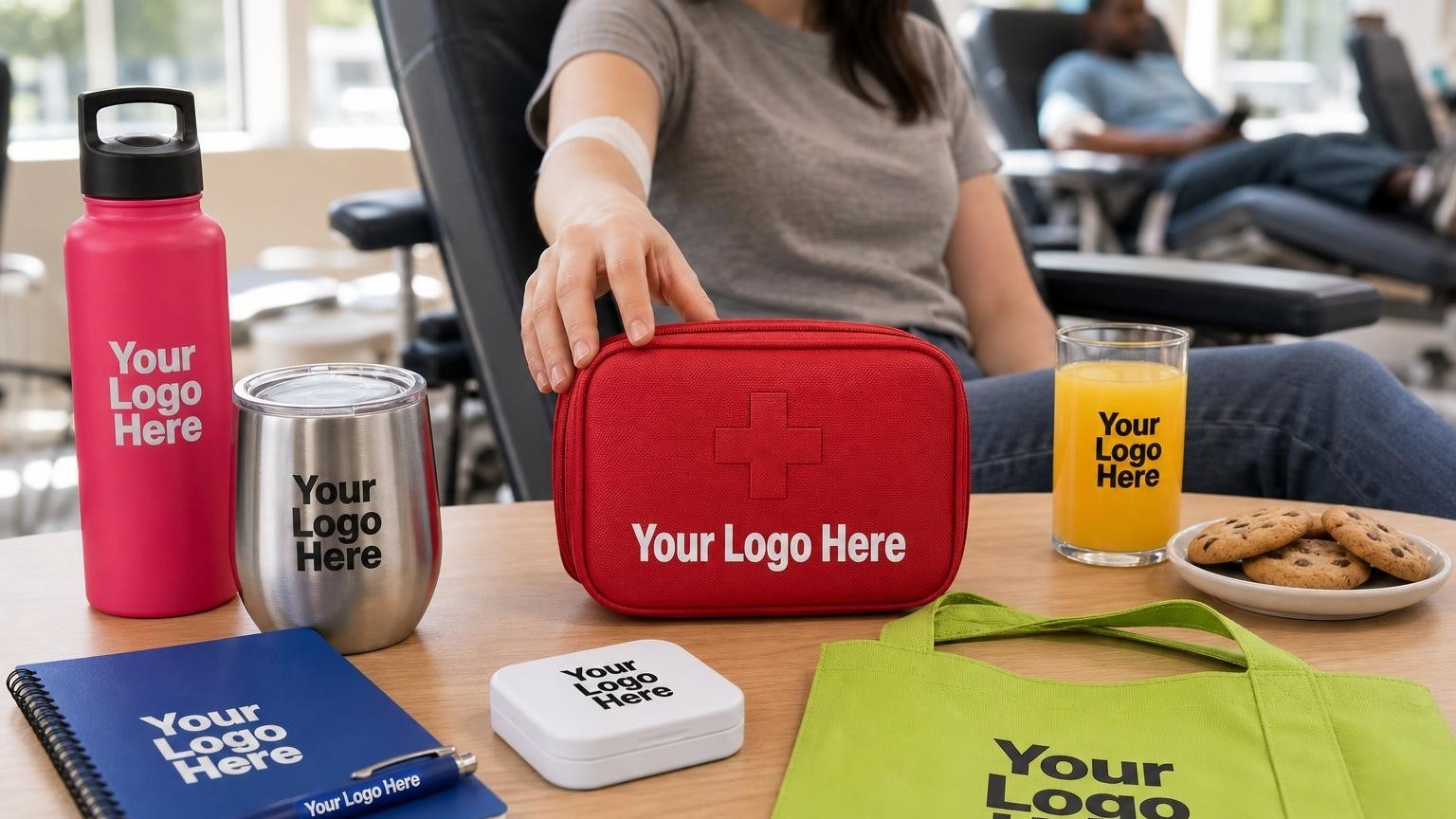
A donor sits in the vinyl recovery chair, a bright red bandage wrapped snug around their forearm. They reach for a juice box and a generic plastic pen to sign their post-donation scheduling card. The pen's barrel cracks under slight pressure, leaving them with ink on their fingers and a broken tool. This small, frustrating moment in the recovery lounge represents a missed opportunity. Instead of honoring their physical sacrifice and encouraging them to schedule their next critical appointment, the cheap handout diminishes the experience. For a blood center marketing director managing tight operational budgets and seasonal donor shortages, every detail in this recovery space matters. The physical discomfort of the needle is behind them, but the memory of how they were treated during the recovery period remains. When centers treat donor appreciation as an afterthought, they risk losing a donor who could have contributed for years.
The Strategic Approach to Donor Retention
Blood donation centers can build a reliable, recurring donor base by replacing cheap, disposable handouts with high-utility donor appreciation kits from Myron. By matching thoughtful items—such as custom first aid kits, silicone wristbands, and magnetic calendars—to specific donor milestones and drive environments, centers can significantly improve donor retention. This strategic approach respects the donor's physical contribution, fits within strict operational budgets, and addresses the severe storage limits of mobile blood donation buses.
- Custom first aid kits for high-utility wellness branding
- Silicone wristbands for low-cost, high-volume youth drives
- Magnetic calendars to keep donation schedules visible on refrigerators
Avoid: Cheap, fragile plastic items that break easily and diminish the perceived value of the donor's physical sacrifice.
The Strategic Value of Donor Appreciation in Blood Logistics
Managing complex mobile drive schedules across multiple counties daily requires a highly organized supply chain, but the most unpredictable variable is always donor turnout. When planning for national blood donor month campaigns or preparing for summer donor shortages, recruitment teams face the hard reality of donor attrition. Many first-time donors do not return, which drives up recruitment costs. To stabilize this supply chain, centers must focus on the post-donation recovery period. Sitting in the recovery chair with a bandage on their arm holding a cold juice box, a donor is highly receptive to appreciation. Providing high-quality tokens of gratitude during this window validates their physical contribution and builds long-term community loyalty. Instead of disposable plastic cups, offering a durable item in the recovery lounge changes the tone of the entire interaction. It shifts the relationship from a transactional blood draw to a respected community partnership.
Designing Tiered Donor Kits for Maximum Retention
A successful retention strategy relies on segmenting donor rewards based on their commitment levels. Whether managing a high-school gym drive, a corporate office park mobile setup, a community center pop-up, or a fixed-site donor center, segmenting donor rewards is critical. First-time donors, who have the highest drop-off rates, need immediate, practical items that encourage their second visit. Meanwhile, milestone donors—such as those in the 'Gallon Club'—deserve exclusive, high-quality items that signal elite status. When securing a major corporate or university blood drive partnership, co-branded donor appreciation kits help corporate hosts feel invested in the joint event's success. For example, distributing milestone rewards during annual volunteer and staff recognition banquets or directly at the drive creates a sense of pride. A donor wearing a custom-designed item out of the mobile bus turns into a walking billboard for the center's mission. This tiered approach ensures that limited marketing budgets are spent where they have the greatest impact on donor lifetime value, all while maintaining strict temperature controls and clinical safety standards during the drive.
Logistical Realities: Storage, Mobility, and Distribution
Mobile blood drives are the backbone of community recruitment, yet they present severe physical storage limitations on mobile blood buses. Staff must pack clinical supplies, heavy-duty plastic storage bins, and donor snacks daily. In this environment, bulky or fragile promotional items are a logistical nightmare. If an item is too heavy or breaks easily during transit over bumpy roads, staff will leave it behind. To protect staff efficiency, promotional items must be lightweight, flat-pack, or highly stackable. Flat items like custom magnets or compact first aid kits fit easily into standard mobile transport bins without taking up valuable space needed for blood collection sets or cold chain storage. When volunteers hand these items directly to donors in the recovery lounge, the distribution is smooth and does not slow down the clinical workflow. Choosing logistically friendly items ensures that mobile teams can focus on donor safety rather than wrestling with awkward inventory.
Essential Mobile Drive Giveaways
Lightweight, high-utility items designed for easy transport and high-volume distribution at mobile blood drives.
Strategic Product Selection for Donor Milestones
To build a successful donor appreciation program, centers must match specific operational challenges with the right promotional products. Here are practical options to consider:
- First-Time Donors: To address high drop-off rates, hand out high-utility items. A practical option here is custom First Aid Kits & Dispensers, which align perfectly with the wellness mission of a blood center and keep your contact details handy in households.
- Milestone Donors: For dedicated multi-gallon donors, look at exclusive items that build community identity. Custom Silicone Bracelets & Bands or specialized Volunteer Appreciation Gifts serve as badges of honor that donors wear proudly.
- Corporate and Community Drives: When partnering with local businesses, co-branded items are highly effective. Providing Thank You gifts or custom Magnets for office refrigerators ensures the blood center remains visible long after the mobile bus leaves the corporate parking lot.
Milestone Donor Rewards
Exclusive items reserved for donors reaching major lifetime donation milestones like the Gallon Club.
Comparing Donor Gift Strategies by Drive Type and Setting
The following table outlines how to align specific promotional items with different blood drive settings and target audiences to maximize retention and respect operational constraints:
| Drive Type / Setting | Target Recipient | Recommended Product Choice | Operational Benefit |
|---|---|---|---|
| Mobile Blood Bus | High School & College Students | Custom Silicone Bracelets & Bands | Compact, lightweight, easy to pack in mobile bins |
| Corporate Blood Drive | Corporate Employees & Hosts | Co-branded Thank You Gifts & Magnets | High visibility on office desks and breakroom fridges |
| Fixed Donor Center | Multi-Gallon Milestone Donors | Exclusive Volunteer Appreciation Gifts | Honors long-term commitment, encourages repeat visits |
| Holiday/Summer Shortage | All Presenting Donors | Custom First Aid Kits & Dispensers | High-utility incentive that drives immediate appointments |
Budget Tiers: Aligning Donor Gifts with Operational Scale
Managing a blood center requires careful allocation of funds. Grouping your promotional strategy into clear tiers helps you maximize impact without overspending:
- Good (High-Volume / Entry-Level): Best for high-school drives, mass community events, and first-time donors. Focus on lightweight, high-utility items like custom Silicone Bracelets & Bands, basic Magnets, or pocket-sized Hand Sanitizer bottles.
- Better (Mid-Range / Targeted Retention): Designed for repeat donors and corporate drive participants. Practical options include custom First Aid Kits & Dispensers or co-branded Thank You items that show clear appreciation.
- Best (Premium / Milestone Recognition): Reserved for multi-gallon donors, key community coordinators, and annual volunteer recognition. Use high-end Volunteer Appreciation Gifts or custom Stick-Up & Magnetic Calendars that keep your center's scheduling dates visible year-round.
First-Party Insights: Operational Wisdom from the Field
Based on Myron's experience helping organizations plan custom event merchandiseBased on experience helping organizations plan custom event merchandise, Myron's team has gathered practical operational insights:
- Prioritize flat-pack items for mobile units: Items that lay flat, such as custom magnets or flat first aid cases, reduce volunteer setup stress at registration tables and maximize limited bus storage.
- Keep co-branding balanced: When partnering with corporate hosts, ensure both logos have equal visual weight. This makes the host company proud to distribute the items internally.
- Choose high-utility wellness items: Donors respond best to items that align with health and safety. A custom first aid kit or hand sanitizer is far more likely to be kept and used than a generic novelty toy.
- Avoid fragile materials: Shatterproof materials are essential. Glass or delicate plastics frequently break during transit in mobile bins, leading to wasted budget and safety hazards for staff.
- Use calendars for scheduling reminders: Custom magnetic calendars placed on the refrigerator serve as a daily visual prompt, helping donors track the exact eight-week window required between whole blood donations.
How to Choose the Right Item
- Distribution EnvironmentDetermine if items will be distributed at a fixed donor center or on a mobile blood bus. Mobile drives require highly durable, compact, and lightweight items like flat-pack first aid kits or magnets to prevent transport damage and staff frustration.
- Donor Milestone TierChoose product quality based on donor commitment. Milestone donors expect high-end, exclusive items that reflect their deep commitment, while first-time donors need immediate utility to encourage their second visit.
- Co-Branding PotentialEnsure the selected item has enough high-quality imprint space for both your blood center's logo and a corporate partner's logo. Corporate drives rely on mutual branding to justify the host company's internal promotion.
Common Mistakes to Avoid
- Prioritizing low cost over product utility and durability.Tight operational budgets force procurement teams to select the cheapest bulk items available, which often break and diminish the donor's physical sacrifice.Better approach: Invest in fewer, higher-quality items like custom first aid kits that donors will actually use daily, keeping your brand visible for years.
- Ignoring the physical storage limits of mobile blood buses.Marketing teams order bulky items without consulting the mobile drive logistics staff, leading to wasted space or items being left behind.Better approach: Select flat-pack, stackable, or lightweight items like custom magnets or silicone wristbands that fit easily into standard mobile transport bins.
- Failing to segment promotional items by donor milestones.Centers hand out the exact same low-cost item to a first-time donor and a 10-gallon donor, missing a key opportunity to make milestone donors feel uniquely valued.Better approach: Create a tiered reward system that reserves exclusive appreciation gifts for multi-gallon donors while giving first-time donors high-utility items.
Frequently Asked Questions
What are the most effective promotional items for first-time blood donors?
High-utility items like custom first aid kits or premium keychains keep your brand visible daily, reminding them to schedule their next appointment. First-time donors have the highest drop-off rate, making their initial post-donation experience critical for retention.
How should we handle promotional products for corporate blood drives?
Co-brand high-quality items like insulated tumblers or custom magnets with both your blood center's logo and the host corporation's logo to build mutual goodwill. Corporate drives are highly competitive, and strong partnerships lead to recurring annual drive bookings.
What items work best for mobile blood donation buses with limited storage?
Focus on flat, lightweight, and highly stackable items such as custom t-shirts, flat-pack tote bags, and compact tech cleaning cloths. Mobile staff will ignore or leave behind promotional items that are too heavy or difficult to pack.
Securing the Next Appointment
Every donor interaction in the recovery lounge is a valuable opportunity to secure the next lifesaving appointment. By shifting from cheap, transactional giveaways to thoughtful, high-utility donor appreciation kits, your center can build a reliable, recurring donor base that supports your 365-day supply goals. Partner with Myron to design a strategic donor appreciation program that respects your donors, fits your mobile logistics, and fits your operational budget. Let's discuss how to align your donor rewards with your upcoming seasonal donor recruitment campaigns.