


Charity Run Swag Guide: Registration Bags & Volunteer Kits
A practical, logistically minded guide to selecting and distributing promotional products that satisfy sponsors, protect volunteers, and delight runners within a non-profit budget.
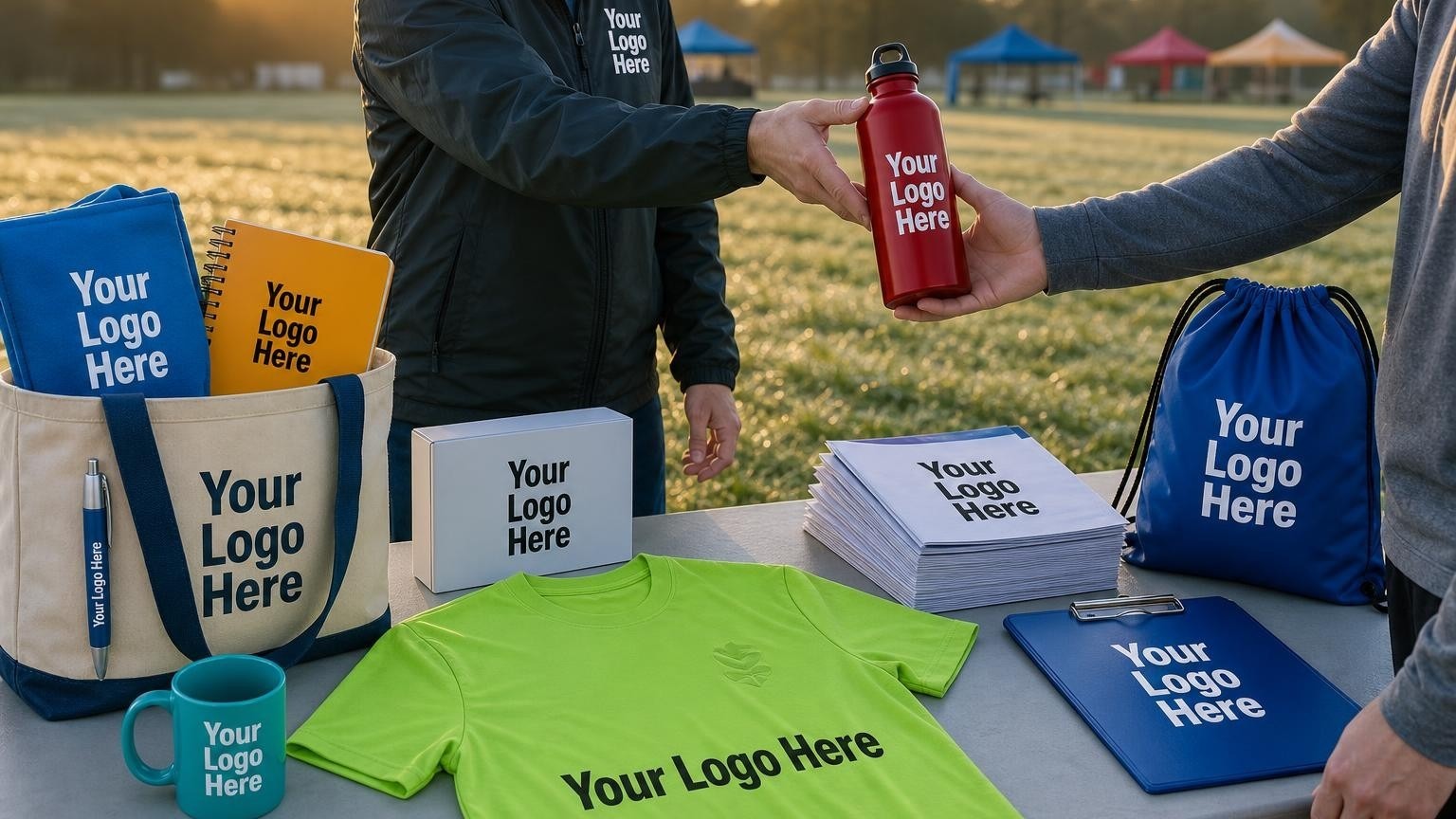
10 min read
Charity Run Organizers can maximize their event budget and sponsor visibility by partnering with Myron to source durable, high-utility promotional gear designed for race-day logistics. Strong choices include durable bags & backpacks, performance apparel, and insulated drinkware. Ideally 6 to 8 weeks prior to the event date to allow for proofing, production, and standard shipping. Avoid single-use plastics, low-quality apparel that shrinks, and cluttered designs that dilute sponsor logos.
The Pre-Dawn Reality of Race Day
At 5:30 AM, the air is crisp and the grass in the municipal park is heavy with morning dew. A volunteer, hands stiff from the early chill, reaches into a cardboard box to pull out a registration packet for an early-arriving runner. As they hand over the thin plastic bag, the bottom seam splits completely. A bib number, a set of safety pins, and several paper sponsor coupons spill onto the wet grass. The runner scrambles to gather their gear, while the volunteer frantically searches for a spare bag. This pre-dawn moment represents the exact intersection of event logistics, participant experience, and sponsor representation. For organizers of charity runs, 5K walks, and community bike races, these physical interactions shape how participants view the cause and how corporate sponsors evaluate their return on investment. Every detail, from the durability of the registration packet to the visibility of a volunteer's shirt, directly impacts the success of the event.
Maximizing Your Charity Run Budget
For charity run organizers, selecting durable, high-utility promotional gear is critical to satisfying sponsors, protecting volunteers, and keeping runners connected to the cause. By partnering with Myron, organizers can secure cost-effective, practical items like custom t-shirts, volunteer appreciation gifts, and weather-resistant gear that solve operational challenges. The best approach focuses on reusable items—such as performance shirts for course marshals and durable gear for registration packets—that runners keep and use long after crossing the finish line. This strategy ensures sponsor logos remain visible on local running trails all year, maximizing the value of every non-profit dollar spent.
- Durable Bags & Backpacks
- Performance Apparel
- Insulated Drinkware
Avoid: Avoid single-use plastics, low-quality apparel that shrinks, and cluttered designs that dilute sponsor logos.
The Registration Bag: Turning Swag into Year-Round Sponsor Billboards
The registration packet is the very first physical touchpoint of your event. Whether you are organizing a high-volume municipal marathon, a local school district 5K fundraiser, a regional breast cancer awareness walk, or a neighborhood youth fun run, the physical presentation sets the tone. When a participant checks in at the registration desk the afternoon before the race, the bag they receive shapes their initial impression. Opting for flimsy, single-use plastic bags is a common pitfall that often leads to torn packets and discarded sponsor materials. Instead, choosing durable options from our selection of walks, runs & bike races gear provides a reliable container that participants will reuse for gym trips, trail runs, and daily errands.
To maximize sponsor visibility without cluttering the design, use a clear visual hierarchy. Place your primary event logo on the front of the bag, and group corporate sponsor logos cleanly on the back. This keeps the bag looking clean and professional, which increases the likelihood that runners will carry it in public. Inside the bag, replace paper flyers with high-utility items. For example, a custom magnet featuring the race date and a thank-you message can be placed on a runner's refrigerator, keeping your cause top-of-mind for months. This approach turns a simple registration packet into a long-term marketing tool that continues to deliver value to your corporate partners long after the finish line cleanup is complete.
Essential Runner Registration Gear
The core items provided to every participant at packet pickup to house their race essentials and deliver sponsor value.
Practical Race-Day Gear: Problem-First Solutions
Selecting promotional items for a charity event requires focusing on specific operational problems. Rather than purchasing generic novelties, organizers should select items that serve a clear purpose during the event and offer long-term utility afterward.
First, consider participant safety and course navigation. Course marshals and water station volunteers must be instantly recognizable to runners and spectators. Providing bright, custom shirts & t-shirts ensures your staff is visible even in low-light, early morning conditions.
Second, address volunteer organization and role identification. In a crowded park, runners need to know exactly who to approach for medical aid, registration questions, or water. Using color-coded apparel or simple custom buttons helps distinguish different teams, reducing confusion and improving safety.
Third, think about post-race appreciation. Your top fundraisers and long-term sponsors deserve recognition that reflects their commitment. High-quality apparel, such as custom caps or embroidered jackets, serves as a meaningful thank-you gift that recipients will wear proudly in their daily lives, sparking conversations about your organization's mission.
The Volunteer Kit: Equipping Your Race-Day Crew for Operational Success
Volunteers are the backbone of any charity athletic event, managing everything from course safety to water distribution. However, managing a large, temporary workforce on a chaotic race morning presents significant logistical challenges. To keep your team organized and motivated, equip them with functional volunteer kits during the 5:00 AM briefing.
A well-planned volunteer kit serves as both an operational uniform and a post-event thank-you. Start with high-visibility caps & hats to protect course marshals from the sun while making them easily identifiable to runners following the route. For registration staff, provide custom clipboards and high-quality pens to speed up manual check-ins and waiver signing.
To show appreciation for their early morning dedication, include practical volunteer appreciation gifts like insulated travel mugs. This keeps their coffee hot during the chilly setup hours and serves as a lasting token of gratitude. By providing gear that solves immediate operational needs on race day, you build a sense of team identity and encourage volunteers to return for next year's event.
Volunteer & Course Management Kits
Functional gear to keep your race-day staff organized, visible, and comfortable from dawn setup to afternoon cleanup.
Selecting the Right Gear for Every Race-Day Role
To help you plan your budget and allocate resources effectively, this table compares the specific gear needs, operational roles, and timing considerations for different participant and volunteer groups.
| Race-Day Role / Group | Primary Operational Need | Recommended Product Types | Optimal Ordering Window |
|---|---|---|---|
| Course Marshals | High visibility and route safety | Bright neon t-shirts, custom caps, safety whistles | 6 to 8 weeks before race day |
| Registration Desk Staff | Fast check-in and organization | Custom pens, clipboards, role-identifying buttons | 6 to 8 weeks before race day |
| General Participants | Durable packet storage and keepsakes | Reusable drawstring bags, custom finisher shirts | 8 to 10 weeks before race day |
| Top Fundraisers & Sponsors | High-value appreciation and recognition | Custom jackets, engraved plaques, insulated drinkware | 8 to 10 weeks before race day |
Budget-Friendly Swag Tiers for Non-Profit Budgets
Managing a non-profit budget means every dollar spent must deliver clear value. To help you plan, we have organized our recommended race-day items into three practical tiers based on your event's scale and goals.
- Good (Entry-Level / High-Volume): Focuses on essential, cost-effective items for large participant numbers. This tier includes custom buttons for quick volunteer identification, lightweight drawstring bags for registration packets, and basic cotton t-shirts for general participants.
- Better (Mid-Range / High-Utility): Focuses on durable, functional gear that offers increased utility. This tier includes moisture-wicking performance shirts for runners, structured caps for course marshals, and custom magnets for post-race sponsor recognition.
- Best (Premium / Targeted Recognition): Focuses on high-quality items for top fundraisers, key sponsors, and long-term volunteers. This tier includes insulated stainless steel travel mugs, embroidered jackets, and custom plaques & paperweights to recognize major corporate contributors.
Practical Operational Insights from the Field
Based on Myron's experience helping organizations plan custom event merchandiseBased on experience helping organizations plan custom event merchandise, Myron's team has gathered practical operational insights to help you avoid common race-day pitfalls:
- Flat, stackable items reduce setup stress: Items like flat-packed drawstring bags and stacked t-shirts take up less space on folding tables, making registration areas much easier to manage.
- Color-code your volunteer teams: Using distinct shirt colors for different roles—such as red for medical staff and yellow for course marshals—helps runners find help instantly during an emergency.
- Keep sponsor logos organized: Grouping sponsor logos on the back of apparel or bags in a clean grid maintains a professional look and ensures every partner receives fair visibility.
- Order a baseline quantity early: Avoid late-registration rush fees by ordering a baseline quantity of shirts and bags based on historical data, then placing a small top-off order closer to the event if needed.
- Choose weather-resistant materials: Outdoor events are vulnerable to rain and dew. Opt for water-resistant nylon bags and moisture-wicking synthetic shirts to protect your gear from the elements.
The Race Director's Ordering and Planning Timeline
To avoid rush shipping fees and ensure your custom gear arrives well before packet pickup, follow this step-by-step planning timeline:
- 10 Weeks Before: Finalize your primary sponsor agreements and collect high-resolution vector logos. Estimate your participant numbers based on early registration trends.
- 8 Weeks Before: Select your primary product categories, including registration bags, volunteer shirts, and finisher keepsakes. Request product samples to verify quality and sizing.
- 6 Weeks Before: Place your main bulk order for baseline quantities. This allows ample time for design proofing, production, and standard ground shipping.
- 3 Weeks Before: Review final registration numbers. Place a small, fast-turnaround top-off order for any extra t-shirts or bags needed for late registrants.
- 1 Week Before: Organize your inventory into volunteer kits and participant packets, storing them in labeled boxes for easy transport to the course.
Volunteer Appreciation Gifts
Durable, high-utility thank-you gifts to recognize the hard work of your race-day coordinators and planning committee.
Common Mistakes to Avoid
- Ordering cheap, single-use plastic bags for registration packets.Thin plastic bags tear easily on wet grass, spilling runner bibs and safety pins, which ruins the participant experience and wastes sponsor flyers.Better approach: Invest in reusable drawstring bags that runners will keep and carry to the gym, extending sponsor visibility for months.
- Failing to differentiate volunteer roles with color-coded apparel.Buying a single bulk order of one t-shirt color to save on setup fees makes it difficult for runners to locate medical staff or course marshals in a crowd.Better approach: Use distinct, high-visibility colors to separate general volunteers, medical staff, and course marshals.
- Waiting too late to order, resulting in high rush fees.Waiting for final registration numbers to lock in before ordering results in high rush shipping fees that eat directly into the charity's fundraising proceeds.Better approach: Order baseline quantities early based on historical data, and use a small, fast-turnaround order for late registrants.
Frequently Asked Questions
How can we maximize sponsor logo space on promotional items without making them look cluttered?
Use a tiered design approach where your primary event logo takes center stage, and sponsor logos are grouped cleanly on the back or sides of high-utility items like bags and t-shirts. This design hierarchy keeps the item visually appealing to runners while fulfilling your sponsor agreements.
What are the most durable, cost-effective items to include in volunteer kits?
High-visibility t-shirts, durable clipboards for coordinators, and insulated travel mugs provide the best balance of operational utility and long-term appreciation. These items help identify your team on race day and serve as a practical thank-you gift afterward.
When should charity run organizers place their promotional product orders to avoid rush shipping fees?
We recommend finalizing your designs and placing orders at least 6 to 8 weeks before your event to allow for proofing, production, and standard ground shipping. This timeline helps protect your non-profit budget from unnecessary rush fees.
Building a Year-Round Community Movement
A successful charity run is more than a single-day athletic event; it is a powerful community builder that unites runners, volunteers, and local businesses behind a shared cause. The physical items you distribute—from the registration bag handed out at dawn to the finisher shirt worn on local trails months later—are lasting reminders of that shared achievement. By selecting durable, high-utility gear that serves a clear operational purpose, you protect your non-profit budget while delivering maximum value to your sponsors. As you prepare for your upcoming race-day planning session, consider exploring Myron's dedicated selection of walks, runs & bike races gear to find the perfect fit for your event. Planning your gear early ensures a smooth, stress-free delivery, allowing you to focus on delivering an exceptional experience for your community.