


Health Equity in Every Kit: How Community Health Clinics Build Trust with Patient Welcome Bags and Outreach Giveaways
How public health administrators use functional, health-literate tools to lower barriers to care, support frontline staff, and extend wellness directly into the home.
10 min read
Community health clinics use high-utility promotional items from Myron to build trust with underserved populations, improve patient compliance, and equip frontline staff. Strong choices include bilingual weekly pill organizers, compact home first aid kits, durable non-woven tote bags, and antimicrobial intake pens. Avoid fragile, single-use plastic items, overly complex gadgets, and promotional claims that guarantee specific medical outcomes.
The First Touchpoint: Designing Patient Welcome Kits That Lower Barriers to Care
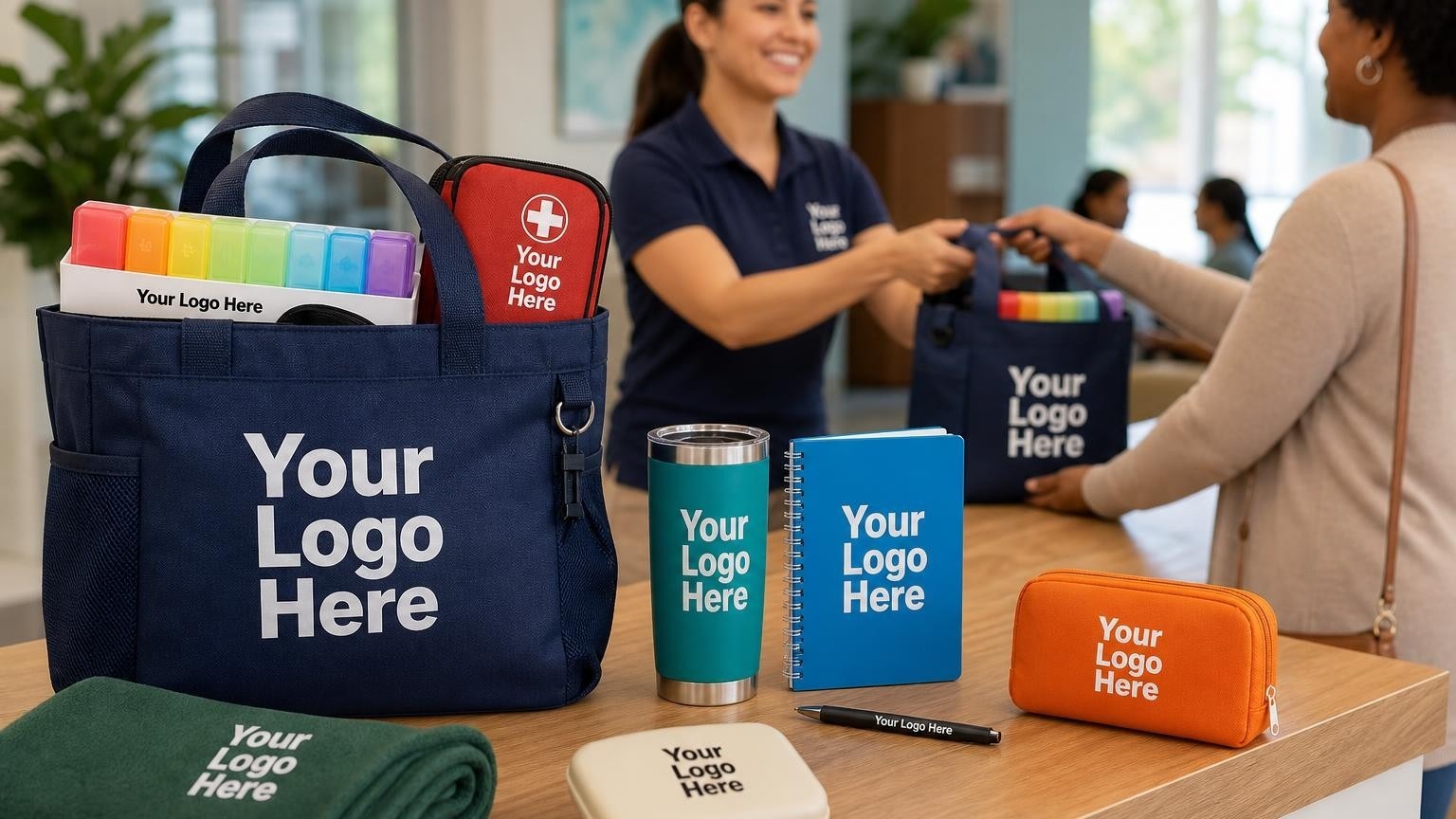
An anxious patient walks into a community health clinic for the first time, overwhelmed by paperwork and language barriers, but is immediately put at ease when handed a clear, welcoming care package. The hum of the waiting room fades slightly as a clinic volunteer hands over a sturdy, well-organized welcome bag. Inside, the patient finds clear, bilingual health resources, a simple medication tracker, and a durable pen. This physical handoff is more than a administrative step; it is the foundation of a high-trust relationship between a community health center and the neighborhood it serves.
For public health administrators, the challenge of patient retention is a constant operational reality. Missed follow-up appointments and incomplete treatment plans strain limited grant budgets and compromise community wellness. By transforming the initial intake moment into a tangible experience of care, clinics can lower barriers to healthcare access and set a welcoming tone that encourages patients to return for essential follow-up visits.
Strategic Patient Kits for Community Health Clinics
Community health clinics use high-utility promotional items from Myron to build trust with underserved populations, improve patient compliance, and equip frontline staff. Key use cases include patient welcome kits distributed during intake to encourage follow-up care, durable bilingual wellness giveaways at community health fairs and mobile clinics, and professional, functional gear to boost morale and unify clinic staff and volunteers. Focus on durable non-woven tote bags, bilingual weekly pill organizers, and compact home first aid kits.
- Bilingual weekly pill organizers
- Compact home first aid kits
- Durable non-woven tote bags
- Antimicrobial intake pens
- Magnetic calendars with clinic hours
Avoid: Fragile, single-use plastic items, overly complex gadgets, and promotional claims that guarantee specific medical outcomes.
Building Trust at Intake: The Anatomy of a High-Trust Welcome Bag
First impressions dictate follow-up compliance, making the initial intake moment critical for patient retention. When designing welcome kits, clinic directors must select items that serve a dual purpose of comfort and health education. This is particularly true across diverse operational settings, including federally qualified health centers (FQHCs), rural health clinics (RHCs), mobile medical vans, and school-based health centers.
During the discharge or checkout window after a patient's first appointment, handing over a structured care package ensures vital health resources make it home safely. A durable tote bag serves as the physical foundation of this kit. Inside, instead of generic novelty items, clinics should include practical tools like custom health care products and imprinted first aid kits. These items provide immediate utility, helping families manage minor injuries at home while keeping the clinic's contact information readily accessible.
Because clinic storage space is often limited to cramped administrative closets, selecting flat-packing welcome folders and stackable items is a key operational consideration. This allows staff to assemble kits quickly without cluttering high-traffic hallways or patient care areas.
Essential Patient Welcome Kit Supplies
Handed to new patients during intake to build trust and organize their care resources.
Mobile Clinics and Neighborhood Outreach: High-Impact Health Fair Giveaways
Outreach campaigns require a strategic approach to physical giveaways. When planning a seasonal flu vaccine campaign or a diabetes management community workshop, the items distributed must act as ongoing reminders of the clinic's location, hours, and accessible services.
At a neighborhood health fair, a clinic volunteer might hand a sturdy, insulated lunch bag filled with fresh produce and wellness resources to an elderly resident. This simple gesture connects nutrition with preventative care. To support daily hygiene, distributing custom hand sanitizers and compact imprinted first aid kits at mobile clinic sites ensures families have basic safety tools on hand. All outreach materials should prominently feature clear, high-contrast contact information to make scheduling follow-up appointments as straightforward as possible.
High-Impact Community Outreach Giveaways
Distributed at neighborhood health fairs and mobile clinic events to promote preventative care.
Practical Health Tools That Support Daily Patient Wellness
To support health literacy and patient compliance, clinics should move away from generic promotional items and focus on functional, visual tools. For patients managing chronic conditions or complex medication schedules, clear and accessible guides are essential.
Using stick-up and magnetic calendars and high-visibility promotional magnets on a household refrigerator keeps the clinic's phone number, walk-in hours, and emergency contact details visible to the entire family. These items are highly effective for low-literacy or multilingual patient populations, as they rely on simple, icon-based designs rather than text-heavy instructions. A color-coded weekly pill organizer paired with a magnetic calendar helps seniors and families manage daily wellness routines without confusion.
Selecting the Right Outreach Tool for Your Clinic's Goals
Choosing the appropriate item depends on the specific public health campaign and the target audience. The table below compares common clinic outreach scenarios and recommended tools:
| Clinic Scenario | Target Audience | Recommended Product Option | Operational Benefit |
|---|---|---|---|
| New Patient Intake | Families & Individuals | Flat welcome folders & non-woven totes | Keeps medical records and intake sheets organized |
| Seasonal Flu Vaccine Drive | General Public | Custom hand sanitizers | Encourages immediate hand hygiene after vaccination |
| Chronic Care Management | Seniors & Diabetic Patients | Color-coded weekly pill organizers | Improves medication compliance and daily tracking |
| Mobile Health Van Deployment | Rural & Underserved Areas | Imprinted first aid kits | Provides immediate, practical safety tools in the home |
| Pediatric Immunization Campaign | Parents & Children | Colorful tracker cards & child thermometers | Helps parents monitor recovery and track vaccine schedules |
Budget-Conscious Planning: Wellness Tools for Every Grant Tier
Community health clinics operate under strict financial oversight, requiring clear justification of utility for every dollar spent. Organizing promotional purchases by grant tier ensures compliance with funding guidelines while maximizing community reach.
- Good (Entry-Level Outreach): High-volume campaigns, such as neighborhood health fairs, benefit from flat, easily distributable items. Practical choices include promotional magnets printed with clinic hours, basic stick-up and magnetic calendars, and single-use hand sanitizer packets.
- Better (Targeted Patient Support): For active patient management and clinical follow-ups, invest in mid-range functional tools. This tier includes compact imprinted first aid kits, weekly pill organizers, and refillable hand sanitizer spray bottles.
- Best (Comprehensive Wellness & Staff Appreciation): Reserved for new patient welcome kits and staff recognition. This tier features insulated wellness bags, multi-compartment pill planners, and employee appreciation gifts like moisture-wicking apparel for frontline clinical teams.
Operational Wisdom: Insights from Fulfilling Community Clinic Orders
Based on Myron's experience helping organizations plan custom event merchandiseBased on experience helping organizations plan custom event merchandise, Myron's team has gathered practical operational insights to help clinic directors maximize their outreach budgets:
- Prioritize Flat-Packing Items: Flat, stackable items like promotional magnets and flat first aid kits reduce volunteer setup stress at registration tables and fit easily into cramped mobile van cabinets.
- Design for High Contrast: Bilingual printing is most effective when using high-contrast, clean fonts that remain readable for patients with visual impairments or limited literacy.
- Optimize Storage Footprint: Avoid bulky drinkware if clinic storage is limited; flat-packing totes and compact wellness kits are much easier to store in small administrative closets.
- Leave Space for Customization: When printing clinic hours on stick-up and magnetic calendars, choose a layout that leaves space for staff to write in custom follow-up appointment dates with a standard pen.
- Focus on Durability: High-touch items like hand sanitizers should feature durable, scratch-resistant printing to ensure the clinic's phone number remains legible after months of daily use.
Staff and Volunteer Appreciation: Equipping Your Frontline Health Heroes
Clinic staff and volunteers face high burnout rates, making visible, practical appreciation essential for retention. Equipping your team with professional, branded apparel and writing instruments enhances their daily workflow and builds a unified clinical identity.
During a busy shift handover, presenting a volunteer with a durable badge reel or a comfortable, moisture-wicking polo shirt provides a meaningful boost to morale. Utilizing volunteer appreciation gifts and dedicated employee appreciation gifts helps build a supportive environment. Providing staff with smooth-writing pens for daily charting and high-quality clipboards ensures that administrative tasks are handled with professional pride, reflecting the dignity of community healthcare work.
Common Mistakes to Avoid
- Prioritizing cheap novelty items over durable, functional health tools.Tight grant budgets tempt buyers to purchase the lowest-cost items, but flimsy items are quickly discarded, wasting limited funds.Better approach: Invest in fewer, higher-quality items like reusable tote bags or sturdy pill organizers that patients will keep and use for years.
- Neglecting language accessibility on printed health outreach materials.Printing clinic hours only in English in a neighborhood where sixty percent of patients primary language is Spanish limits outreach efficacy.Better approach: Utilize bilingual or icon-based printing on all custom items to ensure clear communication across diverse demographics.
- Overlooking the physical storage limitations of the clinic facility.Ordering massive bulk quantities without considering storage can block emergency exit hallways or clutter patient care areas.Better approach: Coordinate staggered shipments or select flat, easily stackable items like custom magnetic calendars and compact first aid kits.
Frequently Asked Questions About Clinic Promotional Materials
How can community health clinics distribute promotional items while respecting patient privacy?
Distribute items during private intake or discharge sessions rather than in public waiting areas, ensuring wellness kits are handed directly to patients. This operational workflow maintains strict confidentiality and respects patient dignity.
What are the most durable materials for patient welcome bags that will be reused long-term?
Opt for heavy-duty non-woven polypropylene or recycled cotton canvas, which withstand daily wear and keep your clinic's contact info visible in the community. These durable materials ensure the bag remains useful to the family for grocery shopping or carrying personal items.
How do we select promotional items that accommodate low-literacy or multilingual patient populations?
Choose highly visual tools like color-coded pill organizers, universal first aid kits, and items with clear, icon-based instructions. Avoid text-heavy pamphlets and focus on intuitive, practical designs that communicate safety clearly.
Extending Care Beyond the Clinic Walls
Thoughtful, high-utility promotional items serve as a physical extension of a community health clinic's care. By selecting durable, accessible tools like bilingual pill organizers, magnetic calendars, and compact first aid kits, public health administrators can build lasting trust and improve patient compliance. As you plan your next seasonal vaccine campaign or community outreach drive, consider how these tangible touchpoints can support your clinic's mission. Explore Myron's curated collection of durable, compliant, and budget-friendly healthcare promotional products to find the right tools for your frontline team and the community you serve.