


Promotional Products for Community Outreach Programs
Building trust with vulnerable populations requires physical tools that respect participant dignity, protect frontline staff, and satisfy strict grant guidelines.
9 min read
Successful community outreach relies on building trust, which is why Myron provides high-utility, durable items like custom shirts, hand sanitizers, and magnetic resources that serve as practical touchpoints for participants and staff alike. Strong choices include durable shirts & T-shirts, hand sanitizers with clips, and magnetic calendars & resources. Order at least 6-8 weeks prior to major seasonal campaigns, grant cycle launches, or large-scale community events. Avoid cheap, single-use plastic items that break easily, as they undermine the perceived value and respect of your program.
The Bridge on the Sidewalk: Building Trust Where Promises Have Failed
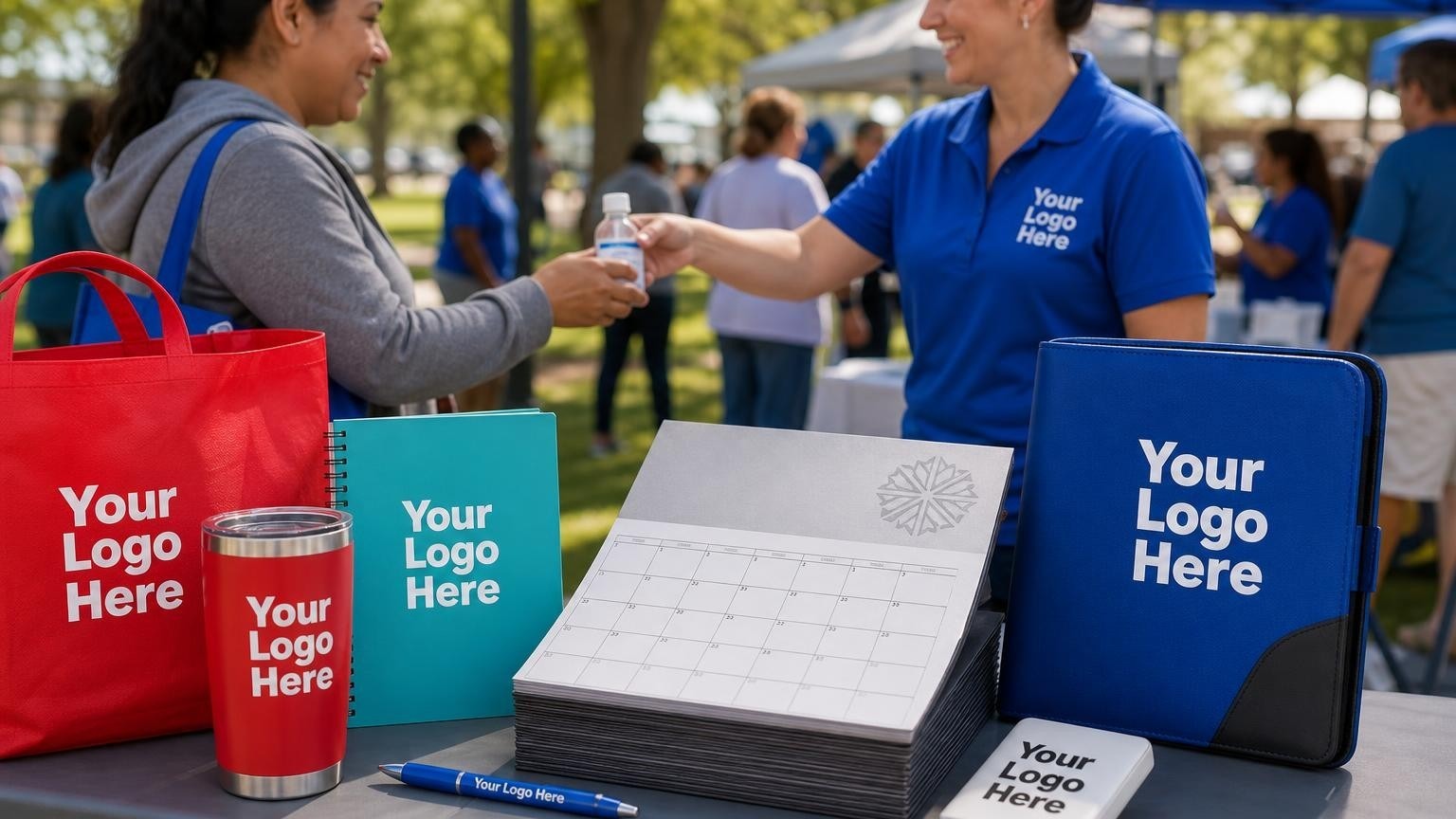
An outreach coordinator stands at a folding table in a community park, trying to connect with residents who have been repeatedly let down by institutional promises. The morning heat is already rising, and the foot traffic consists of people walking briskly past, eyes downcast, avoiding eye contact. A resident stops, guarded and skeptical, looking at the flyers. Instead of offering another paper brochure that will likely end up in the nearest recycling bin, the coordinator reaches for a small, highly practical kit. Handing over a durable item that solves an immediate daily problem changes the dynamic. It is not a gimmick; it is a physical bridge. When a program provides something of immediate utility, it signals respect and starts a real conversation. This simple exchange turns a brief, guarded interaction into a lasting relationship of trust, proving that the program is there to support, not just to collect data.
Quick Guide: Selecting Dignified Outreach Gear
Successful community outreach programs rely on building trust and maintaining safety. To achieve this, Myron provides high-utility, durable items like custom shirts, hand sanitizers, and magnetic resources that serve as practical touchpoints for participants and field staff alike. Focus on dignity-first sourcing by choosing items that solve daily problems, such as keeping contact information visible on a refrigerator or providing hygiene support in the field. Avoid cheap, single-use plastic novelties that break easily, as they undermine the perceived value of your services. Instead, select durable, compliant tools that fit strict grant guidelines and protect your frontline teams during street-level engagement.
- Durable Shirts & T-shirts
- Hand Sanitizers with Clips
- Magnetic Calendars & Resources
Avoid: Avoid cheap, single-use plastic items that break easily, as they undermine the perceived value and respect of your program.
The Trust-Anchor: Designing Participant Welcome Kits That Lower Barriers
First impressions dictate program retention and follow-through. When a participant enters a housing workshop or a mobile health clinic, they are often overwhelmed by paperwork and administrative hurdles. Handing them a welcome kit that contains immediate, practical utility items helps lower their guard. For example, a kit featuring a custom hand sanitizer and a high-utility resource card shows that your organization cares about their immediate well-being.
To keep your program's contact details active in the home, many outreach directors use custom magnets or stick-up & magnetic calendars that stick directly to kitchen appliances. This ensures that vital phone numbers for crisis lines, food distribution schedules, or clinic hours are always within arm's reach. When items are selected with the participant's daily reality in mind, they cease to be promotional items and become essential household tools. This dignity-first approach to sourcing signals that your program respects the recipient, transforming a simple handout into a long-term connection.
Participant Welcome Kits
Equip new program enrollees with immediate hygiene and contact tools during initial intake or home visits.
Practical Utility: Selecting Items for Daily Household Use
When choosing items for community distribution, prioritize products that integrate into the daily routines of your participants. Paper flyers are easily lost, but functional items remain in use for months.
Consider distributing custom hand sanitizer bottles with convenient clips. These are highly valued by families using public transit or attending outdoor resource fairs where clean water is scarce. Another practical option is the use of custom magnets printed with emergency contact numbers, local food pantry hours, or utility assistance hotlines. Because these items reside on the refrigerator, they provide daily visual reminders of your services without feeling intrusive. For seasonal planning, stick-up & magnetic calendars work exceptionally well during autumn distribution drives, helping families keep track of school schedules and clinic appointments throughout the upcoming year. By focusing on these high-utility items, you ensure your grant funding is spent on products that actively support the community's daily needs.
Equipping the Frontline: High-Visibility Gear for Field Staff and Volunteers
Street-level outreach requires clear, immediate identification to ensure both staff safety and community trust. When outreach workers enter diverse neighborhood settings—such as conducting street-level housing surveys, running a mobile health clinic, or coordinating a pop-up neighborhood food pantry—unbranded clothing can cause suspicion or confusion. Residents may mistake staff for commercial solicitors or government auditors, leading to closed doors and missed connections.
Equipping your team with professional shirts & t-shirts in bright, recognizable colors establishes immediate organizational legitimacy. To supplement this, staff and volunteers can wear custom buttons that display their names, roles, or specific program campaigns. This simple visual cue helps break down barriers and reassures residents that your team is there to help. Furthermore, wearing cohesive apparel builds a sense of unity among volunteers, reducing burnout and reinforcing their commitment to the mission. When your frontline team looks professional and easily identifiable, it projects organizational stability and safety, allowing street-level engagement to proceed smoothly and securely.
Frontline Staff Identification
Ensure your street outreach teams are instantly recognizable and professional in any neighborhood setting.
Outreach Scenario and Gear Selection Matrix
Choosing the right item depends heavily on the specific environment and the goals of your outreach campaign. The table below outlines common scenarios, the primary operational challenges, and the most effective physical tools to address them.
| Outreach Scenario | Operational Challenge | Recommended Gear & Utility |
|---|---|---|
| Mobile Health Clinic Intake | High anxiety, need for immediate hygiene and clear contact info | Custom hand sanitizer with clips and magnetic resource calendars |
| Street-Level Housing Surveys | Staff safety, resident skepticism, outdoor weather elements | Brightly colored custom shirts & t-shirts paired with identification buttons |
| Pop-Up Food Pantry Distribution | High volume, rapid distribution, need for ongoing program contact | Heavy-duty magnetic schedules and informational magnets for refrigerators |
| Volunteer Appreciation Luncheon | High volunteer burnout, need for meaningful recognition | Custom plaques & paperweights or dedicated thank you gift sets |
Strategic Sourcing: Maximizing Grant Budgets Across Tiers
Outreach directors must justify every dollar spent under strict grant or donor constraints. Organizing your physical resources into clear tiers allows you to maximize your budget while ensuring that every item distributed serves a distinct operational purpose.
- Good (High-Volume Distribution): Focus on low-cost, high-utility items that can be distributed widely at large-scale resource fairs or community parks. Practical options include custom buttons for advocacy, informational magnets with emergency hotlines, and silicone bracelets & bands used as entry markers for youth summer programs.
- Better (Targeted Participant & Staff Gear): Invest in durable items for active program participants and frontline staff. This tier features custom shirts & t-shirts for volunteer identification, hand sanitizer bottles for mobile health teams, and stick-up & magnetic calendars for families enrolled in ongoing case management.
- Best (Sponsor & Volunteer Recognition): Reserved for key supporters, major donors, and long-serving volunteers who keep your programs running. This tier includes professional plaques & paperweights presented at annual banquets, high-quality employee appreciation gifts, and curated volunteer appreciation gifts that express deep organizational gratitude.
Field-Tested: Operational Insights for Outreach Distribution
Based on Myron's experience helping organizations plan custom event merchandiseBased on experience helping organizations plan custom event merchandise, Myron's team has gathered practical operational insights to help outreach directors avoid common distribution hurdles:
- Flat, stackable items reduce setup stress: When transporting supplies in the trunks of personal vehicles or program vans, flat items like custom magnets and magnetic calendars stack neatly in plastic bins, saving valuable cargo space.
- Prioritize high-visibility apparel colors: When ordering shirts for street teams, opt for bright safety colors like neon green, orange, or royal blue. This ensures your staff remains easily recognizable in busy public spaces or low-light conditions.
- Keep hand sanitizer formulas simple: Select unscented, alcohol-based sanitizers. Scented options can trigger allergies or sensitivities among vulnerable participants during close-contact intake processes.
- Sponsor logos should be subtle: When thanking major donors on volunteer apparel, keep sponsor logos small and placed on the sleeve or back yoke. Oversized branding can make volunteers feel like walking advertisements rather than community champions.
- Avoid paper-based handouts in humid weather: If your outreach occurs outdoors, standard paper brochures degrade quickly in humidity or rain. Printing critical contact info on durable magnets or plastic-coated cards ensures the information survives the elements.
Volunteer Recognition
Show meaningful appreciation to your recurring volunteers and major donors without stretching grant budgets.
How to Choose the Right Item
- The Dignity TestAsk if your staff or board members would proudly use the item. If it feels cheap or disposable, it will feel patronizing to a community participant.
- Operational UtilityVerify if the item solves a practical, daily problem for the recipient, such as keeping contact info active on a refrigerator or providing hygiene support.
- Field DurabilityEnsure the item can survive being transported in a van trunk and used outdoors in unpredictable weather without degrading.
Common Mistakes to Avoid
- Prioritizing quantity over quality to stay within budget.Cheap, fragile handouts can make recipients feel undervalued or patronized, damaging trust.Better approach: Invest in fewer, higher-quality items for targeted enrollees, ensuring the products are durable and genuinely useful.
- Failing to check grant compliance guidelines before purchasing.Teams assume any promotional item is an acceptable expense, only to have the cost rejected during a grant audit.Better approach: Select items that directly support the grant's educational or health-delivery objectives, documenting the operational utility of each item.
- Neglecting field staff visibility and safety.Sending outreach workers into a neighborhood in personal clothes can cause residents to mistake them for solicitors rather than trusted representatives.Better approach: Allocate a portion of the budget to high-visibility, professional apparel that identifies staff and builds immediate trust.
Frequently Asked Questions
How do we choose promotional items that align with strict grant funding guidelines?
Focus on high-utility items that directly support program delivery, such as custom hand sanitizers for health initiatives, or magnetic calendars that distribute educational and resource information directly into participants' homes.
What are the best items for outdoor community events where weather is unpredictable?
Opt for weather-resistant materials like durable custom buttons, plastic-coated magnetic calendars, and high-visibility shirts that withstand rain and heat during street-level engagement.
How can we ensure our branded items are respectful and dignified for low-income participants?
Select high-quality, non-stigmatizing items that anyone would be proud to use, such as professional-grade apparel for volunteers and highly functional magnets or sanitizers from Myron for participants.
Partnering for Lasting Community Impact
Building trust on a street corner or during a home visit requires patience, empathy, and the right physical tools. By choosing high-utility, dignified items, you show your community that their needs are respected and valued. As you prepare for your next seasonal campaign or grant cycle launch, consider how the right gear can support your frontline team and protect your participants. Explore Myron's collection of durable, high-utility outreach gear to equip your team and support your community.