


Urgent Care Marketing: Patient Loyalty & Employer Outreach Strategies
How community urgent care clinics use strategic patient kits, pediatric comfort items, and employer gifts to build lasting walk-in loyalty.
11 min read
Community urgent care clinics build walk-in loyalty and secure lucrative employer partnerships by integrating high-quality promotional products from Myron into key patient touchpoints. Strong choices include health care products (hot/cold packs, digital thermometers), economy plastic pens (soft-touch writing instruments), and first aid kits & dispensers (home recovery kits). Order seasonal wellness items in mid-summer ahead of the autumn flu shot and school sports physical rush. Avoid cheap, flimsy plastic items that undermine the clinic's message of high-quality, professional medical care.
The 5:15 PM Reality: Turning Waiting Room Tension into Patient Trust
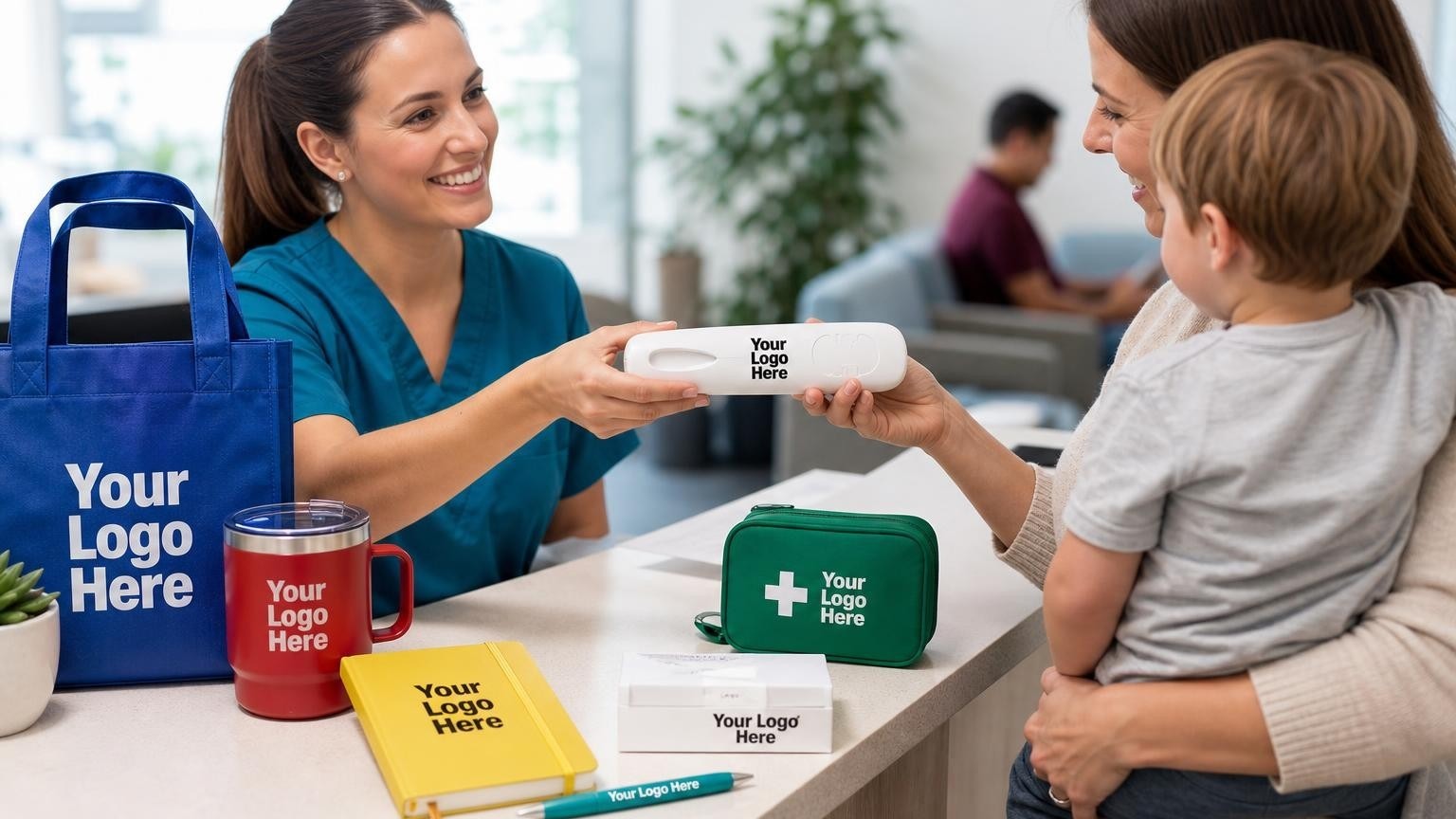
It is 5:15 PM on a rainy Tuesday when a frantic parent walks through your clinic doors holding a child with a sprained wrist. The child is crying, the parent is visibly stressed, and the waiting room is already half-filled with patients waiting for seasonal flu assessments. Instead of cold clinical silence or a frustrating delay, the front desk team is prepared. The receptionist greets them immediately, hands the parent a clipboard with intake forms, and offers the nervous seven-year-old a small, soft plush animal. Within seconds, the child's focus shifts from fear to curiosity, and the parent's shoulders drop in visible relief. This simple interaction changes the entire tone of the visit. It demonstrates that your facility is not just a cold medical stopover, but a compassionate neighborhood safety net. Managing an urgent care clinic requires balancing rapid patient throughput with deep empathy. By preparing your staff with tangible comfort items, you turn a high-stress emergency into an opportunity to build lifelong family loyalty.
How Urgent Care Clinics Build Patient Loyalty and Secure B2B Contracts
Community urgent care clinics build walk-in loyalty and secure lucrative employer partnerships by integrating high-quality promotional products from Myron into key patient touchpoints. To manage waiting room anxiety, clinics use soft-touch writing instruments and pediatric distraction tools during intake. For post-discharge care, practical wellness items like hot/cold therapy packs and pill boxes extend clinical support into the home. For B2B outreach, clinic directors present professional drinkware and first aid kits to local human resource managers and school athletic directors. Selecting durable, clinically appropriate items instead of cheap novelties ensures your clinic projects professional care, helping convert one-time walk-in patients into long-term neighborhood advocates and corporate partners.
- Health Care Products (hot/cold packs, digital thermometers)
- Economy Plastic Pens (soft-touch writing instruments)
- First Aid Kits & Dispensers (home recovery kits)
Avoid: Avoid cheap, flimsy plastic items that undermine the clinic's message of high-quality, professional medical care.
De-escalating Waiting Room Anxiety: Pediatric and Adult Comfort Touchpoints
Waiting room anxiety directly impacts patient satisfaction scores and staff stress levels. When patients arrive at an urgent care center, they are often in physical discomfort and highly anxious about wait times. The intake process is the first critical workflow where you can actively lower this tension. For pediatric patients, providing immediate tactile distraction tools creates a cooperative environment for medical staff before the physical exam even begins. A small plush toy or a simple coloring activity given at the reception desk can completely change a child's cooperative behavior during a throat swab or an X-ray. For adult patients, the administrative check-in is an opportunity to signal clinical professionalism. Offering a smooth-writing, comfortable pen for filling out medical history forms is a small but significant gesture. Instead of reclaiming a cheap, scratchy plastic pen, encourage patients to keep the pen as a sanitary precaution. This simple policy supports infection control while leaving a useful, high-quality tool in the patient's hand. By focusing on these early touchpoints, clinic managers can turn a tedious administrative step into a reassuring introduction to their clinical care.
Pediatric Comfort & Distraction
Calm nervous children during intake and physical examinations with soft, comforting plush toys and simple distraction activities.
Selecting the Right Tools for Clinical Workflows
Transitioning from clinical problems to physical solutions requires focusing on utility and hygiene. In an urgent care environment, every item distributed must align with medical standards and serve a clear purpose. Cheap, flimsy plastic items undermine your message of professional care. Instead, consider items that support daily health management or administrative efficiency. For the front desk, look at high-quality promotional pens that offer a comfortable grip and reliable ink flow, ensuring a positive experience during form completion. For patient comfort and clinical utility, wellness and recovery essentials like hot/cold gel packs, digital thermometers, and custom pill boxes provide practical value that patients will use long after they leave your facility. These items keep your clinic's contact details close at hand in the household utility drawer or medicine cabinet, ready for the next time an unexpected health need arises.
The Discharge Hand-Off: Extending Care with Home Recovery Kits
The moment of discharge is the peak of patient gratitude and the ideal time to solidify long-term loyalty. When a patient is cleared to go home, they are often focused on recovery instructions and managing their symptoms. This is where your clinic's commitment to care can extend beyond the physical building. Assembling 'Get Well' kits is an excellent operational strategy to ensure patients follow their recovery plans. These kits can be distributed by discharge coordinators at the final check-out desk. For example, a kit might include a custom hot/cold therapy gel pack for a sprained joint, a seven-day pill organizer for managing temporary prescriptions, and a sheet of clear post-care instructions. Packaging these items together provides immediate, practical utility during home recovery. This approach is highly effective across different clinic formats, including independent neighborhood walk-in clinics, multi-site regional urgent care networks, hospital-affiliated urgent care centers, and dedicated pediatric urgent care facilities. When a parent uses a branded digital thermometer to monitor a child's fever at home, or an adult reaches for a cold pack, they are reminded of the thorough, compassionate care they received at your facility.
Patient Discharge & Home Recovery
Provide practical recovery tools packaged in a reusable tote bag upon clinic exit to support home recovery and long-term recall.
Selecting the Right Touchpoint for Every Urgent Care Scenario
To help clinic managers choose the most appropriate items for their specific operational needs, the table below outlines key scenarios and product recommendations:
| Urgent Care Scenario | Primary Recipient | Recommended Product Type | Operational Goal |
|---|---|---|---|
| Pediatric Intake & Exam | Children (Ages 3-10) | Small plush animals or coloring books | Distract and calm during physical exams |
| Administrative Check-In | Adult Patients & Guardians | Soft-touch metal pens with stylus | Maintain hygiene and ease form completion |
| Post-Discharge Recovery | Patients with acute injuries | Hot/cold therapy gel packs | Support home recovery and pain management |
| Seasonal Flu Clinics | Local community members | Hand Sanitizer & Lip Balm | Promote wellness and drive seasonal clinic visits |
| B2B Employer Outreach | HR Directors & Safety Officers | Insulated drinkware & First Aid Kits | Secure occupational health and screening contracts |
Securing B2B Partnerships: School Sports and Employer Health Outreach
Local employers, school athletic departments, and municipal services need reliable, fast partners for physicals, drug screenings, and occupational medicine. Winning these lucrative corporate contracts requires professional outreach that positions your urgent care clinic as an organized, high-caliber partner. When presenting your services to local human resource directors or school athletic coordinators, generic marketing brochures are easily discarded. Instead, present a professional gift that reflects the quality of your clinical operations. Gifting a high-quality insulated tumbler or a structured first aid kit during an occupational health presentation keeps your clinic top-of-mind when the employer needs to coordinate annual workplace wellness events or post-accident drug screenings. For school athletic departments, providing coaches with branded sports squeeze bottles or cooling towels ahead of the summer sports physical rush ensures your clinic is the first choice for parents needing rapid, walk-in clearance for their student-athletes. This proactive outreach helps build a steady stream of predictable, scheduled B2B revenue that balances the unpredictable nature of daily walk-in patient volumes.
B2B Occupational Health Outreach
Secure physical and drug-screening contracts with local employers and school athletic departments using high-quality writing instruments.
Strategic Investment Tiers for Urgent Care Marketing
To help clinic managers allocate resources effectively, promotional and operational items can be organized into three distinct investment tiers based on the target audience and distribution volume:
- Good (High-Volume Community Distribution): Focus on low-cost, high-utility wellness items for seasonal health fairs, flu shot campaigns, and daily front-desk intake. Practical options include economy plastic pens, pocket-sized hand sanitizers, and custom lip balms. These items are ideal for broad community reach without straining the clinic's operating budget.
- Better (Patient Recovery & Pediatric Comfort): Invest in mid-range items that directly support patient care and clinical workflows. Excellent choices include custom-branded hot/cold therapy gel packs, seven-day pill organizers, and small plush toys for pediatric distraction. These items are distributed selectively during discharge or intake to improve patient satisfaction scores.
- Best (B2B Corporate Outreach & High-Value Partners): Reserve premium, durable items for local business owners, HR directors, and school athletic coordinators. High-quality insulated stainless steel tumblers, comprehensive multi-item first aid kits, and professional office accessories project clinical excellence and help secure long-term occupational health contracts.
Operational Insights for Clinic Managers: Sourcing and Distribution
Based on Myron's experience helping organizations plan custom event merchandiseBased on experience helping healthcare organizations plan custom wellness merchandise, Myron's team has gathered practical operational insights to ensure your promotional investments support daily clinic workflows:
- Prioritize flat, space-efficient items: Urgent care clinics typically have limited storage space. Items like flat hot/cold packs, magnets, and individually wrapped sanitizers stack easily in compact supply closets and are easy for staff to retrieve from under-counter shelves.
- Focus on easy-to-wipe materials: Infection control is paramount. Choose items made from hard plastics, silicone, or metal that can be quickly wiped down with clinical disinfectants if they are handled in the waiting area.
- Pre-package discharge kits for efficiency: To prevent bottlenecks at the check-out desk, have clinic volunteers or administrative staff pre-assemble home recovery kits into reusable bags during low-volume morning hours.
- Print clear contact details and hours: Unlike general branding campaigns, urgent care marketing relies on immediate access. Always print your clinic's phone number, website, and walk-in hours clearly on items like magnets or first aid kits that will be stored in the home.
- Order seasonal items three months in advance: To capture the back-to-school sports physical rush and the autumn flu shot season, place orders for custom sports bottles and wellness kits in May or June to ensure timely delivery and staff preparation.
Common Pitfalls in Urgent Care Promotional Purchasing
When sourcing items for a medical environment, clinic managers often make critical purchasing mistakes that can inadvertently damage their brand's reputation:
- Distributing low-quality pens at check-in: Buying the cheapest bulk plastic pens to save money often backfires when patients try to sign consent forms with scratchy, leaking ink. This projects an image of careless operations. Instead, provide comfortable, smooth-writing pens that patients are actively encouraged to take home as a sanitary precaution.
- Ignoring pediatric anxiety in the waiting room: Focusing solely on clinical throughput while neglecting crying children disrupts the entire waiting environment. Keeping a dedicated stock of small, branded plush toys or coloring sheets at the front desk immediately calms both the child and the parent, improving the experience for everyone in the room.
- Using generic giveaways for corporate outreach: Handing a local HR director a cheap plastic keychain during an occupational health pitch fails to reflect the professional standards of your medical staff. For B2B partners, invest in high-quality drinkware or structured first aid kits that demonstrate your commitment to professional excellence.
Frequently Asked Questions About Urgent Care Promotional Items
What are the most sanitary promotional items for an urgent care clinic environment?
Clinical safety is the top priority in any urgent care setting. The most sanitary options include individually packaged items, antimicrobial pens, and products made from non-porous materials like silicone or hard plastics that can be easily disinfected. To distribute them safely, keep items stored in closed boxes behind the reception desk and hand them directly to patients, rather than placing them in open, communal bins where multiple hands can touch them.
How can we use branded items to promote our seasonal flu shot clinics?
To drive volume for seasonal flu shot clinics, start your outreach in late summer. Distribute practical, high-utility wellness items like pocket tissues, hand sanitizers, and lip balms to local businesses, community centers, and schools. Ensure these items are printed with your clinic's walk-in hours and a clear call to action, such as 'Walk-In Flu Shots Available Daily,' making it easy for community members to choose your facility.
What items work best for local school sports physical campaigns?
The summer sports physical rush is a major opportunity to introduce new families to your clinic. Practical athletic items like custom sports squeeze bottles, cooling towels, and compact first-aid kits work best. Partner with local youth sports leagues and high school athletic directors to distribute these items during registration, ensuring your clinic's logo, phone number, and walk-in hours are highly visible to parents.
Building a Trusted Neighborhood Safety Net
Every physical touchpoint in your urgent care clinic is an opportunity to build lasting neighborhood trust and secure valuable community partnerships. From the moment a stressed parent receives a pediatric comfort item during intake to the hand-off of a practical home recovery kit at discharge, these tangible details show that your clinic's commitment to care extends far beyond the examination room. As you prepare for the upcoming autumn flu shot and school sports physical season, consider how high-utility items can improve your patient experience and strengthen your local B2B outreach. Partner with Myron to select professional, patient-approved items that reflect the high standards of your medical care and help turn one-time walk-ins into loyal, lifelong patients.