


Sustainable Promotional Products for Conservation Organizations
A strategic guide for land trusts and environmental organizations on selecting durable, certified sustainable gear that satisfies eco-conscious supporters and survives rugged field conditions.
10 min read
Conservation organizations build lasting community trust and donor loyalty by choosing durable, eco-friendly promotional products from Myron that reflect their commitment to environmental stewardship. Strong choices include certified recycled drinkware, organic cotton canvas bags, and sustainable planting kits. Order at least 2-3 months prior to major spring cleanup seasons, fall donor galas, or annual membership drives. Avoid cheap, single-use plastics, excessive packaging, and low-durability items that quickly end up in landfills.
The Trailhead Handshake: Where Land Stewardship Meets Tangible Appreciation
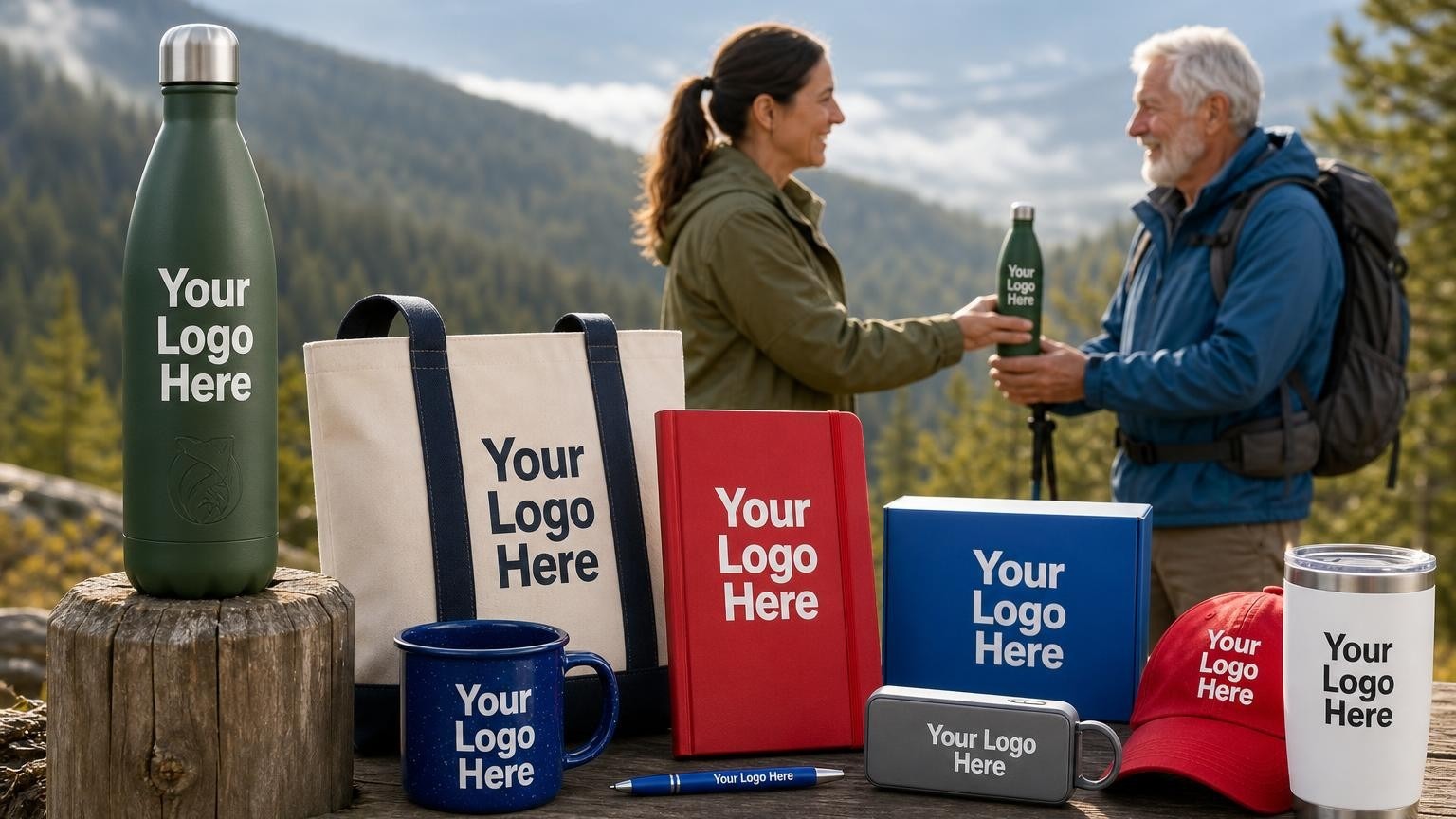
A conservation director stands at a newly acquired trailhead, handing a rugged, recycled-material water bottle to a major donor whose contribution secured the parcel. The morning mist rises off the newly protected watershed, casting a soft light over the ancient pines. Mud clings to the director's boots, a testament to a pre-dawn boundary survey. The donor grips the bottle, feeling its solid weight and durable powder-coated finish. This is not a cheap plastic giveaway; it is a physical extension of the land trust's commitment to permanence. In this moment, the physical item bridges the gap between financial support and physical land preservation. It is a quiet, reliable symbol of stewardship that will ride in the donor's pack for decades, surviving rugged trail monitoring trips and public meetings alike. When an organization's core mission is environmental preservation, every physical object it distributes must reflect those exact values. Flimsy items that break immediately contradict the message of sustainability, while high-quality, long-lasting gear mirrors the permanent nature of land conservation.
The Strategic Blueprint for Conservation Branding
Conservation organizations build lasting community trust and donor loyalty by choosing durable, eco-friendly promotional products from Myron that reflect their commitment to environmental stewardship. To satisfy high environmental standards and avoid accusations of greenwashing, land trusts and wildlife preserves should prioritize certified recycled materials, organic cotton, and highly durable items that prevent landfill waste. Key applications include sophisticated member welcome kits, rugged volunteer trail crew apparel, and understated partner appreciation gifts. Focus on high-utility items like reusable canvas totes, certified recycled drinkware, and sustainable planting kits that align with land preservation values.
- Certified recycled drinkware
- Organic cotton canvas bags
- Sustainable planting kits
Avoid: Cheap, single-use plastics, excessive packaging, and low-durability items that quickly end up in landfills.
Designing the Perfect Member Welcome Kit: Onboarding Generational Donors
When a regional watershed protection alliance, a multi-county forest land trust, or a coastal wetland preservation society launches an annual spring membership drive, the first physical touchpoint is critical. Generational donors and recurring supporters expect their funds to be used responsibly, meaning any physical item they receive must carry clear ecological justification. Mailing a flat-pack seed packet and a heavy-duty organic cotton tote to a new monthly donor is a classic, highly effective onboarding strategy.
Using Myron's selection of sustainable promotional products ensures that the materials match the organization's environmental standards. For example, a welcome kit might feature custom promotional seed packets that encourage supporters to plant native wildflowers in their own backyards, directly connecting the physical gift to the broader conservation mission.
These items are often stored in rustic field offices, unheated outdoor sheds, or the trunks of staff vehicles. This operational reality means materials must be resistant to temperature fluctuations and humidity. Avoid delicate paper goods that warp or cheap adhesives that fail in storage. Instead, choose items like flat, easily stackable seed kits and durable fabric bags that remain pristine until they are distributed at a community education event or mailed directly to a supporter's home.
The Sustainable Donor Welcome Kit
A sturdy tote bag and native seed packet serve as the perfect container for your welcome kit, ensuring your brand remains visible long after the initial unboxing.
Equipping the Frontlines: Durable Gear for Volunteer Crews and Field Staff
Volunteer trail crews and field biologists represent the physical presence of a land trust in the community. During a watershed cleanup along a muddy riverbank or a grueling weekend of trail maintenance, these individuals face harsh outdoor conditions. Providing flimsy or single-use items in these settings is a major operational mistake; gear must survive rain, mud, and rough handling to be of any practical use.
When preparing for the spring trail maintenance season, volunteer coordinators often look for meaningful ways to build team identity while protecting their crew. Handing out durable promotional blankets at the end of a cold, damp trail-building day provides immediate physical comfort and a lasting token of appreciation. Additionally, distributing small, durable custom buttons that volunteers can pin to their packs or hats helps build a sense of shared identity and pride during public-facing events.
By selecting rugged, field-tested items, organizations ensure that their appreciation gifts do not quickly end up in a landfill. A high-quality blanket or a weather-resistant button remains in use for years, serving as a recurring reminder of the volunteer's contribution to land preservation. This long-term utility is exactly what eco-conscious volunteers respect, reinforcing their decision to return for future cleanup and restoration days.
The Field-Ready Hydration Pack
Provide your field teams with durable drinkware that eliminates single-use plastics and keeps water cold during long hot days on the preserve.
Selecting Field-Tested Materials That Match Your Ecological Mission
Conservation directors face a unique challenge: every item distributed by the organization is scrutinized by an environmentally conscious audience. If a land trust hands out low-quality items that break quickly, it risks damaging its credibility and facing accusations of greenwashing. To solve this problem, organizations must focus on material integrity and long-term utility.
Instead of high-volume disposable items, consider products made from certified recycled plastics, organic cotton, or FSC-certified wood. For example, choosing sustainable options made from post-consumer recycled materials directly supports the circular economy. For public outreach campaigns, seed-paper bookmarks offer an interactive, zero-waste alternative to traditional paper flyers.
When planning volunteer recognition or staff milestones, choosing high-utility items like volunteer appreciation gifts ensures that your budget is spent on items that volunteers will actually use in their daily lives. By focusing on products that replace single-use alternatives, your promotional strategy becomes an active extension of your environmental mission.
Comparing Sustainable Gear Options by Conservation Use Case
To help your organization select the right items for different audiences, the table below outlines key conservation use cases, recommended product types, and their specific operational benefits.
| Conservation Use Case | Recommended Product Type | Operational Benefit & Durability |
|---|---|---|
| Volunteer Trail Cleanups | Heavy-duty organic cotton canvas bags | Replaces single-use plastic bags, resists tearing on branches, easily washed. |
| Major Donor Site Tours | Laser-engraved copper-insulated thermoses | Keeps drinks hot during cold field visits, provides an elegant, non-commercial thank-you. |
| Public Outreach & Festivals | Certified recycled-plastic pens & seed packets | Low-cost, zero-waste options that align with environmental messaging. |
| Annual Board & Land Partner Meetings | FSC-certified wood notebooks & bamboo pens | Professional appearance for formal meetings, demonstrates commitment to sustainable forestry. |
Selecting the appropriate item for each specific scenario ensures that your promotional budget is used effectively while reinforcing your ecological message.
Structuring Your Conservation Gear Budget: From Grassroots to Major Donors
Managing a conservation budget requires careful stewardship of public and private funds. To help organizations allocate their resources effectively, promotional gear can be structured into three distinct tiers based on the target audience and event scale:
- Grassroots Community Outreach (High Volume, Broad Distribution): Focus on lightweight, low-cost, and highly sustainable items that introduce your brand to the public without creating waste. Excellent options include custom promotional seed packets, recycled-paper bookmarks, and custom promotional magnets that supporters can display on their refrigerators.
- Volunteer and Member Appreciation (Mid-Range, High Utility): Designed for active supporters who commit their time or recurring financial support. These items must be durable enough for outdoor use. Practical choices include heavy-duty organic cotton canvas totes, custom volunteer appreciation gifts like weather-resistant water bottles, and warm blankets for post-cleanup comfort.
- Sophisticated Donor and Land Partner Recognition (High-End, Understated Elegance): Reserved for key contributors who secure land easements or provide significant capital. These items should feature subtle, elegant branding like laser engraving or tone-on-tone embroidery. Ideal selections include copper-insulated stainless steel thermoses, FSC-certified wood writing sets, and high-end weather-resistant field jackets.
Rugged Volunteer Apparel
Keep volunteers comfortable and protected from the elements with warm blankets and custom buttons during public-facing events.
First-Party Insights: Fulfilling Gear Orders for Land Trusts and Wildlife Preserves
Based on Myron's experience helping organizations plan custom event merchandiseBased on experience helping organizations plan custom event merchandise, Myron's team has gathered practical operational insights that can help conservation directors avoid common purchasing pitfalls:
- Subtle Branding Wins with Major Donors: High-net-worth land donors prefer understated designs. Opt for laser engraving on metal or tone-on-tone embroidery on apparel rather than large, brightly colored screen prints. A subtle logo makes the item far more likely to be worn or used in public.
- Flat-Pack Items Simplify Mailings: For remote member onboarding, choose flat, lightweight items like seed packets, magnets, or flat-pack notebooks. This significantly reduces postage costs and prevents shipping damage without requiring bulky packaging.
- Prioritize Temperature-Resistant Materials: Because conservation gear is frequently stored in unheated field offices, outdoor sheds, or vehicle trunks, avoid items with cheap adhesives or thin plastics that can warp, crack, or degrade under extreme heat or cold.
- Double-Check Material Certifications: Savvy environmental supporters will look for proof of sustainability. Choosing products with verified recycled or organic certifications protects your organization's credibility and prevents accusations of greenwashing.
- Plan Orders Around Seasonal Field Windows: Order your spring cleanup and trail maintenance gear at least 8 to 12 weeks in advance. This allows ample time for custom proofing and ensures your gear arrives well before the first volunteer crew heads into the field.
How to Choose the Right Item
- Material CertificationVerify if the product carries certified recycled, organic, or sustainable material credentials to protect your organization's ecological credibility.
- Field DurabilityAssess if the item can survive exposure to water, dirt, and rough handling in outdoor field conditions without breaking or warping.
- Utility vs. WasteEnsure the item serves a clear, recurring purpose for the recipient to prevent it from quickly ending up in a landfill.
Common Mistakes to Avoid
- Prioritizing low cost over environmental credentials.Tight budgets can lead coordinators to buy cheap, uncertified items, which alienates eco-conscious supporters and risks greenwashing accusations.Better approach: Purchase fewer, higher-quality items that carry certified eco-friendly credentials and last for years.
- Choosing delicate items unfit for field use.Selecting standard office promotional items without considering that field staff and volunteers spend significant time outdoors in harsh weather.Better approach: Select rugged, weather-resistant, and highly functional outdoor gear like double-wall stainless steel drinkware.
- Over-branding with loud, commercial logos.Oversized, bright logos make premium items look like cheap advertisements, reducing the likelihood that major donors will wear or use them.Better approach: Use subtle, elegant, and durable branding methods like laser engraving or tone-on-tone embroidery.
Frequently Asked Questions About Conservation Promotional Gear
How can we ensure our branded promotional items align with our environmental mission?
Focus on certified recycled materials, organic cotton, and highly durable items that prevent landfill waste. Choosing products with verified environmental credentials, such as those in Myron's sustainable collection, helps maintain your organization's credibility.
What are the most cost-effective yet sustainable items for large-scale volunteer events?
Reusable cotton tote bags, recycled seed-paper notebooks, and aluminum sports bottles offer high utility at a manageable cost per unit. These items replace single-use plastics and provide ongoing visibility for your brand long after the event ends.
How should we brand items intended for high-net-worth land donors?
Opt for subtle, high-end branding like laser engraving on sophisticated metal or tone-on-tone embroidery on durable outdoor apparel. Major donors prefer sophisticated, understated designs over loud, commercial-looking logos, making them more likely to use the item regularly.
Protect What Matters, Brand What Lasts
Choosing the right promotional gear is more than a marketing decision for conservation organizations; it is a direct reflection of your commitment to land stewardship and environmental preservation. By prioritizing physical durability and certified sustainable materials, you ensure that every welcome kit, volunteer gift, and donor token mirrors the permanent nature of the lands you protect. As you prepare for your upcoming fall donor gala or plan the next seasonal trail cleanup, choose gear that stands up to the elements and respects your supporters' values. Explore Myron's selected range of sustainable promotional products to find field-tested options that protect your brand's ecological credibility and build lasting community trust.