


How Counseling Centers Use Comfort Welcome Kits to Build Trust
In a high-trust field like mental health, the physical details of your practice—from waiting room pens to milestone journals—are essential clinical and operational tools.
9 min read
By partnering with Myron, counseling centers can use high-quality, tactile promotional items to establish immediate trust, ease client anxiety, and maintain full appointment books. Strong choices include soft-touch rubberized pens, debossed leatherette journals, and matte-finish ceramic mugs. Prior to peak seasonal stress periods like autumn (back-to-school) and the new year, or when launching new clinical groups. Avoid cheap plastic pens, neon colors, loud branding, and low-quality novelty items that compromise clinical professionalism.
The Threshold of Care: Designing the Waiting Room Experience
A client sits in a quiet waiting room, clutching a warm mug of tea and feeling the physical weight of a pen as they fill out intake forms. The soft hum of a white noise machine masks the quiet murmur of a session ending down the hall. For a first-time visitor, this room is the threshold of vulnerability. Every sensory detail matters. The scratch of a cheap, failing writing instrument against paper can amplify the subtle friction of anxiety. Conversely, a smooth-gliding, comfortable pen provides a small but grounding physical anchor. In high-trust environments like therapeutic practices, these quiet physical details are not mere office supplies. They serve as silent signals of safety, care, and professional structure. By focusing on tactile, comforting touchpoints, practice owners can ease the initial hesitation that often leads to intake drop-offs, establishing a foundation of trust before the first formal session even begins.
Establishing Immediate Trust in Clinical Settings
Counseling centers can ease client anxiety and build professional trust by integrating sensory-friendly, high-quality items into their clinical workflows. By partnering with Myron, practice owners can select thoughtfully designed tools—such as weighted writing instruments, soft-touch journals, and calming stress-relief items—that serve as physical grounding anchors during intake and session milestones. These refined touchpoints support client retention, protect clinical boundaries through subtle branding, and strengthen referral networks with Employee Assistance Programs (EAPs) and local employers.
- Soft-touch rubberized pens
- Debossed leatherette journals
- Matte-finish ceramic mugs
Avoid: Cheap plastic pens, neon colors, loud branding, and low-quality novelty items that compromise clinical professionalism.
The Intake Touchpoint: Lowering First-Session Anxiety
First impressions dictate therapeutic retention, making the waiting room experience a critical operational phase. When a new client arrives, their physiological stress response is often heightened. The simple act of completing intake paperwork can feel overwhelming. Providing a high-quality, comfortable writing instrument is a practical way to offer physical grounding during this stressful moment. Instead of a scratchy, lightweight plastic pen that feels disposable, placing a weighted, rubberized pen on the clipboard offers immediate tactile comfort. This small choice signals that the practice values the client's comfort and pays attention to detail.
To manage this touchpoint effectively, practice administrators should coordinate reorders ahead of high-volume seasonal intake periods, such as the autumn back-to-school surge or the post-holiday winter rush. Storing these items in neat, closed cabinets behind the reception desk keeps the waiting area clutter-free and maintains a serene, professional atmosphere. When selecting writing instruments for client intake and therapy sessions, choosing economy plastic pens with a soft-grip finish provides a reliable, comfortable writing experience without exceeding the practice's operational budget.
The First-Session Welcome Kit
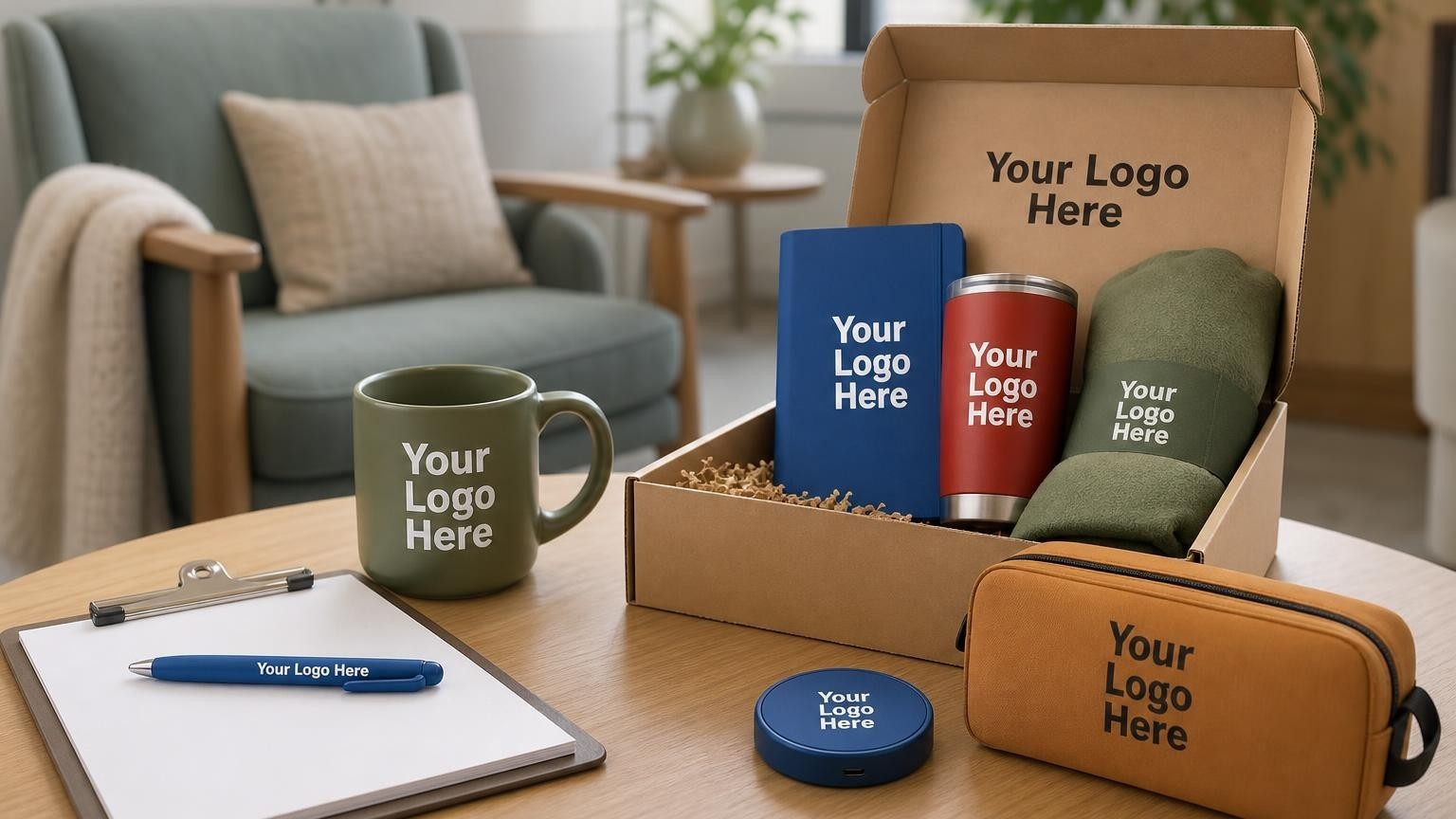
Given to new clients during intake to lower anxiety and provide immediate physical comfort.
Sensory Grounding and Stress Management Tools
In a clinical setting, promotional items must transcend generic marketing and serve a genuine therapeutic or operational purpose. Sensory grounding is a well-established clinical technique used to help anxious or overwhelmed clients return to the present moment by focusing on physical sensations. Tactile items with soothing textures are excellent tools for this practice. For example, soft-touch materials, matte finishes, and weighted objects provide calming sensory feedback. Counseling practices can introduce these items during sessions or as part of a welcome kit.
Using specialized stress management tools during cognitive behavioral therapy or mindfulness exercises allows clients to physically release tension. Similarly, providing health theme stress balls in the waiting room or during intake offers a discreet, quiet outlet for nervous energy. These items should feature subtle, tone-on-tone branding or minimalist designs to respect client privacy and maintain a professional, clinical-adjacent aesthetic.
Sensory Grounding Tools
Used to help anxious or neurodivergent clients physically release tension during sessions.
Celebrating Milestones and Program Graduations
Physical transitions and graduations are powerful psychological markers that reinforce long-term behavioral changes. Whether a client is completing a multi-week cognitive behavioral therapy program, graduating from an outpatient addiction clinic, finishing a youth play therapy sequence, or transitioning out of a specialized family counseling practice, marking these milestones with a tangible token can solidify their progress. A premium, lasting gift serves as a physical anchor of the coping strategies and resilience developed during their time in therapy. For instance, presenting a high-quality journal or an engraved pen at the final session provides a private, lasting reminder of their hard work.
To maintain strict clinical boundaries, these milestone gifts must focus on utility and personal reflection rather than overt, loud branding. A subtle, debossed design or a small, elegant engraving is far more appropriate than a bright, oversized logo. Therapists can hand-deliver these items directly at the end of the final session, framing the gift as a tool for continued self-reflection. Offering these thank you tokens at discharge reinforces the therapeutic alliance and provides clients with a lasting sense of accomplishment as they step into the next phase of their lives.
Comparing Touchpoints by Clinical Scenario
To assist practice owners in choosing the right tools for their clinical workflows, the following table outlines the recommended physical items for specific scenarios:
| Clinical Scenario | Recommended Touchpoint | Primary Purpose | Tactile & Design Requirements |
|---|---|---|---|
| First-Session Intake | Soft-grip weighted writing tools | Lower initial anxiety and ease paperwork completion | Muted colors, rubberized barrel, smooth ink flow |
| Waiting Room Comfort | Heavyweight matte ceramic mugs | Provide physical warmth and sensory grounding | Solid weight, comfortable handle, non-slip base |
| Group Therapy Milestone | Debossed soft-cover journals | Encourage self-reflection and homework tracking | Minimalist branding, high-quality paper, lay-flat binding |
| EAP Partner Outreach | Professional desk accessories | Maintain referral visibility with HR coordinators | Laser-engraved metal, classic colors, high utility |
| Staff Appreciation | Durable insulated travel tumblers | Support clinician comfort during long session blocks | Double-wall insulation, spill-resistant lid, subtle logo |
Tiered Selection for Practice Touchpoints
To help counseling practices allocate their operational budgets effectively, touchpoints can be organized into three distinct investment tiers based on the recipient and the clinical objective:
- Good (Entry-Level Utility): Focuses on high-volume, daily operational needs. This tier includes comfortable economy plastic pens for waiting room clipboards, simple custom magnets for emergency contact details, and basic hand sanitizers for the reception desk.
- Better (Mid-Range Comfort): Designed for active clients and group therapy participants. This tier features soft-touch journals for therapeutic homework, matte-finish ceramic mugs for waiting room hospitality, and specialized health theme stress balls for sensory grounding during sessions.
- Best (Premium Recognition): Reserved for clinical staff, major milestones, and key referral partners. This tier includes laser-engraved metal pens, professional leatherette padfolios for clinical note-taking, and high-end insulated travel tumblers for employee appreciation gifts to reward dedicated therapists.
B2B Partner Appreciation Gifts
Distributed to HR directors and EAP coordinators to maintain referral pipelines.
Practical Insights from Practice Outfitting
Based on Myron's experience helping organizations plan custom event merchandiseBased on experience helping organizations plan custom event merchandise and professional gifts, Myron's team has gathered practical operational insights for counseling practices:
- Subtle branding protects client privacy: Oversized or bright logos can cause clients to leave items at home. Opt for blind debossing or small, tone-on-tone laser engraving to ensure clients feel comfortable using journals and pens in public.
- Weight matters for sensory grounding: Lightweight, flimsy plastic items fail to provide the physical feedback needed to soothe anxious clients. Weighted metal pens and heavy ceramic mugs offer a reassuring physical presence.
- Muted color palettes reduce sensory overstimulation: Avoid neon or highly saturated colors. Instead, select calming, natural tones such as sage green, slate blue, warm taupe, and soft charcoal.
- Keep referral contact details accessible but professional: When distributing items to corporate EAP partners, place your direct referral phone number and website on high-utility desk items rather than apparel or novelty items.
- Store items in closed, organized spaces: To maintain a serene waiting room environment, store bulk inventory in closed cabinets. A cluttered reception desk can inadvertently increase client anxiety before their session.
How to Choose the Right Item
- Tactile SensitivityAsk: Does this item have a soothing, high-quality texture that aids in physical grounding? Anxious or neurodivergent clients are highly sensitive to physical textures and sensory inputs. Best options include soft-touch rubberized pens, matte ceramic mugs, and soft-cover journals.
- Discretion & PrivacyAsk: Can a client carry this item in public without feeling like their privacy is compromised? Mental health treatment still carries social stigma, and clients value discretion. Best options include subtly debossed journals, laser-engraved metal pens, and solid-color tote bags.
- Professional UtilityAsk: Does this item serve a genuine purpose in the client's daily life or therapeutic homework? High-utility items are kept longer, reinforcing the therapeutic relationship and practice visibility. Best options include daily reflection journals, durable writing instruments, and insulated travel mugs.
Common Mistakes to Avoid
- Prioritizing low cost over tactile quality.Practice owners try to save on overhead without realizing how cheap materials affect client perception. A client's pen scratching or leaking during a vulnerable intake session increases frustration and anxiety.Better approach: Invest in a smaller quantity of premium, weighted items that signal safety and professional care.
- Using overly loud, bright, or aggressive branding.Applying standard corporate marketing rules to a sensitive, high-trust clinical environment can compromise client privacy. A client may refuse to use a journal in public if it features a giant, bright neon logo.Better approach: Opt for subtle, tone-on-tone debossing or small, elegant laser engravings that respect client privacy.
- Distributing items without a clear therapeutic or operational purpose.Buying generic promotional products simply because they were on sale leads to waste. Handing out branded stress balls that feel juvenile rather than professional grounding tools can alienate clients.Better approach: Align every purchase with a specific touchpoint in the client or partner journey.
Frequently Asked Questions
How do we select promotional items that comply with clinical boundaries and ethical guidelines?
Choose items that focus strictly on client utility, comfort, and therapeutic support rather than personal lifestyle products. Opt for minimalist designs and subtle branding to ensure the item remains a professional tool rather than an inappropriate personal gift.
What are the best sensory-friendly materials for counseling center welcome kits?
Opt for soft-touch rubberized finishes, matte textures, and weighted metals that offer calming physical feedback. These materials provide immediate sensory grounding, helping to lower physiological anxiety symptoms during stressful moments.
How can we use branded items to increase Employee Assistance Program (EAP) utilization rates?
Provide HR departments with highly visible, functional desk items that feature your direct referral contact information. Keeping your practice top-of-mind with corporate wellness coordinators ensures a steady stream of client referrals throughout the year.
Building a Foundation of Trust
Managing the physical details of a counseling practice is an essential part of delivering high-quality clinical care. From the moment a nervous client picks up an intake pen to the day they receive a milestone journal at graduation, every touchpoint shapes their therapeutic experience. By selecting thoughtful, sensory-friendly items that respect client privacy and professional boundaries, you can build a high-trust environment that supports long-term retention. As you prepare for your next seasonal intake cycle or plan your annual corporate partner outreach, consider how small upgrades to your physical tools can make a lasting difference. Explore Myron's selection of professional, sensory-friendly writing instruments and journals to refine your practice's touchpoints.