


Culinary School Promotional Products & Student Kits Guide
A practical guide for culinary school directors on using professional-grade tools, durable uniforms, and strategic partner gifts to increase student retention and build industry prestige.
10 min read
Culinary schools use high-quality branded gear from Myron to establish professional standards during student onboarding and to secure vital industry relationships for alumni placements. Strong choices include professional-grade kitchenware, custom embroidered apparel, and heavy-duty tool bags and knife rolls. Order at least 8-12 weeks before the start of the fall and spring enrollment cohorts. Avoid cheap, non-food-safe plastic utensils, flimsy aprons, and generic corporate office promotional items.
Day One on the Line: The Arrival of the Culinary Cohort
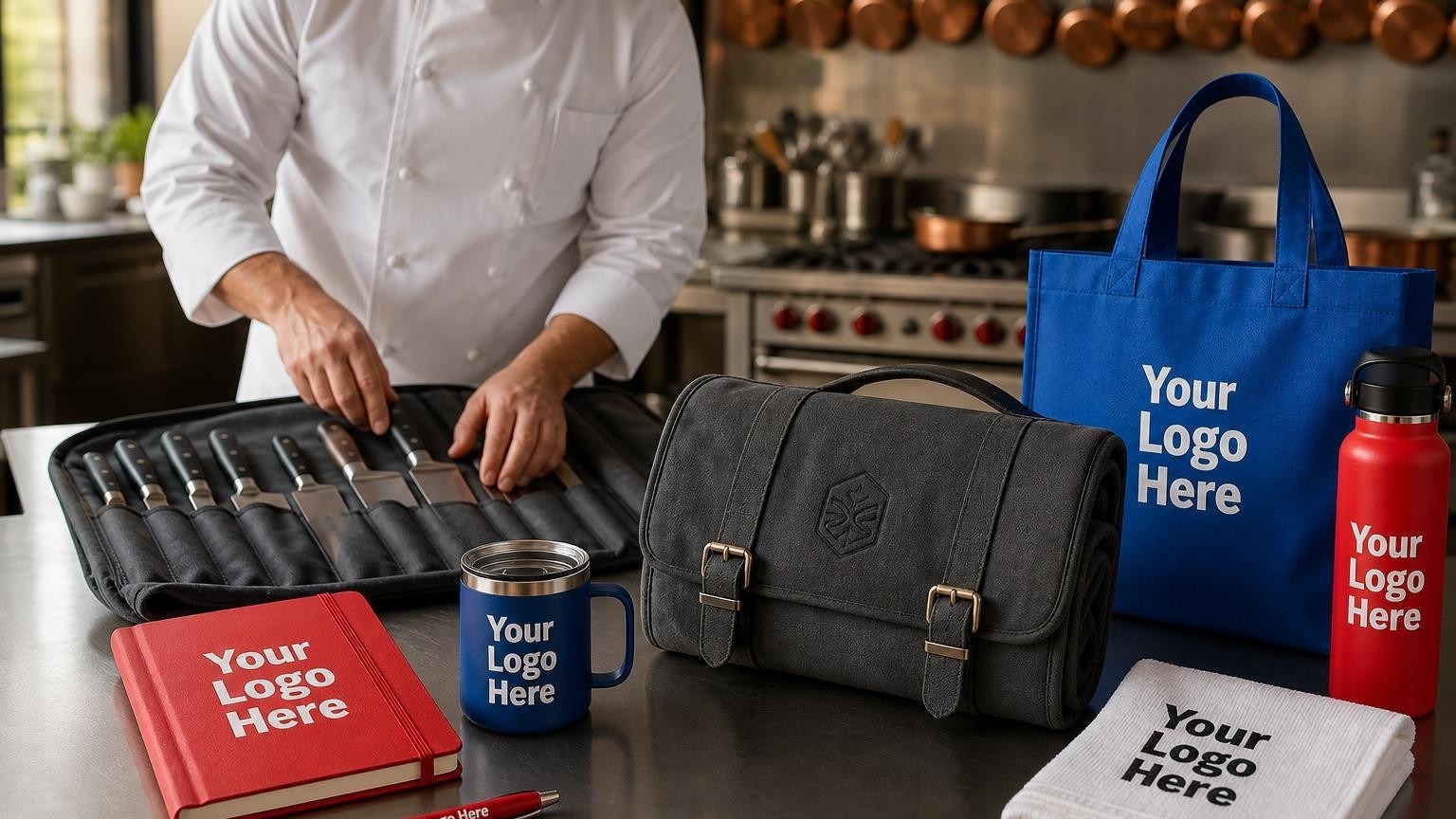
The air in the prep kitchen is thick with the scent of freshly starched cotton and the faint, metallic tang of cold steel. A new cohort of culinary students stands in neat rows, their eyes fixed on the stainless steel prep tables. Today is orientation, the moment they transition from home cooks to professional candidates. The admissions director steps forward, placing a heavy-duty, custom-embroidered canvas knife roll into the hands of each student. As they unbuckle the metal clasps and unroll the heavy fabric, the weight of the professional chef knives inside anchors their commitment. This is not a casual cooking class; it is the beginning of a rigorous career. Every tool they receive today must withstand the intense heat of the saucier station, the rapid-fire pace of the line, and the daily sanitizing cycles of a commercial kitchen. Providing these tools on day one establishes an immediate standard of professionalism and builds a deep sense of pride that helps combat early-semester attrition.
Quick Guide: Choosing Branded Gear for Culinary Schools
Culinary schools use high-quality branded gear from Myron to establish professional standards during student onboarding and to secure vital industry relationships for alumni placements. The most effective programs focus on durable, commercial-grade items:
- Enrollment Kits: Heavy-duty canvas knife rolls and food-safe kitchen utensils.
- Kitchen Apparel: Flame-resistant cotton chef coats and personalized aprons that withstand daily industrial washing.
- Partner Gifts: Laser-engraved cutting boards and high-end culinary tools for internship hosts.
To ensure kitchen safety and hygiene compliance, avoid cheap, non-food-safe plastic items and prioritize materials like high-grade stainless steel and high-temperature silicone. Orders should be placed 8 to 12 weeks before the start of fall and spring cohorts to allow for custom embroidery and engraving.
- Professional-grade kitchenware
- Custom embroidered apparel
- Heavy-duty tool bags and knife rolls
Avoid: Avoid cheap, non-food-safe plastic utensils, flimsy aprons, and generic corporate office promotional items.
Mise en Place for Enrollment: Designing High-Impact Student Welcome Kits
In a professional kitchen, "mise en place" means having everything in its proper place before service begins. For a culinary school admissions director, this concept applies directly to the student onboarding process. High student attrition during the intense early weeks of a semester is a constant challenge. When students receive a complete, professional-grade kit on day one, it acts as a physical anchor for their commitment. Whether managing a four-year culinary arts academy, a vocational high school kitchen lab, a pastry-specific institute, or a community college hospitality program, the onboarding experience sets the tone.
When selecting items for student kits, prioritize professional-grade kitchenware and culinary tools that withstand daily commercial use. A student's day-one kit should not feel like a collection of cheap promotional novelties. Instead, focus on functional items like laser-engraved digital kitchen scales, stainless steel tasting spoons, and high-temperature silicone spatulas. These tools are used daily during intensive kitchen lab exams and station prep. When a student uses a reliable, branded scale to measure ingredients for a pastry exam, they associate the precision of their training with the school's brand. Storing these items in a dedicated, secure bag ensures they remain organized and protected during the daily commute between home and the teaching kitchen.
Essential Student Enrollment Kits
Equip your new students on orientation day with their primary operational tools, including custom digital scales and stainless steel tasting spoons.
Selecting Food-Safe Tools for the Teaching Kitchen
Equipping kitchen labs with the right tools requires a strict focus on food safety and material durability. Standard promotional catalogs often feature items designed for casual home use, which quickly fail under commercial conditions. For culinary instruction, look for tools made from high-grade materials.
Stainless steel tasting spoons with subtle laser engraving are excellent for saucier classes, where students must constantly taste and adjust sauces. Branded digital meat thermometers are another practical option, ensuring students can verify internal temperatures during critical safety exams. For pastry arts programs, custom-printed silicone baking mats that can withstand temperatures up to 480 degrees Fahrenheit are highly useful. These items must be easy to sanitize in high-temperature commercial dishwashers without degrading or losing their branding. By focusing on utility and safety, you ensure that every branded item in the kitchen serves a direct educational purpose.
Kitchen-Ready Apparel: Outfitting Students and Staff for Commercial Realities
The uniform is the ultimate symbol of entry into the culinary profession. In a teaching kitchen, apparel serves multiple critical functions: it ensures physical safety, maintains strict hygiene standards, and projects a cohesive brand image to visitors and prospective students. Ensure your students look the part on the line with custom embroidered chef apparel designed for durability. Standard lightweight t-shirts have no place near open flames or bubbling stockpots. Instead, opt for heavyweight cotton chef coats with embroidered school crests. These coats provide a vital layer of protection against hot oil splatters and steam burns.
For daily kitchen lab work, heavy-duty canvas personalized aprons with reinforced stitching and adjustable brass hardware offer both protection and utility. Instructors and student leaders can be distinguished by using different colored aprons or specialized embroidery, helping to maintain clear lines of authority during busy, high-stress kitchen services. Moisture-wicking skull caps are also a practical choice for hot line environments, keeping hair secure while ensuring comfort during long shifts.
Professional Kitchen Uniforms
Outfit students and instructors for daily kitchen lab safety and brand consistency with heavy-duty embroidered aprons.
Comparing Culinary Gear Options by Operational Need
Choosing the right gear requires balancing durability, safety, and budget. The table below compares common branded items based on their primary kitchen application and material benefits.
| Gear Category | Primary Kitchen Application | Key Material Benefit | Best Recipient Group |
|---|---|---|---|
| Heavyweight Chef Coats | Daily kitchen lab instruction and hot line work | Flame-resistant heavyweight cotton protects against steam and splatters | Incoming culinary and pastry students |
| Reinforced Canvas Aprons | Prep work, dishwashing, and general station maintenance | Heavy-duty weave with reinforced stitching resists tearing and stains | Student cohorts and kitchen staff |
| Laser-Engraved Scales | Pastry arts, baking labs, and portion control exams | High-precision sensors with easy-to-clean glass or metal surfaces | Pastry specialization students |
| Stainless Steel Spoons | Saucier classes, tasting stations, and plating | Food-safe, corrosion-resistant metal that survives commercial dishwashers | All students and culinary instructors |
Alumni and Partner Appreciation: Building the Placement Network
A culinary school's reputation is ultimately judged by its placement rate. Securing internships and permanent positions at top-tier restaurants, luxury hotels, and corporate dining facilities requires maintaining strong, active relationships with executive chefs and restaurant groups. Show appreciation to your restaurant partners with elegant custom cutting boards or high-end culinary tools that reflect the prestige of your institution. When an executive chef receives a beautifully crafted, laser-engraved hardwood cutting board, it is not just a gift; it is a symbol of professional respect.
These items are often displayed in restaurant offices or used during private chef's table events, keeping your school top-of-mind when hiring needs arise. Similarly, presenting graduating students with specialized keepsakes during graduation and moving up ceremonies builds lifelong brand ambassadors. When alumni enter commercial kitchens carrying high-quality gear bearing your school's name, they carry your reputation with them, opening doors for future cohorts.
Elite Partner & Alumni Gifts
Express appreciation to restaurant sponsors and internship hosts with high-end, laser-engraved hardwood cutting boards.
Culinary Gear Investment Tiers: Good, Better, Best
Managing institutional budgets requires flexible options that do not compromise on kitchen safety or professional standards. Here is how to structure your gear investments based on program needs:
- Good (Essential Lab Supplies): Focus on high-volume, daily-use items. This includes lightweight cotton aprons, basic stainless steel tasting spoons, and custom-printed silicone baking mats. These items are perfect for introductory courses or short-term recreational programs.
- Better (Standard Student Cohort Kits): Designed for full-time professional certificate students. This tier includes heavyweight cotton chef coats, heavy-duty canvas aprons with reinforced pockets, and laser-engraved digital kitchen scales.
- Best (Elite Graduate & Partner Presentation): Reserved for graduating seniors, advisory board members, and key placement partners. This tier features laser-engraved professional chef knives in presentation boxes, elegant hardwood cutting boards, and leather-bound recipe binders.
First-Party Insights: Sourcing Culinary Gear That Survives the Line
Based on Myron's experience helping organizations plan custom event merchandiseBased on experience helping organizations plan custom culinary merchandise, Myron's team has gathered practical operational insights for managing teaching kitchen inventory:
- Prioritize High-Heat Resistance: Any tool used near the line must be rated for high temperatures. Cheap plastic spatulas or scrapers will melt or chip, creating physical contamination risks in student kitchens.
- Opt for Embroidery Over Print on Apparel: Screen-printed logos quickly crack and peel under the high heat and harsh chemicals of commercial laundry services. Embroidery holds its color and structure through hundreds of washes.
- Choose Flat, Stackable Items for Storage: Teaching kitchens have limited storage space. Selecting flat, stackable items like cutting boards and silicone mats makes inventory management in central linen closets much easier.
- Verify Food-Safe Compliance Early: Ensure all branded kitchenware is certified food-safe and BPA-free before ordering. Standard corporate promotional items rarely meet strict health department codes.
- Plan for Late Registrants: Always order a baseline quantity of student kits 8 to 12 weeks before the semester starts, adding a 10% buffer to accommodate last-minute enrollments without delaying their day-one experience.
Common Purchasing Mistakes in Culinary Education
Avoiding common ordering errors ensures your budget is spent efficiently and your students remain safe.
- Prioritizing Low Cost Over Commercial Durability: Tight academic budgets often lead buyers to choose cheaper promotional items. However, buying thin polyester aprons that melt near open flames instead of heavy-duty flame-resistant cotton aprons is a serious safety hazard and leads to frequent, costly replacements.
- Ordering Gear Too Close to the Cohort Start Date: Unpredictable final enrollment numbers often cause delayed ordering. Waiting until orientation week to order custom-embroidered knife rolls results in students starting classes without their essential tools, disrupting the curriculum.
- Neglecting Food-Safety Compliance: Sourcing from generic promotional catalogs that do not specialize in kitchen-safe materials can lead to distributing cheap plastic scrapers that chip easily, risking physical contamination in student labs. Always verify material safety data sheets before finalizing orders.
How to Choose the Right Item
- Heat & Wash DurabilityAsk if the item can survive daily commercial dishwashing and temperatures exceeding 200 degrees. Prioritize stainless steel and high-temp silicone.
- Student MobilityEnsure tools are easily transportable. Choose buckled canvas knife rolls or padded backpacks with dedicated tool slots for daily commutes.
- Industry Presentation ValueEvaluate if an executive chef would respect the gift. Choose laser-engraved hardwood cutting boards or professional chef knives in presentation boxes.
Frequently Asked Questions About Culinary School Gear
How do we ensure our branded kitchen tools meet professional safety standards?
Select items made from food-safe materials like high-grade stainless steel, BPA-free plastics, and high-temperature silicone. Always verify that the supplier provides commercial-grade items that comply with local health department codes.
What is the best way to distribute enrollment kits to incoming cohorts?
Package all items into a single, durable branded gear bag or knife roll to distribute during orientation check-in. This simplifies the registration process and prevents chaos in the busy prep kitchens on day one.
Can we customize uniforms with individual student names cost-effectively?
Yes, using Myron's high-quality embroidery services for standard school logos combined with structured batch ordering is highly efficient. For individual personalization, consider batching orders by cohort or using removable name badges for high-turnover roles.
Setting the Standard for the Next Generation of Chefs
Investing in professional-grade, branded culinary gear is not merely about promotion; it is an essential operational choice that builds student pride, ensures kitchen safety, and projects an elite brand image to the wider restaurant industry. As you prepare for your upcoming fall or spring cohort intake, ensure your students and instructors are equipped with tools that reflect the high standards of your curriculum. Talk to our team about custom uniform programs customized to your curriculum, or request a sample of our durable canvas aprons to test in your kitchens. Let Myron help you prepare your students for success on the line from day one.