


Dermatology Clinic Promotional Products & Patient Kit Guide
A strategic guide for practice managers on selecting clinical-grade patient kits, sun safety giveaways, and professional physician referral gifts.
11 min read
Dermatology clinics use high-quality promotional products from Myron to improve patient compliance, support sun-safety education, and strengthen physician referral networks. Strong choices include personal care & sunscreen, high-Quality bags & totes, and executive pens & writing. Order at least 6-8 weeks prior to Skin Cancer Awareness Month (May) or peak summer/winter seasonal transitions. Avoid low-quality plastic novelties, non-regulated sunscreens, and cluttered, unprofessional branding.
The First Impression: Redefining the New Patient Welcome Experience
A patient walks out of a high-end dermatology clinic holding a generic plastic bag of sample creams, missing a critical opportunity to build lasting brand recall. Meanwhile, a neighboring clinic uses custom-branded UV-protection kits to turn every outdoor activity into a walking billboard. The practice manager watches from the reception desk as a newly onboarded cosmetic client balances a folder of post-procedure instructions, a business card, and three loose sample tubes of recovery gel. One tube slips, rolling across the polished tile floor. It is a small moment, but it breaks the sense of clinical precision the medical team worked so hard to establish during the consultation. In a medical specialty where patient trust and compliance are paramount, the physical handoff of materials matters. Transitioning from generic, single-use packaging to structured, professional-grade presentation items changes how patients perceive the care they receive. When a clinic provides a durable, beautifully designed container for post-treatment care, it signals that the patient's recovery is just as important as the procedure itself. This simple shift in presentation bridges the gap between clinical excellence and the patient's daily routine at home.
Selecting the Right Promotional Strategy for Your Dermatology Practice
Dermatology clinics use high-quality promotional products from Myron to improve patient compliance, support sun-safety education, and strengthen physician referral networks. Rather than relying on generic office novelties, successful practices focus on clinical-grade personal care items like custom-labeled sunscreens, protective lip balms, and structured zippered pouches for post-procedure recovery kits. These functional items serve as daily reminders of clinical expertise, encouraging patients to follow their treatment plans while keeping the clinic's name visible in the community. For professional outreach, practices choose executive-grade writing instruments and desk accessories that keep their referral information readily accessible to primary care doctors.
- Personal Care & Sunscreen
- High-Quality Bags & Totes
- Executive Pens & Writing
Avoid: Low-quality plastic novelties, non-regulated sunscreens, and cluttered, unprofessional branding.
Post-Procedure Recovery: Structuring the Discharge Experience
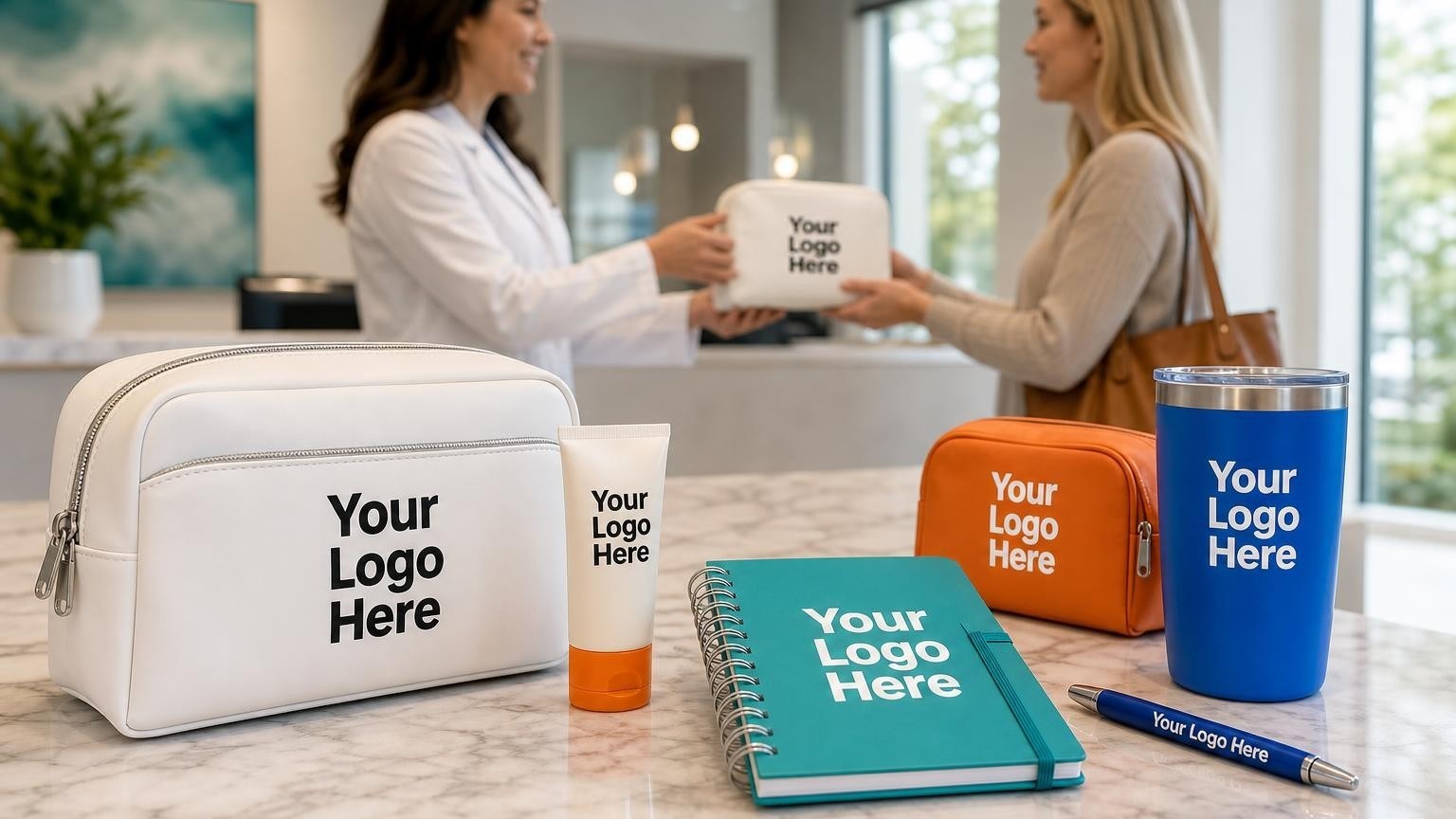
In high-volume cosmetic clinics, medical spas, and surgical dermatology centers, the discharge process is a critical operational step. When a patient completes a laser resurfacing treatment, a deep chemical peel, or a micro-needling session, their skin is highly sensitive, and their anxiety regarding proper recovery is high. Handing them loose tubes of ointment in a flimsy plastic bag cheapens the clinical experience. Instead, practice managers organize structured recovery kits using zippered travel cases. Inside, staff place written post-care instructions, a clinical skincare planner, and custom clinical personal care products like soothing lotions. This physical package acts as a structured guide for the patient's recovery routine at home. When the patient places this organized pouch on their bathroom vanity, it serves as a daily, professional reminder of the clinic's meticulous standards. This structured handoff directly supports patient compliance during the critical first seventy-two hours post-treatment, ensuring they follow the exact recovery steps outlined by their dermatologist. By replacing single-use plastic with reusable, high-end packaging, the clinic turns a routine discharge into an ongoing branding opportunity that travels with the patient during their daily routines. Clinical staff can pre-assemble these recovery kits during slower morning hours, ensuring they are fully stocked and ready at the checkout counter. This preparation reduces patient wait times and allows the front-desk team to focus entirely on scheduling the follow-up appointment. When the patient receives this cohesive package, the visual organization reduces their post-procedure anxiety, replacing confusion with clear, structured steps.
Patient Post-Procedure Care Kits
Package post-treatment creams, instructions, and soothing balms in a durable zippered canvas pouch. This professional presentation supports patient compliance and keeps your practice's contact details visible on their vanity.
Clinical Utility First: Selecting Health-Aligned Patient Giveaways
To maintain a professional reputation, dermatology practices must avoid cheap novelty items that do not align with medical care. Every item distributed should serve a clear clinical or educational purpose. For daily patient interactions, custom clinical personal care products are highly effective. Rather than generic pens, consider handing out custom clinical personal care products like protective lip balms during routine skin checks. These items are used daily, keeping your practice's contact details visible on a patient's nightstand or in their purse. For seasonal wellness campaigns, customized sun screen is a natural extension of a dermatologist's daily advice. When a patient receives a custom-branded sunscreen tube, they carry your clinic's recommendation to golf courses, parks, and beaches. This approach turns a simple educational tool into an active, community-wide billboard for your practice's commitment to skin health. By focusing on products that directly support skin health, clinics ensure their promotional efforts feel like an extension of their medical care rather than a commercial distraction. Whether operating a pediatric dermatology clinic, a specialized Mohs surgery center, or a high-end cosmetic practice, matching the product to the patient's specific clinical needs is key. For example, a pediatric clinic might distribute fun, educational items, while a surgical center focuses on scar recovery tools. This targeted approach ensures that every item distributed has high utility and directly supports the patient's health journey.
Sun Safety Campaigns: Merging Patient Education with Active Practice Visibility
The transition into late spring represents a major decision trigger for dermatology practice managers. With Skin Cancer Awareness Month in May, clinics experience a surge in routine skin checks and preventive screenings. This calendar window is the perfect moment to distribute educational sun safety kits. Staff can assemble these kits in advance, storing them in clinical supply closets for quick distribution during patient checkout. Each kit contains a customized sun screen tube, a protective lip balm, and a UV-sensitive color-changing card that alerts patients when UV rays are strongest. Pediatric dermatology clinics often distribute these color-changing items to younger patients, turning sun safety into an interactive, educational game. Because these items are lightweight and leak-proof, they are easy for patients to carry in their bags. By providing these practical tools, the clinic actively supports the patient's daily sun-protection habits long after they leave the examination room. This proactive approach not only reinforces the clinical advice given during the appointment but also extends the clinic's reach into the local community as patients share these unique tools with friends and family. Furthermore, these campaigns provide an excellent opportunity for local media outreach. When clinics partner with local schools or outdoor community events, distributing branded sun safety kits establishes the practice as the leading local authority on skin health. This community-focused distribution builds deep trust and drives new patient bookings during the peak summer months.
Sun Safety & Wellness Giveaways
Promote daily sun protection during skin cancer awareness campaigns with custom-labeled sunscreen tubes and protective lip balms. These practical tools turn sun safety into an active, community-wide billboard for your clinic.
Selecting the Right Patient Touchpoint: A Clinical Comparison
Choosing the right item depends on the specific patient interaction and clinical goal. The table below compares common options based on clinical utility and operational use.
| Patient Scenario | Recommended Product Type | Clinical & Operational Goal |
|---|---|---|
| Cosmetic Post-Procedure | Zippered Spa Pouches & Balms | Supports post-care compliance and protects sensitive skin |
| Pediatric Skin Check | UV-Sensitive Cards & Lip Balms | Teaches sun safety habits to children in an interactive way |
| Skin Cancer Awareness Month | Travel-Sized Sunscreen Tubes | Promotes daily UV protection during peak summer transitions |
| Referring Physician Outreach | Engraved Metal Stylus Pens | Keeps clinic contact details visible on doctor charting desks |
Nurturing the Referral Network: Professional Physician Appreciation
Specialized medical dermatology clinics rely heavily on a steady pipeline of patient referrals from local primary care physicians, pediatricians, and general practitioners. To secure these specialized surgical and medical slots, practice managers must maintain strong professional relationships with referring offices. Standard paper holiday cards are easily discarded and fail to build lasting goodwill. A more professional approach involves delivering high-utility office items directly to local clinic staff during professional appreciation weeks. When a liaison visits a referring office, they can hand over custom economy pens or custom-branded diagnostic notepad folios. A high-quality writing instrument at the reception desk or a stylus pen used for digital charting keeps your clinic's name visible during the exact workflow moment when a doctor is deciding where to refer a patient with a suspicious lesion. This consistent, professional presence ensures your practice remains top-of-mind for local medical providers. To maximize the impact of these referral kits, include clear, concise referral pads alongside the promotional items. When a primary care physician can easily grab a branded pen and a matching referral slip, the administrative friction of sending a patient to your clinic is significantly reduced. This thoughtful integration of utility and branding turns a simple appreciation gift into an active tool for practice growth.
Strategic Investment Tiers for Dermatology Practice Branding
Practices must balance marketing budgets with the need to project a highly professional, clinical image. Organizing promotional choices by operational tier helps clinics select the right items for each patient group.
- Good: Practical, high-volume giveaways for general patient checkout, such as custom economy pens, emery boards, and travel-sized hand sanitizers.
- Better: Mid-range educational and protective items for seasonal campaigns, including customized sun screen, protective lip balms, and stick-up calendars for appointment reminders.
- Best: High-end, executive-grade items for cosmetic clients and referring physicians, such as zippered spa beauty kits, premium metal writing instruments, and insulated travel tumblers.
By selecting items from these structured tiers, practice managers can plan their annual promotional calendar with complete financial clarity. High-volume, cost-effective items keep the clinic visible during routine daily visits, while premium investments are reserved for high-value cosmetic clients and key referral partners, maximizing the return on every branded item distributed.
Operational Wisdom: Fulfilling Clinical Branding Orders
Based on Myron's experience helping organizations plan custom event merchandiseBased on experience helping medical organizations plan custom practice merchandise, Myron's team has gathered practical operational insights:
- Leak-proof packaging is essential: Any liquid or cream item, such as sunscreens or lotions, must feature secure, leak-proof caps to prevent damage to clinical spaces or patient bags.
- Keep items compact: Clinical supply closets have limited space; choose flat, stackable items like emery boards or compact lip balm tubes that store easily behind the reception desk.
- Prioritize clinical colors: White, blue, and clean silver tones reinforce a hygienic, professional medical environment far better than bright, neon novelty colors.
- Subtle branding works best: For physician referral gifts, a small, elegant logo placement on a pen or notebook is more likely to be kept on a doctor's desk than oversized, loud advertising.
- Plan ahead for seasonal campaigns: Order sun safety items at least six to eight weeks before May to ensure kits are assembled and ready for Skin Cancer Awareness Month.
- Choose high-durability materials: Items like zippered pouches should be made of thick, washable canvas. Patients frequently reuse these for travel, extending your clinic's brand reach for years.
Referring Physician Appreciation
Build strong relationships with local primary care doctors and specialists by gifting high-quality engraved metal pens and insulated travel tumblers that stay on their desks year-round.
Common Mistakes to Avoid
- Distributing low-SPF or unbranded sunscreen samples.Clinics often rely on generic manufacturer samples that fail to build the clinic's own brand.Better approach: Provide custom-branded, high-quality SPF products from Myron that keep your clinic's name on the patient's vanity.
- Using cheap plastic bags for high-quality cosmetic post-care kits.Practice managers overlook the packaging, focusing only on the clinical products inside, which cheapens the clinical experience.Better approach: Use elegant, reusable zippered canvas pouches that patients will keep and use for travel.
- Sending generic holiday cards to referring physicians.It is the easiest, default option during busy year-end periods but is easily discarded and fails to build lasting goodwill.Better approach: Send high-utility, professional office items like engraved Myron pens or insulated tumblers that stay on their desks year-round.
Frequently Asked Questions
What are the best promotional items for cosmetic dermatology patients?
High-quality cosmetic pouches, branded spa headbands, and high-quality lip balms improve the post-treatment experience and encourage social sharing.
How can we use promotional products to improve patient compliance with sun safety?
Distribute branded SPF lip balms, UV-indicator cards, and travel-sized sunscreens during routine skin checks to make sun protection accessible.
What should we include in a referring physician appreciation kit?
Focus on high-utility office items like high-quality Myron metal pens, elegant notebooks, and insulated drinkware that keep your clinic's name visible daily.
Practice Growth Through Thoughtful Handoffs
Building a successful dermatology practice requires a careful balance of clinical excellence and professional relationship management. By replacing generic, single-use packaging with high-quality, health-aligned items, clinics reinforce their expertise and show patients that their care extends beyond the office walls. Whether preparing for the busy spring skin-check season or organizing a referral outreach campaign for local primary care offices, selecting the right physical touchpoints makes a lasting difference. Explore Myron's professional collection of healthcare and personal care promotional products to improve your practice's brand today. As you plan your upcoming seasonal campaigns, consider how each branded item supports your clinical mission. Thoughtful choices build patient trust, encourage compliance, and strengthen the professional networks that keep your appointment calendar full year-round.