


Promotional Products for Diabetes Education Centers: Patient Kits & Referral Gifts
Physical tools like glucose logbook pens, portion plates, and magnetic calendars translate clinical advice into daily patient habits while securing vital physician referral loops.
11 min read
Diabetes education centers can improve patient program compliance and strengthen physician referral networks by distributing high-utility health items and tracking tools from Myron. Strong choices include custom pill boxes for medication schedules, sports water bottles for hydration tracking, stick-up magnetic calendars for clinic contact details, and economy plastic pens for manual glucose logging. Order at least two months prior to major community health events or the start of fall/winter class cohorts. Avoid cheap, fragile items that break easily, as they reflect poorly on clinical credibility.
The Power of the First Handoff
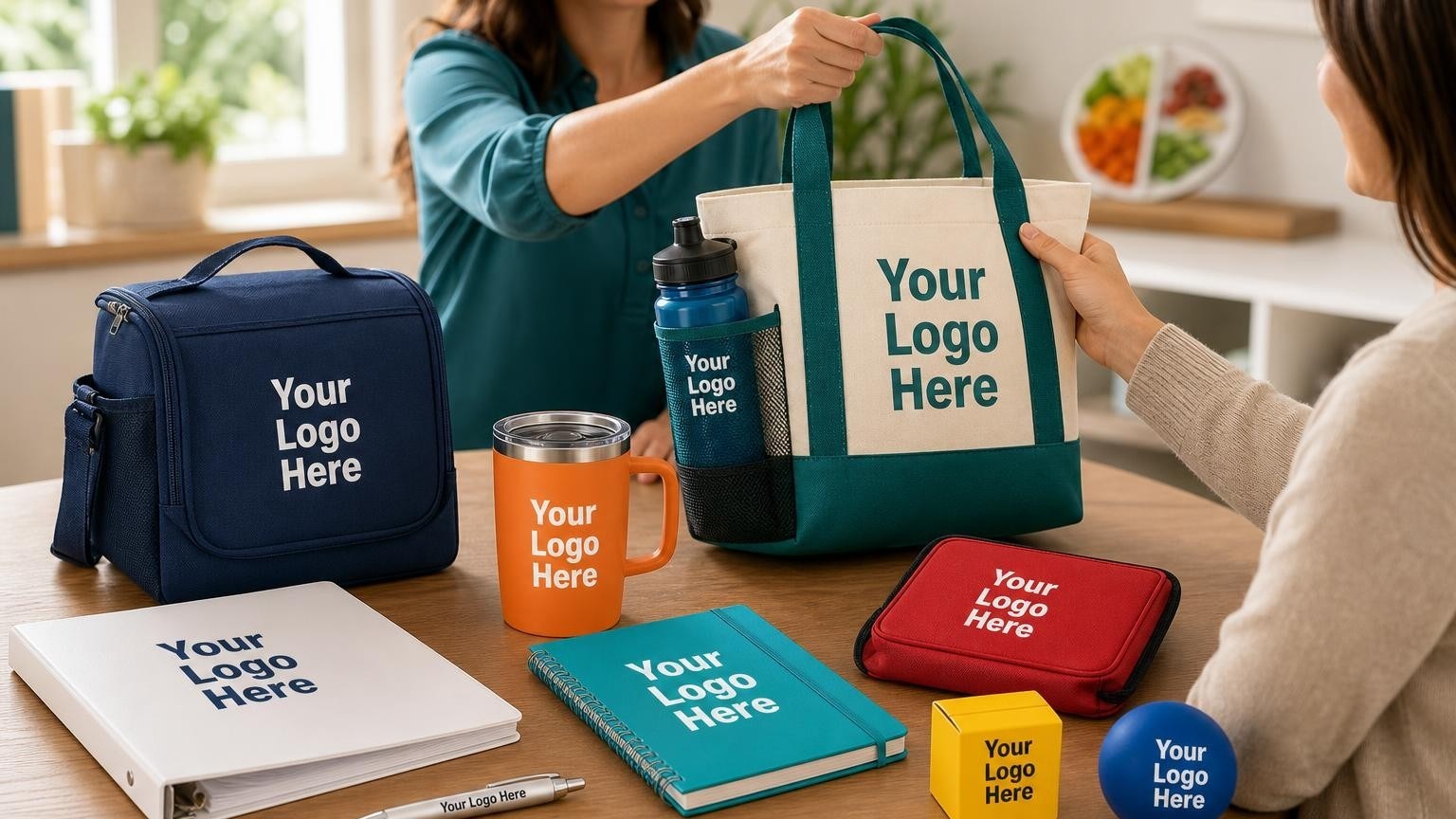
A newly diagnosed patient sits quietly in your consultation room, staring at a stack of loose pamphlets, medical jargon, and prescription slips. The weight of a new lifestyle reality is settling in, and the sheer volume of paper clinical guides only adds to their quiet anxiety. In this critical intake moment, handing them a disorganized pile of photocopies can make self-management feel like an impossible chore. However, when a diabetes educator hands that same patient a structured, professional welcome kit, the atmosphere in the room changes. The patient is no longer managing a chaotic stack of papers; they are receiving a clear, organized pathway forward. This physical handoff does more than deliver information—it establishes immediate trust, structures their upcoming education modules, and provides the practical tools they need to manage their daily health routines from day one.
Strategic Tools for Patient Success
Diabetes education centers can improve patient program compliance and strengthen physician referral networks by distributing high-utility health items and tracking tools from Myron. Creating structured patient welcome kits for initial consultations, offering milestone rewards during multi-week classes, and providing professional desk accessories to referring clinics helps bridge the gap between clinical advice and daily patient habits. Key items include custom pill boxes, sports water bottles for hydration tracking, and reliable writing instruments for manual glucose logging. These practical tools keep your education program top-of-mind for both patients and referring endocrinologists.
- Custom pill boxes for medication schedules
- Sports water bottles for hydration tracking
- Stick-up magnetic calendars for clinic contact details
- Economy plastic pens for manual glucose logging
Avoid: Avoid cheap, fragile items that break easily, as they reflect poorly on clinical credibility.
The First Consultation: Designing Patient Welcome Kits That Reduce Anxiety
During the initial intake session, patients are often overwhelmed by the sudden demand for daily tracking. They must learn to monitor blood glucose, count carbohydrates, and track physical activity. To simplify this transition, program directors can compile structured welcome kits that keep all essential materials in one accessible place. A sturdy portfolio containing a glucose logbook, a carb-counting guide, and a reliable writing instrument ensures that patients do not lose critical tracking sheets.
Including a reliable pen is a small but vital detail. Manual logging remains a cornerstone of diabetes self-management education (DSME), and patients need a dependable tool to record their daily numbers. By providing custom economy pens from Myron directly inside the welcome folder, you remove a friction point, making it easy for patients to write down their readings immediately after testing. This simple addition supports daily compliance and ensures that patients arrive at their follow-up appointments with complete, legible data for their educators to review.
Patient Intake Welcome Essentials
Provide newly diagnosed patients with a structured folder containing a glucose logbook, a carb-counting guide, and a reliable pen to ease their transition into self-management.
Practical Tools for Daily Self-Management
Beyond paper logs, patients require physical tools to manage their daily medication and dietary adjustments safely. When selecting items for your center, focus on products that solve specific daily challenges. For example, managing multiple medications and supplements can be confusing for newly diagnosed individuals. Providing custom pill boxes helps patients organize their daily doses, reducing the risk of missed or doubled medications.
Additionally, nutrition education is a core component of any DSME curriculum. During meal-planning workshops, educators can distribute physical tools that reinforce portion control and carbohydrate awareness. Items from Myron's nutrition education selection help patients visualize correct portion sizes long after they leave the classroom. These physical reminders translate abstract clinical guidelines into practical, everyday kitchen habits.
Celebrating Clinical Milestones: Tangible Rewards for A1C Progress
Behavioral change is exceptionally difficult, and diabetes self-management requires sustained effort over months and years. To prevent patient drop-out during multi-week educational cohorts, program directors can use milestone rewards to celebrate progress. Celebrating micro-milestones—such as completing a four-week nutrition module, attending all group sessions, or showing initial improvements in A1C levels—keeps patients motivated and engaged in their care.
For instance, when a patient completes the physical activity and hydration module, awarding them a high-quality water bottle serves as a badge of achievement. Distributing promotional plastic water sports bottles with clear intake markers helps patients track their daily fluid consumption while reinforcing their commitment to a healthier lifestyle. These tangible rewards are not mere giveaways; they are functional tools that celebrate hard work and encourage long-term program retention.
Milestone & Graduation Rewards
Celebrate program completion and encourage healthy lifestyle habits with practical tools like trackable water bottles and portion-control guides.
Selecting the Right Tools for Patient and Clinic Workflows
To help your center choose the most effective items for each specific audience, the table below compares common clinical scenarios, recommended tools, and their operational benefits.
| Clinical Scenario | Recommended Tool | Operational Benefit |
|---|---|---|
| Initial Patient Intake | Custom folder with glucose logbook and custom economy pens | Reduces patient anxiety and organizes clinical tracking sheets |
| Medication Management Module | Custom pill boxes with daily compartments | Prevents dosing errors and supports medication adherence |
| Nutrition & Meal Planning Class | Portion-control plates and nutrition education guides | Translates abstract carbohydrate targets into visual meal portions |
| Hydration & Exercise Tracking | Promotional plastic water sports bottles | Encourages active lifestyle habits and tracks daily fluid intake |
| Physician Referral Outreach | Stick-up magnetic calendars with clinic contact info | Keeps your center's referral details visible at the nurse station |
Securing the Referral Loop: Professional Appreciation Gifts for Endocrinologists
Diabetes education centers serve a diverse range of clinical pathways, receiving patients from independent family medicine practices, specialized pediatric endocrinology clinics, hospital-discharge transition teams, and community health clinics. To maintain these vital referral loops, clinical coordinators must keep their programs top-of-mind for busy physicians and medical assistants. When a doctor counsels a patient with a rising A1C, your center's contact information needs to be immediately accessible.
Leaving professional, high-utility items at local clinics during educational lunch-and-learns is an excellent way to maintain visibility. For example, distributing stick-up magnetic calendars to clinic receptionists and nursing stations ensures your center's phone number and class start dates are always visible. Pairing these with a sincere thank you note for their ongoing partnership builds professional goodwill and keeps your referral pipeline active. These desk items serve as constant, functional reminders of the valuable support your center provides to their patients.
Physician Referral Partner Gifts
Keep your center's contact details visible at local clinics with functional desk accessories like magnetic calendars and professional thank-you items.
Budget Tiers for Diabetes Education Programs
Managing a clinical budget requires careful planning. To help your program allocate resources effectively, we have organized our recommended tools into three distinct investment tiers:
- Good (High-Volume Outreach & Intake): Entry-level items designed for broad distribution at community health fairs or initial patient intakes. This tier includes custom economy pens for logbooks, basic pill organizers, and printed carb-counting brochures.
- Better (Class Cohort & Milestone Rewards): Mid-range items awarded to patients during multi-week DSME classes to encourage retention. This tier features promotional plastic water sports bottles for hydration tracking, multi-compartment custom pill boxes, and portion-control plates.
- Best (Physician Referral & Graduation Gifts): Top-tier, high-utility items reserved for program graduates or key referring clinics. This tier includes stick-up magnetic calendars for nurse stations, high-quality portfolios for medical records, and professional appreciation gifts accompanied by thank you cards.
Operational Wisdom: Best Practices for Healthcare Distribution
Based on Myron's experience helping organizations plan custom event merchandiseBased on experience helping healthcare organizations plan custom educational materials, Myron's team has gathered practical operational insights to ensure your program's items are both effective and compliant:
- Prioritize Subtle Branding: Patients appreciate discretion. Keep your center's logo clean and professional, avoiding loud clinical terms that might make patients self-conscious when using water bottles or pill boxes in public.
- Choose Lightweight, Durable Materials: Many patients may have mobility or dexterity challenges. Ensure that pill boxes are easy to open yet secure, and that water bottles are lightweight and easy to grip.
- Keep Desk Items Functional for Clinics: When distributing items to referring physician offices, focus on high-utility desk tools like calendars or pens. Items that help clinic staff do their daily work are far more likely to remain visible than novelty giveaways.
- Pre-Assemble Welcome Kits: Save valuable clinical staff time by pre-assembling your patient welcome kits in batches before new cohorts begin. Store them in a central supply closet so educators can easily grab a complete kit during a consultation.
- Align Distribution with Class Milestones: Instead of handing out all items on day one, space them out. Presenting a water bottle during the exercise module or a portion plate during the nutrition class creates a positive reinforcement loop that encourages ongoing attendance.
Planning Timeline for Program Cohorts and Health Events
To ensure your custom educational tools are ready for your next class cohort or community outreach event, follow this structured planning timeline:
- 8 Weeks Before: Review your upcoming class schedule and estimate the number of new patient intakes. Identify key referring clinics for quarterly outreach.
- 6 Weeks Before: Select your items from Myron, matching them to specific educational modules (such as nutrition education tools or tracking pens). Submit your center's logo and contact information for proofing.
- 4 Weeks Before: Approve your digital design proofs. Ensure all clinic phone numbers and referral web addresses are accurate and easy to read.
- 2 Weeks Before: Receive your shipment. Have clinical volunteers or administrative staff pre-assemble the patient welcome kits, placing logbooks, guides, and custom economy pens inside the folders.
- Launch Week: Distribute the welcome kits during initial consultations, and begin delivering appreciation items to your local primary care partners.
Common Mistakes to Avoid
- Distributing cheap, fragile pedometers or tools.A patient discards a cheap pedometer that stops working after two days, losing momentum in their exercise tracking and reflecting poorly on clinical credibility.Better approach: Invest in fewer, higher-quality items that patients will actually use daily without frustration.
- Ignoring the storage and transport needs of insulin.Giving a patient a standard canvas tote rather than an insulated bag that protects their insulin vials from summer heat.Better approach: Include a dedicated, insulated cooler bag in the welcome kit for patients on insulin therapy.
- Sending generic, unpersonalized items to referring physicians.Dropping off cheap plastic pens at an endocrinology clinic instead of a professional desk item that stays on the doctor's desk.Better approach: Provide premium, professional desk items that reflect the high clinical value of your partnership.
Frequently Asked Questions About Diabetes Education Promotional Items
What are the most essential items to include in a diabetes patient welcome kit?
An effective kit should include an insulated bag for insulin, a structured glucose logbook, a portion-control tool, and a high-quality pen. These four functional items provide immediate clinical utility, helping patients organize their daily tracking and medication routines from their very first consultation.
How can promotional items help improve patient attendance in group classes?
By tying useful items like water bottles or pedometers to specific class milestones, you create positive reinforcement that drives attendance. For example, awarding a high-quality water bottle upon completion of the physical activity module encourages patients to return each week to earn their next tracking tool.
What branding guidelines should we follow for sensitive healthcare items?
Keep branding clean, professional, and encouraging, avoiding clinical-sounding warnings in favor of supportive, health-focused messaging. Subtle logo placement on everyday items like water bottles or portfolios respects patient privacy while still keeping your center's contact information accessible.
Partnering for Patient Success
Thoughtful, high-utility physical tools bridge the gap between clinical advice and sustainable daily patient habits. By equipping your patients with structured welcome kits and celebrating their progress with functional milestone rewards, you turn complex medical guidelines into manageable daily routines. Simultaneously, providing professional appreciation gifts to your local clinical partners ensures your center remains the preferred choice for patient referrals. As you prepare for your next class cohort or plan your outreach for American Diabetes Month in November, let Myron help you select the ideal tools to support your clinical goals. Explore our curated healthcare and wellness collections to design your center's next patient welcome kit today.