


How Dispatch Software Companies Use Promotional Products for Client Retention
In a highly tactile industry like logistics, B2B software companies must bridge the digital-physical gap with durable, high-utility physical touchpoints to secure long-term client retention.
11 min read
Dispatch software companies can substantially reduce client churn and increase driver compliance by partnering with Myron to deploy rugged, high-utility physical items. Strong choices include rugged insulated travel mugs, heavy-duty stylus pens, high-visibility safety vests, and weather-resistant outerwear. Six to eight weeks prior to major software implementation rollouts or regional industry conferences. Avoid fragile tech accessories, cheap plastic pens, and over-branded items with no functional utility.
The Digital-Physical Bridge: Why Fleet Software Needs Tangible Touchpoints
The morning shift at a regional freight terminal starts long before sunrise. At 5:00 AM, the air smells of diesel fuel, wet asphalt, and strong coffee. Inside the dispatch office, phones are already ringing as terminal managers coordinate routes for dozens of active trucks. On the main desk, next to a stack of paper manifests, sits a newly arrived package from their newly signed dispatch software partner. Inside this package is not another generic digital user manual or a cheap plastic flash drive. Instead, the dispatch manager unboxes a heavy-duty, weather-resistant clipboard and a rugged insulated travel mug. This physical arrival marks the official launch day of a new route-optimization platform. For a software provider, this moment is where digital efficiency meets the physical reality of fleet operations. When a software company bridges the gap between screen-based tools and the hands-on environment of a loading dock, they build immediate trust. This physical onboarding kit shows the fleet operator that their new software partner understands the demanding conditions of the road.
The Direct Path to Fleet Software Adoption
Dispatch software companies can substantially reduce client churn and increase driver compliance by partnering with Myron to deploy rugged, high-utility physical items. By replacing generic tech giveaways with durable tools like weather-resistant gear, heavy-duty writing instruments, and insulated travel mugs, software providers make their digital platform feel tangible and reliable. These physical assets should be distributed during critical operational milestones, such as the initial 30-day onboarding window or annual fleet reviews. Focusing on items that survive the demanding environment of a truck cab or dispatch terminal ensures long-term brand alignment, helping software companies secure driver adoption and build lasting partnerships with fleet operators.
- Rugged insulated travel mugs
- Heavy-duty stylus pens
- High-visibility safety vests
- Weather-resistant outerwear
Avoid: Fragile tech accessories, cheap plastic pens, and over-branded items with no functional utility.
The Critical First 30 Days of Terminal Deployment
The first 30 days of deploying new dispatch software represent the highest risk for client churn. When a fleet operator signs a contract, the software company must quickly win over the actual users: the dispatchers and the drivers. If drivers resist using the mobile tracking app or find the digital interface frustrating, compliance drops, and the fleet owner may cancel the service. To ease this transition, successful software providers introduce physical tools during the morning safety meetings on launch day.
Whether your software serves a high-volume regional dry van fleet, a temperature-controlled refrigerated carrier, a specialized flatbed hauling operation, or a local last-mile delivery service, the onboarding challenge remains identical. Imagine a driver stepping into a dusty truck cab at dawn. They are handed a dual-function stylus pen that allows them to sign digital bills of lading on a tablet screen without removing their work gloves, then quickly flip the pen to write on paper manifests. This simple, durable tool directly addresses the operational reality of a driver's daily workflow. By providing items that serve a clear purpose in the cab, the software company demonstrates respect for the driver's environment.
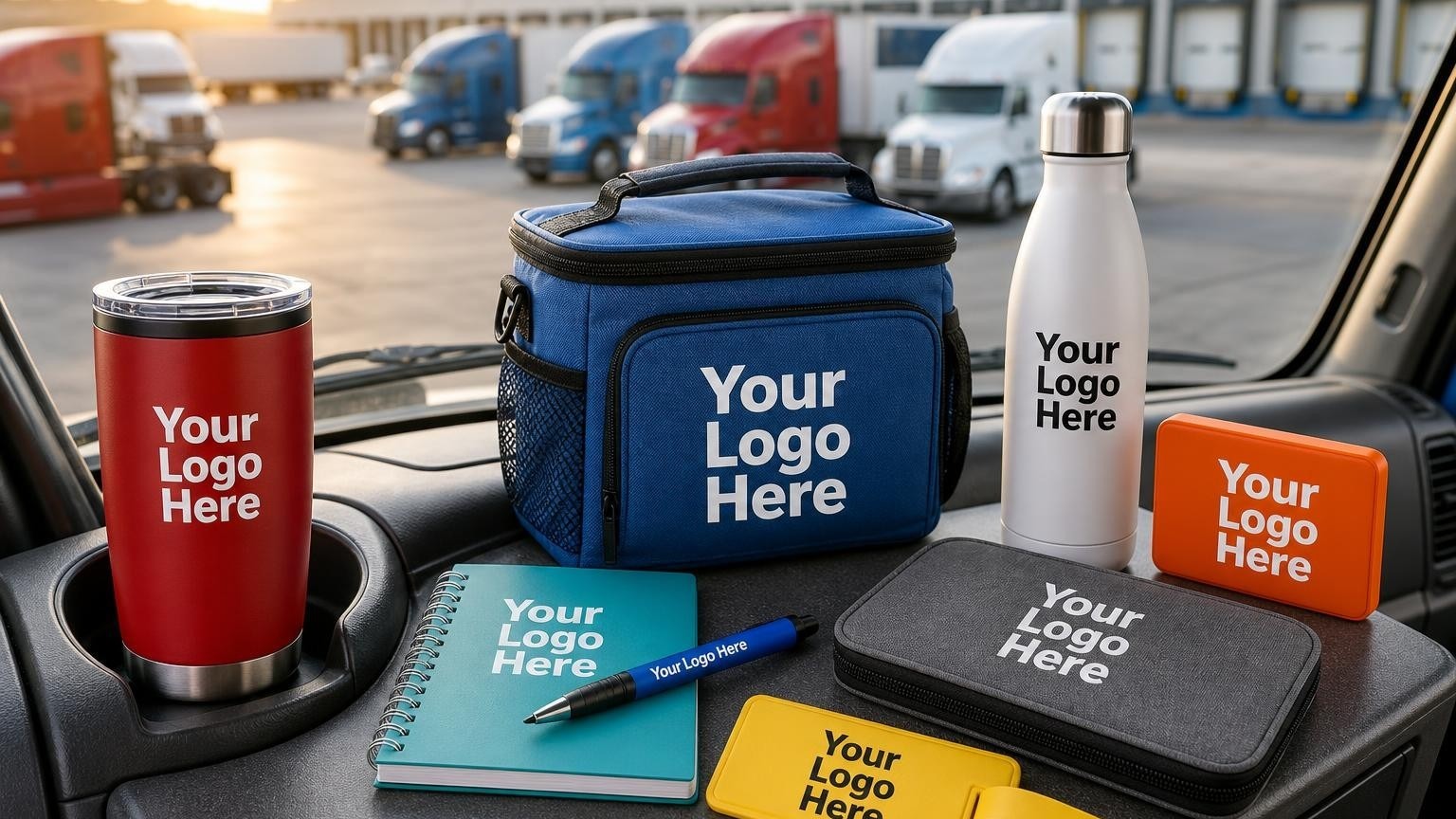
To support these field teams, software companies can explore options for Truck Driver Recognition through Myron to source items that withstand the daily wear and tear of long-haul routes. When a driver places a heavy-duty, insulated travel mug into their dashboard cup holder, your brand becomes a permanent fixture in their workspace, reinforcing the reliability of your digital platform every single mile.
The Cab-Ready Driver Kit
Equip drivers with rugged tools designed to withstand the harsh environment of a truck cab, ensuring adoption of your mobile dispatch app.
Dispatch Terminal Command Packs: Supporting the Back Office
While drivers manage the road, dispatchers control the terminal. A dispatcher's desk is a high-pressure environment where decisions must be made in seconds. During the transition from legacy paper scheduling to a new digital dispatch dashboard, dispatchers face a steep learning curve. This is a critical decision trigger for software companies to provide physical support.
A practical approach is to supply dispatchers with a terminal command pack on the day the software goes live. This pack might include a heavy-duty desk mat printed with essential keyboard shortcuts for the new software, alongside reliable writing tools. Since dispatchers constantly write down quick phone notes while managing active routes, having a steady supply of dependable pens is essential.
Using Economy Plastic Pens from Myron as part of a dispatcher's desk setup ensures that your brand is always within arm's reach when they need to scribble down a trailer number or a delivery window. These items do not need to be expensive, but they must be reliable. A pen that writes smoothly on the first try reflects positively on the software's own promise of speed and reliability. By optimizing the dispatcher's physical workspace, you reduce the friction of software adoption and build immediate goodwill within the terminal office.
Rugged Gear for Demanding Logistics Environments
To make a lasting connection with logistics professionals, software companies must select products that match the physical demands of the industry. Cheap, fragile tech gadgets like low-capacity power banks or flimsy plastic phone stands will quickly break in a truck cab or on a loading dock, which can make your software brand look cheap by association. Instead, focus on high-utility items designed for durability.
Consider these practical product categories for your next fleet rollout:
- Weather-Resistant Gear: Items that protect drivers and yard workers during outdoor inspections are highly valued. High-visibility safety vests or durable outerwear show that your company cares about driver safety and comfort.
- Heavy-Duty Writing Tools: Pens with built-in stylus tips are excellent for drivers who must transition between touchscreens and paper documents throughout their shift.
- Spill-Proof Drinkware: Double-wall insulated travel mugs keep coffee hot during long winter shifts and fit securely in standard truck cup holders.
For safety-focused campaigns, incorporating items from the Highway Safety category can provide drivers with practical tools like tire pressure gauges or emergency flashlights, showing a deep commitment to their daily operational well-being.
The Dispatch Terminal Command Pack
Optimize the dispatcher's desk environment during the critical transition to your digital route-optimization dashboard.
Matching Fleet Roles with the Right Physical Tools
To help software companies choose the most appropriate items for their client cohorts, the following table compares key roles, their operational environments, and the best physical tools to support them.
| Fleet Role | Operational Environment | Primary Operational Challenge | Recommended Physical Tool |
|---|---|---|---|
| Long-Haul Driver | Truck cab, highway, loading docks | Extreme temperatures, driver fatigue | 32oz Insulated Stainless Steel Tumbler |
| Terminal Dispatcher | Loud, multi-monitor dispatch office | High-volume data entry, rapid scheduling | Heavy-Duty Desk Mat with Keyboard Shortcuts |
| Yard Manager | Outdoor shipping yard, loading docks | Harsh weather, physical safety concerns | High-Visibility Safety Vest or Weather-Resistant Jacket |
| Fleet Owner / Executive | Corporate office, regional terminal | High software churn, operational overhead | High-Grade Laser-Engraved Metal Pen Set |
This structured approach ensures that every recipient receives an item that fits their daily reality, maximizing the utility and longevity of your promotional investment.
Scalable Onboarding and Appreciation Options
Software companies must manage their customer acquisition and retention budgets carefully. Fortunately, physical touchpoints can be scaled to match the size of the fleet or the value of the software contract. Here is how to structure your physical outreach across three investment levels:
- Good (Entry-Level / High-Volume Fleets): Focus on high-utility, cost-effective items that can be distributed to hundreds of drivers. Practical options include durable plastic grip pens, custom cab magnets for truck doors, and basic high-visibility safety shirts.
- Better (Mid-Range / Standard Client Onboarding): Designed for dispatchers and key terminal staff. This tier includes double-wall insulated travel mugs, heavy-duty clipboards for holding paper manifests, and dual-function stylus pens for tablet navigation.
- Best (Premium / Enterprise Fleet Partners): Reserved for fleet owners, regional directors, and executive decision-makers during annual business reviews. This tier features embroidered weather-resistant softshell jackets, durable tech travel bags, and high-grade laser-engraved metal writing sets.
By structuring your physical outreach this way, you can protect your margins while still providing meaningful, durable items to every level of the client organization. For high-value accounts, sending a formal Thank You package with premium items helps solidify long-term SaaS renewals.
Operational Lessons from the Field: Myron's Experience
Based on Myron's experience helping organizations plan custom event merchandiseBased on experience helping organizations plan custom event merchandise and operational gear, Myron's team has gathered practical insights on what works best in the logistics and transport sectors:
- Prioritize Cab Compatibility: When ordering drinkware, ensure the base of the tumbler is designed to fit standard truck cup holders. Oversized mugs that tip over on a bumpy highway will end up left behind in the terminal breakroom.
- Keep Branding Subtle on Apparel: Drivers and fleet managers are far more likely to wear jackets and safety vests daily if the software logo is small and placed on the sleeve or pocket, rather than splashed across the back like a billboard.
- Avoid Fragile Tech Accessories: Truck cabs are dusty and subject to extreme heat in the summer. Fragile items like cheap plastic phone mounts or thin charging cables will fail quickly, reflecting poorly on your software's reliability.
- Co-Brand for Maximum Adoption: When possible, place your dispatch software logo alongside the fleet partner's own logo. This co-branding makes the items feel like a true partnership gift rather than a self-serving advertisement.
- Coordinate with Software Launch Days: Ship onboarding kits directly to regional terminal managers to arrive exactly three days before the software goes live. This ensures the physical tools are ready for distribution during the initial training sessions.
Common Pitfalls in Software-to-Fleet Gifting
SaaS founders and customer success directors often make predictable mistakes when ordering promotional items, usually because they default to tech-themed giveaways.
One major mistake is choosing cheap, fragile tech gadgets like low-capacity power banks. While these items seem relevant to a software company, they quickly break or fail to hold a charge in the demanding environment of a trucking terminal. A broken power bank on day two of a long-haul route damages your brand's reputation for reliability.
Another common error is over-branding with giant software logos while ignoring utility. If a t-shirt or jacket is covered in massive marketing slogans, drivers will leave it in their closets. Focus instead on subtle, high-grade branding that allows the recipient to wear the item proudly during their shift.
Finally, many software companies ignore the physical distribution constraints of remote terminals. They often ship hundreds of individual onboarding kits to their own small corporate office, only to realize they now have to pay double shipping to get those kits to active fleet hubs across the country. Coordinating bulk shipments directly to terminal managers is a much more efficient approach.
How to Choose the Right Item
- Cab vs. Terminal UtilityDetermine if the item will be used inside the truck cab (requires spill-proof, durable, cup-holder-friendly designs) or at the dispatch desk (focus on organization and rapid note-taking).
- Durability RatingAssess if the item can survive being dropped on concrete or exposed to extreme weather. Avoid fragile plastics and delicate electronics.
- Branding SubtletyChoose laser-engraved or embroidered tone-on-tone designs over loud, full-color prints to encourage daily wear by professional drivers.
Frequently Asked Questions
What are the best promotional items for truck drivers using our dispatch app?
Focus on rugged, high-utility items like insulated travel mugs, heavy-duty stylus pens, and high-visibility safety gear that fit their daily road reality.
How do we distribute onboarding kits to remote fleet terminals efficiently?
Ship bulk kits directly to regional terminal managers during the software implementation phase, or leverage Myron's direct shipping options to coordinate delivery with software launch days.
Should we brand items with our software logo or the fleet partner's logo?
Co-brand whenever possible. Place your dispatch software logo subtly alongside their fleet branding to show a unified partnership rather than a pure self-promotion.
Building Lasting Partnerships on the Road
In an industry as hands-on as logistics, digital solutions are only as strong as the human partnerships that support them. By bridging the digital-to-physical gap with durable, high-utility tools, dispatch software companies can secure driver compliance, reduce implementation friction, and build lasting client loyalty. When you are ready to prepare for your next major software release or upcoming fleet onboarding cycle, consider how physical assets can reinforce your platform's reliability. To explore custom options tailored specifically to the demanding environment of fleet operations, reach out to Myron's product experts to design your custom onboarding and appreciation kits.