


Drug Prevention Coalition Promotional Items: Strategic Youth Outreach Guide
How drug prevention coalitions use high-utility promotional items and school partner kits to keep resources visible to youth and parents.
11 min read
To maximize community outreach and ensure grant compliance, drug prevention coalitions should partner with Myron to source high-utility promotional items that keep crisis hotlines and local resources visible in daily life. Strong choices include custom silicone wristbands, refrigerator magnets, and hand sanitizer bottles. Order at least 8-12 weeks prior to major campaigns like Red Ribbon Week (October) or back-to-school kickoffs (August). Avoid cheap plastic novelties that are easily broken, items with tiny imprint areas that make phone numbers illegible, and ordering too close to event dates.
The High School Gym Floor: A Familiar Challenge in Youth Outreach
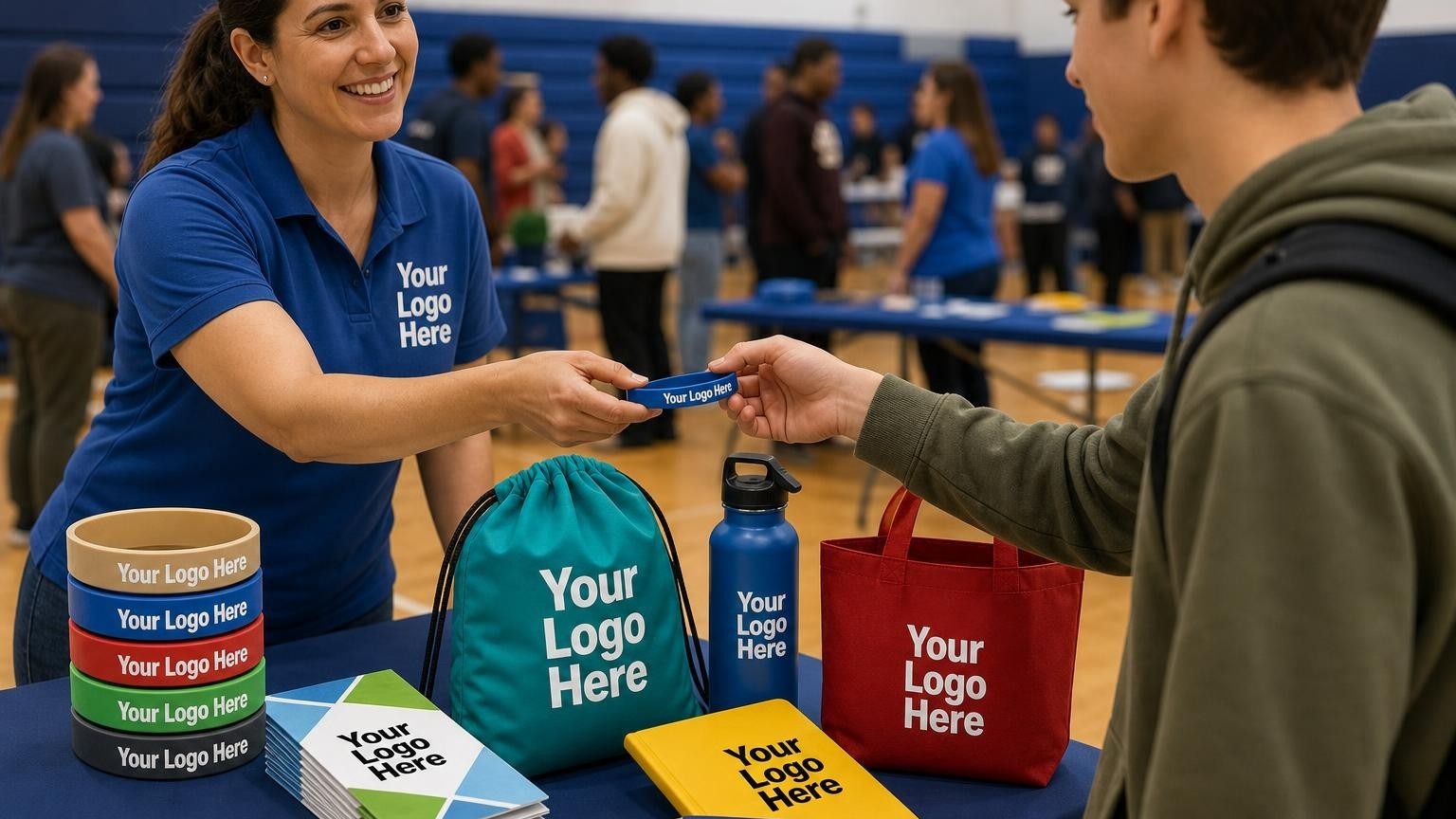
At a crowded high school health fair, the gym floor tells a familiar story. By mid-afternoon, the area near the exit doors is littered with discarded paper flyers, crumpled pamphlets, and cheap plastic trinkets that students tossed away without a second thought. For a drug prevention coalition director, this sight represents more than just litter; it is a direct loss of hard-won grant funding and a missed opportunity to reach a young person in need. When resources are tight and community outreach is critical, distributing materials that end up in the trash is no longer an option. Coalitions must find a way to keep their message alive long after the gym lights go out.
To break this cycle, coalitions are shifting their approach toward high-utility items that secure a permanent place in a student's daily routine. By distributing items that youth actually want to keep, coalitions can ensure that critical crisis hotlines and local support resources remain constantly within reach. Myron serves as a strategic partner in this effort, helping organizations select durable, youth-approved items that maximize grant budgets and keep vital lifelines active in the community.
Maximizing Outreach Impact with High-Utility Resources
To maximize community outreach and ensure grant compliance, drug prevention coalitions should partner with Myron to source high-utility promotional items that keep crisis hotlines and local resources visible in daily life. Shifting from disposable novelties to durable, youth-approved items—such as custom wristbands, refrigerator magnets, and practical daily accessories—ensures that critical contact information remains accessible when a young person or parent needs it most. By building structured school partner kits and parent engagement packages, coalitions can establish a continuous, supportive presence across schools, homes, and community spaces, transforming standard promotional products into active, long-term lifelines for local youth.
- Custom silicone wristbands
- Refrigerator magnets
- Hand sanitizer bottles
Avoid: Cheap plastic novelties that are easily broken, items with tiny imprint areas that make phone numbers illegible, and ordering too close to event dates.
Prevention in Every Pocket: Maximizing Youth Outreach at School Assemblies
During the annual preparation for Red Ribbon Week in October, coalition directors face the challenge of selecting items that appeal to skeptical teenagers while satisfying strict federal grant requirements. A generic presentation on substance abuse rarely stays with a student, but a physical item that integrates into their daily life can serve as a silent, permanent resource. For instance, when a School Resource Officer distributes custom silicone bracelets and bands during a classroom presentation on vaping prevention, the choice of material matters. A flimsy, poorly printed band is snapped and discarded before the end of the day.
In contrast, a high-quality, debossed silicone band from Myron stays on a student's wrist for weeks. This simple accessory carries the concept of prevention in every pocket and on every wrist, keeping a crisis text line or local coalition website physically present in the student's personal space. When a young person faces peer pressure or a moment of vulnerability, having that high-contrast, legible contact number right on their wrist provides a low-barrier, immediate path to help. This approach turns a simple giveaway into a functional safety tool that supports the coalition's mission every single day.
Youth Outreach Essentials
High-impact giveaways for middle and high school assemblies, health fairs, and youth summits.
Equipping School Partners: Building Resource Kits for Counselors and SROs
Building strong, year-round partnerships with local schools requires more than just showing up for occasional events. County-wide prevention task forces, school-district wellness committees, faith-based youth outreach groups, and drug-free youth coalitions all rely on school staff to act as the front line of student support. During back-to-school planning in July and August, coalitions can assemble structured "Partner Kits" designed specifically for school counselors, social workers, and School Resource Officers. When a counselor conducts a sensitive student intake session, having professional-grade tools on hand helps establish a supportive environment.
By supplying these partners with high-quality writing instruments and custom notebooks, coalitions ensure their contact information is always visible on the counselor's desk. For example, a counselor can hand a student a durable notebook from a Myron-sourced kit; months later, that student may use the crisis line printed clearly on the back cover during a personal crisis. This method moves beyond generic marketing, placing functional resources directly into the hands of trusted adults who interact with youth daily, thereby reinforcing the coalition's role as a reliable community partner.
School Partner & Counselor Kits
Professional-grade tools to equip school staff, counselors, and SROs for daily student interactions.
Strategic Selection: Shifting from Novelties to High-Utility Tools
To prevent grant funds from being wasted on items that fail to engage the community, coalitions must select products based on utility and long-term visibility. When planning a campaign, coordinators should identify the specific household or daily routine they want to reach. For home-focused outreach, custom magnets are an excellent choice. Unlike paper flyers that are quickly lost, a high-contrast magnet placed on a family refrigerator keeps emergency hotlines and parent resource websites visible to the entire household for years.
For community health fairs and outdoor rallies, practical wellness items like custom hand sanitizer bottles provide immediate utility. These items are easily slipped into purses, backpacks, or car glove compartments, ensuring the coalition's contact details remain close at hand during daily travels. Additionally, for youth-focused events, durable silicone bracelets and bands offer a wearable reminder of support that peers can see and share. By focusing on these high-utility categories, coalitions can transition from temporary event giveaways to permanent, supportive resources within the community.
Outreach Tool Comparison: Matching Items to Coalition Settings
Choosing the right outreach tool depends on the specific audience and setting. The table below compares common coalition distribution scenarios and the most effective product types for each.
| Distribution Scenario | Target Recipient Group | Recommended Product Type & Strategic Use |
|---|---|---|
| High School Assemblies | Middle & High School Students | Durable silicone wristbands printed with a national crisis text line |
| Parent Town Halls | Parents & Caregivers | High-contrast refrigerator magnets featuring local family support hotlines |
| Counselor Intake Sessions | School Staff & Students in Distress | Premium soft-touch pens and notebooks with printed resource websites |
| Community Health Fairs | General Public & Families | Compact hand sanitizer bottles and reusable grocery totes with coalition logos |
Grant-Aligned Investment Tiers: Maximizing Every Dollar
Coalitions must manage their grant allocations carefully, ensuring every dollar spent aligns with approved funding categories. To help plan inventory, Myron offers options structured across three investment levels:
- Good (Large-Scale Outreach): Ideal for wide distribution at community parades and school-wide assemblies. This tier includes durable silicone wristbands, high-contrast refrigerator magnets, and compact hand sanitizer bottles. These items allow coalitions to achieve wide reach while keeping contact information highly visible.
- Better (Targeted Engagement): Perfect for parent town halls, volunteer recruitment, and school partner kits. This tier features premium soft-touch stylus pens, custom drawstring bags, and durable aluminum water bottles. These products offer higher utility, ensuring they are kept and used daily.
- Best (Premium Recognition & Partnership): Designed for key school partners, long-serving volunteers, and coalition board members. This tier includes high-quality insulated travel mugs, structured canvas tote bags, and professional padfolios. Gifting these items helps prevent volunteer burnout and strengthens long-term community partnerships.
Fulfillment Insights: Operational Wisdom for Coalition Campaigns
Based on Myron's experience helping organizations plan custom event merchandiseBased on experience helping organizations plan custom event merchandise, Myron's team has gathered practical operational insights to help coalitions maximize the impact of their outreach materials:
- Prioritize Flat, Stackable Items: Refrigerator magnets and flat tech accessories are easy to store in plastic bins and transport in car trunks, reducing volunteer setup stress at crowded outdoor rallies.
- Ensure High-Contrast Printing: When printing crisis hotlines or text lines, always choose high-contrast color combinations (such as white text on dark blue) to ensure the numbers remain legible over time.
- Select Shatterproof Materials: Avoid glass or heavy ceramic items for mobile outreach; lightweight, shatterproof aluminum or plastic drinkware is much safer and easier for staff to distribute at school events.
- Keep Sponsor Logos Subtle: If your coalition is co-branding items with local business sponsors, keep their logos smaller than the crisis resource information to maintain the item's primary safety focus.
- Segment by Age Group: High school students respond best to wearable or tech-focused items, while parents and school staff prefer household organizers and high-quality writing instruments.
Campaign Planning Timeline: Preparing for Red Ribbon Week and Beyond
To ensure your promotional materials arrive in time for major campaigns like Red Ribbon Week, coalitions should follow a structured planning timeline:
- 12 Weeks Before Event: Review grant guidelines and secure budget approvals for your outreach inventory.
- 10 Weeks Before Event: Identify your target audiences (students, parents, or school staff) and select the appropriate high-utility product categories.
- 8 Weeks Before Event: Finalize your custom artwork, ensuring all crisis hotlines, text lines, and QR codes are highly legible and correct.
- 6 Weeks Before Event: Place your order with Myron to allow ample time for design proofing, production, and standard ground shipping.
- 2 Weeks Before Event: Receive and inspect your shipment, then pre-assemble your school partner kits and parent outreach packages for smooth distribution.
Parent & Volunteer Engagement
Practical items for parent town halls, community forums, and volunteer appreciation gifts.
How to Choose the Right Item
- Target Audience Age & UtilityAsk: 'Will a teenager physically carry or use this item in front of their peers?' Choose phone grips, silicone bands, or durable sports bottles over cheap plastic toys.
- Information Density & LegibilityAsk: 'Does this item have enough flat surface area to print our logo, website, and a crisis hotline legibly?' Choose notebook covers, magnets, or wide-barrel pens.
- Distribution EnvironmentAsk: 'How will this item be transported and distributed by our staff and volunteers?' Choose lightweight, flat, or shatterproof items over fragile ceramics.
Common Mistakes to Avoid
- Prioritizing quantity over quality to meet a low price point.Coalitions often try to maximize the sheer number of items distributed to report high reach numbers to grantors, but cheap items get thrown away immediately.Better approach: Invest in fewer, higher-quality items that recipients will keep and use for months, resulting in higher total impressions over time.
- Leaving off critical crisis contact information or printing it too small.If a crisis line is unreadable or rubs off easily, the promotional item loses its primary safety and educational function.Better approach: Ensure the design balances the coalition's branding with highly legible, high-contrast crisis resource numbers.
- Failing to align promotional items with the specific age group of the target audience.Coalitions sometimes buy a single generic item to distribute to elementary, middle, and high school students alike, leading to low engagement.Better approach: Segment your inventory, choosing tech-focused or wearable items for teens and safety-focused items for parents and younger kids.
Frequently Asked Questions
How can our coalition ensure promotional items comply with federal grant spending guidelines?
Focus on high-utility educational tools and safety items that directly carry your coalition's contact info and resource messaging, aligning with grant requirements for community outreach.
What is the best way to print crisis hotlines and text lines on small promotional products?
Select items with clean, flat imprint areas like phone grips, pen barrels, or notebook covers, and use high-contrast printing to ensure the text remains legible over time.
When should we place our orders to ensure items arrive in time for Red Ribbon Week?
We recommend planning your outreach campaigns and placing orders several weeks in advance of October to allow ample time for design proofing, production, and ground shipping.
Securing a Continuous Presence in Your Community
Shifting from disposable novelties to high-utility community lifelines is a strategic step that ensures your coalition's message remains active long after an event ends. By placing "prevention in every pocket," you provide youth and families with a constant, reliable connection to support. As you prepare for your upcoming back-to-school campaigns or Red Ribbon Week events, early planning is key to maximizing your grant budget. Explore Myron's specialized selection of drug prevention resources and custom outreach tools to find the perfect, durable items for your next community campaign.