


Endocrinology Clinic Marketing: Patient Compliance & Referral Strategies
How specialized clinics bridge the gap between medical advice and daily self-management using functional, high-utility tools.
11 min read
Endocrinology clinics can drive patient compliance and practice growth by integrating high-utility tools from Myron—such as custom glucose log binders and insulated insulin bags—directly into their clinical workflows. Strong choices include custom binders and logbooks, insulated medication cooler bags, and premium engraved pens for clinical staff. Order 8-12 weeks prior to American Diabetes Month (November) or ahead of spring community health fairs. Avoid cheap, non-functional novelty items that diminish the clinic's professional medical authority.
The Quiet Exam Room: Where Clinical Advice Meets Daily Reality
A patient sits in a quiet exam room, staring at a fresh diagnosis of Type 2 diabetes. On the laminate counter lies a stack of clinical pamphlets, dense with medical jargon and dietary guidelines, which will likely remain unread. The practice manager, standing just outside the door, knows this scene all too well. The clinical team can deliver the most precise medical advice, but once the patient steps past the reception desk, the responsibility of daily management shifts entirely to them. This transition is where many chronic care plans falter. Endocrinology relies on continuous, lifelong compliance and regular follow-up visits. To bridge this gap, clinics need functional, daily-use tools that lower the cognitive load of tracking blood sugar, managing complex medication schedules, and adopting lifestyle changes. By replacing generic, easily lost paper handouts with tangible, structured tools, a clinic can support patient health outcomes while naturally maintaining a strong connection with their patient base.
Quick Guide: Practical Tools for Endocrinology Patient Retention
Endocrinology clinics can improve patient compliance and support long-term health outcomes by integrating high-utility tools from Myron directly into clinical workflows. Instead of generic novelties, successful practices distribute functional items like custom pill boxes, customized pedometers, and structured nutrition education materials. These items serve as daily aids for patients managing chronic conditions like diabetes and thyroid disorders. By placing these tools in new patient welcome kits, distributing them at community health screenings, or sharing them with referring primary care physicians, clinics build trust and maintain steady follow-up appointments. Focus on lightweight, durable items that fit easily into clinical storage closets and directly assist with daily self-management routines.
- Custom binders and logbooks
- Insulated medication cooler bags
- Premium engraved pens for clinical staff
Avoid: Avoid cheap, non-functional novelty items that diminish the clinic's professional medical authority.
Structuring the First Visit: Welcome Kits That Support Daily Self-Management
The moment of a new Type 2 diabetes diagnosis represents a major shift in a patient's daily routine. They are suddenly asked to track blood glucose levels, adjust their diet, and manage multiple prescriptions. To ease this transition, clinical coordinators can assemble structured welcome kits handed out during the initial consultation. These kits can be customized to fit the specific clinical path of different patient populations, such as pediatric Type 1 diabetes patients, gestational diabetes patients in prenatal care, thyroidectomy recovery patients, or seniors managing complex metabolic syndromes.
Instead of loose-leaf papers that easily scatter, organizing these materials in a dedicated folder or binder keeps glucose logs and clinical guidelines in one place. Tucking a reliable writing tool, such as economy plastic pens, directly into the kit ensures the patient has the means to record their daily numbers immediately.
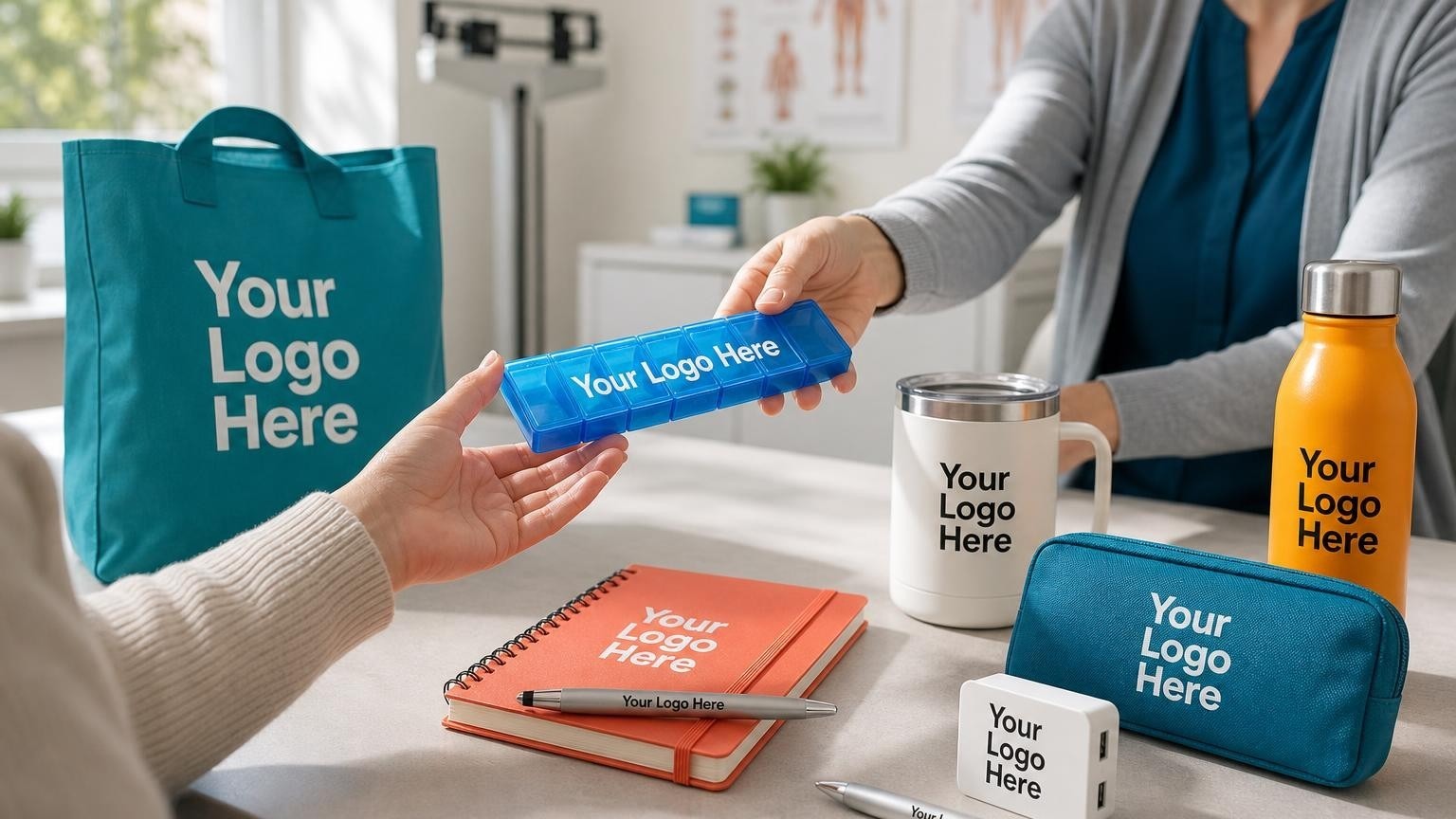
Furthermore, managing multiple daily prescriptions can be overwhelming for those adjusting to new therapeutic regimens. Including practical custom pill boxes in the welcome kit provides a physical reminder to take medications on schedule. This simple addition directly addresses a common operational reality: patients are far more likely to adhere to a treatment plan when the physical tools of compliance are handed to them directly by their clinical team, rather than left for them to source on their own. This structured onboarding process helps reduce follow-up no-show rates by establishing a clear, organized path from day one.
Patient Onboarding Essentials
Equip newly diagnosed diabetes and thyroid patients with functional daily management tools that support their treatment plans.
Selecting the Right Tools: Translating Clinical Advice into Daily Habits
When choosing items for patient distribution, clinical utility must guide every decision. Items that do not serve a clear purpose in a patient's daily routine are quickly discarded, wasting clinical budgets and failing to support health outcomes.
For lifestyle modifications, encouraging physical activity is a cornerstone of prediabetes and diabetes care. Distributing customized pedometers during nutrition classes or check-outs offers patients a clear, non-digital way to track their daily steps. This physical tool acts as a constant, quiet motivator on their waistband.
Similarly, dietary adjustments require constant reinforcement. Rather than relying on abstract calorie counts, clinics can distribute nutrition education materials that feature clear, visual portion-control guides. When paired with practical kitchen tools, these resources help patients make healthier choices during meal preparation.
To keep the clinic's contact information accessible for scheduling follow-up appointments or prescription refills, promotional magnets placed on the refrigerator serve as a highly visible reference. This keeps the clinic's direct line in the household's daily line of sight without feeling like aggressive marketing.
Community Screenings: Converting Outreach Attendees into Long-Term Patients
Community health fairs and diabetes screening events are vital funnels for identifying undiagnosed endocrine disorders. However, many clinics struggle to convert screening attendees into scheduled patients once the event ends. When an attendee receives a concerning blood sugar reading, they often experience immediate anxiety but may delay scheduling a formal evaluation.
To bridge this gap, practice managers can hand out practical tools that keep the clinic's contact details close at hand. For instance, distributing sports water bottles at the screening booth encourages hydration while keeping the clinic's scheduling number visible during daily exercise.
Additionally, providing attendees with stick-up & magnetic calendars allows them to mark their recommended follow-up appointment date before they even leave the venue. This physical reminder, placed on a kitchen cabinet or refrigerator, helps transition an anxious screening participant into an active, scheduled patient.
By focusing on high-utility items rather than cheap plastic novelties, the clinic signals its commitment to professional care. This approach builds immediate trust with community members who may be facing a chronic health challenge for the first time, ensuring they know exactly who to call when they are ready to take action.
Community Outreach Giveaways
Attract and convert local residents at diabetes screening events and health fairs with high-utility wellness items.
Clinical Tool Selection: Matching Patient Needs with Practical Items
Choosing the right tool depends on the patient's specific clinical path and the setting where the item is distributed. The table below outlines how to match common clinical scenarios with functional tools that support compliance and practice operations.
| Clinical Scenario | Recommended Tool Category | Primary Operational Goal | Distribution Workflow |
|---|---|---|---|
| Newly Diagnosed Type 2 Diabetes | Custom Pill Boxes | Improve daily medication adherence | Placed in new patient welcome kits during DSME onboarding |
| Prediabetes Lifestyle Modification | Customized Pedometers | Encourage daily physical activity | Handed out by nutritionists during lifestyle counseling |
| Community Diabetes Screening | Sports Water Bottles | Convert screening attendees to clinic patients | Distributed at the screening booth with follow-up info |
| Annual Referral Outreach | Economy Plastic Pens | Maintain visibility with referring offices | Included in referral packets delivered to primary care staff |
Operational Insights: Best Practices for Clinical Distribution and Storage
Based on Myron's experience helping organizations plan custom event merchandiseBased on experience helping healthcare organizations plan custom event merchandise and patient support materials, Myron's team has gathered practical operational insights to help clinics maximize their budget and storage efficiency:
- Prioritize Flat and Stackable Items: Clinical supply closets are notoriously crowded. Choosing flat items like stick-up & magnetic calendars or flat-packed educational guides ensures you can store thousands of pieces without cluttering valuable clinical space.
- Keep Branding Clean and Professional: Patients are hesitant to carry items with loud, aggressive advertising. A small, clean clinic logo and phone number on custom pill boxes look professional and encourage daily use.
- Verify Material Durability for Daily Handling: Items like glucose log binders and writing tools are handled multiple times a day. Investing in durable materials prevents the frustration of broken clips or leaking ink, which can reflect poorly on the clinic's standard of care.
- Pre-Assemble Welcome Kits: To prevent clinical staff from scrambling during busy patient hours, pre-assemble welcome kits in batches during quiet administrative blocks. Store them ready-to-hand in exam room cabinets.
- Align Orders with Health Awareness Calendars: Plan your orders 8 to 12 weeks ahead of major events like American Diabetes Month in November. This ensures ample time for custom printing and proof approval without rush shipping fees.
Investment Tiers: Practical Tools for Every Clinical Budget
Supporting patients and maintaining professional referral networks does not require an all-or-nothing financial commitment. Clinics can structure their outreach using three distinct investment tiers, ensuring every dollar spent directly supports clinical goals:
- Good (High-Volume Outreach): Focus on lightweight, cost-effective items for large-scale distribution. Practical choices include economy plastic pens for front-desk check-ins, promotional magnets for community health fairs, and flat stick-up & magnetic calendars to hand out during seasonal flu clinics.
- Better (Targeted Patient Support): Invest in mid-range tools that directly assist with daily chronic disease management. This tier includes custom pill boxes for multi-medication regimens, sports water bottles to encourage hydration during lifestyle counseling, and customized pedometers for structured weight-loss programs.
- Best (Referral & Milestone Appreciation): Reserve premium, highly durable items for key professional relationships and patient milestones. Excellent options include thank you gifts for referring primary care physicians, comprehensive nutrition education materials for patients completing a formal DSME program, and high-quality desk accessories for referring clinical staff.
Physician Referral Network Gifts
Maintain high visibility and professional appreciation among referring primary care clinics with durable office tools.
Common Mistakes to Avoid
- Distributing low-quality, generic pens that fail during patient check-ins.A patient trying to log their daily blood sugar levels gets frustrated when a cheap plastic pen skips and leaks, reflecting poorly on the clinic's care standards.Better approach: Invest in reliable, durable economy plastic pens from Myron that write smoothly and last for months.
- Handing out complex clinical pamphlets instead of structured tracking tools.A newly diagnosed diabetic patient easily loses loose-leaf dietary guidelines and paper logs within a week of their initial consultation.Better approach: Provide a custom-branded binder or folder from Myron to organize all clinical logs and educational sheets in one place.
- Gifting generic holiday baskets to referring primary care physicians.A primary care clinic coordinator struggles to find an endocrinologist's contact info because it was on a discarded holiday card.Better approach: Distribute highly functional office tools like custom clipboards and premium pens engraved with your direct referral line.
Frequently Asked Questions: Clinical Tools and Patient Compliance
What are the most effective promotional items for a diabetes awareness campaign?
Focus on high-utility tools like custom glucose logbooks, portion-control kitchen tools, and insulated insulin travel cases from Myron. These items provide immediate practical value to patients managing their condition daily, making them far more effective than generic novelties.
How can we distribute promotional items safely within a clinical environment?
Integrate items directly into patient check-out packets or hand them out during scheduled nutrition education classes. This ensures that distribution is handled by clinical staff in a private setting, maintaining patient confidentiality and aligning the tools directly with clinical advice.
What should we gift referring physicians to maintain a strong referral pipeline?
Select professional, high-utility office items like engraved metal pens and custom clipboards that keep your referral line visible. Providing functional items that referring staff use daily ensures your clinic remains top-of-mind when they need to refer a patient for specialized endocrine care.
Bridging the Gap: Thoughtful Tools for Better Patient Outcomes
Successful endocrinology care extends far beyond the walls of the exam room. It lives in the daily habits, tracking routines, and lifestyle adjustments that patients make in their own homes. By providing practical, high-utility tools from Myron, your clinic can simplify these daily tasks and support long-term compliance. Whether you are preparing for American Diabetes Month in November or updating your new patient welcome kits for the upcoming season, choosing functional, professional items ensures your practice remains a trusted partner in your patients' health path. Explore Myron's healthcare collection to find the right tools to support your patient care and referral strategies today.