


ENT Clinic Marketing: A Guide to Patient Welcome Kits and Referral Gifts
How specialized otolaryngology practices use clinical-adjacent utility tools and professional B2B outreach to secure referral networks and improve patient compliance.
11 min read
ENT clinics can build strong B2B referral networks and improve patient compliance by distributing high-utility wellness and office items from Myron that serve as clinical-adjacent assets. Strong choices include stick-Up & magnetic calendars, health care products (Hot/Cold gel packs), pill boxes, and hand sanitizer. Order at least 6 to 8 weeks prior to the spring and fall allergy seasons, or ahead of quarterly B2B referral outreach campaigns. Avoid cheap, non-functional novelty items, unapproved medical claims on printed materials, and low-quality writing instruments for professional medical partners.
A Warm Handoff in Pediatric Care
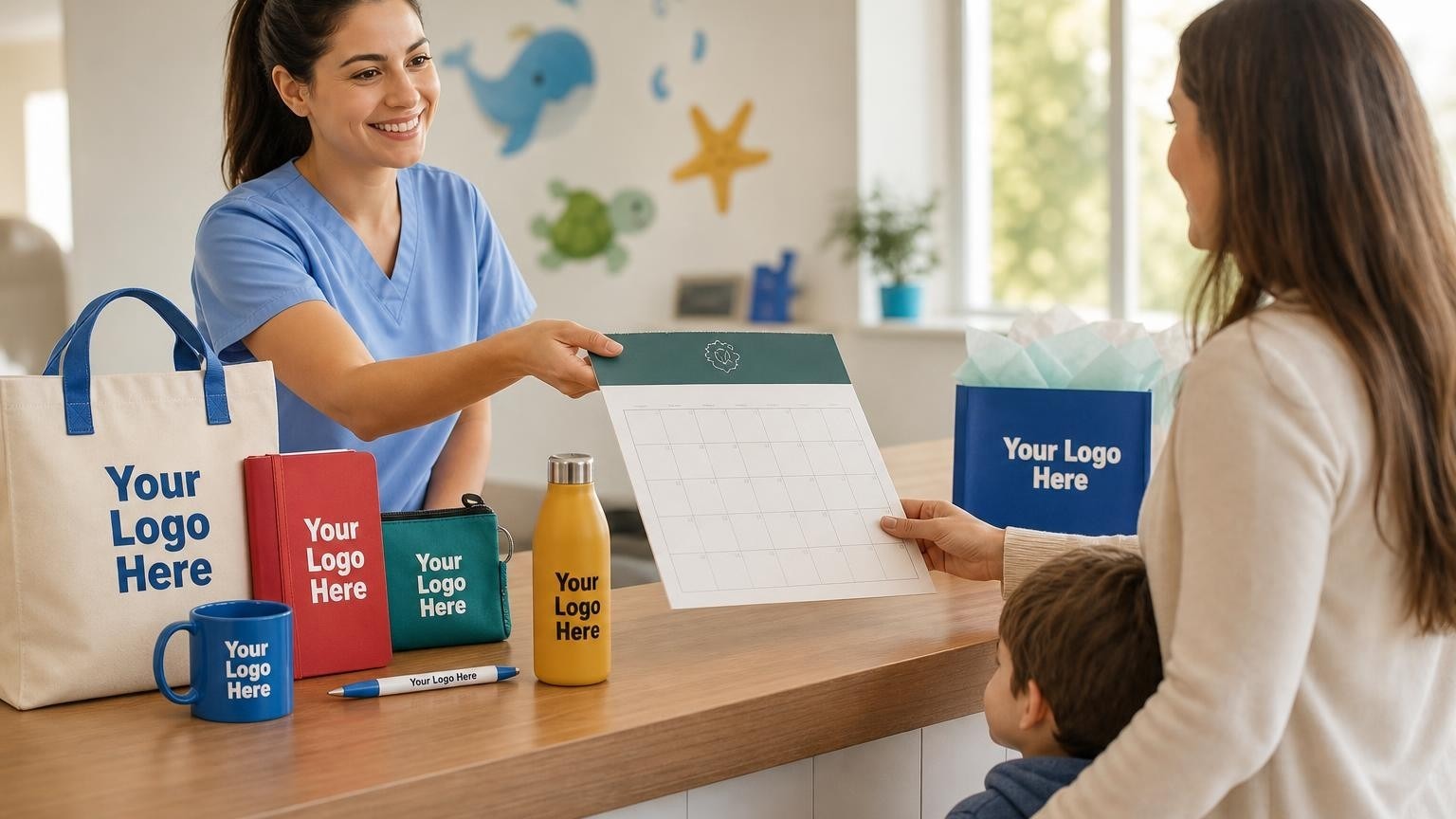
In a busy pediatric clinic, a doctor finishes examining a young patient with recurrent middle ear fluid. The parent is visibly anxious, wondering about the next steps and how to schedule an appointment with a specialist. Instead of scribbling a name on a scrap of paper that will inevitably get lost in a diaper bag, the pediatrician hands the parent a structured care packet. Tucked inside is a colorful ear-health guide and a custom magnetic calendar displaying the contact details of a trusted local otolaryngology practice. The parent feels an immediate sense of direction, and the specialist clinic secures a warm referral before the family even leaves the primary care office. This physical handoff solves a major operational hurdle for specialized medical groups: maintaining a steady flow of patient referrals from busy local doctors who are constantly inundated by competing practices. By providing referring offices with practical, high-utility tools, clinical directors can keep their contact information within arm's reach of decision-makers.
The Operational Blueprint for ENT Practice Growth
To build a reliable referral pipeline and improve patient compliance, ENT clinics should distribute high-utility wellness and office items from Myron that serve as clinical-adjacent assets. Key strategies include supplying referring pediatricians with stick-up & magnetic calendars to keep referral numbers visible, providing new patients with welcome kits containing hand sanitizer to ease anxiety, and distributing post-operative recovery tools like health care products or pill boxes to support recovery at home. These practical items bridge the gap between clinical excellence and patient comfort, ensuring the clinic remains top-of-mind for both referring physicians and families.
- Stick-Up & Magnetic Calendars
- Health Care Products (Hot/Cold Gel Packs)
- Pill Boxes
- Hand Sanitizer
- Economy Plastic Pens
Avoid: Avoid cheap, non-functional novelty items, unapproved medical claims on printed materials, and low-quality writing instruments for professional medical partners.
The Referral Web: Cultivating High-Value Partnerships with Local Doctors
Primary care physicians, pediatricians, and audiologists represent the lifeblood of specialized otolaryngology patient acquisition. However, these busy professionals are constantly bombarded by marketing materials from various specialists. To maintain a consistent referral pipeline, practice managers must ensure their clinic's contact details are physically present at the exact moment a referral decision is made.
This process requires a systematic approach. During the late January planning window, as clinics prepare for the annual spring allergy surge, practice liaisons should organize outreach visits to local family medicine and pediatric offices. Rather than dropping off generic paper flyers that are quickly discarded, liaisons can distribute high-quality economy plastic pens and stick-up & magnetic calendars directly to the front desk and clinical charting areas.
Consider the physical reality of a busy pediatric office. When a doctor sits down at their desk to sign a referral authorization form, they need a reliable writing instrument. A sturdy pen branded with your ENT clinic's name and direct referral line ensures your practice is the immediate choice. Similarly, a magnetic calendar placed on the staff breakroom refrigerator or at the reception desk keeps your referral coordinates visible throughout the day. By replacing low-value novelties with daily-use office tools, clinical directors build professional goodwill and secure a steady stream of new patient consultations.
Referral Partner Appreciation Gifts
Strengthen relationships with local pediatricians, audiologists, and primary care physicians who refer patients to your ENT practice.
The First Impression: Easing Patient Anxiety with Specialized Welcome Kits
First-time visits to an otolaryngology clinic often carry significant patient anxiety, particularly when diagnostic procedures like nasal endoscopies or pediatric hearing tests are scheduled. When patients are anxious, their ability to retain verbal information drops significantly. To ease this tension and establish a high standard of care from the moment of arrival, successful practices use structured welcome kits.
This strategy is highly effective across various specialized clinical settings, including pediatric ENT practices, adult otology clinics, allergy and sinus centers, head and neck surgical groups, and audiology-integrated practices. When a patient finishes checking in at the front desk, the receptionist hands them a neat welcome packet. Inside, alongside the clinical history forms and educational brochures, are practical comfort items such as a small bottle of hand sanitizer and a soothing lip balm.
For a parent waiting with a child who is about to undergo an ear tube consultation, this small gesture provides immediate comfort. The physical presence of these items signals that the clinic prioritizes patient comfort as much as clinical precision. Furthermore, because these wellness items are carried home and used in daily routines, they extend the clinic's supportive presence far beyond the waiting room, helping to reduce appointment no-shows and build long-term family loyalty.
New Patient Welcome Kits
Onboard new adult and pediatric patients, providing them with essential clinical information and comfort items during their first visit.
Problem-First Product Category Recommendations
Selecting the right items for a clinical environment requires matching specific operational challenges with practical physical solutions. Below are three common clinical challenges and the corresponding product categories that help resolve them:
- Challenge: Patient Non-Compliance with Post-Op Medication Schedules. After complex sinus or ear surgeries, patients must manage strict medication regimens, including antibiotics, steroids, and saline rinses. To support compliance, clinics can distribute custom pill boxes. These organizers help patients track their daily doses at home, reducing recovery complications and follow-up phone calls to the nursing staff.
- Challenge: Maintaining Clinic Visibility During Allergy Season. To keep your practice top-of-mind for chronic allergy sufferers, distribute stick-up & magnetic calendars that patients can place on their home refrigerators. This keeps your clinic's phone number visible whenever they experience seasonal symptoms.
- Challenge: Supporting Post-Operative Comfort. Patients recovering from septoplasty or turbinate reduction often experience localized discomfort and swelling. Providing custom health care products such as hot/cold gel packs offers immediate physical relief. When patients reach into their freezers for these branded recovery tools, they experience direct comfort associated with your clinic's attentive care.
Selecting the Right Tool for Each Clinical Touchpoint
To help practice managers allocate their marketing and patient-care budgets effectively, the following table compares different promotional items based on clinical utility, target recipient, and operational placement:
| Recipient Group | Clinical Touchpoint | Recommended Item | Operational Placement |
|---|---|---|---|
| Referring Pediatricians | B2B Outreach & Referrals | Economy Plastic Pens | Physician charting desks and reception counters |
| Chronic Allergy Patients | Initial Consultation | Stick-Up Calendars | Patient welcome packets and home kitchens |
| Post-Op Sinus Patients | Surgical Discharge | Health Care Products (Gel Packs) | Discharge care kits and home recovery |
| Pediatric Audiology Patients | Post-Evaluation Reward | Pill Boxes (or kid-friendly cases) | Clinical exam rooms and daily home routines |
Structuring Your Practice's Investment
A successful clinical branding strategy does not require an all-or-nothing financial commitment. Practice managers can organize their outreach and patient-care items into distinct tiers based on the clinical objective and the depth of the relationship:
- Good (High-Volume Patient Touchpoints): These are cost-effective, high-utility items designed for broad distribution at community health fairs or during initial patient check-ins. Practical options include branded hand sanitizer, soothing lip balm, and basic educational brochures.
- Better (Targeted Patient Care & Compliance): This tier focuses on supporting patients during active treatment or recovery. Recommended items include custom pill boxes for medication tracking, protective storage cases for hearing aids, and specialized saline spray guides.
- Best (Professional Referral Partner Appreciation): Reserved for key referring physicians, pediatricians, and audiologists who drive high-value patient volume to your practice. High-utility choices include premium writing instruments, custom ear-anatomy models for patient education, and high-quality desk organizers.
Operational Wisdom for Clinical Branding
Based on Myron's experience helping organizations plan custom event merchandiseBased on experience helping medical practices implement custom branding solutions, Myron's team has gathered practical operational insights to ensure your clinical items perform effectively:
- Prioritize Hygiene-Friendly Materials: In clinical environments, items must withstand regular sanitization. Choose writing instruments and plastic organizers with smooth surfaces that can be easily wiped down with medical-grade disinfectant.
- Keep Text Clear and Legible: When printing contact details on calendars or pens, use high-contrast, sans-serif fonts. Elderly audiology patients and busy referring physicians must be able to read your phone number instantly without straining.
- Focus on Clinical Utility Over Novelty: Avoid generic novelty items like keychains or stress balls. In a medical setting, items that directly support patient comfort or clinical workflows build far greater professional trust.
- Optimize Storage and Packaging: Clinical supply closets are often crowded. Select items that are flat, stackable, or neatly boxed to ensure they do not clutter administrative spaces.
- Verify Compliance Guidelines: Ensure all printed text on patient-facing items focuses strictly on educational information, clinical utility, and patient comfort, avoiding any unapproved medical claims.
Planning Your Seasonal Outreach
To ensure your clinic is fully prepared for seasonal allergy peaks and quarterly referral campaigns, follow this structured ordering timeline:
- 12 Weeks Before Allergy Season: Assess your current inventory of patient welcome kits and post-op recovery items. Identify which categories need replenishment.
- 10 Weeks Before: Select your custom items and finalize the imprint details, ensuring all contact information and clinical instructions are accurate.
- 8 Weeks Before: Place your order with Myron to allow ample time for custom clinical branding and compliance reviews of the printed text.
- 4 Weeks Before: Receive and organize the items in your clinical supply closets. Assemble the patient welcome kits and referral packets.
- Allergy Season Launch: Distribute the welcome kits to new patients and have your practice liaisons deliver the referral packets to local pediatric and family medicine offices.
Post-Operative Recovery Comfort
Provide physical relief and recovery support to patients recovering from sinus, ear, or throat procedures at home.
Common Mistakes to Avoid
- Distributing low-quality, generic plastic pens to referring medical offices.Referring doctors are highly professional; giving them low-quality items can negatively impact their perception of your clinical standards.Better approach: Invest in a smaller quantity of premium metal stylus pens or durable economy plastic pens from Myron that physicians will actually keep on their desks and use daily.
- Handing out promotional items that have no clinical or practical utility for the patient.In a clinical setting, items with high utility build professional trust, whereas cheap novelties can diminish the clinic's perceived authority.Better approach: Select items that directly support the patient's health journey, such as hot/cold packs for sinus relief or protective cases for hearing aids.
- Neglecting the pediatric patient experience in family-focused ENT practices.Adult patients require practical recovery tools, while pediatric patients require comfort and distraction to ease clinical anxiety.Better approach: Create dedicated pediatric welcome and reward kits containing kid-friendly items that make clinical visits less intimidating.
Frequently Asked Questions
What are the most effective promotional items for pediatric ENT patients?
Focus on high-quality, comforting items like custom plush toys, colorful stickers, and child-friendly wellness kits that ease anxiety during clinical visits.
How can our ENT clinic measure the success of our referral gift campaigns?
Track referral source metrics before and after distributing professional desk items, and monitor the usage of custom QR codes printed directly on the gifts.
Are there specific compliance guidelines we should follow for medical promotional items?
Yes, ensure all items focus on patient education, utility, and comfort, avoiding any promotional claims regarding medical outcomes or guaranteed treatment results.
Bridging Clinical Excellence and Patient Comfort
Thoughtful, high-utility items bridge the gap between clinical excellence and patient comfort. By providing referring physicians with reliable office tools and supporting recovering patients with practical wellness accessories, practice managers can build a stronger, more resilient referral network. Partnering with a reliable branding provider like Myron ensures your clinic's professional standards are reflected in every physical item you distribute. As you prepare for the upcoming seasonal allergy transition, consider exploring Myron's specialized selection of health, wellness, and professional writing categories to support your patient care and outreach initiatives.