


Family Dermatology Clinic Marketing: Patient Kits & Referral Gifts
Learn how family dermatology practices use clinical-grade patient welcome kits and high-utility promotional items to drive annual skin check compliance and build lifelong household relationships.
11 min read
Family dermatology clinics can build lasting household relationships and drive annual skin check compliance by using Myron's selection of clinically relevant, skin-safe promotional items like SPF lip balms, UV-indicator cards, and durable welcome pouches. Strong choices include hypoallergenic SPF lip balms, broad-spectrum sunscreen packets, magnetic wellness calendars, and smooth-writing metal pens. Order at least 6-8 weeks prior to peak summer sun-safety campaigns or the start of the back-to-school season. Avoid highly fragranced or low-grade topical skincare samples, flimsy plastic discharge bags, and generic low-quality pens.
The First Impression in Family Dermatology
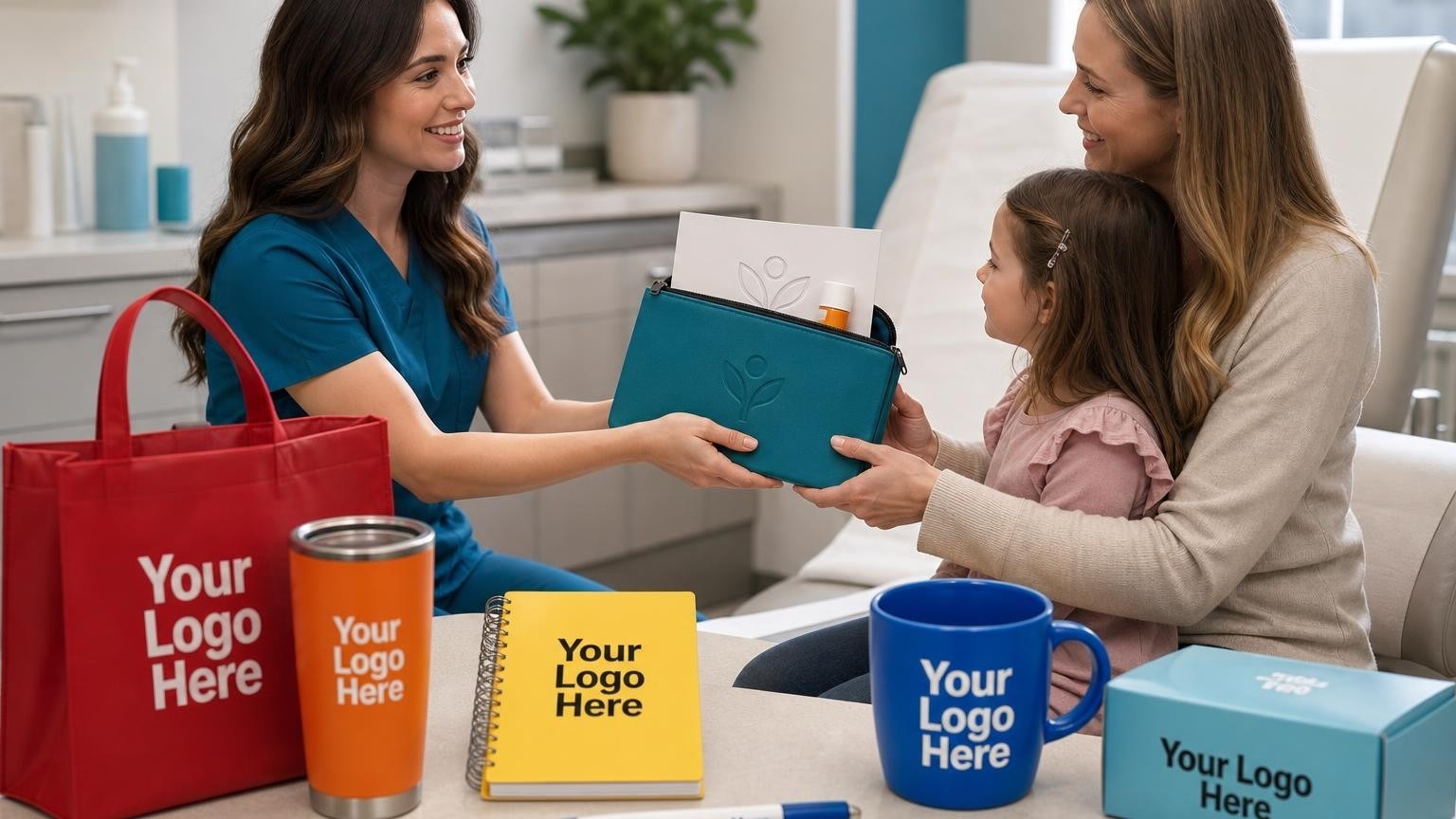
A parent sits in the examination room of a family dermatology clinic, comforting a teenager during an initial consultation for persistent acne. The clinical coordinator completes the assessment, outlines a daily care plan, and hands the parent a structured welcome kit. Inside, alongside clinical instructions, is a high-quality UV-monitoring card and a skin-safe lip balm. While discussing the teenager's routine, the coordinator points out the clinic's contact details printed on the card, prompting the parent to realize they are overdue for their own annual full-body skin check. By the time they reach the front reception desk, the parent is scheduling appointments for both themselves and their younger child. This operational handoff demonstrates how a single acute-care visit can expand into a comprehensive relationship covering the entire household. Rather than relying on sterile clinical summaries, successful practices use functional, daily-use items to keep preventive skin health top-of-mind at home.
Building Household Relationships Through Clinical-Grade Tools
Family dermatology clinics can build lasting household relationships and drive annual skin check compliance by using Myron's selection of clinically relevant, skin-safe promotional items. High-utility tools like broad-spectrum sunscreen, hypoallergenic lip balms, and magnetic wellness calendars serve as daily home reminders. These items keep the clinic's contact information visible, helping convert single pediatric or acute-care visits into recurring, multi-member household bookings. To maintain clinical trust, practices should prioritize unscented, dermatologist-approved personal care items and durable packaging over cheap plastic novelties.
- Hypoallergenic SPF lip balms
- Broad-spectrum sunscreen packets
- Magnetic wellness calendars
- Smooth-writing metal pens
Avoid: Avoid highly fragranced or low-grade topical skincare samples, flimsy plastic discharge bags, and generic low-quality pens.
The First Impression: Designing New Patient Welcome Kits That Capture the Whole Household
The onboarding window is the most critical opportunity to establish long-term family loyalty. When a family enters a clinical space for pediatric eczema consultations, adolescent acne assessments, or adult skin cancer screenings, they are often focused on a single, immediate concern. Once that acute issue is resolved, the connection to the clinic can easily fade. To prevent this drop-off, practice managers can introduce structured welcome kits at the checkout desk.
A successful welcome kit must balance pediatric appeal with adult utility. For example, including a kid-friendly cold pack alongside a professional UV-intensity card ensures that both the parent and child find value in the package. To keep these materials organized, clinics can use water-resistant zippered pouches. When a parent receives this kit while managing an anxious child, the durable pouch prevents clinical instructions and recovery creams from getting lost in a diaper bag or car glove box. This directly addresses the operational reality of high-volume clinics where staff have limited time to explain post-care steps; the pouch acts as a physical container for all critical medical information.
By packaging these resources professionally, the clinic ensures that its contact information remains in the household. Practices can browse customized lip balm options to include as a skin-safe, daily-use item that reinforces the clinic's role in daily wellness. Additionally, adding a compact bottle of custom hand sanitizers provides a practical tool that parents keep in their purses or strollers, ensuring the clinic's name is seen during daily routines. This simple addition helps secure the next booking before the family even leaves the parking lot.
The Family Welcome Kit Essentials
Handed to parents during their first multi-child consultation to establish a long-term household relationship.
Daily Touchpoints: Integrating Skin-Safe Tools into Patient Workflows
Maintaining patient compliance with annual preventive skin checks is a persistent challenge for dermatology practices. While patients understand the importance of early detection, daily distractions often push routine screenings off their calendars. This is where physical, home-based reminders become valuable clinical tools.
A highly effective decision trigger for ordering these items is the annual preparation for Skin Cancer Awareness Month in May. During this period, clinics can distribute broad-spectrum sun protection tools that patients will use throughout the summer. For instance, handing out branded customized sun screen during spring appointments ensures that patients have a dermatologist-approved option on hand when the weather warms up.
To ensure the clinic's contact details are accessible when it is time to schedule the next appointment, practices can distribute stick-up and magnetic calendars that families place on their refrigerators. When a parent sees the clinic's phone number every morning while preparing breakfast, the barrier to scheduling an annual checkup is significantly reduced. This physical presence bridges the gap between clinical advice and daily home habits, turning a once-a-year medical recommendation into a continuous household routine.
This approach also addresses the recipient moment when a family is packing for a beach trip or outdoor sporting event. Spotting the clinic's branded sunscreen or UV card in their bag reminds them of the dermatologist's advice to reapply every two hours. By providing tools that actively protect their skin, the clinic reinforces its position as a trusted partner in family wellness, rather than just a medical office they visit when a problem arises.
Sun Safety & Outdoor Wellness
Distributed during skin cancer awareness month and summer community outreach events.
Practical Tools for Patient Education and Compliance
To successfully integrate promotional items into a clinical workflow, practices must focus on products that solve specific patient challenges. For example, patients undergoing cosmetic procedures or intensive acne treatments often struggle with post-care skin sensitivity. Providing gentle, dermatologist-approved items from a promotional spa and beauty items collection can help soothe skin while showing that the clinic cares about the recovery process. This is particularly useful for post-laser or chemical peel patients who require strict adherence to gentle care routines.
Another common challenge is keeping post-treatment care instructions visible. Instead of letting paper handouts get buried under mail, clinics can provide high-utility promotional magnets. Patients can use these magnets to secure their wound-care steps or appointment reminders directly to the refrigerator, keeping the clinic's contact details in plain sight. By focusing on utility and patient education, these items become an extension of the clinical care team. This problem-first approach ensures that every item distributed serves a clear purpose, reinforcing clinical instructions while building a reliable bridge of communication between the practice and the home.
Selecting the Right Patient Engagement Tools by Clinical Scenario
To help practice managers select the most appropriate items for their specific operational needs, the table below outlines key options based on clinical scenarios and patient demographics.
| Clinical Scenario | Primary Target Audience | Recommended Product Type |
|---|---|---|
| Pediatric Eczema Consultation | Parents and Young Children | Hypoallergenic cold packs & gentle skin balms |
| Adolescent Acne Assessment | Teenagers and Young Adults | Water-resistant zippered pouches & facial wipes |
| Annual Skin Cancer Screening | Adults and Seniors | Broad-spectrum SPF sunscreen & UV-indicator cards |
| Referring Physician Outreach | Local Pediatricians & Family Doctors | Engraved metal pens & insulated travel tumblers |
This structured approach ensures that every item distributed aligns with the clinical goals of the visit, maximizing both patient satisfaction and practice efficiency.
Investment Tiers for Dermatology Practice Outreach
Dermatology practices must balance marketing budgets with the need to project a highly professional, clinical image. Organizing promotional choices into distinct tiers allows clinics to allocate resources effectively based on the specific patient interaction.
- Good (Entry-Level Patient Handoffs): These items are ideal for high-volume distribution at community health fairs or during routine skin checks. Practical options include custom-branded emery boards, single-use sunscreen packets, and basic writing pens for front-desk intake forms.
- Better (Standard Patient Welcome Kits): Designed for new family registrations and post-procedure care. This tier features hypoallergenic SPF lip balms, compact hand sanitizers, and durable zippered utility pouches to hold clinical care instructions.
- Best (High-End Referral & VIP Gifts): Reserved for high-value B2B referral partners, such as local pediatricians and primary care physicians. This tier includes heavy-weighted metal stylus pens, double-wall copper insulated tumblers, and high-end wellness gift sets.
By using this tiered structure, practice managers can ensure they are distributing appropriate items that match the clinical and professional significance of each relationship.
Operational Insights for Healthcare Product Distribution
Based on Myron's experience helping organizations plan custom event merchandiseBased on experience helping healthcare organizations plan custom event merchandise and patient kits, Myron's team has gathered practical operational insights to ensure your promotional strategy succeeds:
- Prioritize Unscented Formulations: Highly fragranced topical products can easily trigger contact dermatitis or allergic reactions in patients with compromised skin barriers. Always opt for hypoallergenic, unscented options for lip balms and sunscreens.
- Choose Flat, Stackable Packaging: Clinic supply closets are notoriously crowded. Selecting flat, stackable items like magnetic calendars and zippered pouches makes storage straightforward and keeps reception areas clutter-free.
- Keep Branding Subtle on B2B Gifts: When sending appreciation gifts to referring pediatricians, keep your clinic's logo elegant and understated. Oversized branding can make a professional gift feel like an advertisement, reducing the likelihood that the physician will use it daily.
- Ensure High Ink Reliability: Flimsy, scratchy pens reflect poorly on clinical professionalism. Invest in smooth-writing metal pens for patient intake clipboards to project quality from the very first signature.
- Verify Water Resistance: Welcome pouches and care kits are frequently stored in bathrooms or taken to the beach. Using water-resistant materials ensures that printed post-care instructions remain legible and protected from moisture.
Planning Calendar for Seasonal Sun-Safety Campaigns
To maximize the effectiveness of seasonal wellness campaigns, family dermatology clinics should follow a structured ordering and distribution timeline:
- 12 Weeks Before Campaign Launch: Define your campaign goals (e.g., Skin Cancer Awareness Month in May) and select your primary promotional items, such as broad-spectrum sunscreen and UV-indicator cards.
- 10 Weeks Before Campaign Launch: Request physical product samples to verify material quality, scent profiles, and skin safety.
- 8 Weeks Before Campaign Launch: Finalize your custom artwork, ensuring that clinic phone numbers, booking URLs, or QR codes are clearly legible on the imprint area.
- 6 Weeks Before Campaign Launch: Place the bulk order with Myron to allow ample time for custom proofing, production, and shipping.
- 2 Weeks Before Campaign Launch: Train front-desk and clinical staff on the distribution workflow, ensuring they know exactly when and how to hand out the items to patients.
- Campaign Launch: Begin distributing the items during patient discharge, reinforcing your clinical advice with practical, protective tools.
Common Pitfalls in Dermatology Practice Merchandising
When selecting promotional items, family dermatology clinics must avoid several common mistakes that can undermine clinical trust and waste marketing budgets.
First, distributing low-quality, highly fragranced topical samples can lead to clinical complications. If a clinic accidentally hands out a cheap, heavily scented lotion that triggers an eczema flare-up in a pediatric patient, the practice's credibility is instantly damaged. Always verify that any topical product is hypoallergenic and unscented.
Second, using flimsy plastic bags for patient discharge materials often results in patients throwing them away immediately. When a patient discards a thin plastic bag, they often lose the critical post-biopsy care instructions and the clinic's contact card inside. Investing in durable, reusable pouches ensures the materials make it home safely.
Finally, stocking the reception desk with cheap, scratchy plastic pens projects a lack of professionalism. When patients or referring physicians use a poor-quality writing tool, it subtly diminishes their perception of the clinic's standards. Instead, equipping your front desk with smooth-writing custom economy pens ensures a professional experience during check-in. Sending a high-quality pen along with a professional thank you note to referring specialists helps maintain strong, collaborative B2B relationships.
Referring Partner Appreciation
Sent to local pediatricians and family practices to maintain high-volume patient referral pipelines.
Frequently Asked Questions About Dermatology Practice Promotional Items
What are the safest promotional items to distribute in a family dermatology clinic?
Focus on hypoallergenic, clinical-grade personal care items like SPF lip balms, or non-topical wellness tools like UV-indicator cards and custom cold packs. This ensures that patients with sensitive skin or compromised skin barriers do not experience adverse reactions, protecting clinical trust.
How can we use branded items to increase annual skin check compliance?
Distribute high-utility outdoor items, like UV-safe keychains or water bottles, paired with a printed QR code linking directly to your booking portal. Placing these items in welcome kits or handing them out during seasonal campaigns provides a continuous physical reminder in the patient's home.
What is the best way to package new patient welcome kits for families?
Use durable, water-resistant zippered pouches that families can reuse for travel, keeping your clinic's branding visible long after the first visit. Flimsy packaging is often discarded immediately, which wastes your marketing investment and risks losing important clinical care instructions.
Securing the Household Relationship
Thoughtful, high-utility promotional items bridge the gap between clinical care and daily home habits. By replacing cheap, disposable novelties with skin-safe wellness tools, family dermatology clinics can turn a single acute-care visit into a lifelong, multi-member household relationship. These practical items protect your patients, reinforce your clinical advice, and keep your practice top-of-mind for essential preventive care. As you prepare for your upcoming seasonal skin cancer awareness campaign, consider how these tools can improve your patient outreach. Explore Myron's selected collection of professional healthcare and wellness promotional products to improve your clinic's patient experience today.