


How Family Mental Health Clinics Use Welcome Kits to Build Patient Trust
Physical items in a clinical setting are more than simple giveaways—they are active therapeutic tools that lower physiological stress and bridge the gap between sessions.
10 min read
Family mental health clinics use curated welcome kits and professional tools from Myron to ease patient anxiety, support therapeutic homework, and build lasting clinical trust with families. Strong choices include tactile stress relievers and sensory wellness items., soft-touch journals and professional writing instruments., and durable, neutral-colored canvas welcome totes.. Order ahead of peak intake seasons, typically late summer (back-to-school) and early January (new year wellness resolutions). Avoid cheap plastic novelties, loud or distracting toys, and overly aggressive, sales-heavy branding on patient-facing items.
The Intake Threshold: Easing Family Anxiety with Tactile Welcome Kits
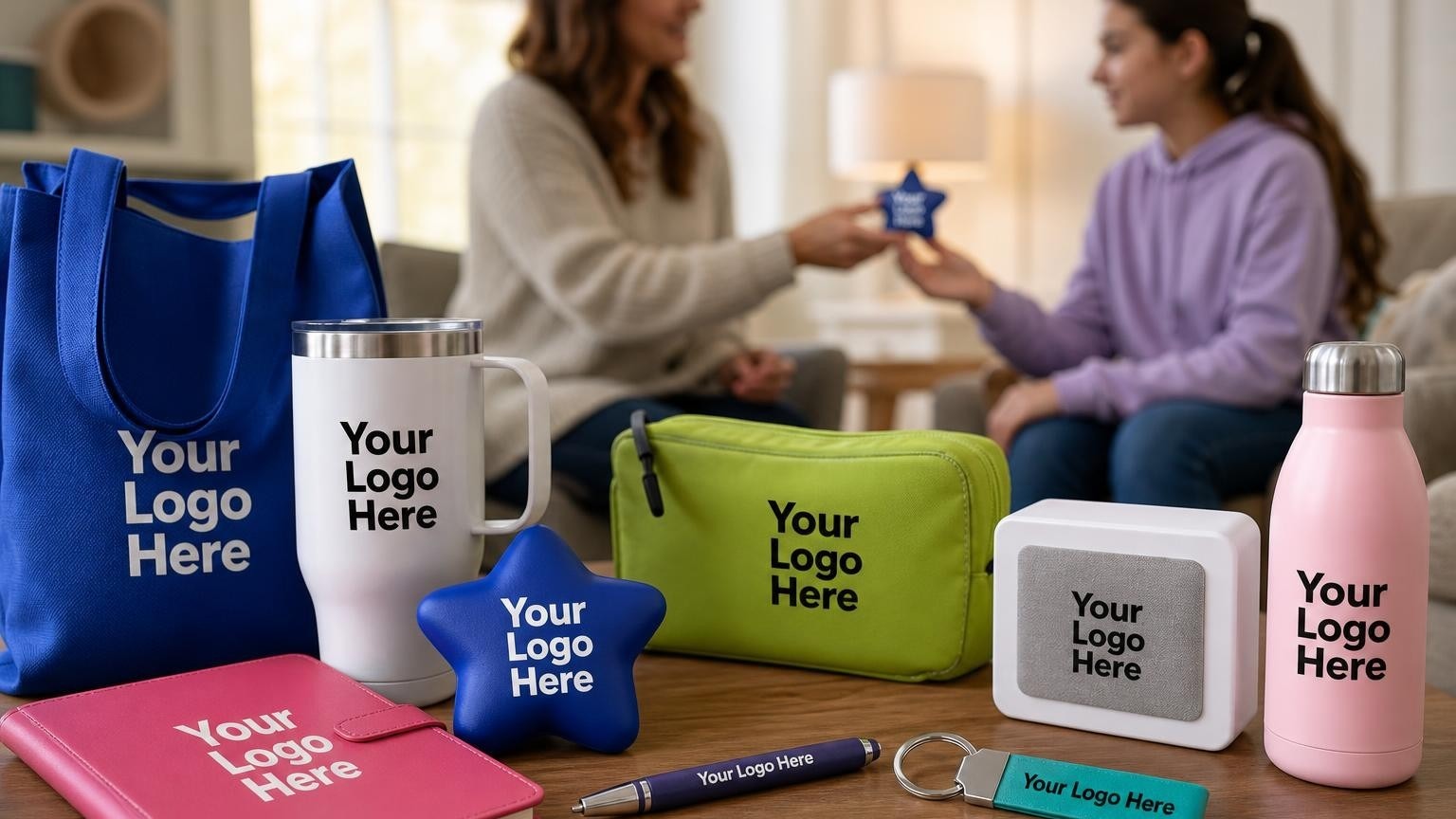
A parent and their anxious teenager sit in your waiting room for their first intake session, feeling vulnerable and uncertain about what lies ahead. The teenager fidgets with their jacket zipper, eyes fixed on the floor, while the parent repeatedly checks their watch, visibly carrying the weight of the family's stress. This initial intake threshold is the most delicate moment in the therapeutic process. It is where clinical engagement begins, and physical touchpoints can establish safety and trust. Instead of leaving them to sit with their anxiety, the receptionist hands them a small, quiet, soft-squeeze foam star. As the teenager's fingers compress the matte surface, the physical feedback helps ground their nervous system. This simple interaction shifts the environment from a cold, clinical waiting room to a supportive space designed for healing. Physical items in a clinical setting are more than simple giveaways—they are active therapeutic tools that lower physiological stress and bridge the gap between sessions.
How Physical Touchpoints Support Family Mental Health Intake
Family mental health clinics use thoughtful welcome kits and sensory tools from Myron to ease patient anxiety, support therapeutic homework, and build lasting clinical trust. By providing quiet, soft-touch stress shapes during intake and structured journals for home practice, practices create a physical bridge between clinical sessions and daily life. These physical items are not mere promotional giveaways; they are active clinical tools that help regulate physiological stress, protect patient privacy with subtle branding, and strengthen professional referral networks with local pediatricians.
- Tactile stress relievers and sensory wellness items.
- Soft-touch journals and professional writing instruments.
- Durable, neutral-colored canvas welcome totes.
Avoid: Avoid cheap plastic novelties, loud or distracting toys, and overly aggressive, sales-heavy branding on patient-facing items.
Sensory Regulation in the Waiting Room: Easing the Transition to Care
The transition from the busy street into a therapy office can feel jarring for a child or parent. Whether managing a high-volume pediatric psychiatric clinic, an outpatient family counseling center, a specialized adolescent trauma practice, or a multi-disciplinary behavioral health facility, clinical directors face the same fundamental challenge: how to lower patient anxiety before the session begins. In outpatient clinical practices, managing the immediate physical environment is a core part of the therapeutic workflow. When a family arrives for an intake assessment, their cortisol levels are often running high. To help them settle, clinics can introduce quiet, tactile tools.
Instead of bright, noisy plastic toys that disrupt the quiet atmosphere of a shared waiting area, clinical directors are choosing silent, matte-finished items. For example, providing health themed stress balls from Myron's selection allows anxious hands to find a safe, non-disruptive outlet. This physical grounding technique helps children self-regulate before they even step into the therapy room.
For parents, the intake process involves a significant amount of paperwork. Handing them a folder containing the privacy policies and a high-quality pen, along with a small custom greeting card welcoming them to the practice, changes the feel of the administrative process. It signals that the clinic values their comfort and respects the emotional weight of their visit.
First-Session Sensory Welcome Kits
Handed to new family patients during their initial intake appointment to ease transition anxiety and provide immediate tactile comfort.
Extending Therapy to the Home: Tools for Active Practice
Successful therapeutic outcomes rely heavily on the work families do between their weekly sessions. Whether practicing cognitive behavioral therapy (CBT) techniques or tracking daily mood changes, patients need physical prompts to stay engaged. A common operational challenge for practice managers is patient drop-off or incomplete homework assignments. When a therapist assigns journaling or mood tracking, the barrier to entry is often the lack of a dedicated, inviting space to write.
To address this, therapists can hand out physical tracking tools during the session. A simple, elegant notebook paired with a small magnetic calendar for the refrigerator helps families track their daily goals together. When a child and parent sit down at the kitchen table to write in their joint reflection journal, the physical notebook acts as a tangible cue.
Using subtle, tone-on-tone branding on these items is critical. A small, blind-debossed clinic logo on the corner of a journal cover respects patient privacy, allowing them to carry the book to school or work without feeling like their clinical status is on display. This careful approach to branding builds deep trust, showing that the clinic prioritizes patient discretion over loud marketing.
Selecting the Right Tactile Tools for Your Practice
When choosing physical items for a mental health setting, clinical directors must focus on sensory profiles and clinical utility. Not all promotional items are suited for a high-trust, sensitive environment. The goal is to select items that feel comforting, professional, and highly functional.
First, consider quiet sensory items. Products like custom shape stress balls provide excellent tactile feedback without making noise. These are highly effective for pediatric patients who need to keep their hands busy during talk therapy sessions, helping them focus and express themselves more freely.
Second, focus on stress reduction tools. Stocking your waiting area with stress management items helps patients manage physical symptoms of anxiety before their session begins. These items can include soft-squeeze shapes or simple breathing guides that patients can take home. Providing these resources shows a commitment to the patient's well-being beyond the therapy room.
Third, consider administrative touchpoints. Providing high-quality folders and writing tools for intake packets ensures that sensitive medical histories and consent forms are kept organized and secure. This attention to detail reflects the high standards of your clinical practice.
Home Practice Reflection Tools
Distributed by therapists to support journaling, cognitive behavioral homework, and emotional tracking between sessions.
Comparing Physical Tools by Clinical Scenario
To help clinical directors select the most effective tools for their practice, the following table compares physical items based on specific clinical scenarios and patient needs:
| Clinical Scenario | Recommended Tool Type | Primary Therapeutic Benefit |
|---|---|---|
| Pediatric Intake Assessment | Quiet, matte-finished health themed stress balls | Lowers physiological anxiety and provides silent sensory grounding. |
| Parent Waiting Area | Welcome folder with a custom greeting card | Organizes sensitive paperwork and establishes a warm, professional tone. |
| Home CBT Homework | Daily reflection notebook with a magnetic calendar | Acts as a physical cue for daily mood tracking and goal setting. |
| Referring Pediatrician Visit | Premium writing set with a subtle, elegant logo | Strengthens professional referral networks and signals clinical quality. |
| Clinical Staff Appreciation | Insulated travel mugs or employee appreciation gifts | Reduces therapist burnout and builds internal pride and retention. |
Structuring Your Practice's Physical Touchpoint Investment
To make the most of your budget, it helps to organize your physical items by clinical purpose and recipient group. This ensures you provide high-quality items where they matter most without overextending your practice's resources.
- Good (High-Volume Patient Intake): Focus on cost-effective, high-utility items that can be distributed to every new family. This tier includes quiet foam stress shapes, custom folders for intake paperwork, and simple matte-finished writing pens. These items help ease the initial transition into care without a significant financial commitment.
- Better (Therapeutic Support & Home Practice): Invest in durable, sensory-friendly tools that directly support active therapy. This tier includes soft-touch daily reflection journals, dual-tip highlighting pens for art therapy, and custom promotional magnets for home goal tracking. These tools actively assist in the therapeutic process.
- Best (Provider Referrals & Staff Retention): Reserve premium, highly polished items for your referring partners and hard-working clinical team. This tier includes laser-engraved metal pen sets, double-wall insulated travel mugs, and premium employee appreciation gifts to support clinical staff during long days of back-to-back sessions.
Operational Insights for Clinical Practice Managers
Based on Myron's experience helping organizations plan custom event merchandiseBased on experience helping healthcare organizations plan custom merchandise, Myron's team has gathered practical operational insights for family mental health practices:
- Prioritize Silent Sensory Items: Avoid any stress-relief items that click, pop, or make noise. In a quiet waiting room or a private therapy session, repetitive sounds can be highly distracting to other clinicians and patients.
- Keep Branding Subtle and Private: Patients value discretion. A giant, bright logo indicating a mental health clinic can create discomfort. Opt for small, blind-debossed or tone-on-tone logos on the corner of journals and bags so patients feel comfortable using them in public.
- Select Flat, Easy-to-Store Items: Mental health clinics often have limited storage space. Flat-packed folders, slim notebooks, and flexible stress shapes stack neatly on administrative shelves, keeping your reception area uncluttered.
- Coordinate with School Transitions: The highest volume of family clinic intakes typically occurs in late summer and early January. Order your welcome kits and home-practice tools at least four to six weeks before these peak periods to ensure you are fully stocked.
- Appreciate Your Clinical Staff: Therapist burnout is a significant challenge in mental health care. Providing high-quality, useful items like insulated travel mugs or elegant desk organizers shows genuine appreciation and helps build a supportive internal culture.
Provider and Partner Appreciation Gifts
Presented to referring pediatricians, school counselors, and internal clinical staff to build professional goodwill and reduce therapist burnout.
Common Mistakes to Avoid
- Choosing loud, bright, or noisy sensory items.Noisy or visually overstimulating items can increase anxiety and disrupt the quiet, calm clinical environment.Better approach: Select quiet, matte-finished, and soft-squeeze tactile items that soothe without distracting other patients.
- Using aggressive, oversized branding on patient-facing items.Patients value discretion; overly loud branding indicating a mental health clinic can create stigma and discomfort.Better approach: Opt for subtle, elegant, and tone-on-tone branding that respects patient privacy outside the clinic.
- Neglecting the storage and distribution logistics of bulky items.Clinics have limited office storage space and cannot easily accommodate large, bulky shipments.Better approach: Focus on compact, high-utility items like flat journals, slim pens, and foldable tote bags that store easily in administrative closets.
Frequently Asked Questions About Clinical Welcome Kits
What types of promotional items are appropriate for sensitive mental health environments?
Focus on high-quality, tactile, and sensory-soothing items like soft-touch journals, matte pens, and quiet stress-relief shapes from Myron. These items provide immediate physical comfort and sensory regulation without creating noise or distractions in quiet clinical spaces.
How can we distribute branded items without compromising patient confidentiality?
Incorporate branded items directly into standard clinical intake packets or hand them out privately inside the therapy room. Using subtle, elegant, and tone-on-tone branding on daily-use items ensures patients can carry them in public without feeling like their privacy is compromised.
Are there specific promotional items that work best for pediatric versus adult family members?
Yes, pediatric patients benefit from quiet sensory toys and coloring tools, while parents and adults prefer premium journals and writing instruments. Providing age-appropriate tools ensures that every member of the family feels supported and valued during their therapeutic process.
Curating a High-Trust Patient Experience
Every physical item a clinic distributes is an extension of their clinical care. From the quiet stress shape handed to an anxious child during intake to the structured journal that supports home CBT homework, these tools physically reinforce the safety and professionalism of your practice. As you prepare for the upcoming late-summer school transition—a peak period for new family intakes—consider how a thoughtful physical touchpoint strategy can improve patient comfort and retention. Partner with Myron to select professional-grade tools that reflect your care and support your clinical environment.