


Family Physical Therapy Clinic Marketing: Patient Kits & Referral Gifts
How outpatient physical therapy practices use high-utility clinical tools, home recovery kits, and professional physician appreciation gifts to improve compliance and secure local referral networks.
11 min read
Family physical therapy clinics build long-term household loyalty and improve patient compliance by distributing high-utility clinical tools and professional welcome kits sourced from Myron. Strong choices include latex-free resistance bands, reusable hot and cold gel packs, durable clinical folders and bags, and high-end writing instruments. Ordered quarterly, typically 4-6 weeks ahead of peak seasons like fall youth sports or winter joint surgery surges. Avoid cheap, non-functional novelty items that undermine clinical authority or pose safety risks to pediatric patients.
The Multi-Generational Waiting Room
The front desk of a busy outpatient rehabilitation clinic operates like a community hub. On a typical Tuesday afternoon, a mother signs her teenager up for sports rehabilitation following an ankle sprain, while simultaneously scheduling her own postpartum pelvic floor therapy sessions. In the corner of the waiting room, her father sits comfortably, waiting for his post-operative joint replacement rehabilitation session. Three generations of a single family are receiving care under one roof. This multi-generational reality is common in family physical therapy practices, where clinical success depends heavily on what happens after the patient leaves the building. When a therapist hands a patient a physical tool to support their recovery at home, they bridge the gap between clinical care and home-based recovery. These physical touchpoints do not just support physical progress; they establish a lasting household relationship that keeps your practice top-of-mind for every orthopedic need.
Clinical Touchpoints That Drive Recovery
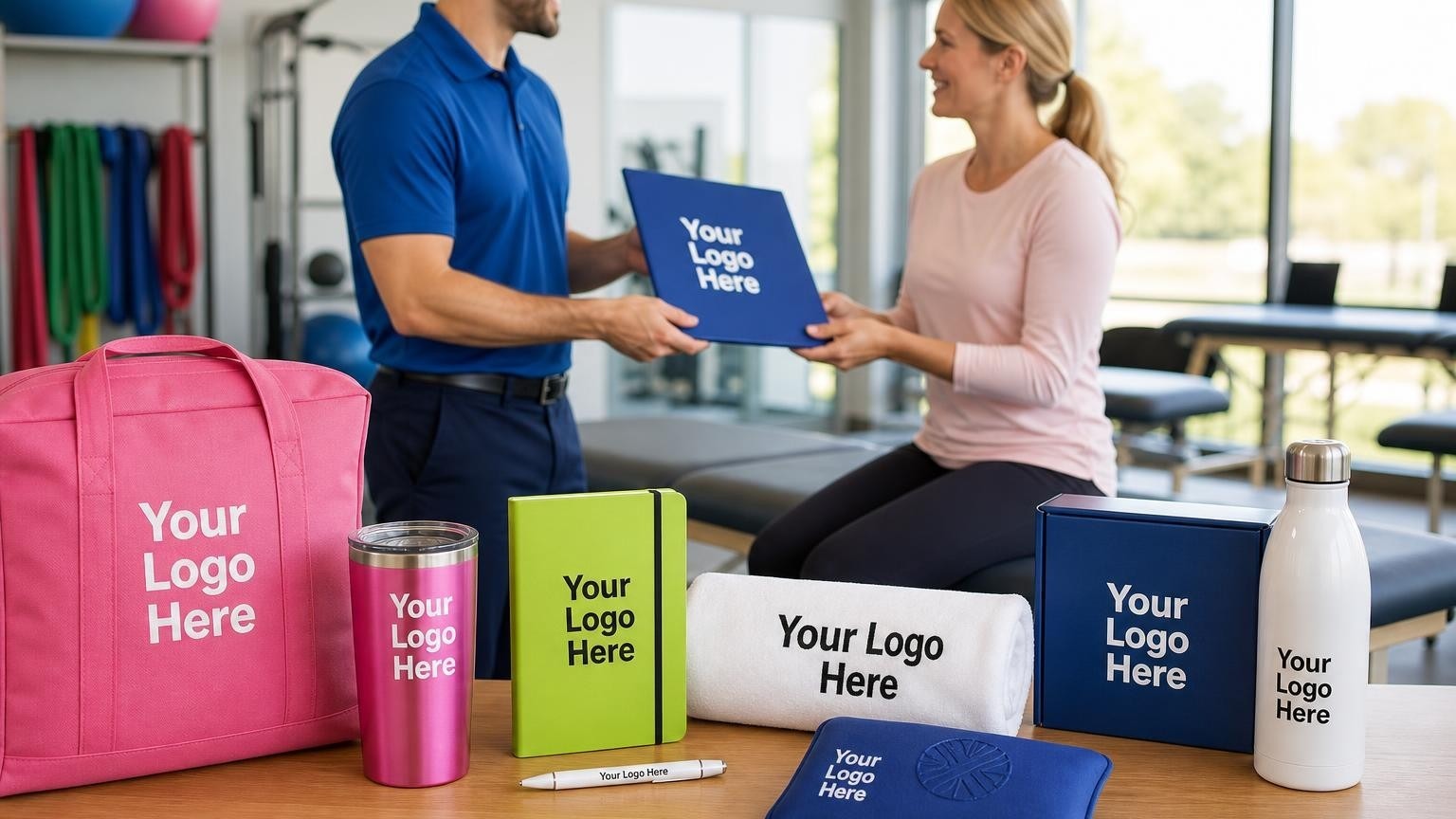
Family physical therapy clinics build long-term household loyalty and improve home exercise program compliance by distributing high-utility clinical tools and structured welcome kits sourced from Myron. Rather than using generic promotional items, successful practices provide patients with functional recovery aids like latex-free resistance bands, reusable ice packs, and durable organizational bags. These items serve as active, daily reminders of clinical care during home rehabilitation. By segmenting these tools for pediatric, adult, and geriatric patient workflows, clinics ensure safety and clinical utility, which naturally drives family-wide referrals and secures local physician referral pipelines.
- Latex-free resistance bands
- Reusable hot and cold gel packs
- Durable clinical folders and bags
- High-end writing instruments
Avoid: Cheap, non-functional novelty items that undermine clinical authority or pose safety risks to pediatric patients.
Designing the Ultimate Welcome Kit for Multi-Generational Families
First impressions in outpatient rehabilitation dictate long-term patient compliance and family-wide referrals. During the initial evaluation and intake session, patients are often overwhelmed by clinical diagnoses, anatomical explanations, and a stack of loose paper handouts detailing their home exercise programs. In busy households, these paper guides are easily misplaced or forgotten, leading to a drop-off in compliance before the second visit.
To solve this operational challenge, successful practices consolidate their onboarding materials into a structured, high-utility package. Providing a durable clinical folder or a dedicated bag during the first session ensures that patients keep their exercise sheets, appointment cards, and clinical tools organized in one place. For pediatric sports rehabilitation, this kit might include a colorful progress tracker with animal stickers to keep young patients motivated. For geriatric balance training or post-operative joint replacement rehabilitation, the kit can be equipped with high-contrast, easy-to-grip items that accommodate limited manual dexterity. By standardizing this onboarding process, you demonstrate clinical professionalism from day one, transforming a stressful medical appointment into an organized, supportive recovery experience.
Clinical Home Exercise Essentials
Distributed during initial evaluations to ensure patients have the exact physical tools needed for home exercise compliance.
Functional Tools that Support Home Exercise Program Compliance
To support home exercise program compliance, the items you distribute must have clear clinical utility. Cheap novelty items fail to support recovery and can undermine a medical practice's professional credibility. Instead, focus on durable, high-utility tools that patients will use daily during their rehabilitation.
Clinical fitness and wellness tools, such as latex-free TPE resistance bands and stretch straps, are excellent options for home exercise programs. Unlike cheap rubber bands that can snap and cause injury, high-quality TPE bands provide reliable resistance and safety for patients recovering from rotator cuff surgeries or knee replacements.
Hydration is another critical component of physical recovery. Providing patients with custom Sports Water Bottles encourages proper fluid intake while keeping your clinic's contact details visible in their homes and local gyms. For senior patients, select high-grip, easy-open bottles that are simple to use during home exercise sessions. For pediatric patients, colorful, squeeze-style bottles make hydration feel engaging and fun.
Additionally, organizing these tools into Physical Therapy Appreciation bags or clinical totes ensures that patients have everything they need for their home sessions in one portable container, preventing the loss of small clinical aids.
The Discharge Milestone: Celebrating Recovery and Securing Referrals
The final clinical discharge session is a highly emotional milestone for patients. After weeks of hard work, graduating from physical therapy represents a return to pain-free living, whether that means returning to high school sports or being able to play with grandchildren. Unfortunately, many clinics fail to celebrate this milestone, missing a prime opportunity to build long-term loyalty and encourage word-of-mouth referrals.
Handing a patient a high-quality recovery tool on their final day serves as a lasting reminder of their successful rehabilitation. Reusable gel packs are a practical choice here. When patients experience minor muscle tightness or joint stiffness months after discharge, they will reach into their freezers for their trusted cold pack. By distributing custom Ice Packs & Heat Pads printed with clear safety instructions and your clinic's logo, you provide ongoing therapeutic value while keeping your practice top-of-mind.
This discharge protocol is especially critical during seasonal surges, such as the post-deductible winter surgery rush or the end of the fall youth sports season. Equipping graduating patients with practical home-care tools ensures they continue to manage their physical wellness safely while sharing their positive recovery stories with friends and family.
Therapeutic Pain Management Tools
Given to post-surgical or acute pain patients to manage inflammation safely at home between clinical sessions.
Selecting the Right Patient Touchpoints by Clinical Scenario
Different patient demographics and clinical scenarios require distinct physical tools to support recovery and build trust. The table below outlines the recommended items, clinical purposes, and key safety considerations for each major patient group.
| Patient Demographic | Recommended Clinical Tool | Clinical & Operational Purpose | Key Safety & Material Consideration |
|---|---|---|---|
| Pediatric Sports Rehab | Squeeze balls & progress charts | Encourages compliance through interactive tracking and play-based exercise. | Must be non-toxic, durable, and free of small choking hazards. |
| Post-Operative Adults | Latex-free TPE resistance bands | Supports progressive strength training and home exercise compliance. | Avoid natural rubber latex to prevent patient allergic reactions; ensure proper resistance level. |
| Geriatric Joint Rehab | High-grip, easy-open water bottles | Promotes hydration and accommodates limited manual dexterity during recovery. | Select lightweight, shatterproof materials with high-contrast markings. |
| Acute Pain Patients | Reusable gel hot/cold packs | Manages localized inflammation and provides immediate home pain relief. | Must include clear, printed usage and microwave safety instructions directly on the pack. |
Structuring Your Patient Kit Inventory by Investment Level
To manage operational costs while maintaining high clinical standards, physical therapy clinics should structure their patient kit inventory into clear investment tiers. This approach allows practices to distribute resources effectively based on patient needs and treatment plan lengths.
- Good (Entry-Level Patient Aids): These items are ideal for short-term acute care patients or community health events. Practical options include custom Magnets featuring home exercise reminders, basic latex-free resistance bands, and custom-printed exercise guide folders.
- Better (Standard Welcome & Recovery Kits): Designed for standard multi-week treatment plans, such as rotator cuff rehab or ankle sprain recovery. This tier includes durable clinical drawstring bags, custom Health Theme Stress Balls for hand therapy, and reusable gel Ice Packs & Heat Pads with printed safety instructions.
- Best (Premium Discharge & Referral Packages): Reserved for long-term post-operative patients, multi-generational family welcome kits, or key physician referral partners. This premium tier features heavy-duty canvas organizational totes, fabric-wrapped hot/cold packs, and high-end metal writing instruments paired with custom notebooks for local medical specialists.
New Family Patient Welcome Totes
Bundling clinical handouts, pediatric progress charts, and home exercise tools into a professional, organized package.
Nurturing the Physician Referral Network with Professional Appreciation Gifts
While patient satisfaction drives word-of-mouth referrals, securing steady referral pipelines from local physicians, orthopedists, and pediatricians is vital for sustaining clinic growth. Busy medical offices and orthopedic clinics are visited by dozens of healthcare representatives daily, most of whom leave behind generic, low-utility desk clutter that is quickly discarded.
To stand out to local medical specialists who control your referral pipeline, your professional appreciation gifts must offer genuine operational utility. Delivering custom-branded anatomical clipboards, premium metal pens, or high-quality Stick-Up & Magnetic Calendars to local orthopedic nurse coordinators keeps your clinic's contact details visible on their desks where referral decisions are made.
Additionally, sponsoring local high school athletic trainers and school athletic directors with branded First Aid Kits & Dispensers builds deep community trust. When a student-athlete is injured on the sidelines, having your clinic's name and contact information immediately accessible on a high-quality first-aid kit ensures your practice is the first call the parents make. These professional, utility-driven touchpoints demonstrate that your clinic is a committed partner in community health.
Operational Insights for Managing Clinical Patient Kits
Based on Myron's experience helping organizations plan custom event merchandiseBased on experience helping healthcare organizations plan custom patient merchandise and clinical tools, Myron's team has gathered practical operational insights to help physical therapy practices manage their inventory and distribution workflows:
- Prioritize Latex-Free Materials: Always select latex-free TPE for resistance bands and stretch straps. Using hypoallergenic materials protects your patients from allergic reactions and safeguards your clinic's professional reputation.
- Print Safety Instructions Directly on Thermal Packs: To prevent patient injury and protect your clinic from liability, ensure all distributed hot and cold packs have clear, permanent microwave and freezer instructions printed directly on the product.
- Optimize Clinical Storage Space: Choose flat, stackable items like resistance bands, custom folders, and deflated exercise balls. These items can be stored efficiently in centralized clinical supply closets without cluttering valuable patient care areas.
- Segment Kits by Patient Demographic: Avoid a one-size-fits-all approach. Keep separate inventories of engaging, colorful items for pediatric patients and high-contrast, easy-grip tools for senior joint rehabilitation patients.
- Align Reorders with Seasonal Sports Cycles: Place your orders for youth sports rehabilitation kits in July or August, ahead of the fall sports season, and restock post-operative recovery tools in December to prepare for winter surgery surges.
A Strategic Planning Timeline for Seasonal PT Clinic Inventory
Managing physical therapy clinic inventory requires careful planning to ensure clinical tools are available ahead of seasonal patient surges. Use this timeline to coordinate your orders and maintain a steady supply of patient kits:
- 8 Weeks Before Peak Season (Planning & Selection): Assess your clinic's patient volume trends. Identify upcoming seasonal triggers, such as fall high school sports physicals or winter joint replacement surges. Select the appropriate clinical tools, welcome bags, and referral gifts.
- 6 Weeks Before Peak Season (Customization & Proofing): Work with your supplier to finalize your custom branding. Ensure all safety instructions, clinic contact details, and logos are correctly positioned on items like hot/cold packs and resistance bands. Review and approve the digital proofs.
- 4 Weeks Before Peak Season (Production & Shipping): Place your bulk order to allow ample time for production and shipping. This buffer ensures your items arrive well before your clinical supply closets run low.
- 2 Weeks Before Peak Season (Staff Training & Staging): Organize the incoming inventory in your clinical supply closets. Train your physical therapists and front desk staff on the distribution protocols, ensuring everyone knows when and how to hand out welcome kits and discharge gifts.
Common Mistakes to Avoid
- Prioritizing low cost over clinical utility and material durability.Thin, low-quality resistance bands can snap during home exercises, causing potential patient injury and damaging clinical trust.Better approach: Select professional-grade, latex-free TPE bands that offer reliable resistance and long-term durability.
- Distributing items without clear safety or clinical instructions.Patients may overheat hot packs or use cold packs incorrectly, leading to skin irritation or product damage.Better approach: Choose therapeutic hot/cold packs that allow custom printing of safety guidelines directly on the product cover.
- Ignoring the specific needs of different patient age demographics.Giving a complex, heavy grip-strengthener to an elderly arthritis patient or a small choking hazard to a pediatric patient is counterproductive and unsafe.Better approach: Segment your inventory to provide engaging progress trackers for kids and high-grip, easy-open items for seniors.
Frequently Asked Questions About Clinical Patient Kits
What are the most durable materials for custom resistance bands used in home exercise programs?
Latex-free TPE is highly recommended for clinical settings to prevent patient allergic reactions while maintaining long-term elasticity. Selecting high-quality TPE ensures the bands do not snap during patient home exercises, protecting patient safety and maintaining your clinic's professional standards.
How can we distribute hot and cold packs safely without violating medical compliance?
Ensure all distributed therapeutic packs include clear, printed safety instructions regarding microwave and freezer usage directly on the product. Partnering with a reliable supplier that prints permanent, legible safety guidelines directly on the gel packs helps prevent patient injury and protects your clinic from liability.
What types of promotional items work best for pediatric physical therapy patients?
Interactive progress trackers, colorful sticker charts, and custom squeeze balls keep children engaged in their rehab exercises. These kid-friendly tools make physical therapy feel like an engaging game, which significantly improves home exercise compliance and supports family-wide retention.
Partnering for Clinical Excellence and Patient Loyalty
Every physical tool a patient takes home from your clinic is a direct extension of your clinical standards. Distributing high-utility, durable recovery aids demonstrates a deep commitment to patient wellness that extends far beyond the clinic walls. By replacing generic, low-utility novelties with professional-grade welcome kits, therapeutic hot/cold packs, and structured home exercise tools, you actively support patient recovery while building multi-generational household loyalty.
As you prepare for the upcoming fall youth sports season or the winter joint surgery surge, ensure your physical touchpoints match the high level of care your therapists provide. Partnering with a reliable supplier like Myron ensures your custom clinical tools are safe, durable, and professionally branded. To build your clinic's custom recovery kits, explore Myron's curated selection of Physical Therapy Appreciation tools and wellness items to design your custom patient welcome and discharge kits.