


Open When You Need It: How Family Urgent Care Clinics Use Patient Kits and Employer Items to Build the Preferred Walk-In Destination
A strategic blueprint for urgent care clinic managers to integrate high-utility wellness items into patient discharge workflows and secure high-volume corporate contracts.
10 min read
Family urgent care clinics can build lasting community trust and secure B2B contracts by integrating Myron's high-quality wellness and pediatric items directly into their patient discharge and corporate outreach workflows. Strong choices include custom hot/cold packs, branded pediatric toys, and co-branded first aid kits. Three to four months prior to peak seasons like late summer (back-to-school physicals) and early autumn (flu season). Avoid ordering low-quality, fragile items that undermine the professional credibility of a medical facility.
The Critical Handoff: Where Clinical Care Meets Patient Trust
A parent walks through the double doors of a suburban walk-in clinic at 7:15 PM, holding a feverish toddler. The waiting room is busy, the fluorescent lights are bright, and the parent is visibly exhausted, seeking quick answers and reassurance. The clinical staff works efficiently, managing the unpredictable evening surge. Beyond the immediate medical assessment and treatment, the transition from the examination room to the exit door represents a critical window for the clinic. When a nurse hands the parent a clear care plan accompanied by a durable, practical item, the clinic's role shifts from a transactional medical stop to a trusted community resource. This physical handoff at discharge reinforces clinical instructions and ensures the family feels supported long after they return home.
Strategic Patient Touchpoints for Urgent Care Growth
Family urgent care clinics can build lasting community trust and secure valuable B2B occupational health contracts by integrating high-utility wellness items directly into clinical workflows. By partnering with Myron, clinic managers can equip discharge stations with custom health care products, co-branded first aid kits, and child-friendly items that ease patient anxiety. Rather than relying on generic giveaways, successful clinics select durable, clinically relevant items—such as pill boxes for multi-dose prescriptions or magnetic calendars for seasonal flu shot reminders—that support home recovery and keep the clinic top-of-mind when local families or employers need immediate, reliable care.
- Custom hot/cold packs
- Branded pediatric toys
- Co-branded first aid kits
Avoid: Avoid ordering low-quality, fragile items that undermine the professional credibility of a medical facility.
Optimizing the Discharge Handoff: Turning Clinical Care into Lasting Comfort
The final minutes of an urgent care visit represent the peak of patient cognitive retention, yet patients are often too overwhelmed to remember verbal instructions. In a high-volume suburban urgent care center or a multi-site urgent care network, the discharge desk is the critical operational point where clinical care transitions to home recovery. When a nurse reviews home care instructions, handing the patient a physical care kit provides immediate, practical support. For example, a patient treated for a minor orthopedic sprain receives a custom hot/cold compress pack. This item is not a novelty; it is a clinical tool that directly supports the recovery plan. Similarly, providing custom Pill Boxes alongside short-term multi-dose prescriptions helps patients manage their medication schedules accurately at home. This tangible handoff bridges the gap between the clinic and the home, turning a stressful medical event into a structured, supportive recovery experience. By placing these tools directly into the patient's hands at the moment of discharge, clinics reinforce their professional expertise and build deep local loyalty.
Discharge Care & Recovery Essentials
Support home recovery and reinforce clinical care instructions with high-utility wellness items.
Selecting High-Utility Clinical Tools for Patient Recovery
To make a meaningful impact on patient recovery, clinic managers must select items that serve a clear, practical purpose. Generic items often end up discarded, whereas health-focused tools remain in household medicine cabinets for years. When evaluating options, consider stocking discharge stations with Myron's Health Care Products to provide immediate relief. Practical options include digital thermometers for pediatric fever monitoring, custom hot/cold packs for joint injuries, and protective cases for discharge paperwork. For adult patients managing complex antibiotic or steroid regimens, custom pill organizers are highly valued. These items keep your clinic's contact details visible during daily health routines, ensuring that when a medical need arises, your facility is the first choice for the family.
Co-Branded Employer Wellness Programs: Securing Local Corporate Partnerships
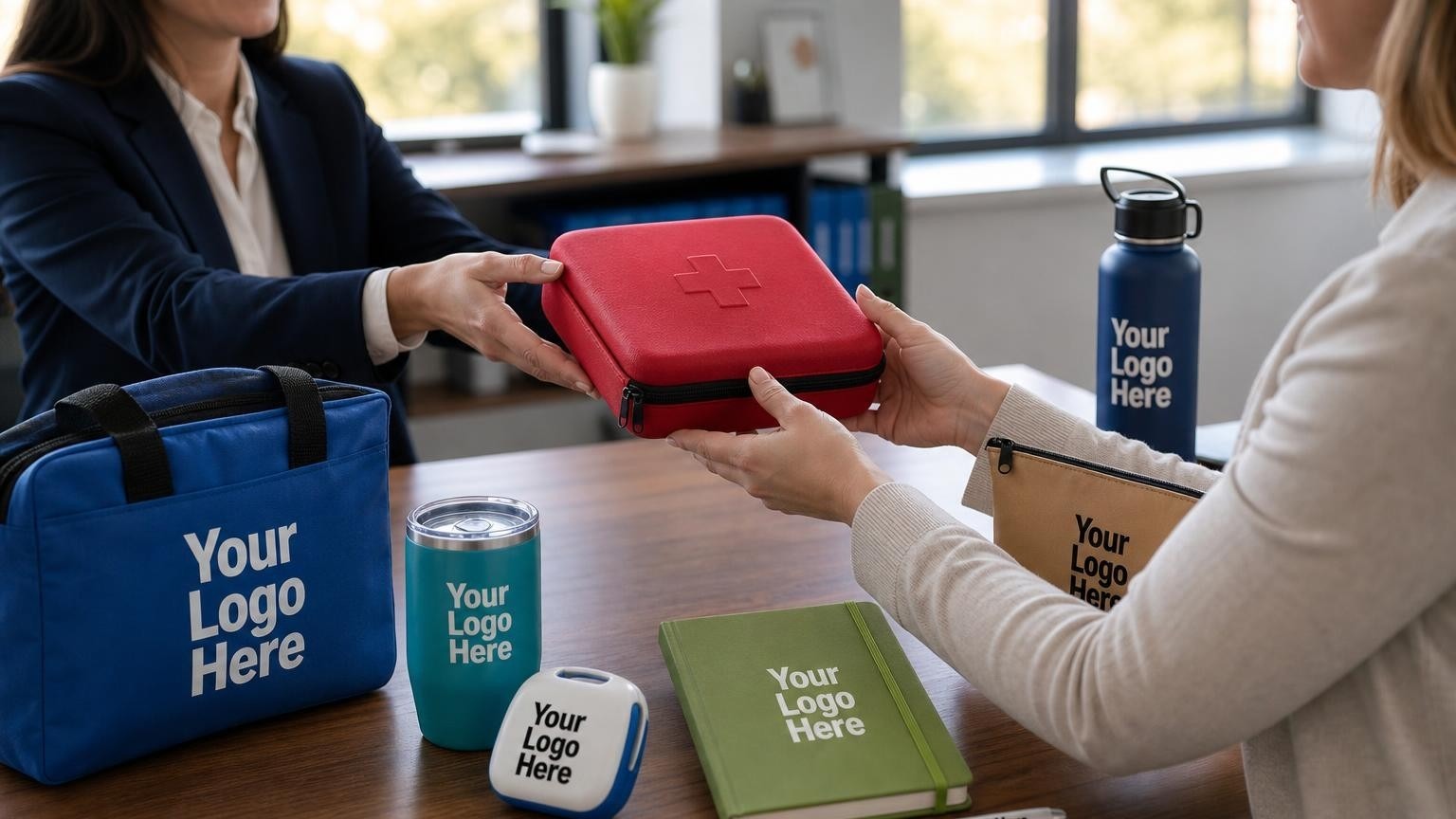
Securing recurring B2B occupational health contracts—such as pre-employment drug screenings, workplace injury care, and annual physicals—requires building strong relationships with local business leaders. Whether pitching to a high-volume manufacturing plant, a regional logistics hub, or a local construction firm, clinic managers must demonstrate a shared commitment to worker safety. A highly professional approach involves distributing co-branded First Aid Kits & Dispensers to corporate safety officers and human resource managers. During the annual corporate safety planning cycle, presenting a well-stocked, durable first aid kit featuring both the clinic's logo and the employer's logo establishes your clinic as a dedicated partner in workplace wellness. These kits are stored in highly visible central breakrooms or supervisor vehicles, ensuring your clinic's contact information is immediately accessible when an on-the-job injury occurs. This strategic alignment with local businesses drives consistent daytime patient volume and secures predictable, recurring revenue for your facility.
Corporate Occupational Health Partnerships
Secure and maintain recurring B2B contracts with local employers using co-branded safety gear.
Urgent Care Operational Use Cases and Product Alignment
| Clinical Scenario | Target Recipient | Recommended Product Type | Operational Goal |
|---|---|---|---|
| Pediatric Sprain or Strain | Parent & Injured Child | Custom Hot/Cold Gel Packs | Provide immediate physical relief and home care support |
| Multi-Dose Prescription Discharge | Adult Patient | Branded Multi-Compartment Pill Boxes | Support medication adherence and prevent dosing errors |
| B2B Occupational Health Pitch | Manufacturing HR Manager | Co-Branded First Aid Kits | Secure recurring contracts for workplace injury care |
| Seasonal Flu Shot Campaign | Local Community Members | Magnetic Calendars & Sanitizers | Drive high-volume autumn vaccination walk-ins |
| Pediatric Vitals Assessment | Anxious Child | Custom Magnets with Emergency Numbers | Distract the patient and provide emergency info to parents |
Pediatric Care Touchpoints: Calming Young Patients and Anxious Parents
Managing pediatric patient anxiety is one of the greatest operational challenges in a family walk-in clinic. An anxious, crying child makes clinical assessments difficult for nursing staff and increases overall visit times, directly affecting patient throughput. To manage this tension, successful clinics integrate calming touchpoints into the early stages of the visit. While waiting in the examination room, handing a child a simple, engaging item can completely change the tone of the interaction. For example, providing custom Magnets featuring pediatric dosage charts or emergency contact numbers gives parents a highly useful tool for the home refrigerator, while giving the child a small, safe item to hold. Additionally, equipping clinical staff with custom Economy Plastic Pens allows nurses to hand a clean, branded pen to parents for completing intake paperwork, which they can then keep. These small, thoughtful gestures reduce stress for both the child and the parent, transforming a high-anxiety medical visit into a positive, reassuring experience that parents will remember when recommending a clinic to other local families.
Strategic Investment Tiers for Urgent Care Operations
Clinic managers must balance operational budgets while maintaining a professional image. Organizing your promotional and clinical-support inventory by investment level ensures you allocate resources effectively across patient care and B2B marketing:
- Good (High-Volume Patient Touchpoints): Practical, everyday items distributed widely to manage waiting room anxiety and support basic hygiene. Recommended products include custom Hand Sanitizer bottles, branded Lip Balm for cold season, and custom emergency contact magnets.
- Better (Clinical Discharge Support): Mid-range items handed out by clinical staff to support specific recovery plans. Recommended products include multi-compartment pill boxes, custom hot/cold compress packs, and protective document sleeves for discharge instructions.
- Best (B2B Partnership & Corporate Outreach): Premium, highly durable items designed for corporate safety officers, local HR managers, and referring physicians. Recommended products include co-branded first aid kits, durable clinical clipboards, and high-quality insulated travel gear.
Operational Insights from Myron's Healthcare Support Team
Based on Myron's experience helping organizations plan custom event merchandiseBased on experience helping healthcare organizations plan custom wellness merchandise, Myron's team has gathered practical operational insights to ensure your clinic's items perform effectively in a fast-paced medical environment:
- Prioritize Washable Materials: Pediatric rewards and waiting room items must be easy for staff to sanitize or designed for single-patient use to maintain strict clinical hygiene standards.
- Optimize Storage Footprints: Central clinical supply closets are highly contested spaces. Select flat, stackable items like magnetic calendars or compact first aid kits that fit easily into standard treatment room cabinets.
- Double-Brand for B2B Success: When pitching occupational health services, always feature the local employer's logo alongside your clinic's logo on first aid kits to show a shared commitment to worker safety.
- Keep Emergency Numbers Clear: When customizing magnets or calendars, ensure your clinic's phone number, address, and hours of operation are printed in a high-contrast, easy-to-read font for quick reference during a household emergency.
- Select Non-Toxic, Safe Items: Ensure all pediatric items are completely non-toxic and free of small parts to prevent choking hazards, protecting both the child and the clinic's professional reputation.
Seasonal Planning Timeline for Urgent Care Campaigns
To ensure your clinic is fully prepared for peak seasonal surges, follow this structured ordering and distribution timeline:
- 12 Weeks Before Peak Season: Identify upcoming seasonal surges, such as the late-summer back-to-school physical rush or the autumn flu shot campaign.
- 10 Weeks Before Peak Season: Select product categories, request physical samples from Myron to evaluate quality, and finalize your custom artwork or co-branding designs with local corporate partners.
- 8 Weeks Before Peak Season: Place your bulk orders for items like custom Stick-Up & Magnetic Calendars or pediatric comfort rewards to allow ample time for production and proof approvals.
- 4 Weeks Before Peak Season: Receive and distribute inventory to central clinical supply closets, training nursing and front-desk staff on how to integrate the items into discharge and intake workflows.
- Peak Season Launch: Distribute items actively during patient visits and corporate outreach campaigns, tracking patient satisfaction and B2B inquiry rates.
How to Choose the Right Item
- Clinical Utility AlignmentAsk: 'Does this item directly support the patient's recovery or discharge instructions?' Choose hot/cold packs, pill organizers, or first aid kits over generic keychains.
- Pediatric Safety & ComfortAsk: 'Is this item safe, non-toxic, and comforting for an anxious child?' Choose durable, washable items and avoid small plastic parts that present choking hazards.
- B2B ProfessionalismAsk: 'Does this item project the high level of professionalism required to win corporate health contracts?' Choose premium first aid kits or durable clipboards over flimsy plastic pens.
Common Mistakes to Avoid
- Prioritizing low cost over product safety and durability.Cheap, fragile items undermine the professional credibility of your medical staff and can present safety hazards.Better approach: Invest in fewer, higher-quality items like durable pill boxes or non-toxic pediatric tools that reflect clinical excellence.
- Failing to co-brand items for corporate partnership campaigns.Printing only your clinic's logo misses the opportunity to make local employers feel like true partners in workplace safety.Better approach: Feature the local employer's logo alongside your clinic's logo on high-utility items like first aid kits.
- Distributing items with no clear clinical or operational utility.Generic giveaways with no clinical purpose are quickly discarded, wasting marketing budget.Better approach: Select items that directly support discharge instructions or ease waiting room anxiety, such as pediatric magnets or pill organizers.
Frequently Asked Questions
What are the most durable items to include in a pediatric patient welcome kit?
Opt for washable, non-toxic items like custom silicone wristbands, branded plush toys, and durable plastic bandage dispensers that withstand frequent handling. These materials ensure safety and longevity, providing lasting comfort to children and continuous brand exposure to parents.
How can urgent care clinics use promotional items to drive annual flu shot campaigns?
Distribute custom hand sanitizers and wellness trackers during late summer visits to remind patients to return for their autumn vaccinations. Coupling these items with magnetic calendars ensures your clinic's hours and flu shot availability remain highly visible on the family refrigerator.
What promotional products work best for local employer occupational health partnerships?
High-utility items like co-branded first aid kits, durable clipboards for safety managers, and insulated water bottles for field employees work best. These professional tools demonstrate clinical authority and keep your urgent care clinic top-of-mind for workplace injury care and drug screenings.
Partnering for Stronger Community Health and B2B Growth
Integrating high-utility physical touchpoints into your urgent care workflows is a practical, highly effective way to bridge clinical care and community trust. Whether comforting an anxious child during a late-night fever scare or securing a major occupational health contract with a local manufacturer, the quality of the items you distribute reflects the clinical excellence of your medical staff. As you prepare for the upcoming back-to-school physical rush or the autumn flu shot campaign, planning your inventory early ensures smooth clinical workflows and maximum community impact. Explore Myron's specialized selection of clinical-grade wellness and pediatric promotional products to improve your patient experience today, and consult with our product specialists to design custom patient care and corporate partnership kits that support your clinic's growth.