


Teaching Dollars and Sense: How Financial Literacy Nonprofits Use Branded Tools to Make Money Lessons Stick
Why physical budget planners, piggy banks, and calculators outperform digital apps for building long-term financial habits in community programs.
10 min read
Financial literacy nonprofits use custom tools from Myron to turn abstract financial concepts into daily habits, bridging the gap between classroom lessons and real-world behavior. Strong choices include custom planners, novelty piggy banks, and calculators. Order at least 6-8 weeks prior to the launch of school semesters or major community workshop series. Avoid ordering cheap, non-functional novelties that do not support the educational curriculum.
A Quiet Shift in the Classroom
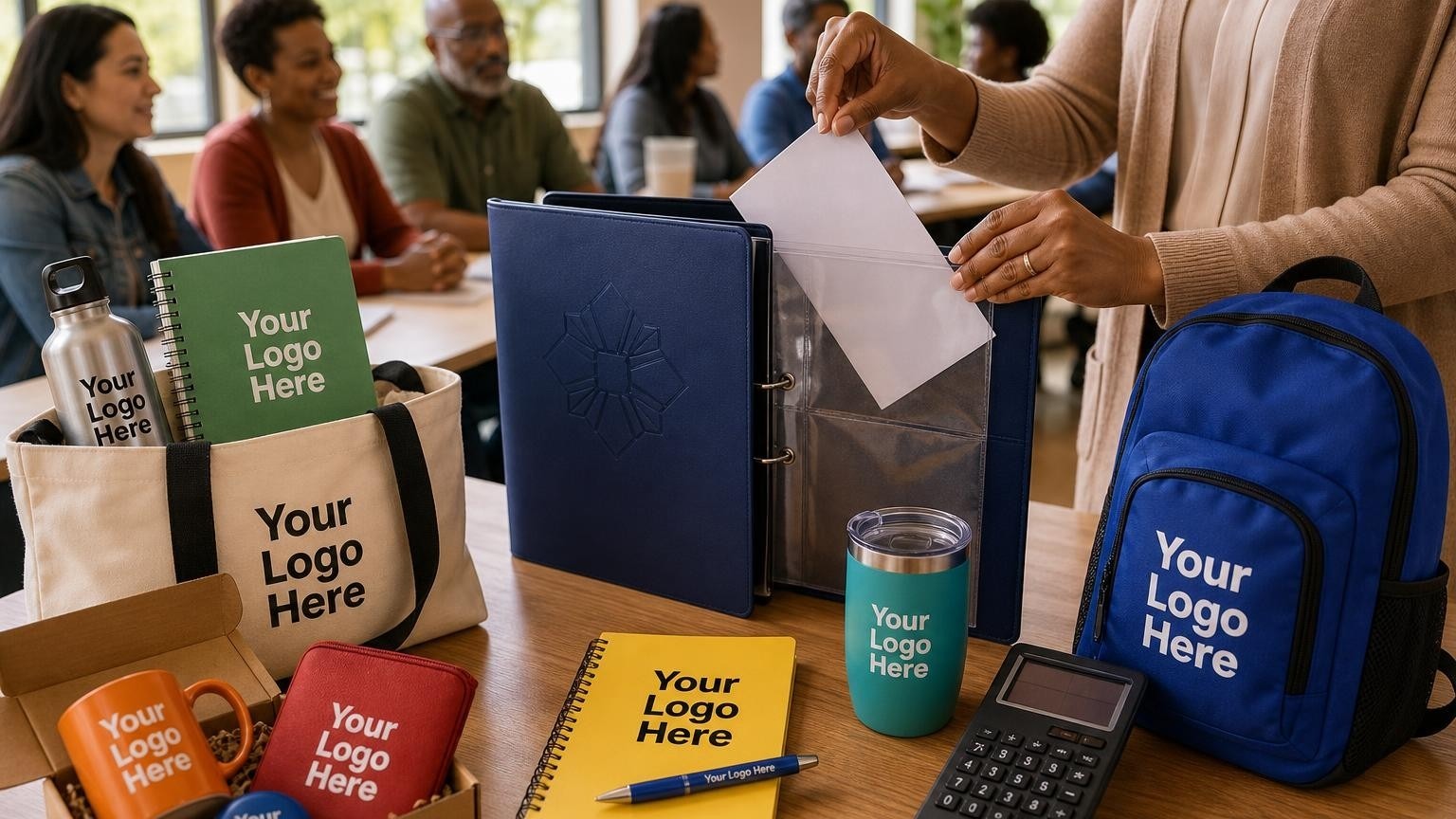
A community center classroom is filled with local residents attending a weekend budgeting seminar. The initial anxiety in the room softens as the instructor hands out custom-branded planners and calculators, giving participants immediate, physical tools to map their financial goals. A high school student proudly places a custom piggy bank on their dresser, using it daily to save spare change while remembering the lessons from their classroom workshop. The physical touch of turning a page in a budget planner or hearing a coin drop into a piggy bank provides a tactile feedback loop that digital apps simply cannot match. Many community programs struggle with low participant retention after workshops end, as digital budgeting apps are easily deleted or ignored, whereas physical tools remain visible on desks. This guide explores how community organizations can select and distribute functional, educational tools that serve as active learning aids and long-term behavioral prompts.
How Financial Literacy Nonprofits Use Custom Tools
Financial literacy nonprofits use custom tools from Myron to turn abstract financial concepts into daily habits, bridging the gap between classroom lessons and real-world behavior. By distributing physical budget planners, piggy banks, and calculators, organizations provide participants with tangible visual reminders that remain in their homes long after a workshop ends. These offline tools are highly inclusive for underbanked populations who may face digital barriers or lack reliable smartphone access. Selecting durable, high-utility items aligned with specific demographic needs ensures that limited outreach budgets are spent on items that support the educational curriculum rather than temporary novelties.
- Custom Planners
- Novelty Piggy Banks
- Calculators
Avoid: Avoid ordering cheap, non-functional novelties that do not support the educational curriculum.
Anchoring Adult Budgeting Habits with Physical Planners
During a multi-week adult financial literacy workshop, the transition from classroom theory to home application is where many programs falter. When a participant leaves a session with only a digital app recommendation, the lesson often fades. However, when an instructor hands out physical custom budget planners, it establishes a structured, offline routine. In a community center cash-envelope workshop, participants physically slide cash into designated envelopes tucked inside their planner binders. This physical interaction creates a tactile feedback loop that reinforces daily discipline. When selecting tools for adult workshops, custom budget planners offer the highest daily engagement rate, keeping your organization's contact details and educational prompts visible on kitchen counters and desks where household financial decisions are made.
Essential Adult Budgeting Tools
Providing adult workshop participants with daily tracking and calculation aids.
Teaching Savings Early: Tactile Tools for Youth Programs
Youth outreach programs require a completely different approach to engagement. During elementary school savings partnership visits, abstract discussions about compound interest or savings accounts fail to connect with young minds. Instead, distributing physical branded piggy banks makes the concept of saving tangible and fun. When a child drops a physical coin into a slot, the sound and weight provide immediate reinforcement. This simple, classic tool sits on a bedroom dresser, serving as a daily visual prompt to save spare change. By integrating these items into classroom budgeting simulations, educators turn a dry lecture into an active, hands-on experience that children remember. For elementary school partnerships, branded piggy banks make the concept of saving tangible and fun, helping young learners build positive financial habits early in life.
Youth Savings & Outreach Kits
Engaging elementary and middle school students during classroom partnerships.
Selecting the Right Educational Aids for Your Curriculum
Rather than purchasing generic promotional giveaways that lack educational context, program directors should focus on functional items that directly support their teaching goals. For instance, when setting up classroom environments for adult education or senior financial planning seminars, ensuring your workshop tables are stocked with custom calculators is a practical option here. These calculators allow participants to actively calculate interest rates, debt repayment schedules, and monthly savings goals during the session. For youth programs, combining piggy banks with colorful sticky note pads allows students to label their savings goals directly on their piggy banks, turning a simple item into a personalized savings plan.
Matching Financial Literacy Tools to Program Scenarios
To help program directors choose the most effective tools for their specific outreach goals, the following table compares common educational scenarios, target demographics, and recommended physical aids.
| Program Scenario | Target Demographic | Recommended Physical Aid | Primary Educational Benefit |
|---|---|---|---|
| High School Budgeting Simulation | Teenagers & Young Adults | Custom Solar Calculators | Supports hands-on interest and debt calculations |
| Senior Center Retirement Seminar | Older Adults & Retirees | Large-Print Custom Planners | Provides highly visible, offline tracking for fixed incomes |
| Elementary School Savings Visit | Young Children (K-5) | Branded Piggy Banks | Teaches the physical habit of saving spare change |
| Community Cash-Envelope Workshop | Underbanked Adults | Planner Binders with Envelopes | Offers a structured, physical system for cash management |
Investment Tiers: Maximizing Your Outreach Budget
Nonprofit organizations must make every dollar count, balancing the cost-per-participant with the long-term utility of the tools they distribute. Here is how to structure your physical tool selection based on your program's investment levels:
- Good (Entry-Level Outreach): Best for large-scale community resource fairs and broad public outreach. Focus on highly accessible, lightweight items like custom sticky note pads, basic branded calculators, and financial symbol stress balls. These items serve as helpful introductory handouts that keep your organization's contact information visible.
- Better (Mid-Range Workshop Kits): Best for multi-week community courses and school-based partnerships. Invest in durable, functional tools like flat-folding custom planners, solar-powered calculators, and sturdy branded piggy banks. These items are integrated directly into the curriculum as active learning aids.
- Best (Major Donor & Board Stewardship): Best for annual fundraising galas, major donor appreciation, and board member gifts. Focus on high-quality, professional items like executive portfolios, executive-grade metal pens, and structured planner diaries. These gifts reflect your organization's professional stewardship and build long-term donor relationships.
Operational Insights from Myron's Supply Team
Based on Myron's experience helping organizations plan custom event merchandiseBased on experience helping community organizations plan custom event merchandise and educational campaigns, Myron's team has gathered practical operational insights to help your program run smoothly:
- Prioritize Flat-Packing Designs: Staff frequently transport outreach materials in personal vehicles to offsite community centers. Selecting flat-folding planners and lightweight calculators reduces transport strain and fits easily into standard storage bins.
- Avoid Fragile Materials: For mobile workshops, avoid heavy ceramic or glass items that chip easily during transport. Opt for durable plastics, high-quality paperboard, and canvas that survive frequent packing and unpacking.
- Align Branding with Utility: Keep your organization's logo and contact information clean and legible. Oversized branding can make a functional tool feel like an advertisement, whereas a subtle, professional imprint encourages daily use.
- Order Around the Academic Calendar: If your program partners with local school districts, place your orders at least 6 to 8 weeks before the fall or spring semesters begin to avoid shipping rushes.
- Consolidate Orders for Bulk Pricing: Combine the needs of different program departments—such as youth outreach and adult workshops—into a single order to maximize bulk pricing discounts and stretch your grant funding further.
Planning and Ordering Timeline for Seasonal Programs
To ensure your educational tools arrive in time for your next cohort, follow this structured planning timeline:
- 8 Weeks Before Program Launch: Audit your upcoming workshop schedule and estimate participant numbers. Select the specific product categories that align with your curriculum goals.
- 6 Weeks Before Program Launch: Finalize your custom artwork and logo files. Submit your order to Myron and request a digital proof to verify imprint placement.
- 4 Weeks Before Program Launch: Approve the final proof. This allows ample time for production and bulk shipping to your central office or storage facility.
- 2 Weeks Before Program Launch: Receive and inspect your shipment. Pack your outreach kits or workshop bins so they are organized and ready for transport to community sites.
- 1 Week Before Program Launch: Distribute the tools to your workshop instructors and volunteers, ensuring they understand how to integrate each item into the educational exercises.
Common Mistakes to Avoid
- Choosing cheap, non-functional novelties to save budget.Nonprofits operate on tight budgets and often prioritize quantity over utility, but flimsy items break quickly and fail to support the educational curriculum.Better approach: Invest in fewer, high-quality items like durable planners that participants will keep and use daily.
- Relying solely on digital apps for post-workshop engagement.Organizers assume digital apps are more modern and cost-effective, but many underbanked participants lack reliable smartphone access or data plans.Better approach: Provide physical tools that serve as constant visual reminders on desks or dressers.
- Ignoring the physical storage and transport limits of workshop staff.Staff order bulky or heavy items without considering how they will be transported to mobile community sites, leading to damaged products and logistical strain.Better approach: Select flat-packing, lightweight items like custom planners and tote bags.
Frequently Asked Questions
What are the best promotional items for youth financial literacy programs?
Tactile, engaging items like custom piggy banks and colorful calculators are highly effective for teaching basic savings concepts to younger audiences. These physical tools make abstract financial lessons tangible and fun, encouraging children to build positive savings habits early in life.
How can we use branded planners to improve workshop attendance and retention?
Distribute planners at the start of a multi-week series as a personal workbook, encouraging participants to return each week to fill out their financial tracking. When participants have a physical, structured tool to write in, they feel a stronger sense of ownership and commitment to completing the course.
How do we select durable items that donors will appreciate during annual giving drives?
Focus on high-quality, professional items like executive portfolios or high-end pens from Myron that donors can use in their daily professional lives. Choosing practical, durable gifts reflects your organization's commitment to quality and stewardship, keeping your mission top-of-mind for key supporters.
Equipping Your Next Cohort for Success
Building financial literacy in our communities requires more than just sharing information; it requires providing the practical, physical tools that turn knowledge into action. As you prepare for your upcoming fall or spring workshop series, take a moment to audit your curriculum and identify where physical tools can reinforce your lessons. Whether you are teaching young children the value of saving with a piggy bank or helping adults manage their household budgets with a structured ledger, the right physical aids make a lasting difference. Explore Myron's selection of custom planners and educational tools to improve your next community workshop, and choose the practical aids that support your community goals.