


How Learning Disability Centers Build Referral Networks with Branded Tools
For learning disability centers, physical touchpoints are not mere promotional items; they are clinical-grade tools that build the trust-based referral networks and parent confidence required to sustain and grow enrollment.
9 min read
Learning disability centers build high-trust referral networks and ease parent anxiety by using professional welcome kits, structured communication materials, and sensory-friendly tools from Myron. Strong choices include heavy-duty multi-pocket binders and folders, quiet, textured sensory stress relievers, and durable, professional zippered tote bags. Order in late spring to prepare for the critical back-to-school enrollment and IEP alignment cycles. Avoid cheap, loud, or sharp novelty toys that trigger sensory overload or look unprofessional to school specialists.
The IEP Alignment Table: Where Professional Trust Begins
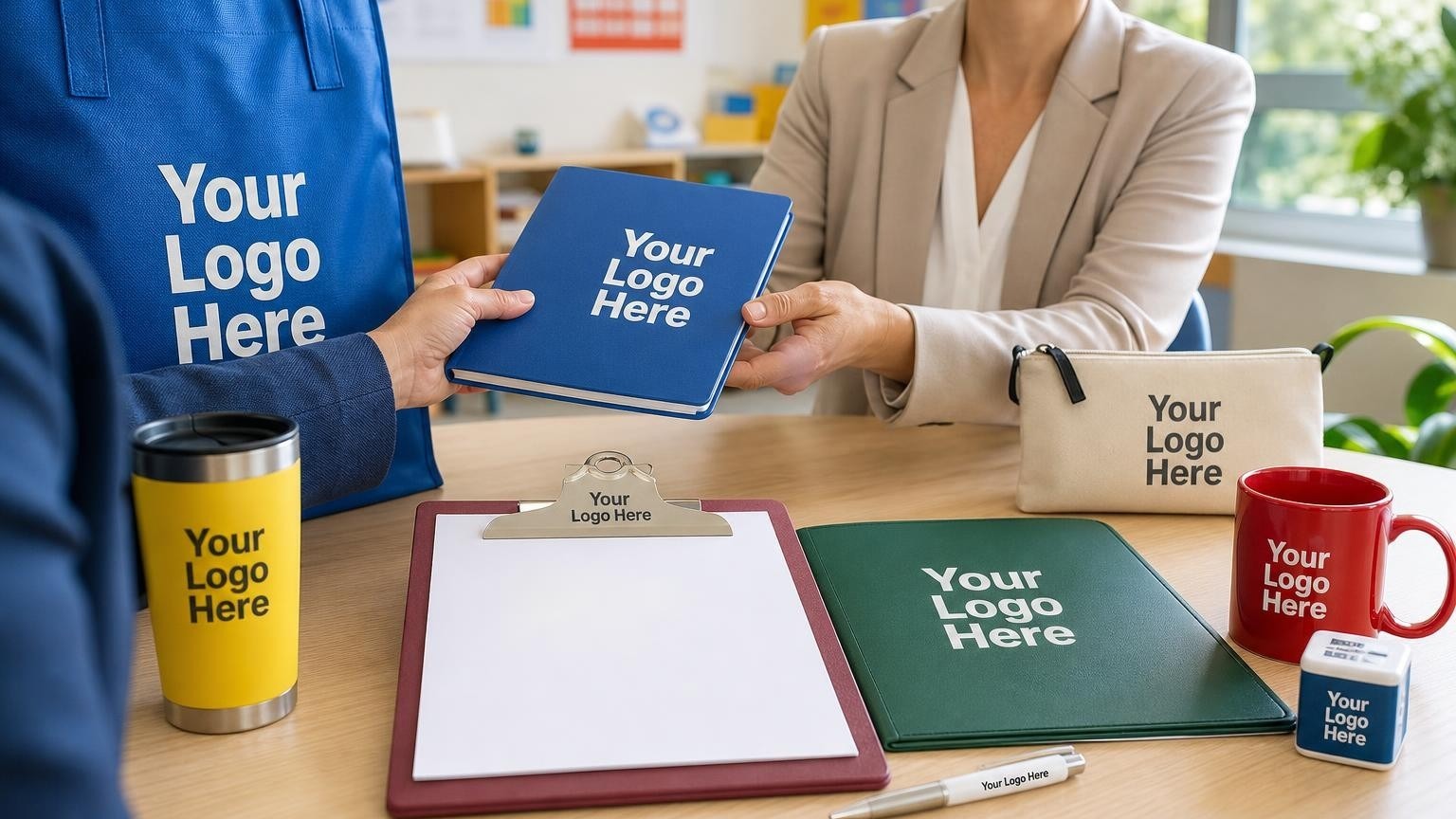
The learning center director sits at a polished conference table, arranging neat stacks of student progress folders and diagnostic reports before the annual IEP alignment meeting. In less than an hour, three public school special education teachers and a district psychologist will arrive. These specialists hold the keys to the center's enrollment; their professional trust is what drives the referral pipeline for the upcoming academic term. The director places a heavy-duty, custom-branded clipboard at each seat, topped with a clean notepad and a smooth-writing pen. This meeting is not just about reviewing clinical data; it is about demonstrating operational precision. In a field where parents are anxious and school districts are highly protective of their resources, every physical detail must signal clinical-grade organization. The director checks the alignment of the folders one last time, ensuring that the center's structured approach to educational development is visible before the first handshake takes place.
Quick Guide: Building Trust and Referrals for Learning Disability Centers
Learning disability centers build high-trust referral networks and ease parent anxiety by using professional welcome kits, structured communication materials, and sensory-friendly tools from Myron. To secure consistent student referrals from public school specialists and reassure families during stressful intake phases, centers should focus on high-utility classroom resources and organized parent-teacher communication loops. Key tools include durable clipboards for school psychologists, custom note jotters for daily progress tracking, and quiet, sensory-safe writing instruments. By avoiding loud, distracting novelty items and focusing on clinical-grade organization, centers establish the professional credibility required to support long-term student success.
- Heavy-duty multi-pocket binders and folders
- Quiet, textured sensory stress relievers
- Durable, professional zippered tote bags
Avoid: Avoid cheap, loud, or sharp novelty toys that trigger sensory overload or look unprofessional to school specialists.
The Referral Engine: Equipping Special Education Teachers as Brand Ambassadors
Building a reliable referral pipeline with public school systems requires a deep understanding of the daily operational realities that special education teachers face. These educators manage heavy caseloads, complex paperwork, and constant classroom transitions. When a learning center director provides them with practical, professional tools, it builds immediate goodwill and positions the center as an extension of their support team.
During annual referral drives, distributing practical teacher appreciation gifts like heavy-duty clipboards and organized resource folders helps school specialists manage their workflows. For example, a school psychologist conducting a student evaluation in a busy classroom relies on a sturdy writing surface to record behavioral observations. Handing them a custom-branded clipboard during a joint evaluation meeting provides immediate utility.
This approach respects the strict compliance guidelines of public school districts. While personal luxury gifts are routinely returned due to ethics policies, professional classroom resources are accepted as practical tools. When these items are customized with the center's contact information, they remain in the classroom as a constant, professional reminder of where to refer struggling students.
The Intake Milestone: Easing Parent Anxiety with Structured Communication
The transition from diagnostic evaluation to active enrollment is an emotionally taxing period for families. Parents are often overwhelmed by complex Individualized Education Programs (IEPs), clinical jargon, and the stress of managing their child's developmental challenges. A structured welcome kit distributed during the intake meeting provides immediate psychological reassurance.
Using customized note jotters & memos allows parents to record daily observations, therapy schedules, and behavioral milestones at home. This simple organizational tool helps bridge the communication gap between the center and the family living room. When a parent sits down for a progress review and opens a well-organized binder containing their child's weekly reports, their anxiety decreases because they can see a clear, structured path forward.
This structured approach is equally vital across different specialized settings. Whether operating a pediatric occupational therapy clinic, a speech-language pathology center, or a specialized private school, clear communication materials ensure that clinical data is accessible. Providing durable, professional folders to house sensitive diagnostic paperwork prevents critical files from being misplaced and reinforces the center's clinical standards.
Selecting Sensory-Friendly and Clinical-Grade Tools
Selecting materials for a specialized learning environment requires careful attention to sensory safety and behavioral regulation. Traditional promotional items, such as loud plastic clicker pens or flashing toys, can cause sensory overload or disrupt classroom focus. Instead, directors must select quiet, tactile tools that support student focus.
For student intake assessments and daily therapy sessions, specialized autism awareness items and soft-touch sensory tools help students self-regulate during transitions. Quiet, textured silicone items provide a calming sensory input without distracting peers.
Writing instruments also play a role in student progress. Distributing high-quality personalized pencils with textured grips helps students with fine-motor challenges practice their writing skills. When these tools are integrated into daily lessons, they serve a dual purpose: assisting with therapeutic goals while keeping the center's supportive presence active in the student's home routine.
Operational Comparison: Selecting the Right Touchpoints for Each Stakeholder
To maximize the impact of your center's resources, it is helpful to align specific tools with the unique operational needs of each recipient group. The following table outlines the best choices for each key stakeholder:
| Stakeholder Group | Primary Operational Need | Recommended Tool | Ordering Timeline |
|---|---|---|---|
| Public School Teachers | Classroom utility & compliance-friendly resources | Custom clipboards & teacher appreciation gifts | Late Spring (May/June) |
| Parents at Intake | Structured home-to-center communication | Customized note jotters & memos | Early Summer (June/July) |
| Students in Therapy | Sensory regulation & quiet focus | Specialized autism awareness items | Mid-Summer (July/August) |
| School Psychologists | Professional evaluation support | High-quality personalized pencils | Late Spring (May/June) |
Investment Tiers: Aligning Resources with Clinical Impact
When planning your center's physical touchpoints, organizing your selections by investment level helps maintain budget discipline while meeting clinical standards.
- Good: Entry-level items designed for high-volume classroom use. This tier includes high-quality personalized pencils with soft grips, basic wooden pencils, and quiet silicone focus tools that can be distributed freely during community awareness events.
- Better: Mid-range items that support daily parent-teacher communication loops. This tier features customized note jotters and memos, magnetic calendars for tracking therapy schedules, and specialized autism awareness sensory items for intake kits.
- Best: Premium, highly durable materials reserved for professional referral partners and formal intake milestones. This tier includes heavy-duty multi-pocket binders, custom-printed clipboards, and professional teacher appreciation gift sets designed to secure long-term school district trust.
Operational Insights from Myron's Supply Team
Based on Myron's experience helping organizations plan custom event merchandiseBased on experience helping organizations plan custom educational and clinical merchandise, Myron's team has gathered practical operational insights to help learning centers maximize their investment:
- Prioritize Flat, Stackable Items: Flat items like note jotters and folders reduce administrative storage stress in small clinic closets and are easy for staff to carry in batches to therapy rooms.
- Avoid Loud Mechanisms: Select twist-action or capped writing tools rather than loud click-action pens to prevent auditory distractions during quiet student evaluations.
- Use High-Visibility Colors for Parents: Parent communication binders and note pads should feature bright, recognizable colors so they do not get lost in busy households.
- Focus on Utility for School Compliance: When building referral networks, choose classroom utility items like clipboards and pencils to ensure compliance with school district gifting policies.
- Pre-Assemble Welcome Kits: Assemble your parent welcome kits and student sensory packs in mid-summer to save administrative staff hours of work during the hectic September intake rush.
Professional Referral Partner Kits
Build trust and maintain compliance with public school special education teachers using professional classroom tools.
Structured Parent Welcome Kits
Ease family anxiety and organize clinical paperwork during student intake with practical calendars and tracking tools.
Sensory-Friendly Focus Tools
Assist students with sensory regulation and celebrate milestones quietly using quiet, tactile items.
Common Mistakes to Avoid
- Purchasing loud or visually overstimulating novelty toys for students.Loud clickers or flashing toys cause sensory overload and disrupt therapy sessions.Better approach: Select quiet, textured, soft-touch sensory tools that assist with focus and regulation.
- Using flimsy paper folders for parent intake materials.Flimsy folders tear easily, risking the loss of sensitive clinical and diagnostic paperwork.Better approach: Invest in heavy-duty, multi-pocket binders that protect confidential student data for years.
- Distributing overly personal gifts to public school teachers.Public school teachers are bound by strict ethical codes regarding receiving personal gifts from private entities.Better approach: Provide professional classroom utility items like clipboards and notebooks that comply with district policies.
Frequently Asked Questions About Learning Center Resources
What types of sensory-friendly promotional items are safe for children with learning disabilities?
Focus on soft-touch materials, quiet fidget tools, and textured writing grips that avoid loud noises or sharp edges. These items support sensory regulation without causing behavioral disruption or peer distraction.
How can we use branded materials to improve parent engagement and home-to-center communication?
Utilize structured, multi-pocket binders and progress journals that make daily communication between therapists and parents seamless and professional. Providing a dedicated space for daily notes ensures consistent home-program execution.
What is the best way to distribute appreciation kits to public school special education partners without violating school policies?
Focus strictly on professional utility items like high-quality notebooks, folders, and writing instruments that are classified as classroom resources rather than personal gifts. This maintains compliance with strict school district ethics codes.
Securing the Next Semester of Trust
Every physical item your learning center distributes—from a structured parent binder to a quiet sensory tool—is an investment in clinical trust and student progress. By choosing high-quality, professional resources that align with educational workflows, you demonstrate a commitment to operational excellence that school specialists and anxious parents will immediately recognize. As you prepare for the upcoming fall enrollment and IEP alignment cycles, we invite you to explore Myron's selection of professional binders, sensory tools, and custom welcome kit essentials to strengthen your center's professional presence and support every student's milestone.