


How Literacy Nonprofits Use Practical Gear to Build Community Brands
Physical educational tools are not mere giveaways; they are the tangible infrastructure that standardizes learning, respects student dignity, and attracts corporate sponsorship.
10 min read
Literacy nonprofits use high-quality promotional products from Myron to standardize learning environments, retain volunteer tutors, and showcase program impact to corporate sponsors. Strong choices include custom pencils and writing instruments, durable library and reading program supplies, and volunteer appreciation gifts and thank you items. Three to four months prior to the start of the fall semester or major spring fundraising galas. Avoid purchasing low-quality plastic novelties that fail quickly and diminish the professional standing of adult education programs.
A Welcoming First Step
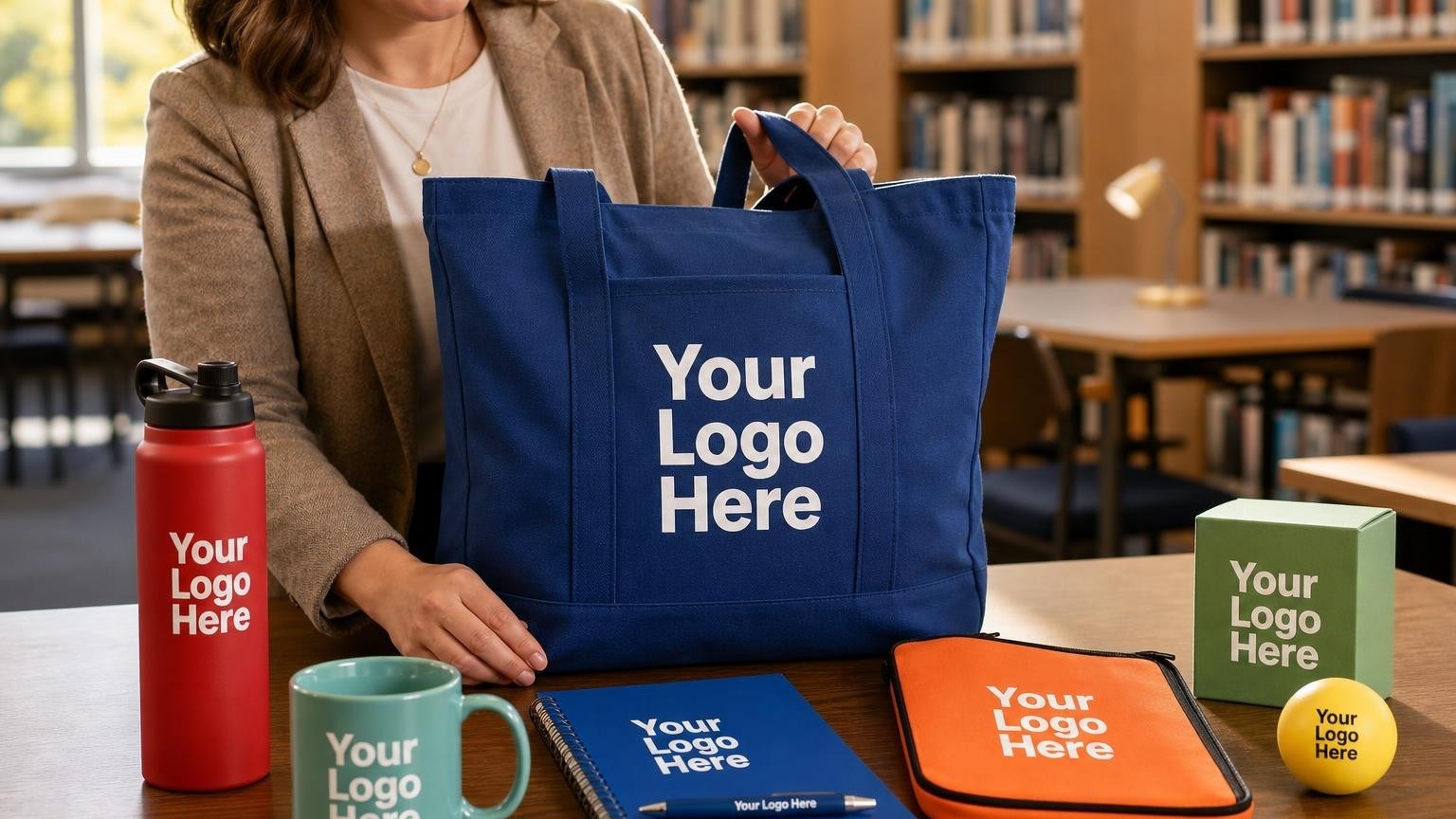
The fluorescent lights of the basement classroom hum softly as a volunteer tutor sits across from a new adult learner. The student fidgets, eyes darting toward the exit, carrying the quiet weight of courage it takes to walk through those doors on day one. Sensing the tension, the tutor reaches into a storage box and places a sturdy, dark blue canvas bag on the table. Inside, a clean notebook, a set of custom pencils, and a small clip-on reading light sit neatly arranged. The student runs a hand over the smooth fabric of the bag, then picks up a pencil, testing its weight. Instantly, the physical environment shifts from intimidating to welcoming. This simple act of handing over a structured welcome kit does more than distribute supplies; it establishes immediate trust, reduces first-day anxiety, and signals that this educational program respects the learner's time and dignity. It turns a moment of vulnerability into a moment of preparation, setting a positive tone for the entire semester ahead.
The Strategic Value of Functional Tools
Literacy nonprofits use high-quality promotional products from Myron to standardize learning environments, retain volunteer tutors, and showcase program impact to corporate sponsors. By distributing functional tools like custom pencils, reading program supplies, and volunteer appreciation gifts, organizations can ease learner anxiety, reduce tutor turnover, and build a professional brand that attracts recurring donor funding. Focus on durable, age-appropriate items that respect the maturity of adult learners and withstand daily transport between home, school, and community learning centers.
- Custom pencils and writing instruments
- Durable library and reading program supplies
- Volunteer appreciation gifts and thank you items
Avoid: Avoid purchasing low-quality plastic novelties that fail quickly and diminish the professional standing of adult education programs.
The Learner Welcome Kit: Reducing Anxiety and Standardizing the Reading Experience
First impressions dictate program retention rates for adult and youth learners alike. When planning for a new cohort, program directors face the logistical challenge of preparing materials up to three months before the fall semester launch. Welcome kits must be lightweight and easily packable, as staff often store these supplies in cramped church basements or transport them in personal vehicles to off-site locations.
During first-day intake and orientation sessions, handing a student a complete kit standardizes the learning environment. In adult night classes, family literacy workshops, and school partner reading rooms, having the exact same physical resources ensures no student feels singled out or unprepared. For an adult learner who may feel self-conscious about returning to study, receiving a sleek, neutral-colored notebook and custom pencils creates a sense of academic belonging. Stocking your classrooms with reliable writing instruments makes note-taking comfortable for all ages and ensures that the physical act of writing does not become an additional barrier to progress. This simple standardization removes the subtle social friction that often leads to early program dropouts, replacing anxiety with a clear sense of readiness. When students leave their first session with a dedicated bag containing these tools, they carry a physical reminder of their commitment back into their homes, reinforcing their decision to learn.
Essential Learner Welcome Kit Items
Equip your incoming students with high-quality writing tools that reduce hand fatigue and make note-taking comfortable during daily lessons.
The Volunteer Tutor Toolkit: Equipping and Retaining Your Most Valuable Asset
Volunteers are the operational backbone of literacy programs, yet high tutor turnover remains a constant administrative challenge. Managing a rotating roster of volunteer tutors in shared public spaces requires clear organization. Tutors need a structured way to carry lesson plans, student progress sheets, and assessment forms without losing materials between weekly sessions.
Providing tutors with professional tools during volunteer tutor training sessions builds a collective identity. When a tutor sits down at a library table with a dedicated zippered padfolio and a branded lanyard, they feel like part of a professional team rather than an ad-hoc volunteer. Sourcing high-quality volunteer appreciation gifts during the winter planning window shows genuine respect for their time and dedication. This small investment reduces volunteer turnover, saving the organization the high cost of recruiting and training new staff each semester. Furthermore, having tutors carry branded gear in school partner environments establishes immediate authority and credibility with school administrators and parents alike. When tutors feel equipped and valued, they are far more likely to commit to multiple semesters, providing the stable, consistent instruction that learners need to make measurable progress.
Professional Tutor & Staff Gear
Show your volunteer tutors that their time is highly valued by equipping them with professional gear that simplifies lesson planning and progress tracking.
Selecting the Right Tools: Problem-First Product Selection
To make the most of a tight donor-funded budget, every item selected must solve a specific operational challenge. For instance, a common problem in youth reading programs is the loss of workbooks during the daily commute. A durable canvas tote bag solves this by keeping all materials in one place.
Another challenge is studying in low-light environments at home. Including a small, clip-on LED booklight in take-home packages allows students to read comfortably without disturbing family members. For writing practice, standard wooden pencils can be frustrating if they break constantly; choosing high-quality wooden or mechanical options ensures uninterrupted study. By focusing on utility first, you ensure that your promotional budget directly supports educational outcomes. Explore reading program supplies to find items that fit your curriculum needs. This approach prevents the waste of precious donor dollars on items that do not actively contribute to the learning process, ensuring every dollar spent has a direct, positive impact on student success.
Operational Comparison: Matching Tools to Program Needs
When planning your inventory, it helps to compare how different items serve specific roles within your organization. The table below outlines key options based on recipient groups and operational environments.
| Recipient Group | Primary Operational Need | Recommended Product Type | Key Benefit |
|---|---|---|---|
| Adult Night Class Learners | Dignified, age-appropriate study tools | Sleek black journals and dark metal pens | Reduces self-consciousness and builds confidence |
| Youth Reading Campers | Durable, lightweight transport gear | Brightly colored drawstring bags and custom buttons | Keeps workbooks organized and tracks milestones |
| Volunteer Tutors | Lesson organization and professional authority | Zippered padfolios and branded lanyards | Simplifies progress tracking in shared spaces |
| Corporate Sponsors | High-visibility brand alignment | Co-branded canvas tote bags and metal executive pens | Showcases community impact to visiting board members |
Budget-Conscious Planning: Good, Better, and Best Options
Nonprofit budgets require careful stewardship. To help you plan your next order, we have organized key items into three functional tiers based on your program's current funding level and goals.
- Good (Essential Classroom Supplies): Focus on high-volume, cost-effective items that keep daily operations running smoothly. This tier includes custom wooden pencils, basic paper notebooks, and simple plastic bookmarks to track reading progress.
- Better (Standardized Welcome Kits): Improve the student and tutor experience with more durable, personalized items. This tier features sturdy canvas tote bags, soft-touch grip pens, and clip-on LED reading lights for home study.
- Best (Premium Donor & Sponsor Gifts): Secure long-term funding by thanking major supporters and corporate sponsors with high-end items. This tier includes zippered leather padfolios, insulated stainless steel travel mugs, and high-end metal executive pens.
By organizing your purchasing strategy around these tiers, you can ensure that even basic supplies maintain a high standard of utility, while reserving high-end items for moments that directly influence your organization's financial sustainability. This structured approach allows you to expand your investment as your funding grows, ensuring you always present a professional image to the community.
The Literacy Program Planning Timeline: Sourcing and Distribution
To ensure your materials are ready for the first day of class, follow this structured timeline for planning, ordering, and distributing your program gear:
- 12 Weeks Before Launch: Assess your student enrollment projections and volunteer tutor roster. Determine the quantity of welcome kits and tutor packages needed for the upcoming semester.
- 10 Weeks Before Launch: Select your products and coordinate with corporate sponsors to obtain high-resolution vector files of their logos for co-branded items.
- 8 Weeks Before Launch: Place your order with Myron to allow ample time for digital proofing, production, and shipping.
- 4 Weeks Before Launch: Receive and inspect your shipment. Store the items in a dry, accessible location like your main administrative closet or program office.
- 2 Weeks Before Launch: Assemble the learner welcome kits, placing notebooks, pencils, and reading lights inside the canvas tote bags so they are ready for immediate distribution.
- Orientation Day: Hand out the welcome kits to learners and the professional toolkits to volunteer tutors during their respective training and intake sessions.
Following this timeline prevents last-minute rush fees and ensures your team has everything organized before the busy start of the semester.
Practical Insights from Myron's Program Support Team
Based on Myron's experience helping organizations plan custom event merchandiseBased on experience helping organizations plan custom event merchandise, Myron's team has gathered practical operational insights to help you maximize your budget:
- Flat, stackable items like notebooks and custom magnets reduce volunteer setup stress at registration tables and fit easily into small administrative closets.
- Sponsor logos should be subtle; oversized branding can make a donor gift feel like advertising, whereas a clean, balanced layout encourages daily use.
- When ordering writing tools for older adults, choose pens or pencils with wider barrels and soft-rubber grips to make writing physically comfortable during long sessions.
- Avoid highly textured fabrics for detailed logos; smooth canvas or polyester surfaces provide the cleanest print quality for dual-branded items.
- Order your fall semester welcome materials in June or July to allow ample time for logo proofing and kit assembly before the busy back-to-school season begins.
These insights help prevent common purchasing mistakes that lead to wasted inventory or poor print quality, ensuring your investment goes as far as possible. By planning ahead and selecting items that match the physical realities of your distribution workflow, you can run a more efficient, professional program.
High-Visibility Sponsor & Donor Gifts
Thank your major corporate sponsors and donors with high-end, co-branded gifts that encourage long-term funding relationships.
Common Mistakes to Avoid
- Prioritizing the lowest cost over product durability.Cheap items fail quickly, forcing the nonprofit to buy replacements mid-semester and wasting limited donor funds.Better approach: Order slightly fewer, higher-quality items that will last the entire school year and project a professional image.
- Distributing juvenile-themed items to adult learners.Adult learners often feel self-conscious; juvenile or cheap items can alienate them and harm retention.Better approach: Select sleek, neutral, and dignified tools that respect the maturity and courage of adult learners.
- Neglecting the utility of items for volunteer tutors.Focusing the entire budget on learners leaves volunteer tutors feeling unequipped and unappreciated, leading to high turnover.Better approach: Allocate a portion of the budget to high-utility organizational tools that make tutoring easier and more professional.
Frequently Asked Questions About Literacy Program Supplies
What are the most durable materials for student book bags?
Heavy-duty canvas and high-denier polyester are ideal for daily transport of heavy reading materials. These fabrics withstand the wear and tear of daily commutes and keep workbooks dry and protected.
How can we co-brand items with corporate sponsors without losing our identity?
Utilize dual-imprint areas or clean side-by-side logo placements on neutral-colored products. This keeps your nonprofit's identity front and center while giving sponsors the professional visibility they expect.
What functional items work best for adult literacy programs specifically?
Focus on practical, dignified tools like high-quality reading lights, sleek metal pens, and professional notebooks. Avoid juvenile designs or cheap plastic novelties that might undermine the dignity of adult learners.
Building a Stronger Community Brand
Providing high-quality physical tools does more than support daily lessons; it builds a professional brand that commands respect from learners, volunteers, and corporate sponsors alike. When every participant carries a matching, durable book bag and every tutor uses a professional padfolio, your program shifts from a casual volunteer effort to a highly credible community institution. As you plan your next volunteer appreciation drive or prepare for the upcoming semester launch, consider how these physical assets can strengthen your outreach. We encourage you to explore Myron's selection of thank you gifts to find practical, budget-conscious options that honor your team's dedication and keep your program growing. By investing in tools that last, you demonstrate to donors and community partners that your organization is built for long-term success.