


Scrubs, Skills, and a Strong Brand: How Medical Assistant Schools Use Enrollment Kits and Employer Gifts to Build the Placement Network That Fills Every Cohort
How program directors use functional, clinical-grade gear to reduce early student attrition, maintain vital clinic partnerships, and prepare graduates for the local healthcare workforce.
13 min read
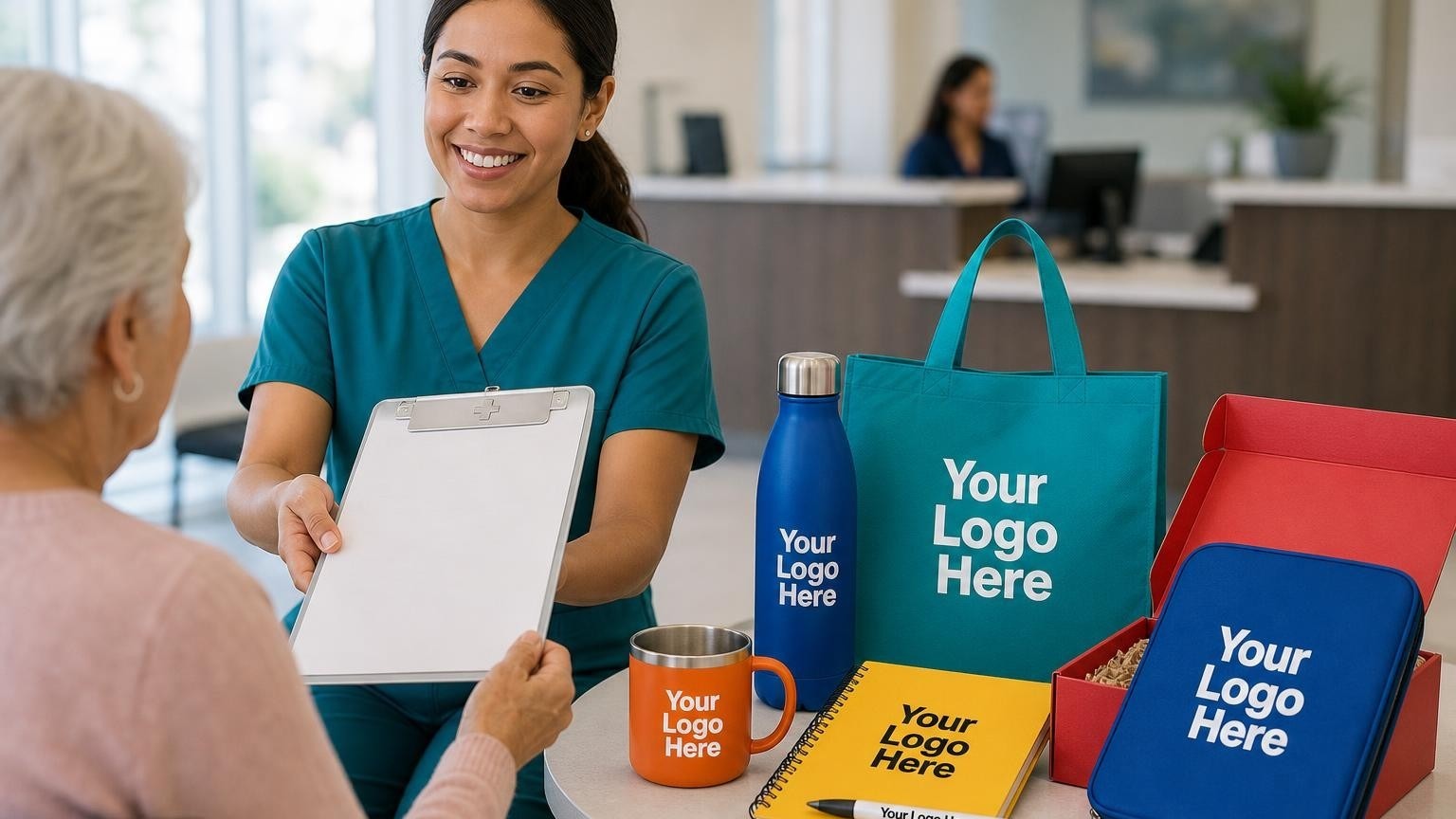
Medical assistant schools use professional promotional products from Myron to build student commitment during enrollment, secure vital clinical externship placements, and celebrate career milestones. Strong choices include clinical-adjacent writing instruments and clipboards, durable stethoscope cases and gear bags, and premium insulated drinkware for healthcare staff. Order at least 8-12 weeks prior to the start of a new cohort enrollment cycle or graduation ceremony. Avoid cheap, non-functional novelty items that do not reflect the professional standards of the healthcare industry.
The Skills Lab Transition
The morning sun reflects off the stainless steel countertops of the skills lab as twenty-four newly enrolled medical assistant students file in for their first practical session. Some nervously adjust their crisp, unwashed scrubs, while others stare at the blood pressure cuffs and venipuncture training arms arranged along the perimeter. The program director stands at the front demonstration table, flanked by stacks of neatly organized clinical enrollment kits. There are no generic school-spirit trinkets here. Instead, each student receives a professional-grade kit containing a diagnostic penlight, a heavy-duty pocket organizer, and a custom-imprinted clinical pen. As the director hands a kit to a student who is visibly trembling with first-day anxiety, the student's posture shifts. Gripping the professional gear, the student looks less like an anxious newcomer and more like an active clinical candidate ready to learn vitals charting. This transition is where student retention begins.
Strategic Gear for Allied Health Programs
Medical assistant schools use professional promotional products from Myron to build student commitment during enrollment, secure vital clinical externship placements, and celebrate career milestones. By replacing generic school spirit giveaways with functional, clinical-grade tools, program directors can reduce early student attrition and strengthen relationships with local clinics. Key items include custom-imprinted writing instruments for vitals charting, specialized health care products for skills labs, and high-quality apparel for clinical rotations. Sourcing these items through student lab fees ensures that every cohort enters the classroom and the clinic looking prepared, professional, and fully equipped to represent your institution.
- Clinical-adjacent writing instruments and clipboards
- Durable stethoscope cases and gear bags
- Premium insulated drinkware for healthcare staff
Avoid: Cheap, non-functional novelty items that do not reflect the professional standards of the healthcare industry.
The Enrollment Kit: Building Professional Identity from Day One
Early student attrition is a persistent challenge for allied health programs, often peaking during the first three weeks when students feel overwhelmed by complex medical terminology and rigorous lab protocols. To combat this, program directors must build a sense of professional identity immediately. When student lab fees are processed at the start of the semester, administrators have a critical opportunity to equip students with functional gear rather than standard academic novelties.
During the first three weeks of the cohort cycle in the skills lab, students face the daunting task of mastering manual blood pressure readings and venipuncture. Handing them a professional kit transforms their mindset. When a student first clips their clinical pen to their scrub pocket during venipuncture practice, they stop viewing themselves as classroom observers and start acting like healthcare professionals.
Using high-quality Health Care Products in these kits ensures that students have reliable tools for daily practice. A durable diagnostic penlight or a structured pocket organizer is not just a promotional item; it is an active partner in their education. By providing these tools on day one, schools build immediate pride and reduce the imposter syndrome that frequently leads to early withdrawals.
Essential Clinical Enrollment Gear
Equip your incoming cohorts with professional-grade tools that build immediate confidence in the skills lab. These items are perfect for student lab fees and orientation kits.
Securing the Network: Branded Appreciation Gifts for Externship Sites
Clinical placement sites are the lifeblood of any medical assistant program. Without a reliable network of local clinics, pediatric offices, high-volume urgent care centers, family medicine practices, and specialized cardiology offices, a school cannot graduate its students. Yet, hosting an extern is an operational burden for busy clinic staff, who must supervise students while maintaining their own patient volumes. Program directors must actively manage these relationships to secure preferred placement slots.
When clinical placement slots are being negotiated for the upcoming academic year, clinical coordinators face intense competition from neighboring nursing and allied health programs. To stand out, schools must show genuine appreciation to their clinical partners. During the end-of-semester site evaluations conducted by the clinical coordinator, presenting a high-quality thank-you gift to the clinic manager makes a lasting difference.
A professional gift, such as a custom pen set or a team-level appreciation item, signals that your school values the clinic's operational sacrifice. Using items from the Employee Appreciation category allows schools to thank the entire clinic staff who mentor their students. When a busy clinic manager receives a professional thank-you gift at the front desk, it reinforces a positive association with your program, ensuring your students remain at the top of their placement list.
Clinical Partner Appreciation Gifts
Show your gratitude to the busy clinic managers and nursing staff who host your student externs. High-quality gifts keep your program top-of-mind for preferred placement slots.
The Finish Line: Graduation Kits and Alumni Career Milestones
Graduation is more than a celebratory milestone; it is a strategic branding opportunity. When graduates enter the local workforce, they become walking advertisements for your medical assistant program. If they enter local clinics looking polished and professional, healthcare employers are far more likely to hire future graduates from your school.
When graduation budgets are finalized eight weeks before commencement, program directors should plan graduation kits that transition students into their professional careers. During the pinning ceremony held in the campus auditorium, presenting graduates with practical workplace gear creates a bridge to their first jobs.
A custom graduation package featuring items from Graduation & Moving Up provides immense utility. Consider a professional aluminum clipboard or a durable retractable badge reel. When a graduate pins their new custom badge reel to their uniform on their first day of work at a local pediatric clinic, your school's brand is introduced directly to that employer. This consistent visibility builds long-term institutional reputation and encourages clinics to reach out to your program first when hiring new staff.
Practical Gear for Clinical Prep and Daily Lab Work
Selecting the right promotional gear requires focusing on clinical utility. Program directors should avoid generic novelties and instead choose items that fit the daily workflow of a medical assistant.
For administrative and clinical charting tasks, equipping your students with Economy Plastic Pens ensures they always have a reliable writing instrument on hand during busy shifts. These pens can be distributed in bulk during orientation or used as quick giveaways during Job Fairs & Recruitment events to attract prospective students.
Additionally, custom apparel plays a vital role in building a cohesive student body. Providing branded Shirts & T-shirts for casual campus days or community health fairs helps students feel connected to their cohort while promoting the school's brand in the local community. By focusing on practical, daily-use items, you ensure that your promotional budget is spent on gear that actively supports student success and school visibility.
Comparing Gear by Recipient and Operational Use
To maximize the impact of your promotional budget, it is helpful to align specific products with the unique needs of each recipient group within your program's network.
| Recipient Group | Operational Need | Recommended Product Choice | Strategic Benefit |
|---|---|---|---|
| New Cohort Students | Skills lab practice and vitals charting | Custom diagnostic penlights & Pencils | Reduces early program attrition by building professional identity. |
| Externship Site Managers | Site evaluations and administrative sign-offs | Premium metal pen sets & padfolios | Secures competitive clinical placement slots for future cohorts. |
| Clinic Nursing Staff | Long shifts in fast-paced clinical environments | Insulated stainless steel tumblers | Maintains goodwill with staff who directly supervise student externs. |
| Graduating Alumni | Transitioning to first professional employment | Reinforced retractable badge reels & clipboards | Promotes the school's brand inside local healthcare facilities. |
Structuring Your Program's Promotional Investment
Managing departmental budgets requires a tiered approach to purchasing. By categorizing items by investment level, program directors can allocate funds effectively across recruitment, enrollment, and graduation cycles.
- Good (Entry-Level Recruitment & Outreach): Entry-level items designed for mass distribution. Includes custom Pencils, basic retractable badge reels, and economy plastic pens. These are ideal for high-volume distribution at local high school career days and community health fairs to build initial program awareness.
- Better (Mid-Range Student Enrollment Kits): Mid-range items designed for student enrollment kits. Includes durable diagnostic penlights, custom-imprinted Shirts & T-shirts for lab wear, and structured pocket organizers. These items are typically funded through student lab fees and distributed during orientation to build immediate professional identity.
- Best (Premium Partner & Graduation Gifts): High-value items for clinical partners and major milestones. Includes premium metal pen sets, custom Graduation & Moving Up gift packages, and high-quality Health Care Products like structured stethoscope cases. These gifts are used strategically to maintain critical placement networks and celebrate graduate success.
Operational Observations from Sourcing Clinical Gear
Based on Myron's experience helping organizations plan custom event merchandiseBased on experience helping allied health programs plan custom merchandise, Myron's team has gathered practical operational insights that ensure your gear performs flawlessly in real-world clinical settings:
- Prioritize Grip and Material: Choose writing instruments with non-slip grips, as medical assistants frequently handle pens while wearing nitrile gloves in the skills lab.
- Focus on Sanitization: Avoid paper-bound notebooks for clinical environments; instead, opt for plastic-covered or metal clipboards that can be easily sanitized with isopropyl alcohol wipes between patient interactions.
- Strategic Logo Placement: When ordering apparel for clinical rotations, ensure the logo placement is high on the chest or sleeve so it remains visible when students wear protective clinical aprons or lab coats.
- Durability is Key for Access: Heavy-duty, reinforced retractable badge reels are far superior to standard plastic models, as medical assistants swipe their access cards dozens of times daily to enter locked clinical areas.
- Team-Level Gifting Works Best: For clinical partner gifts, team-level items like insulated coffee carafes or multi-pen sets are highly preferred over individual gifts, as they can be shared among the entire nursing station staff.
How to Choose the Right Item
- Clinical UtilityAsk: 'Can a student or clinical partner use this item during a standard shift in a medical office?' Focus on items like aluminum clipboards, retractable badge reels, and diagnostic penlights; avoid novelty keychains, plastic sunglasses, or stress balls.
- Durability in Healthcare EnvironmentsAsk: 'Will this product withstand frequent sanitization and heavy daily wear?' Choose stainless steel tumblers, heavy-duty nylon gear bags, and metal writing instruments; avoid paper-bound notebooks or cheap plastic pens.
- Professional PresentationAsk: 'Does this item project the high standards of our training program to local employers?' Select embossed padfolios, professional branded scrubs, and structured stethoscope cases; avoid drawstring cotton bags or generic rubber wristbands.
Common Mistakes to Avoid
- Ordering generic school spirit items instead of clinical-grade tools.Administrators default to standard collegiate catalogs featuring foam fingers or cheap plastic sunglasses, which demean the clinical profession and offer zero utility in a medical office.Better approach: Select items that students can actually use in the skills lab or during clinical rotations, such as professional clipboards, diagnostic penlights, or high-quality writing instruments.
- Neglecting the clinical externship site coordinators.Programs focus all their budget on student-facing items, forgetting the clinical partners who actually provide the clinical hours and placement slots.Better approach: Allocate a portion of the budget for high-quality appreciation gifts delivered to host clinics during site evaluations.
- Buying low-quality badge reels that break instantly.Choosing the cheapest possible option to save on upfront costs leads to broken reels on day one of externships, forcing students to pin their ID awkwardly to their scrubs.Better approach: Invest in heavy-duty, reinforced retractable badge reels designed to survive daily clinical use and frequent card swiping.
Frequently Asked Questions
What items should be included in a standard Medical Assistant student enrollment kit?
A standard kit should feature clinical-adjacent tools like a branded diagnostic penlight, a professional clipboard, a heavy-duty stethoscope case, and a high-quality retractable badge reel.
How can we use promotional items to improve our clinical externship placement rates?
Distribute high-quality clinic station gifts, like premium drinkware or branded clipboards, to site coordinators to build goodwill and keep your program top-of-mind.
What are the best promotional products for Medical Assistant graduation ceremonies?
Opt for professional transition items like custom aluminum clipboards, premium metal pens, and durable badge reels that graduates will use daily in their new healthcare careers.
Strengthening Your Program's Network
Building a successful medical assistant program requires balancing student support with strategic community partnerships. By equipping your students with professional-grade tools and showing genuine appreciation to your clinical partners, you strengthen the entire placement network that keeps your cohorts full. As you prepare for your upcoming fall enrollment cycle, consider how custom clinical accessories can lift your program's reputation. Explore Myron's selected range of professional clinical accessories and build your next cohort's enrollment kits today.