


Promotional Products for Mental Health Clinics: A Trust-Building Guide
How mental health practices use subtle, sensory-friendly items to support clinical workflows, reduce first-session drop-off, and strengthen physician referral networks.
9 min read
Mental health clinics build trust and ease patient anxiety by using premium, tactile promotional items from Myron, such as soft-touch journals and sensory grounding tools, during key clinical touchpoints. Strong choices include soft-touch pens and debossed journals, tactile wellness items and hot/cold packs, and discreet, high-quality canvas tote bags. Prior to community mental health awareness months (such as May) or when restructuring the patient onboarding process. Avoid loud, neon colors, oversized logos, cheap plastic materials, and noisy fidget toys.
The Waiting Room: Where Healing Begins
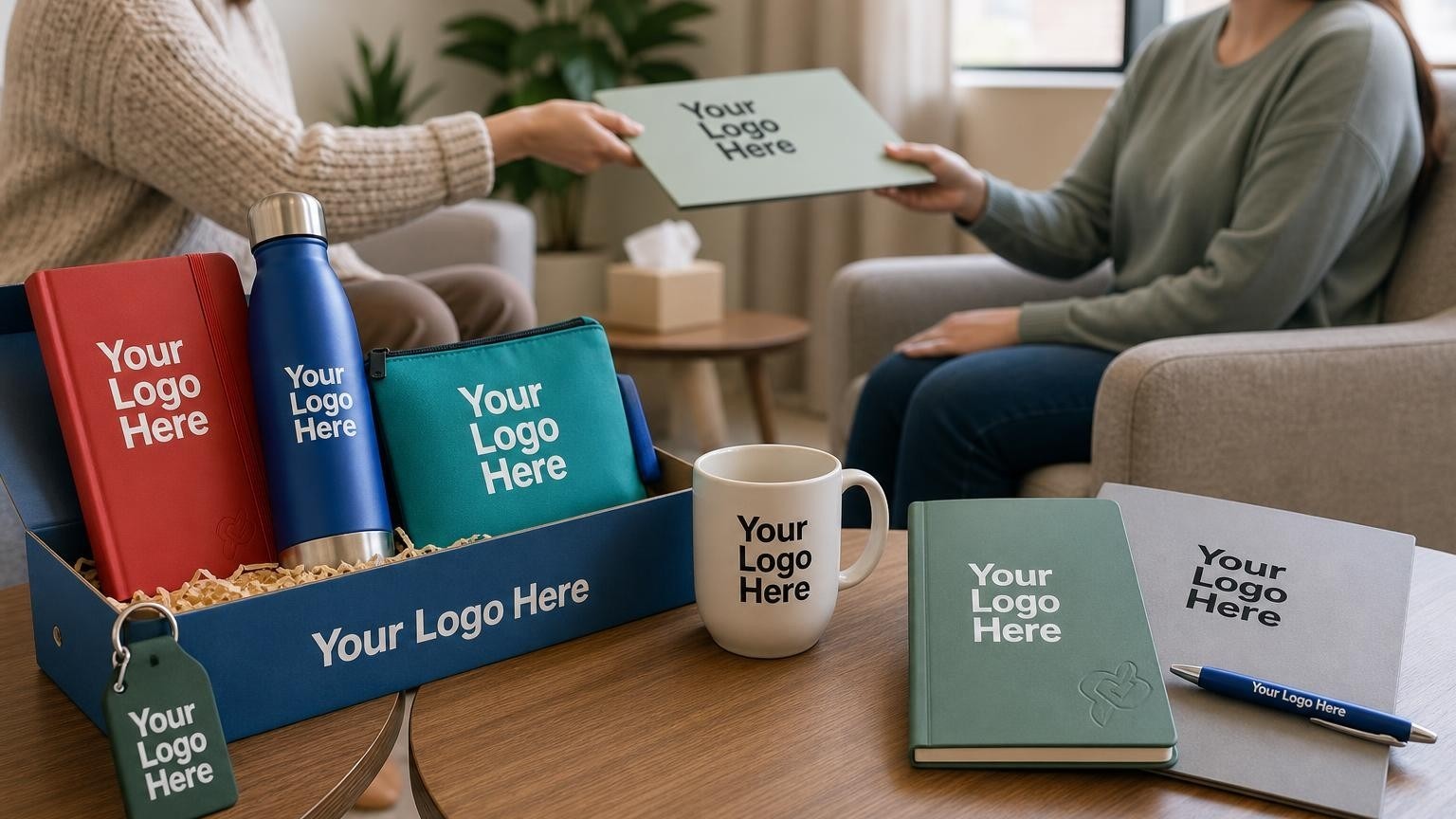
The waiting room of a mental health clinic is a space of profound vulnerability where patients take their first brave steps toward healing. A first-time patient sits in a quiet corner, feeling a wave of tension before their intake session. The physical environment plays a critical role in either amplifying or easing this anxiety. When the receptionist hands them a neat, matte-finish folder containing intake paperwork and a smooth, comfortable writing pen, the atmosphere shifts. The physical weight of the pen and the soft texture of the paper provide an immediate tactile anchor, helping the patient focus on the present moment. Handing a new patient a high-quality, tactile grounding tool or journal immediately shifts the atmosphere from clinical and cold to warm, structured, and deeply supportive. By focusing on sensory-friendly materials, soft-touch finishes, and therapeutic utility, clinic directors can respect the patient's dignity while establishing immediate professional credibility.
Selecting Thoughtful Tools for Mental Health Practices
Mental health clinics build trust and ease patient anxiety by using high-quality, tactile items from Myron, such as soft-touch writing tools and sensory grounding aids, during critical clinical touchpoints. Rather than loud, commercial giveaways, successful practices select discreet, subtly branded items that respect patient privacy. Key categories include stress management tools, custom greeting cards for follow-ups, and employee appreciation gifts to support clinical staff. These items serve as physical anchors during therapy sessions and help secure referral pipelines from local primary care physicians.
- Soft-touch pens and debossed journals
- Tactile wellness items and hot/cold packs
- Discreet, high-quality canvas tote bags
Avoid: Loud, neon colors, oversized logos, cheap plastic materials, and noisy fidget toys.
The Intake Welcome Kit: Easing First-Visit Anxiety
First impressions dictate long-term therapeutic engagement, and the initial intake session is the most critical hurdle for patient retention. When a patient arrives at an outpatient therapy clinic, an intensive outpatient program (IOP), or a private psychiatric practice, their anxiety is often at its peak. Handing them a discreet welcome package shifts the atmosphere from clinical and cold to warm and supportive.
A matte-finish folder containing intake paperwork alongside a high-quality pen is a simple yet effective tool. The physical act of writing helps slow down racing thoughts, acting as an immediate grounding exercise. To maintain patient privacy, branding must remain minimalist—perhaps a small, single-color logo on the pen clip or a blind debossing on a folder. This ensures the patient feels comfortable carrying the items in public. Many clinics also include custom greeting cards to send a warm, handwritten welcome note after the first session, reinforcing the connection made during intake.
Sensory & Grounding Tools: Branded Items with Clinical Utility
Sensory grounding is a proven clinical technique used to manage anxiety, panic, and trauma responses. In clinical settings, therapists often use physical objects to help patients ground themselves during moments of high emotional distress. Items with unique textures, weights, or temperatures help pull patients out of anxious thought loops by engaging their physical senses.
Integrating functional stress management tools into your clinic's resources shows a deep commitment to patient care. For example, a soft-touch stress management item or a smooth pocket stone can be used actively during cognitive behavioral therapy (CBT) sessions. Subtle branding on these items acts as a gentle reminder of a supportive resource rather than a loud advertisement. Items used in waiting rooms or therapy offices must be easy to sanitize between sessions without degrading the material, making high-quality, durable finishes essential for daily operations.
Sensory Grounding Tools
Provide patients with tactile objects to help manage anxiety during sessions or in the waiting area.
Selecting the Right Tools for Your Practice
Choosing items for a mental health clinic requires a different approach than standard corporate marketing. The focus must always be on clinical utility, sensory comfort, and patient discretion.
Instead of cheap plastic toys, opt for high-quality health theme stress balls or shape stress balls that offer satisfying resistance and a pleasant tactile feel. These items can be placed in waiting room 'calm corners' or distributed during community wellness events. Additionally, keep your clinic's contact details visible to referring physicians with useful desk items like stick-up and magnetic calendars that sit neatly on a medical coordinator's desk, ensuring your practice remains top-of-mind when they refer patients.
Comparing Clinical Use Cases and Product Selections
To help clinic directors select the most appropriate items for their specific workflows, the table below outlines common clinical scenarios, recommended product types, and their primary clinical benefits.
| Clinical Scenario | Recommended Item Type | Primary Clinical Benefit | Discretion Level |
|---|---|---|---|
| New Patient Onboarding | Matte-finish folders and soft-touch pens | Eases first-visit anxiety, provides tactile anchor | High (Minimalist branding) |
| Therapy Session Grounding | Soft-touch shape stress balls | Helps manage acute anxiety and panic symptoms | High (Subtle logo placement) |
| Physician Referral Outreach | Premium desk calendars or metal pens | Keeps clinic contact info visible to medical staff | Medium (Professional aesthetic) |
| Staff Support & Retention | High-quality employee appreciation gifts | Reduces burnout, builds team unity | Low (Internal clinic use) |
Referral Partner Outreach
Keep your clinic's contact details easily accessible to local primary care physicians and school counselors.
Structuring Your Investment: Budget Tiers for Mental Health Practices
Investing in custom items for your clinic does not require an all-or-nothing budget. Successful practices structure their selections based on the specific recipient and clinical use case.
- Good (High-Volume Distribution): Practical, high-utility items for community health fairs or waiting room hygiene. This includes custom hand sanitizer bottles for waiting areas, basic matte-finish writing pens, and simple paper folders for intake documents.
- Better (Clinical & Referral Use): Mid-range items that offer enhanced sensory feedback and professional appeal. This includes novelty stress balls for therapy sessions, custom greeting cards for patient follow-ups, and magnetic calendars for local referral partners.
- Best (Premium Gifts & Staff Support): Highly durable items designed for deep relationship-building and clinician support. This includes high-end employee appreciation gifts like insulated travel mugs, premium metal pens with subtle laser engraving, and bound journals with blind-debossed logos.
Operational Insights from Myron's Clinical Supply Experience
Based on Myron's experience helping organizations plan custom event merchandiseBased on experience helping healthcare organizations plan custom merchandise, Myron's team has gathered practical operational insights to help clinic directors make informed decisions:
- Prioritize Discretion: Subtle, tone-on-tone branding or blind debossing on journals is far more effective than bright, high-contrast logos. Patients are much more likely to use these items in public when their privacy is respected.
- Optimize Storage: Flat, stackable items like custom folders and flat stress cards reduce storage strain in small clinic supply closets, allowing administrative staff to keep ample stock on hand.
- Focus on Utility for Referrals: When ordering items for referral partners, prioritize high-utility desk items like magnetic calendars over generic magnets. Busy medical staff keep functional items on their desks longer, keeping your contact details visible.
- Maintain a Quiet Environment: Avoid noisy or clicking items for waiting rooms. Repetitive sounds can increase anxiety for other waiting patients, so opt for silent, soft-touch stress management tools instead.
- Consider Sensory Sensitivities: Ensure all hand sanitizers or wellness items distributed in clinics are fragrance-free to accommodate patients with sensory sensitivities or allergies.
Common Mistakes to Avoid
- Over-branding items with massive, high-contrast logos.Clinics mistakenly apply standard corporate marketing rules, wanting maximum brand visibility, which compromises patient privacy.Better approach: Use subtle, tone-on-tone branding, blind debossing, or small logo placements that respect patient privacy.
- Choosing cheap, low-quality plastic items to save on budget.Purchasers focus on quantity over quality when planning large community outreach events, signaling a lack of care.Better approach: Invest in fewer, higher-quality items that reflect the professional clinical standards of your practice.
- Distributing items with zero clinical or practical utility.Buyers select generic promotional items without considering how they fit into a patient's daily life or therapy sessions.Better approach: Select items that directly align with mental well-being, such as journals for CBT exercises or sensory grounding tools.
Frequently Asked Questions About Clinical Promotional Items
How do we brand items for a mental health clinic without making patients feel self-conscious carrying them?
Opt for subtle, minimalist branding, such as blind debossing on journals or small, single-color logos on the bottom of bags, ensuring the item remains elegant and private.
What are the most effective promotional items to send to local primary care doctors to increase referrals?
High-quality, daily-use office items like premium metal pens and sleek desk notebooks keep your clinic's contact details visible to referring physicians during patient consultations.
Which materials and textures are most effective for sensory grounding in a clinical setting?
Soft-touch finishes, matte coatings, natural canvas, and weighted metals provide tactile feedback that helps calm the nervous system during moments of stress.
Building a Supportive Clinical Environment
Thoughtfully selected promotional items play a dual role in the mental health field: they build professional trust with referral partners and provide physical comfort to patients during vulnerable moments. By focusing on high-quality materials, subtle branding, and clinical utility, your clinic can stand out as a warm, professional, and deeply supportive environment. As you prepare your clinic's onboarding process for the upcoming seasonal intake surge in late summer, consider how high-quality, tactile tools can improve your patient experience. Explore Myron's selected collection of premium writing instruments and wellness products to find the perfect fit for your practice.