


Standardizing Patient Intake and Referral Kits Across Multiple Clinic Locations
A practical guide for practice directors seeking to maintain clinical consistency, protect patient privacy, and simplify multi-site procurement.
9 min read
Multi-location mental health clinics use standardized kits from Myron to establish clinical consistency, reduce patient anxiety, and build strong referral networks across all regional offices. Strong choices include subtly branded hand sanitizers, health-themed stress management tools, and professional custom greeting cards. Order at least 6-8 weeks prior to opening a new clinic branch or launching a regional referral campaign. Avoid loud, brightly colored plastic novelties, aggressive branding that compromises patient privacy, and uncoordinated local purchasing.
The Multi-Site Consistency Challenge: Standardizing the Patient Entry Point
A practice director overseeing six regional mental health clinics reviews the intake tables across different locations. In the downtown clinic, patients receive a mismatched assortment of cheap plastic pens and photocopied intake forms on flimsy clipboards. At the suburban branch, a different coordinator has purchased neon-colored novelty items that feel entirely out of place in a professional therapeutic environment. This lack of coordination dilutes the group's clinical brand and introduces subtle friction during a highly vulnerable moment: a patient's first visit. Standardizing these physical items ensures that every individual entering any regional office encounters the same calm, professional, and predictable environment. When a patient transitions from an urban clinic to a suburban branch, receiving the exact same high-quality intake folder and writing instrument establishes a sense of safety and continuity. Centralized ordering prevents individual clinic managers from purchasing off-brand or low-quality supplies locally, protecting the group's trusted clinical brand across all physical sites.
Standardizing Clinical Kits for Multi-Location Mental Health Groups
Multi-location mental health clinics use standardized clinical kits from Myron to establish clinical consistency, reduce patient anxiety, and build strong referral networks across all regional offices. By centralizing procurement, practice directors can distribute high-quality, privacy-conscious tools—such as subtle, debossed journals, soft-touch writing instruments, and professional welcome folders—directly to individual branches. This approach eliminates mismatched local purchases, protects patient discretion, and ensures a uniform onboarding experience that reinforces clinical trust from the very first interaction.
- Subtly branded hand sanitizers
- Health-themed stress management tools
- Professional custom greeting cards
Avoid: Loud, brightly colored plastic novelties, aggressive branding that compromises patient privacy, and uncoordinated local purchasing.
The Intake Workflow: Creating a Calming Reception Experience
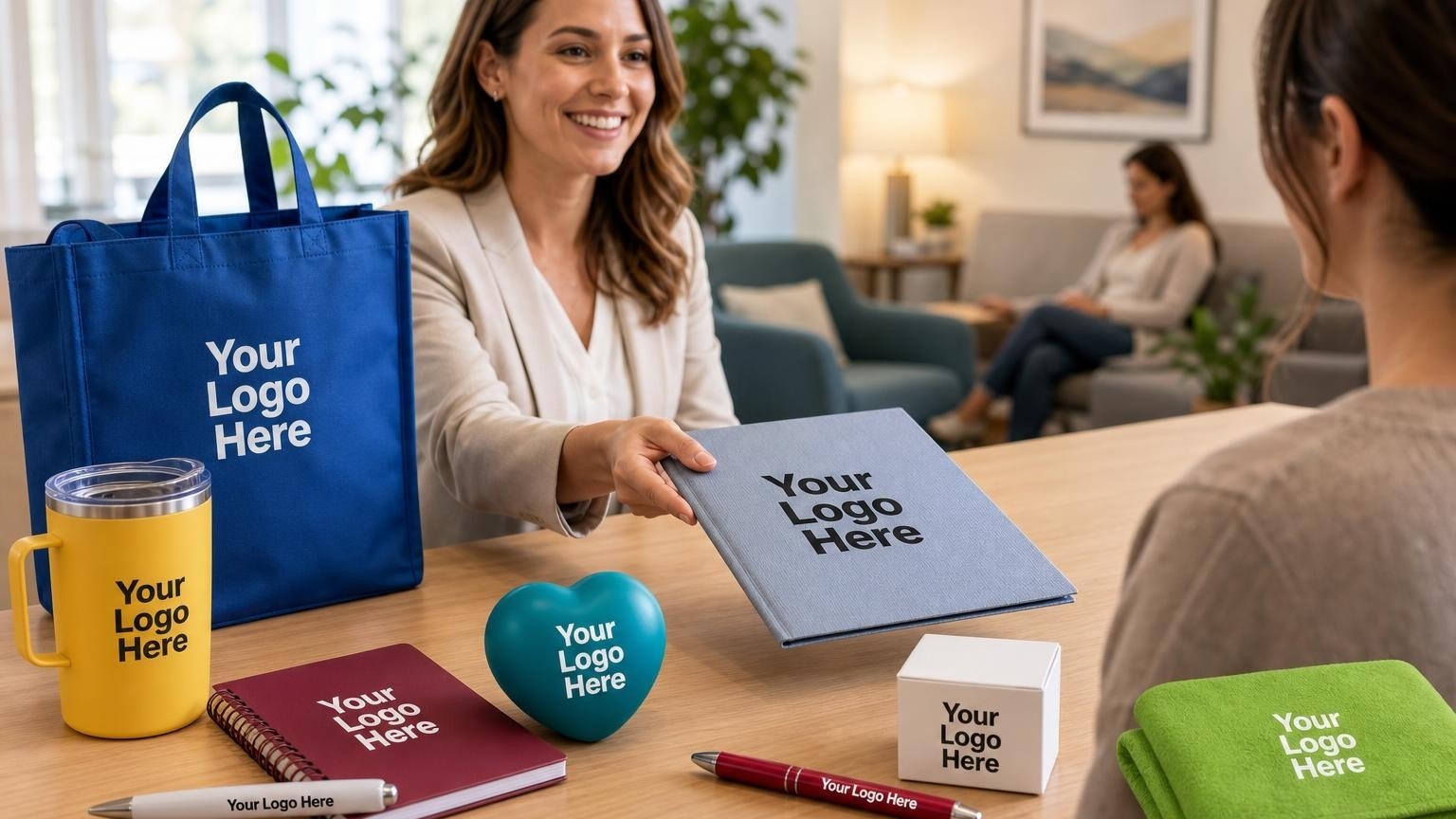
In a busy outpatient clinic, the reception desk serves as the critical transition point from the stressful outside world to a safe therapeutic space. When a nervous patient sits in the waiting room of a newly opened suburban clinic branch, their anxiety is often at its peak. Handing them a cheap, scratchy plastic pen to fill out sensitive medical histories only heightens this tension. Instead, clinical operations managers are standardizing the intake desk with high-quality, soft-touch metal writing instruments and custom hand sanitizers. Placing a clean, branded bottle of custom hand sanitizers at the check-in window signals clinical safety and hygiene. The act of cleaning one's hands and receiving a smooth, weighted pen provides a physical, grounding routine that helps settle a patient before their session begins. Furthermore, clinic staff store these items in small administrative closets or behind reception desks where physical space is limited. Choosing compact, flat-packed presentation folders and boxed pens ensures that even smaller branches can maintain a full inventory without cluttering their workspace.
Tactile Grounding Tools
Equip therapy rooms with professional sensory items that help anxious patients stay present during difficult moments.
Tactile Grounding: Integrating Physical Tools into the Therapy Session
Therapists across multiple locations rely on physical tools to assist patients during high-stress moments. Tactile grounding is a recognized clinical technique used to help individuals redirect their focus during acute anxiety or trauma processing. Rather than using bright, distracting toys, clinical directors are stocking therapy rooms with professional health theme stress balls and dedicated stress management resources. A patient experiencing a difficult moment during a cognitive behavioral therapy session can hold a soft, matte-finished grounding object, helping them stay present. Furthermore, providing patients with structured journals to track their thoughts between sessions extends the therapeutic support into their daily lives. To respect patient privacy, these journals feature subtle, debossed logos rather than loud, bright clinical text. This ensures that a patient feels comfortable carrying their journal to a coffee shop or workplace without revealing their clinical treatment to onlookers.
Professional Referral Networks: Building Trust with Medical Partners
For multi-location clinics, maintaining a steady flow of referrals from local psychiatrists, primary care physicians, and pediatricians is essential for long-term growth. Clinical liaisons regularly visit these referring practices to provide updates on clinic capacity and specialized programs. Delivering a cheap, generic giveaway to a medical professional's office can undermine the perceived quality of your clinical care. Instead, successful practices use high-utility, professional gifts paired with elegant greeting cards to express appreciation for their partnership. A thoughtfully packaged executive gift set, delivered with a handwritten note, keeps your clinic network top-of-mind when those physicians are deciding where to refer their next patient. This professional approach ensures that your clinic remains the preferred referral partner for regional insurance groups and medical networks.
Selecting the Right Clinical and Operational Tools
Choosing the right physical assets for a mental health clinic requires a careful balance of clinical utility, patient comfort, and operational practicality. Rather than focusing on standard promotional items, clinic directors should select products that serve a clear purpose within the therapeutic environment. Different clinical environments require distinct approaches. For instance, child and adolescent therapy clinics benefit from tactile novelty stress balls that make younger patients feel at ease. Intensive outpatient programs (IOP) often require structured daily planners and stress management guides to help patients track their coping strategies. Meanwhile, adult counseling centers and specialized addiction recovery clinics may focus on high-quality writing instruments and subtle, debossed journals that respect patient privacy while supporting their therapeutic work. Additionally, providing clinical staff with professional, high-quality items during annual reviews or mental health awareness campaigns supports therapist retention and reduces burnout. Using dedicated employee appreciation gifts helps build a supportive internal culture across all regional offices, ensuring that your therapists feel valued and motivated to deliver exceptional patient care.
Clinic Reception Essentials
Maintain absolute hygiene and a professional first contact point with standardized supplies at every check-in desk.
Comparing Clinical Touchpoints by Use Case and Operational Need
To assist practice directors in selecting the most appropriate assets, the following table compares key clinical contact points based on their primary operational purpose, distribution method, and privacy considerations:
| Clinical Touchpoint | Primary Purpose | Distribution Method | Privacy Consideration |
|---|---|---|---|
| Custom Hand Sanitizers | Hygiene & Intake Grounding | Placed at reception desks | High (Subtle branding) |
| Health Theme Stress Balls | Tactile Grounding in Session | Handed out by therapists | High (No loud clinical text) |
| Custom Greeting Cards | Referral Partner Appreciation | Hand-delivered by clinical liaisons | Medium (Professional envelope) |
| Employee Appreciation Gifts | Therapist Retention & Culture | Distributed during annual reviews | Low (Internal use) |
Procurement Tiers: Matching Investment with Clinical Goals
To help practice directors manage budgets across multiple locations, clinical supplies can be organized into distinct procurement tiers based on their operational purpose and recipient:
- Good (Essential Intake Supplies): Focuses on high-volume, daily operational needs at the reception desk. This tier includes custom hand sanitizers, flat-packed presentation folders, and basic writing instruments to ensure a clean, standardized onboarding process.
- Better (Patient Comfort & Grounding Tools): Focuses on enhancing the active therapy environment. This tier includes health theme stress balls, soft-touch writing instruments, and custom greeting cards for local referral partners.
- Best (Premium Clinical & Partner Assets): Focuses on long-term relationship building and staff retention. This tier includes executive gift sets, high-end debossed journals, and customized employee appreciation gifts for clinical staff.
Operational Insights from Myron's Clinical Supply Team
Based on Myron's experience helping organizations plan custom event merchandiseBased on experience helping organizations plan custom event merchandise, Myron's team has gathered practical operational insights to help multi-location clinics simplify their procurement:
- Subtle, tone-on-tone branding on patient-facing items like journals or stress balls ensures discretion, making patients far more likely to use them in public spaces.
- Centralizing orders through a single administrative account prevents individual clinic managers from purchasing mismatched, low-quality supplies locally.
- Flat-packed items, such as custom greeting cards and folders, are ideal for clinics with limited storage space behind reception desks.
- Selecting matte or soft-touch finishes on writing instruments and grounding objects provides a calming sensory experience that supports anxious patients.
- When preparing referral outreach kits, pairing a high-utility item with a personalized greeting card significantly increases the likelihood that the referring physician retains the gift.
Common Mistakes to Avoid
- Allowing individual clinic locations to purchase their own uncoordinated promotional supplies.A lack of centralized procurement guidelines leads office managers to buy cheap, off-brand items locally, creating a fragmented brand experience.Better approach: Establish a centralized brand portal with Myron to ensure all locations order from a pre-approved, high-quality catalog.
- Using loud, aggressive branding that compromises patient privacy.Applying standard corporate marketing rules to a sensitive clinical environment can deter patients from carrying helpful therapeutic tools in public.Better approach: Opt for subtle, tone-on-tone, or debossed logos on items like journals and bags that patients feel comfortable using anywhere.
- Distributing low-quality, disposable plastic items that undermine clinical trust.Prioritizing low unit cost over quality can cause referring physicians to discard items, associating the poor quality with the clinic's professional standards.Better approach: Invest in fewer, higher-quality items that reflect the professional, clinical care patients expect from your practitioners.
Frequently Asked Questions About Clinical Branding
How can we ensure patient privacy when distributing branded items outside the clinic?
Opt for subtle, minimalist branding—such as debossed or tone-on-tone logos—on high-quality items like journals or drinkware, ensuring patients feel comfortable using them in public.
What is the best way to manage promotional inventory across multiple clinic locations?
Use centralized ordering through Myron to ship standardized kits directly to each clinic branch, preventing local off-brand purchases and reducing shipping overhead.
Which promotional items are most appropriate for referring physicians and clinical partners?
Focus on high-utility, professional executive gifts like premium metal pens or sophisticated desk organizers that reflect the clinical quality of your practice.
Simplify Your Multi-Site Clinical Procurement
Establishing a consistent, comforting environment across multiple mental health clinics requires careful attention to every physical detail. From the hand sanitizer at the intake desk to the grounding tools in the therapy room, standardizing these touchpoints builds lasting trust with patients and professional partners alike. As you prepare for upcoming fall mental health awareness campaigns or plan the opening of a new regional clinic branch, consider how centralized procurement can ease your administrative workload. Explore Myron's specialized collection of professional healthcare supplies to find the right fit for your practice and ensure clinical consistency across every location.