


Urgent Care on Every Corner: How Multi-Location Centers Use Standardized Kits to Build the Brand That Competes With Hospital Systems
Standardizing physical touchpoints across decentralized regional clinics projects hospital-grade authority while maintaining local community accessibility.
10 min read
Multi-location urgent care clinics build brand consistency and patient trust by standardizing high-quality physical touchpoints, such as antimicrobial pens and professional intake clipboards, sourced reliably through Myron. Strong choices include antimicrobial writing instruments, premium insulated drinkware, and custom first-Aid and wellness kits. During new clinic openings, annual budget planning, or ahead of seasonal cold and flu surges. Avoid cheap, non-hygienic materials, gimmicky medical toys, and decentralized, ad-hoc purchasing by individual clinics.
The Multi-Location Brand Challenge: Standardizing Trust Across Every Clinic
A regional operations manager reviews a spreadsheet of twelve urgent care locations, realizing each clinic has independently sourced a mismatched, low-quality assortment of front-desk pens and pediatric giveaways. At the Northside clinic, patients sign in with cheap, chewed-on plastic pens. At the Southside location, the intake desk features a cup of mismatched promotional items from local real estate agents. This lack of consistency dilutes the professional authority of the entire network. When a stressed parent checks in a sick child, being handed a heavy, clean, branded metal pen instantly communicates clinical competence and operational order. Standardizing these small physical items across all zip codes creates a reliable trust infrastructure that reassures patients during high-stress moments. Centralizing procurement simplifies logistics for regional operations managers, ensuring that every satellite clinic projects the same hospital-grade authority.
How Multi-Location Urgent Care Networks Standardize Clinical Touchpoints
Multi-location urgent care clinics build brand consistency and patient trust by standardizing high-quality physical touchpoints, such as antimicrobial pens and professional intake clipboards, sourced reliably through Myron. By centralizing procurement, regional operations managers eliminate brand dilution across decentralized satellite clinics, ensure strict clinical hygiene standards, and equip care teams with durable tools. This operational consistency projects hospital-grade authority while maintaining local community accessibility across every regional site.
- Antimicrobial Writing Instruments
- Premium Insulated Drinkware
- Custom First-Aid and Wellness Kits
Avoid: Avoid cheap, non-hygienic materials, gimmicky medical toys, and decentralized, ad-hoc purchasing by individual clinics.
Front-Desk Workflows: Branded Touchpoints That Simplify Patient Intake
The intake desk is the first physical interaction where patient psychology meets clinical operations. In high-volume suburban walk-in centers, pediatric-focused urgent care sites, and occupational health clinics, the check-in process must be swift and reassuring. When a patient arrives with an acute injury, their anxiety is high. Handing them a clean, sturdy clipboard and a reliable writing instrument is a small but critical act of care. Many clinic operators choose Economy Plastic Pens that are treated with antimicrobial properties, ensuring that hygiene protocols are visibly maintained. Rather than letting individual clinic managers source their own supplies, centralizing these items ensures that a patient visiting any regional satellite receives the exact same professional experience. This standardizes the intake workflow, reduces administrative friction, and reinforces the clinic's commitment to safety.
Patient Intake Standardization
Equip your front desks with reliable, easy-to-sanitize writing tools that project clinical order from the moment of check-in.
B2B Outreach: Securing Occupational Health Contracts with Local Employers
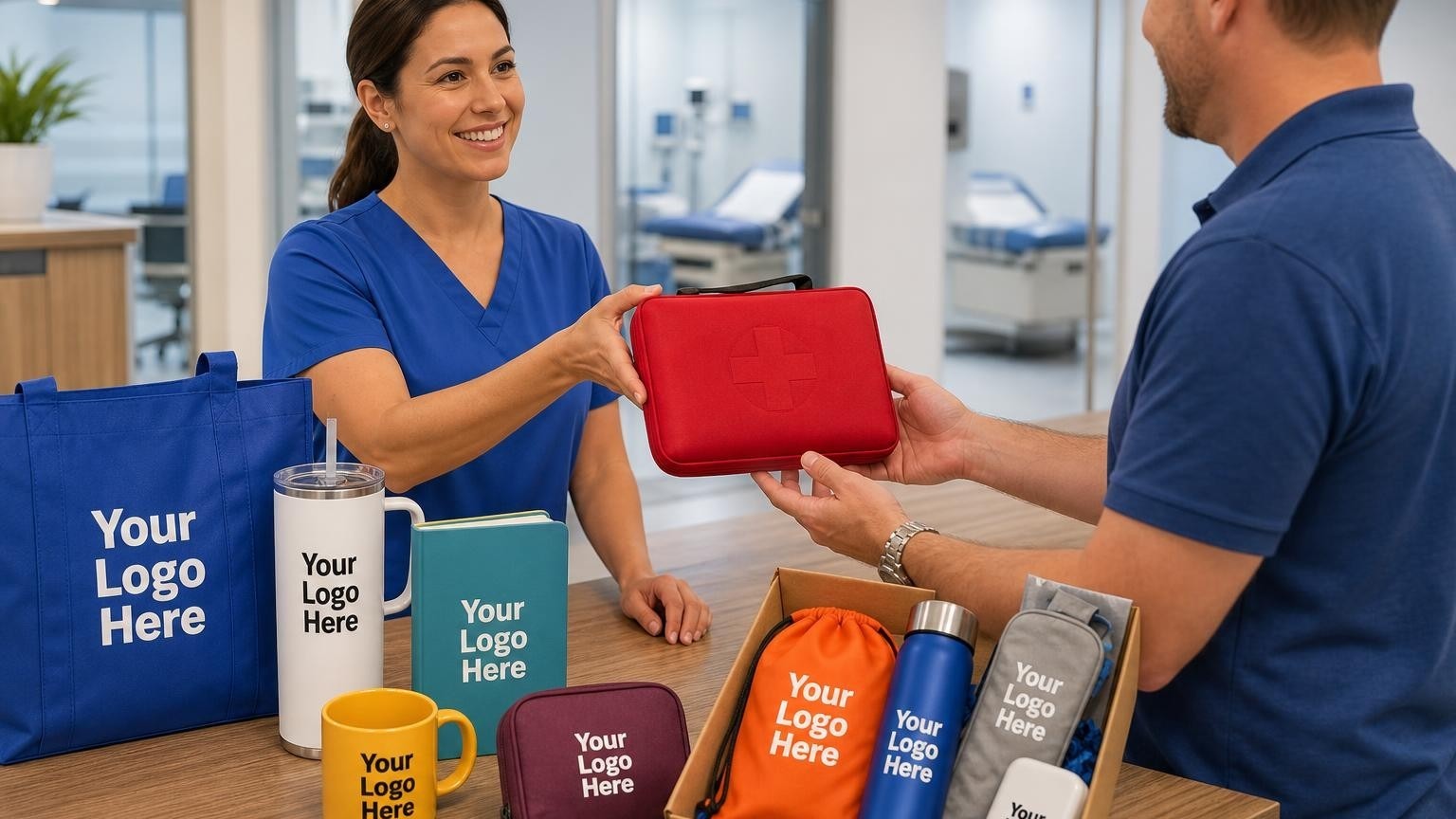
Securing recurring revenue through employer-paid occupational health accounts requires active relationship building with local HR managers and safety directors. When marketing services to manufacturing plants, corporate offices, or municipal departments, generic sales pitches rarely succeed. Instead, clinic administrators use practical, high-value tools to remain top-of-mind. Distributing branded First Aid Kits & Dispensers directly to corporate partners provides a functional resource that sits in breakrooms or company vehicles. This physical presence ensures that when a workplace injury occurs, the employer immediately knows where to send their staff. This strategy turns promotional items into active referral channels, establishing the clinic as a trusted partner in workplace safety and occupational medicine.
B2B Occupational Health Outreach
Build strong referral networks with local employers by distributing practical, safety-focused wellness kits for workplace breakrooms.
Selecting the Right Clinical and Administrative Tools
Choosing items for a medical environment requires balancing utility with hygiene. For daily clinical operations, items must withstand frequent sanitization and heavy use. Health Care Products like custom pill boxes, bandage dispensers, and wellness kits are practical options here. These items extend clinical care beyond the clinic walls, helping patients manage their recovery at home. Additionally, placing branded Hand Sanitizer at exit stations and check-out desks provides a functional, hygiene-conscious takeaway that patients appreciate, especially during seasonal cold and flu surges. By focusing on utility and safety, clinics avoid the trap of distributing cheap gimmicks that undermine their clinical authority.
Operational Touchpoints: Comparing Clinic Use Cases and Product Choices
Managing multiple clinics requires selecting the right item for each specific operational need. The table below outlines how different product categories align with clinical workflows and community outreach goals.
| Clinic Workflow | Target Recipient | Recommended Product Type | Operational Benefit |
|---|---|---|---|
| Patient Intake & Check-In | Patients & Front-Desk Staff | Antimicrobial plastic pens & heavy-duty clipboards | Maintains hygiene standards and ensures smooth form completion |
| Patient Discharge & Aftercare | Discharged Patients | Branded document folders & Pill Boxes | Keeps follow-up instructions organized and supports home care |
| B2B Corporate Outreach | Local HR & Safety Directors | Branded Health Care Products | Positions the clinic as the primary provider for workplace injuries |
| Community Health Fairs | Local Families & Attendees | Custom Lip Balm & Hand Sanitizer | Distributes practical wellness tools that build local familiarity |
Procurement Tiers: Aligning Brand Assets with Clinic Budgets
Managing procurement across multiple locations requires flexible options that accommodate different operational budgets without sacrificing brand standards.
- Good (High-Volume Essentials): Practical, high-use items designed for daily distribution. This tier includes Economy Plastic Pens for intake desks, custom Lip Balm for community outreach, and branded Magnets featuring clinic hours and urgent care hotlines for patient refrigerators.
- Better (Clinical & Staff Utility): Mid-range items that support daily workflows and team cohesion. This tier features standardized clinical clipboards, branded badge reels for care teams, and custom Pill Boxes distributed during discharge.
- Best (High-End B2B & Referral Gifts): High-value, durable items designed to secure corporate accounts and thank referring physicians. This tier includes deluxe First Aid Kits & Dispensers for local employers, insulated stainless steel drinkware for clinical staff appreciation, and professional padfolios for regional operations managers.
Operational Insights from Myron's Healthcare Supply Experience
Based on Myron's experience helping organizations plan custom event merchandiseBased on experience helping healthcare organizations plan clinical and administrative supplies, Myron's team has gathered practical operational insights to help regional managers avoid common distribution bottlenecks:
- Centralize the Ordering Portal: Allowing individual clinic managers to place ad-hoc orders leads to brand dilution and mismatched items. Establish a centralized brand portal to maintain consistency.
- Prioritize Easy-to-Sanitize Materials: In clinical environments, porous plastics and fabric-covered items collect dust and germs. Choose smooth, non-porous materials or antimicrobial-treated items that withstand medical-grade disinfectants.
- Plan for Limited Storage: Urgent care clinics typically have small administrative closets rather than large storage rooms. Choose compact, flat-packed, or stackable items like custom folders and flat magnets to maximize space.
- Use Split-Shipping to Bypass Bottlenecks: Avoid shipping massive bulk orders to a single regional office. Use split-shipping to deliver standardized supplies directly to individual satellite clinics.
- Time Orders Around Seasonal Surges: Plan reorders for high-use items like intake pens and hand sanitizers at least eight weeks before the autumn flu surge and spring sports physical season.
Common Procurement Pitfalls in Multi-Site Healthcare Networks
Multi-location urgent care networks often face logistical hurdles that can compromise brand integrity. One common mistake is allowing individual clinic managers to source their own promotional items. Without centralized guidelines, one clinic might order cheap, neon plastic pens while another orders high-quality metal pens, diluting the unified brand image. Another pitfall is prioritizing low cost over durability and hygiene. Handing a patient a sticky, cheap plastic pen that breaks during intake signals a lack of clinical care and professionalism. Finally, distributing generic medical gimmicks, such as syringe-shaped highlighters, instead of highly functional items like custom first-aid kits, fails to build genuine trust with corporate partners. Investing in practical, high-quality tools ensures that every physical interaction reflects the high standards of your clinical care.
Frequently Asked Questions About Urgent Care Branding and Procurement
How can we manage promotional product inventory across 10 or more clinic locations?
We recommend setting up a centralized ordering system with Myron to distribute standardized items directly to individual clinics as needed. This approach bypasses regional warehouse bottlenecks and ensures that every satellite location maintains identical brand standards without cluttering limited clinic storage space.
What are the most hygienic promotional items for a clinical urgent care environment?
Antimicrobial-treated pens, easy-to-wipe silicone items, and individually packaged wellness products are ideal for maintaining clinical hygiene standards. Selecting non-porous materials ensures that items distributed at intake or discharge do not compromise your clinic's strict infection control protocols.
How can we use branded items to increase our employer-paid occupational health accounts?
Equip local HR managers with functional, workplace-relevant items like custom first-aid kits and safety-focused desk accessories that display your clinic's direct contact info. Providing practical safety resources keeps your urgent care top-of-mind for workplace injury care and employee physicals.
Building Long-Term Community Trust Through Consistent Touchpoints
In the decentralized world of regional healthcare, physical consistency is the foundation of patient trust. Every touchpoint, from the pen used at check-in to the discharge packet handed over at departure, tells a story about your clinic's operational standards. By standardizing these elements across all locations, regional operations managers can project hospital-grade authority while maintaining the warm, accessible feel of a neighborhood clinic. Partnering with Myron simplifies this process, offering centralized procurement and reliable distribution that keeps your clinics equipped and your brand unified. As you prepare for the upcoming autumn cold and flu surge, consider auditing your front-desk and outreach supplies to ensure your network is ready to deliver a consistent, professional experience to every patient who walks through your doors.