


Museum Foundation Donor Gifts and Gala Planning Guide
How sophisticated institutions use high-end physical touchpoints to reflect curatorial standards, satisfy conservative boards, and secure long-term endowment pledges.
10 min read
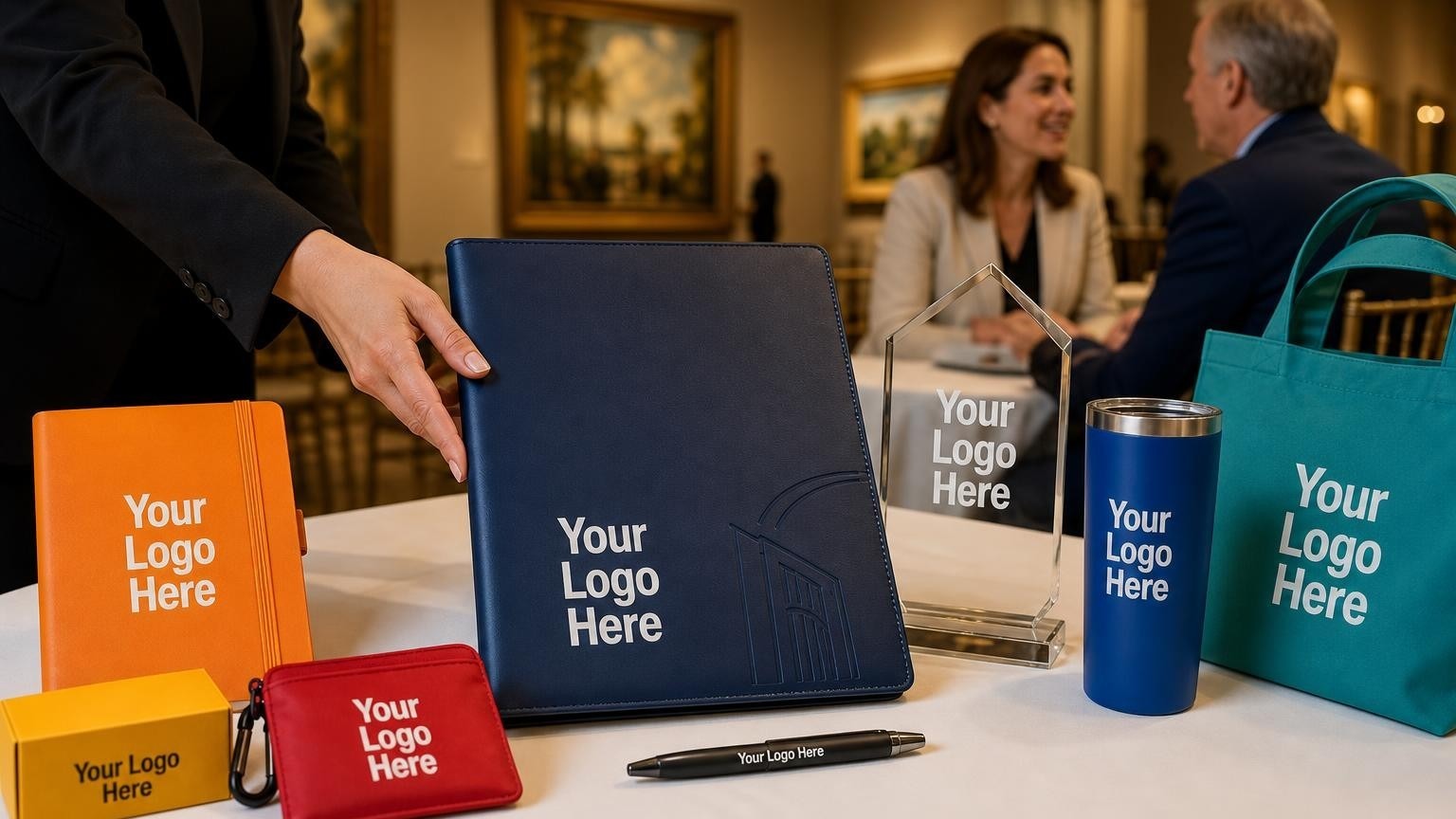
Museum foundations can strengthen donor relationships and raise the prestige of fundraising events by partnering with Myron to source high-end, subtly branded items that match the institution's curatorial standards. Strong choices include blind-debossed portfolios and journals, laser-engraved crystal plaques and paperweights, and high-quality canvas volunteer appreciation bags. Order at least three to four months prior to major exhibition openings, annual galas, or fiscal year-end campaigns. Avoid bright, neon plastics, oversized screen-printed logos, and low-utility novelty items.
The Quiet Prestige of Philanthropic Touchpoints
The foundation director reviews the seating chart for the annual gala, carefully matching names to tables under the soft, angled track lighting of the contemporary gallery. Every placement represents a delicate relationship: a multi-year endowment pledge hanging in the balance, a corporate sponsorship awaiting renewal, or a new patron attending their first private exhibition preview. The physical touchpoints at each seat must quietly reflect the institution's prestige without speaking too loudly. In this environment, a poorly chosen item—something that feels low-quality or overly commercial—can instantly clash with the curatorial standards of the surrounding exhibits. The challenge lies in selecting physical items that show deep appreciation to sophisticated, wealthy patrons while respecting the fiscal responsibility demanded by a conservative board of trustees. Every notebook, pen, or award placed on these tables must feel like a natural extension of the museum's permanent collection, serving as a quiet ambassador for the institution's cultural mission long after the gallery doors close for the evening.
Sourcing Curatorial-Grade Donor Touchpoints
Museum foundations can strengthen donor relationships and raise the prestige of fundraising events by partnering with Myron to source high-end, subtly branded items that match the institution's curatorial standards. Rather than relying on generic promotional items, successful development directors select durable, tactile pieces—such as blind-debossed portfolios, laser-engraved plaques, and elegant writing instruments—that patrons will use in their daily professional lives. These items serve as lasting physical reminders of the museum's cultural value, making them highly effective for new member welcome kits, annual gala tables, and corporate sponsor appreciation milestones.
- Blind-debossed portfolios and journals
- Laser-engraved crystal plaques and paperweights
- High-quality canvas volunteer appreciation bags
Avoid: Avoid bright, neon plastics, oversized screen-printed logos, and low-utility novelty items.
The Art of the Welcome: Designing Member and Donor Welcome Kits
First impressions are critical when transitioning a casual visitor into a lifelong foundation supporter. Whether managing a contemporary art museum foundation, a local historical society, a specialized science center foundation, or a university museum endowment, development teams must think about the tactile experience of the recipient. When assembling the welcome packets in the administrative office prior to the autumn membership drive, staff must select materials that mirror the physical galleries, such as linen, heavy paper, and matte metals.
A major donor opening a beautifully packaged, debossed leather journal at their desk should immediately recognize the institution's commitment to quality. The texture of the cover, the weight of the paper, and the subtlety of the branding all contribute to this feeling of exclusivity. To achieve this, many foundations use custom portfolios and padfolios from Myron, choosing blind debossing over bright screen printing. This technique presses the museum's logo or architectural silhouette directly into the material, creating a sophisticated, tone-on-tone mark that patrons feel comfortable carrying into executive boardrooms. By selecting materials that emphasize the donor's role as a patron of the arts rather than a walking advertisement, the welcome kit becomes a tangible extension of the museum's physical space.
The Patron Welcome Kit
Onboard new foundation members and major endowment contributors with tactile, high-end materials that mirror your gallery spaces.
Gala and Exhibition Openings: Curating Touchpoints for High-Value Events
Annual fundraising galas and private exhibition previews are high-stakes environments where every detail is scrutinized. When the planning committee meets three months before the annual capital campaign gala, the choice of table settings becomes a primary operational focus. Every item placed next to the pledge cards must serve a clear purpose and look beautiful under the focused gallery lighting. Placing a flimsy plastic pen on a formal table can undermine a multi-million-dollar fundraising pitch, whereas a heavy, matte-finish metal pen invites a deliberate, thoughtful signature.
For these formal settings, foundations often select premium writing instruments that feature subtle laser engraving rather than high-contrast printing. This ensures the branding remains understated and elegant. Additionally, when recognizing the patrons who make new acquisitions possible, presenting custom plaques and paperweights during the main program provides a lasting tribute that honorees are proud to display on their office desks. These physical touchpoints work because they respect the patron's personal style while keeping the museum's mission top-of-mind.
Selecting Physical Touchpoints That Match Curatorial Standards
Selecting the right physical items requires a clear understanding of how they will be used by your supporters. Instead of looking for generic giveaways, focus on high-utility items that align with the intellectual and aesthetic interests of a museum audience.
For instance, custom journals and portfolios are highly valued by patrons who attend curatorial lectures, board meetings, or gallery talks. A linen-bound notebook provides a tactile, elegant surface for sketching or taking notes, making it a natural fit for an arts organization. For corporate sponsors and major benefactors, high-end desk accessories and crystal awards offer a sophisticated way to show appreciation. When choosing these items, prioritize classic materials like glass, metal, and leatherette, and opt for subtle branding methods like laser engraving or blind debossing. This ensures the items feel like curated gifts rather than commercial advertisements, matching the high standards of your institution's permanent collection.
Comparing Touchpoint Strategies Across Museum Events
To help guide your selection process, the table below compares common touchpoint strategies across different museum events and recipient groups, highlighting the best product choices and branding methods for each scenario.
| Event or Recipient Group | Primary Operational Goal | Recommended Product Type | Branding Method |
|---|---|---|---|
| Annual Capital Gala | Secure multi-year endowment pledges | Premium matte-finish metal pens | Subtle laser engraving |
| Patron Welcome Kits | Onboard new foundation members | Blind-debossed portfolios or journals | Blind debossing (tone-on-tone) |
| Corporate Sponsor Recognition | Maintain year-round corporate relationships | Custom crystal awards or plaques | Deep glass etching |
| Volunteer Docent Appreciation | Build pride and operational consistency | High-quality canvas tote bags | Embroidered museum monogram |
Structuring Your Appreciation Strategy by Investment Level
Structuring your appreciation strategy by investment level allows your foundation to maintain fiscal responsibility while still delivering high-quality touchpoints. By organizing your selections into clear tiers, you can ensure that every donor, volunteer, and sponsor receives an appropriate level of recognition.
- Good (Entry-Level / Broad Patronage): Focus on high-utility, lightweight items that are easy to distribute. Excellent options include custom metal pens with stylus tips, minimalist notebooks for lecture series, and custom magnets featuring classic artwork from the permanent collection.
- Better (Mid-Range / Active Members & Volunteers): Prioritize durable, tactile items that build a sense of community. Consider volunteer appreciation gifts such as high-quality canvas tote bags, debossed leatherette portfolios for committee members, and premium insulated drinkware for docents.
- Best (Premium / Major Donors & Corporate Sponsors): Focus on gallery-grade, display-worthy recognition pieces. This tier includes custom crystal plaques, premium executive gift sets, and high-end leather portfolios designed for board members and lead benefactors.
Corporate Sponsor Recognition
Recognize major capital campaign contributors and board members with gallery-grade physical plaques and paperweights.
First-Party Insights from the Sourcing Floor
Based on Myron's experience helping organizations plan custom event merchandiseBased on experience helping organizations plan custom event merchandise, Myron's team has gathered practical operational insights to help museum foundations maximize the impact of their physical touchpoints:
- Subtlety Wins: Sophisticated donors prefer understated elegance. Opt for blind debossing or laser engraving over bright, multi-colored screen prints, which can make a premium item look like a commercial advertisement.
- Consider Transport Logistics: Heavy or fragile items like glass vases or heavy ceramic mugs can be difficult for staff to transport to off-site gala venues and challenging for donors to carry home. Slim, flat-packable items like portfolios and pens are much easier to manage.
- Match the Gallery Aesthetic: Ensure the materials and colors of your chosen items match the physical environment of your museum. For example, a contemporary art museum might choose minimalist, matte-black metal items, while a historical society might opt for classic leather and warm brass tones.
- Plan for Remote Board Members: If you have national board members who cannot attend events in person, select lightweight, durable items that fit easily into elegant, flat-pack mailers to minimize shipping costs and prevent breakage.
- Use Year-Round Touchpoints: Prevent donor fatigue by sending thoughtful thank you gifts during quiet periods of the calendar, rather than only reaching out when actively soliciting donations during major campaigns.
How to Choose the Right Item
- Aesthetic AlignmentAsk: 'Does this item look like it belongs in our museum's design store or permanent collection?' Choose classic materials like matte-finish metal, linen, and leatherette over bright plastics.
- Utility & LongevityAsk: 'Will our high-net-worth patrons actually use this item in their professional or personal lives?' Prioritize premium tech organizers, high-quality portfolios, and executive pens.
- Branding SubtletyAsk: 'Is the branding subtle enough that a donor would feel proud to use this in a corporate board meeting?' Opt for laser engraving or blind debossing over full-color glossy prints.
Common Mistakes to Avoid
- Choosing low-quality plastic items to save on budget.Low-quality items clash with the museum's curatorial standards and can make a high-stakes fundraising environment feel less polished.Better approach: Order a smaller quantity of premium, high-utility items like a single matte-finish metal pen instead of a bulk box of cheap plastic click pens.
- Over-branding items with massive, colorful logos.Sophisticated donors prefer understated elegance and are unlikely to use items with loud, commercial advertising in their professional lives.Better approach: Use subtle, tone-on-tone debossing or small, precise laser engraving that respects the patron's personal style.
- Ignoring the storage and transport logistics of heavy or fragile items.Heavy or fragile items like glass vases are difficult for staff to transport to off-site gala venues and challenging for donors to carry home.Better approach: Select lightweight, durable, or flat-packable items like slim portfolios and elegant metal pens.
Frequently Asked Questions
How do we choose promotional items that align with our museum's strict aesthetic standards?
Focus on classic materials like metal, leather, and matte finishes, and opt for subtle branding methods like laser engraving or debossing over bright screen printing. This ensures the physical items feel like a natural extension of your galleries rather than mass-produced commercial novelties.
What is the best way to distribute donor welcome kits to remote or national patrons?
Select flat, lightweight, and durable items like custom portfolios and slim metal pens that fit easily into elegant, flat-pack mailers. This minimizes postage costs, prevents shipping damage, and ensures a beautiful presentation upon arrival.
How can we ensure our gala gifts don't look like wasteful spending to our board?
Choose highly functional, durable items that donors will use daily, framing the purchase as a long-term donor retention tool rather than a one-time giveaway. Investing in quality items like executive portfolios ensures your budget is spent on pieces that keep your mission top-of-mind for years.
Cultivating Your Philanthropic Community
Thoughtful physical touchpoints are more than simple appreciation tokens; they are lasting ambassadors for your museum's cultural mission. By selecting high-quality, subtly branded items that respect both the curator's eye and the board's fiscal standards, museum foundations can build a deeply connected philanthropic community that supports the institution for decades. As you prepare for your upcoming fall gala season or plan your next major exhibition preview, consider how a refined physical presentation can strengthen your donor relationships. To find the perfect match for your institution's aesthetic, explore our collection of portfolios and journals or consult with Myron's team to design a custom appreciation strategy that honors your patrons' generosity.