


Museum Membership Welcome Kits: Design & Retention Guide
A practical guide for museum membership directors on using high-design portfolios, custom journals, and gallery-grade keepsakes to onboard new members and drive annual renewals.
10 min read
Museum membership programs can significantly boost patron retention and onboarding satisfaction by using high-aesthetic, selected promotional items from Myron that align with the institution's artistic standards. Strong choices include debossed hardcover journals, custom matte buttons, and premium portfolios. Three to four months ahead of major spring and autumn exhibition openings or annual membership drives. Avoid cheap plastic novelties, oversized or loud logos, and bulky items that are difficult for patrons to carry through galleries.
The Quiet Gallery Before the Opening
The gallery is perfectly still on the eve of the autumn exhibition opening. Soft, focused spotlights illuminate the newly hung canvases, casting long shadows across the polished hardwood floors. In the center of the room, the membership director stands beside a wooden utility cart laden with neatly stacked welcome packages. Tomorrow night, hundreds of opening-night attendees will fill this space, clinking glasses and admiring the brushwork. But the director's focus is on a different kind of art: the art of retention. She runs her fingers over the smooth cover of a debossed journal, checking the alignment of the institution's architectural crest. These physical packets are not mere handouts; they are the tangible proof of a patron's connection to the museum. In a historic building with narrow corridors and highly restricted administrative storage, every box of inventory must justify its footprint. The director knows that the transition from a one-time ticket buyer to a lifelong supporter begins right here, at the lobby desk, with a physical greeting that matches the high aesthetic standards of the galleries themselves.
The Core Strategy for Museum Membership Growth
Museum membership programs can significantly boost patron retention and onboarding satisfaction by using high-aesthetic, selected promotional items from Myron that align with the institution's artistic standards. To drive long-term donor loyalty, focus on compact, gallery-grade items like custom portfolios and journals for welcome kits, custom buttons for exhibition previews, and high-quality thank-you gifts for annual renewals. These physical items should feature subtle, minimalist branding that respects the museum's visual identity while fitting easily within the limited under-counter storage spaces of historic lobby reception desks.
- Debossed hardcover journals
- Custom matte buttons
- Premium portfolios
Avoid: Cheap plastic novelties, oversized or loud logos, and bulky items that are difficult for patrons to carry through galleries.
Designing the First Touchpoint: The New Member Welcome Kit
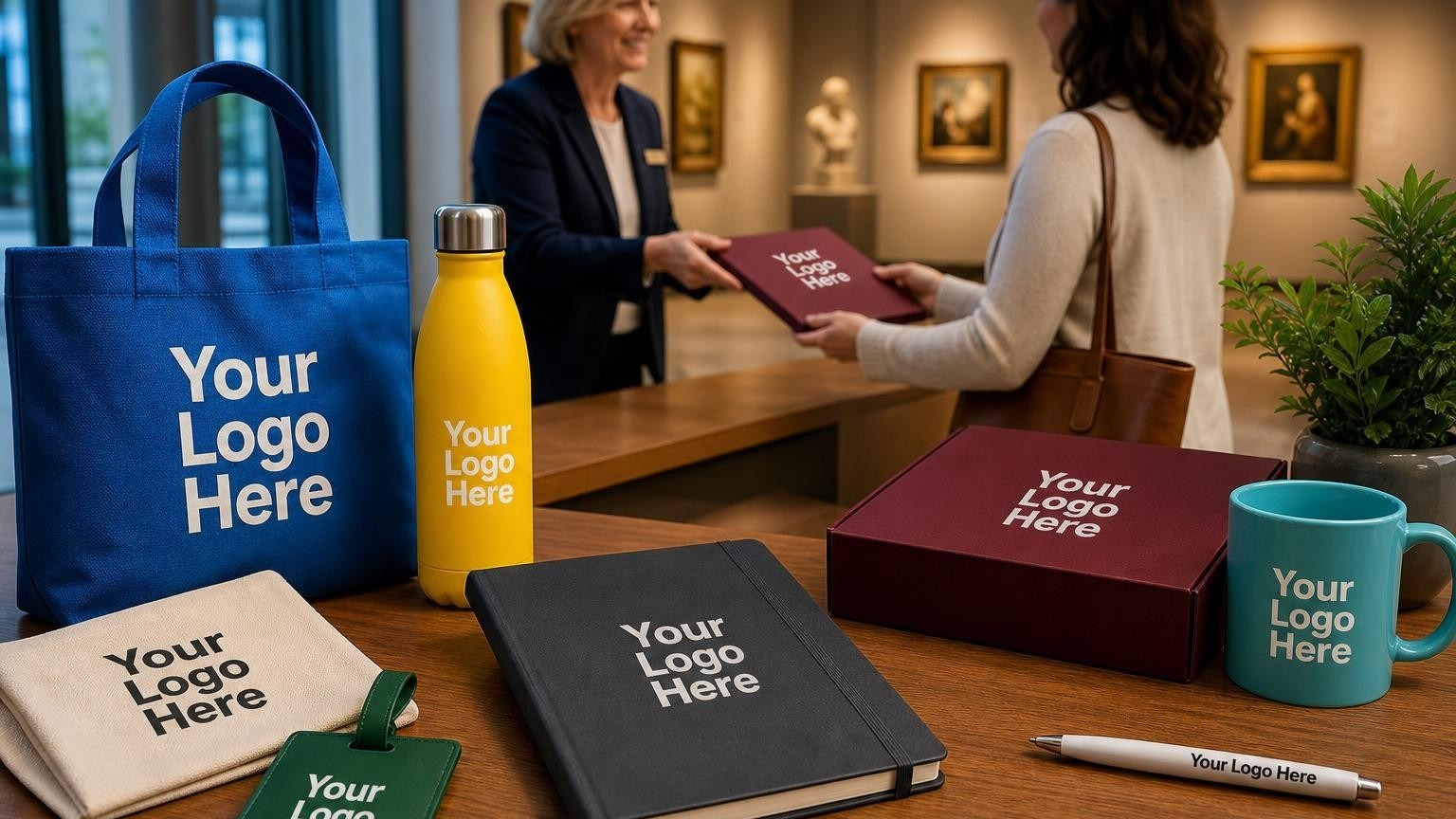
The lobby desk of an art or history museum during a Saturday afternoon rush is a high-traffic environment where visitor services staff must balance operational speed with genuine personal connection. When a visitor decides to transition from a single-admission ticket holder to an annual member, the onboarding process must feel distinct from a standard retail transaction. Handing over a generic paper receipt or a digital confirmation email does little to validate their financial commitment or make them feel like an institutional insider. Instead, presenting a substantial, beautifully designed welcome kit directly at the desk creates an immediate, positive recipient moment that sets the tone for their entire membership experience.
For many institutions, the physical size of these kits is a major operational reality. Historic lobby desks, often designed decades ago with minimalist aesthetics in mind, rarely have deep storage drawers or large administrative cabinets. This means welcome materials must be flat, stackable, and easy for staff to retrieve without bending down or cluttering the counter. A practical option here is a high-quality journal. By choosing custom portfolios and journals from Myron, membership directors can provide a tactile, gallery-grade item that patrons will actively use during lectures, curator-led tours, or gallery sketching sessions. A subtle debossed logo on a dark, matte cover respects the artistic integrity of the institution while serving as a quiet ambassador when the member uses it in public spaces. This workflow ensures that the very first physical touchpoint feels like a natural extension of the museum's curated galleries, rather than an afterthought, while keeping the lobby desk clean and organized.
The Patron Welcome Kit
Handed to new members at the lobby desk upon registration to drive immediate satisfaction.
Exclusive Access: Branded Gear for Exhibition Previews and Member Nights
Exclusive preview nights and member-only hours are the primary drivers of mid-tier membership retention and upgrade cycles. When a museum launches a major temporary exhibition, members expect an experience that general admission visitors cannot access—a feeling of exclusivity and early access. The decision trigger for ordering event-specific items usually occurs three to four months before the opening, as the curatorial and marketing teams finalize the exhibition's visual assets and promotional calendar.
At the entrance, as docents scan member cards and welcome guests, handing out a limited-edition keepsake creates an immediate sense of insider status. For example, a contemporary art museum, a local historical society, or an interactive science center can distribute custom metal pins or custom buttons featuring a clean, minimalist detail from a featured masterpiece or the building's historic rotunda. These items are exceptionally compact, solving the common operational hurdle of transporting heavy boxes up narrow, historic staircases or storing them in tight basement archives. When pinned to a lapel, coat, or bag, these small tokens allow members to identify one another in the crowd, building a quiet sense of community during the event. Because these keepsakes are tied directly to a specific exhibition, they become highly collectible, encouraging patrons to attend multiple openings throughout the year to complete their collection, thereby driving long-term engagement and reducing annual churn.
Exhibition Preview Keepsakes
Given to VIP members at the door during exclusive evening preview events.
Selecting High-Aesthetic Items That Fit Museum Workflows
Selecting physical items for a cultural institution requires a different filter than standard corporate gifting. Curators and design-conscious patrons will quickly reject items that look cheap, overly commercial, or misaligned with the museum's educational mission. The focus must always be on material quality, minimalist design, and functional utility within the gallery environment.
When planning your next membership drive, consider items that support the visitor's intellectual curiosity. Slim, pocket-sized sketchbooks and elegant writing tools are natural companions for gallery tours and educational workshops. For high-tier donors, such as corporate members or sustaining patrons, larger items like premium padfolios are highly appropriate. These items should be paired with thoughtful presentation. Using thank you gifts from Myron allows you to express gratitude with sophisticated, beautifully packaged items that reflect your museum's high standards. By focusing on items that have a clear purpose—whether for sketching in a modern art gallery, taking notes during a history lecture, or attending a board meeting—you ensure that your promotional investments are retained, valued, and proudly displayed by your supporters. This thoughtful approach to product selection reinforces the museum's reputation as a bastion of taste and learning, making donors feel that their contributions are deeply respected.
Comparing Collateral Options by Supporter Tier
Choosing the right physical item depends heavily on the specific tier of support and the operational context of the distribution. The table below outlines how to match product categories to your museum's workflow:
| Membership Tier / Event Type | Recommended Physical Item | Operational Advantage | Distribution Method |
|---|---|---|---|
| Student & Educator Tiers | Custom Matte Buttons | Low storage footprint, highly visible on backpacks | Handed over at lobby desk upon sign-up |
| Individual & Family Welcome Kits | Debossed Hardcover Journals | Flat-stacking, highly valued by gallery sketchers | Placed in welcome packet at registration |
| Exhibition Preview Nights | Limited-Edition Enamel Pins | Lightweight, easy for docents to distribute at doors | Distributed during VIP check-in |
| Sustaining & Corporate Donors | Premium Padfolios & Thank You Gifts | High perceived value, professional utility | Mailed directly to donor offices with annual report |
Strategic Allocation: Good, Better, and Best Gifting Tiers
Managing a non-profit budget requires strategic allocation of resources across different supporter levels. Rather than distributing low-quality items to everyone, successful museum programs use a tiered approach that matches the investment level of the patron.
- Good (Entry-Level & Student Tiers): Focus on compact, high-visibility items that fit easily in lobby desk drawers. Excellent options include custom buttons, sleek metal bookmarks, and flat-packed magnetic calendars that patrons can place on home refrigerators.
- Better (Individual & Family Tiers): Focus on functional gallery tools that enhance the member's visit. Recommended items include custom portfolios and journals, slim stylus pens for interactive digital exhibits, and lightweight cotton shoppers.
- Best (Patron, Sustaining, & Corporate Tiers): Focus on premium, executive-grade gifts that express deep institutional gratitude. Ideal choices include hardcover portfolios, custom crystal paperweights for office desks, and beautifully boxed holiday gift sets sent during year-end giving campaigns.
Operational Insights from the Museum Supply Field
Based on Myron's experience helping organizations plan custom event merchandiseBased on experience helping organizations plan custom event merchandise, Myron's team has gathered practical operational insights for museum membership directors:
- Prioritize flat-stacking items: Lobby desks are designed for architectural beauty, not bulk storage. Portfolios, journals, and flat magnets can be stacked neatly in under-counter bins without cluttering the public space or obstructing visitor views.
- Keep branding subtle: Discerning patrons prefer minimalist designs. A small, blind-debossed logo or a subtle tone-on-tone print on a journal cover is far more likely to be used in public than a loud, oversized logo, turning your members into active ambassadors.
- Avoid fragile materials: Items made of glass or ceramic are difficult to transport via utility carts up historic staircases and are prone to breaking during busy lobby registration hours. Stick to durable materials like metal, heavy cardstock, and bound leatherette.
- Plan around the exhibition calendar: Order your promotional items at least three to four months before a major exhibition launch to allow ample time for design proofs, curatorial approval, and shipping.
- Use physical items to ease wait times: During high-traffic weekend hours, handing a newly registered member their welcome kit immediately can make a short wait for admission feel like part of the VIP experience, keeping tempers cool and satisfaction high.
- Design for specific sub-types: Ensure your items match the specific museum context. A modern art museum should opt for sleek, matte-black notebooks, while a natural history museum might choose custom-etched metal bookmarks featuring architectural details of their historic rotunda, and a science center might select blueprint-style illustrations.
Donor Appreciation Gifts
Mailed to high-tier donors or presented during annual renewal campaigns.
How to Choose the Right Item
- Aesthetic AlignmentAsk: 'Does this item look like it belongs in our museum's curated gift shop?' Focus on matte finishes, debossed logos, and high-quality materials.
- Storage FootprintAsk: 'Can we easily store a three-month supply of this item behind our lobby membership desk?' Opt for flat-stacking portfolios, pocket journals, and compact buttons.
- Gallery UtilityAsk: 'Does this item actively enhance the member's physical experience while touring our exhibits?' Select sketchbooks, notebooks, and writing tools.
Common Mistakes to Avoid
- Prioritizing low cost over design and material quality.Tight non-profit budgets force directors to select the cheapest available options, which clashing with high-end gallery aesthetics.Better approach: Order fewer, higher-quality items for premium tiers rather than mass-producing cheap items that damage the museum's brand.
- Ordering bulky promotional items without a storage plan.Failing to account for the highly limited storage space behind historic lobby desks leads to cluttered public spaces.Better approach: Select flat, stackable, or highly compact items like notebooks, bookmarks, and pins.
- Using generic, uninspired designs that do not tell a story.Rushing orders and simply slapping a basic logo on a stock item fails to build deep brand loyalty.Better approach: Work with design teams to incorporate architectural details of the museum building or elements of a featured exhibition.
Frequently Asked Questions
How do we choose promotional items that match our museum's strict design and aesthetic guidelines?
Focus on minimalist designs, high-quality materials like metal, canvas, and matte finishes, and subtle logo placements that respect the artistic integrity of your institution. Selecting items with blind debossing or tone-on-tone printing ensures the branding remains sophisticated and gallery-grade.
What are the best low-profile items to stock at membership desks with limited storage space?
Opt for compact, high-value items like custom buttons, sleek metal bookmarks, and pocket-sized sketchbooks that fit easily in under-counter storage bins. These flat-stacking items allow staff to keep a multi-week supply on hand without cluttering the clean aesthetic of the lobby.
How can we use branded merchandise to incentivize visitors to upgrade to higher membership tiers?
Implement a tiered gifting strategy where basic tiers receive entry-level items like custom buttons, while premium tiers unlock high-end portfolios or executive thank-you gift sets. Presenting these items visually at the lobby desk allows visitors to see the tangible benefits of upgrading their support.
Building a Lifelong Patron Community
Physical touchpoints are the quiet engine of donor retention, turning a brief visit into a lifelong relationship. By choosing high-design, gallery-grade items that respect both your aesthetic standards and your physical storage constraints, you can build a stronger sense of community among your supporters. As you prepare for your upcoming autumn exhibition launch or annual membership drive, explore Myron's handpicked categories to find the perfect physical assets to improve your patron experience. Our team is here to help you find options that align with both your design standards and your non-profit budget.