


Nurse Practitioner Clinic Branding Ideas for Patient Trust
How independent nurse practitioner practices use functional wellness tools and professional staff apparel to build patient compliance and local clinical authority.
10 min read
Independent Nurse Practitioner clinics can build deep patient trust and local brand equity by partnering with Myron to integrate high-utility wellness items and professional apparel directly into their clinical workflows. Strong choices include health & wellness products, custom apparel and scrubs, and durable bags & totes. Order ahead of clinic grand openings, seasonal community health fairs, or annual Nurse Practitioner Week celebrations. Avoid cheap, non-functional novelty items that undermine clinical credibility or fail to support patient wellness.
A Different Kind of Care: The Physical Reality of the Independent NP Clinic
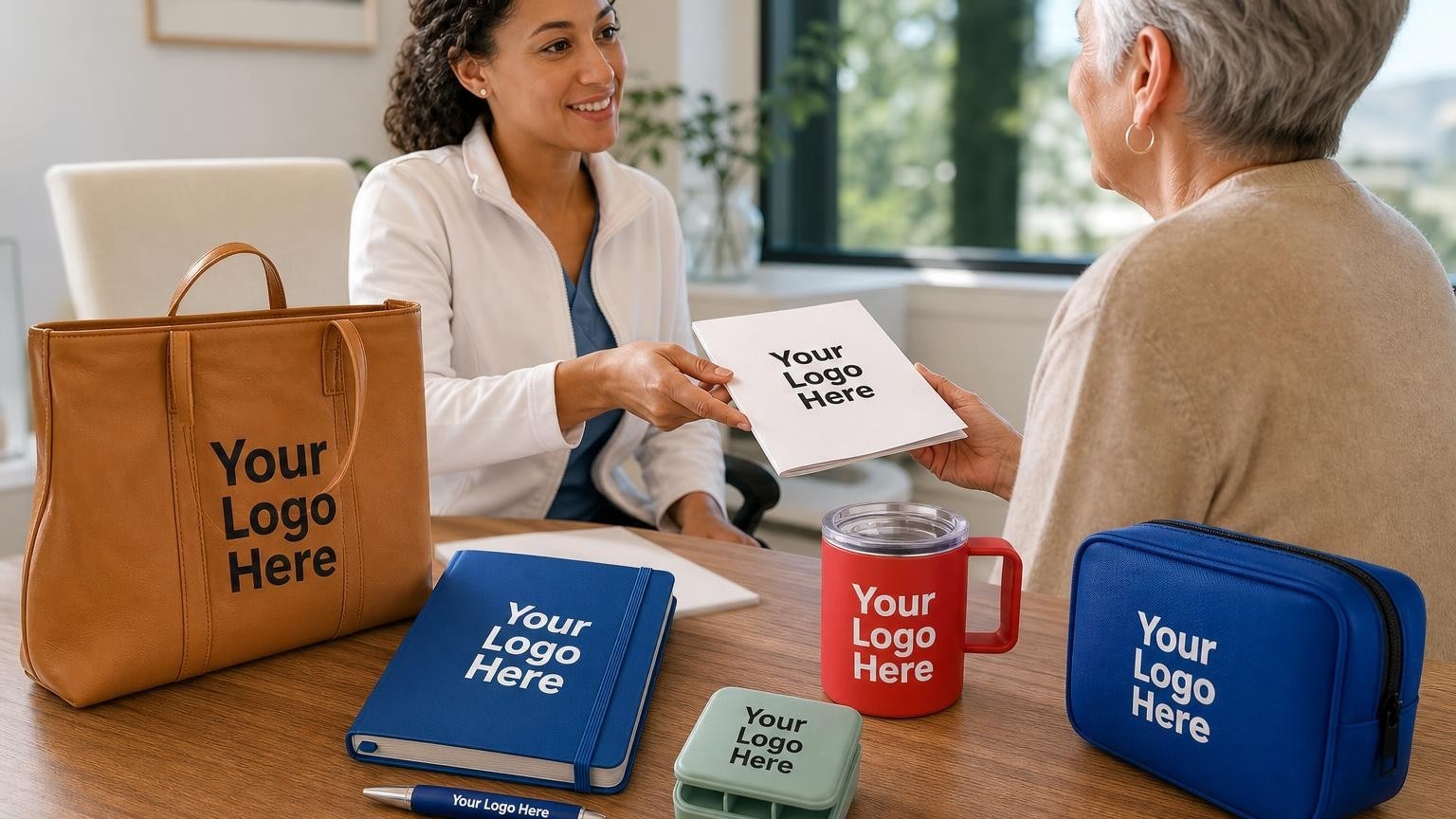
A patient walks into a warm, community-focused Nurse Practitioner clinic, immediately noticing the personalized care touchpoints that contrast sharply with cold, bureaucratic hospital waiting rooms. Instead of a sterile plastic clipboard handed over by an indifferent receptionist, they receive a sturdy writing board and a smooth-writing pen that they are invited to keep. In an independent, nurse-practitioner-led primary care clinic, every physical interaction is an opportunity to build trust. When patients transition away from massive corporate health systems, they look for signs that their care will be personal, attentive, and highly competent. The clinical environment must reflect this advanced practice model. From the moment a patient sits down to fill out their medical history to the moment they receive their clinical discharge instructions, the physical items they touch shape their perception of your practice's authority. By focusing on high-utility clinical tools rather than cheap novelties, independent NPs can establish deep local roots and secure patient loyalty.
Strategic Branding for Nurse Practitioner Clinics
Independent Nurse Practitioner clinics can build deep patient trust and local brand equity by partnering with Myron to integrate high-utility wellness items and professional apparel directly into their clinical workflows. Rather than relying on generic promotional items, successful practices focus on clinical utility. This includes distributing custom pill boxes during medication counseling, providing medical-grade writing instruments for intake forms, and outfitting clinical staff in professional embroidered apparel. These physical interactions reinforce clinical advice, improve patient compliance, and project an authoritative, unified team image that successfully competes with large hospital networks.
- Health & Wellness products
- Custom Apparel and Scrubs
- Durable Bags & Totes
Avoid: Avoid cheap, non-functional novelty items that undermine clinical credibility or fail to support patient wellness.
The Independent NP Advantage: Operationalizing the First Patient Visit
First impressions dictate patient retention in independent primary care. When a new patient arrives, their anxiety is often high, particularly if they are managing a new chronic diagnosis. Handing a custom wellness journal to a patient newly diagnosed with hypertension to track daily readings is a clinical intervention disguised as a welcoming gesture. This physicalizes your clinic's commitment to comprehensive, personalized wellness.
During the intake process, using branded clipboards and medical-grade pens at the front desk—which patients keep after filling out intake forms—creates a professional, hygienic experience. This simple workflow step ensures patients do not feel like they are in a transactional, high-volume urgent care center. Instead, they feel the deliberate care of an independent practice. To support this onboarding workflow, clinics can use Economy Plastic Pens from Myron, ensuring that even a simple writing tool reflects clinical professionalism.
By making the intake process feel deliberate and caring, you set the tone for the entire clinical relationship. Patients who feel respected during their first ten minutes in your waiting room are far more likely to adhere to their long-term treatment plans and return for their annual wellness exams. This initial touchpoint is where clinical compliance begins, transforming a routine administrative task into an active demonstration of your practice's patient-first philosophy.
Patient Onboarding Essentials
Equip new patients with practical tools that support their wellness plans from day one. These items are perfect for welcome kits handed out during initial consultations.
Selecting High-Utility Clinical Tools for Patient Welcome Kits
Building a patient welcome kit requires selecting items that serve a direct clinical purpose. A patient managing a complex medication schedule benefits immensely from a physical organizer. Distributing high-utility Pill Boxes during discharge counseling helps patients adhere to their prescribed therapies while keeping your clinic's contact details close at hand.
For clinics focusing on preventive care, providing educational packets paired with Stick-Up & Magnetic Calendars allows patients to track upcoming immunization schedules, wellness exams, and follow-up appointments on their refrigerators. These items are not mere giveaways; they are functional extensions of your clinical advice that remain active in the patient's home daily.
Additionally, providing patients with protective health items like custom-branded hand sanitizer or Lip Balm during seasonal wellness visits shows a proactive commitment to their daily health. These items are highly portable, fitting easily into a purse or pocket, ensuring your clinic's supportive presence is felt wherever the patient goes. When a patient reaches for their hand sanitizer or lip balm during their day, they are reminded of your clinic's role in their ongoing wellness, reinforcing a continuous loop of care outside the clinic walls.
Community Health Outreach: High-Trust Giveaways for Local Fairs
Establishing your clinic as a local healthcare anchor requires active participation in community events. Whether your team is conducting blood pressure screenings at a senior center, organizing a neighborhood 5K, or hosting an open house for a new clinic location, the items you distribute must offer immediate health utility.
Consider the specific scenarios where independent clinics engage with the public:
- An independent family practice clinic distributing sunscreens and lip balms at a summer youth sports league sign-up.
- A specialized geriatric wellness clinic handing out magnetic calendars with emergency contact numbers at a local senior center health fair.
- A pediatric nurse practitioner clinic providing custom first-aid kits to parents during a school-district wellness expo.
In each of these moments, the item distributed directly supports public health. For instance, handing out custom Hand Sanitizer or protective Health Care Products during seasonal flu clinics reinforces your role as a preventive health authority. These items keep your practice top-of-mind when those families eventually need to establish a primary care relationship.
When a community member receives a high-utility health tool from an NP, they associate that practice with practical, accessible medical expertise. This direct connection is far more effective than generic local advertising, as it demonstrates your clinical values in a tangible, helpful format. By focusing on public health education and immediate utility, your clinic builds a reputation as a trusted community resource rather than a commercial business.
Community Health Outreach Gear
Distribute high-utility health items at local wellness fairs and senior center events to establish your clinic as a trusted community resource.
Comparing Patient Touchpoint and Outreach Options
To help you select the most appropriate items for your practice's specific operational needs, the table below outlines key clinical touchpoints, their primary purpose, and the practical storage realities associated with each option.
| Clinical Touchpoint | Primary Operational Purpose | Recommended Product Type | Storage & Distribution Reality |
|---|---|---|---|
| New Patient Onboarding | Reduce intake anxiety & support care plans | Custom Pill Boxes & Wellness Journals | Handed over at checkout; fits in standard desk drawers |
| Community Health Fairs | Establish local clinical authority | Branded Hand Sanitizers & First-Aid Kits | Distributed at outdoor booths; lightweight for transport |
| Seasonal Flu Clinics | Promote preventive care & vaccination | Stick-Up Magnetic Calendars & Pens | Placed at reception desk; flat items require minimal space |
| Staff Professionalism | Unify clinical team & display credentials | Embroidered Softshell Jackets & Badge Reels | Stored in staff lockers; requires durable, washable fabrics |
Clinical Staff Unity: Apparel That Signals Professionalism
Patients associate professional, unified staff apparel with clinical competence. In an independent clinic, nurse practitioners, medical assistants, and administrative staff must project a cohesive brand identity that rivals massive hospital networks. Providing clinical staff with embroidered softshell jackets that display their NP credentials clearly is a practical way to build team pride and reassure patients.
When clinical staff wear matching, durable apparel, it establishes immediate authority during consultations. This is especially important during high-stress clinical moments, such as explaining a new treatment plan or conducting an in-office procedure. To maintain this professional appearance, clinics should choose durable garments that withstand frequent sanitization and industrial washing. Pairing professional attire with branded badge reels keeps essential clinical tools organized and visible, ensuring your team looks unified and prepared.
Furthermore, a professional uniform policy simplifies daily operations for your staff, reducing decision fatigue and fostering a shared sense of clinical mission. When your team looks cohesive, patients feel more secure in the care they receive. This visual alignment is particularly critical in independent practices, where establishing clinical authority quickly is essential to competing with larger, corporate-backed medical groups.
Professional Staff Apparel & Gifts
Unify your clinical team and show appreciation during Nurse Practitioner Week with professional, durable apparel and gifts.
Budget Tiers for Independent Clinic Branding
Managing an independent practice requires careful budget allocation. To help you plan your clinical branding strategy, we have organized our recommendations into three distinct investment tiers, each focused on maximizing utility and professional presentation.
- Good (Essential Outreach): Focus on high-volume, functional items for broad distribution. This tier includes custom Economy Plastic Pens for intake desks, custom Lip Balm for community events, and Magnets featuring clinic hours and emergency contact numbers.
- Better (Clinical Utility): Focus on items that directly support patient care plans and daily health tracking. This tier includes custom Pill Boxes for chronic disease management, branded Hand Sanitizer for wellness kits, and Stick-Up & Magnetic Calendars for scheduling.
- Best (Professional Practice Identity): Focus on long-term branding and staff unity. This tier includes embroidered softshell jackets for clinical staff, heavy-duty canvas welcome totes for new patient onboarding, and high-quality wellness journals for comprehensive care programs.
By selecting the tier that aligns with your current operational phase, you can ensure your branding efforts are both financially responsible and highly effective.
Operational Insights for Clinic Product Selection
Based on Myron's experience helping organizations plan custom event merchandiseBased on experience helping healthcare organizations plan custom merchandise, Myron's team has gathered practical operational insights for independent practices:
- Prioritize Flat, Stackable Items: Clinical storage space is notoriously tight. Items like magnetic calendars and flat-packed pill boxes store easily in compact utility closets without cluttering clinical areas.
- Avoid Fragile Materials: Avoid glass or heavy ceramic items in clinical settings. Lightweight, durable polymers and canvas are safer for patients and easier for staff to handle during busy shifts.
- Ensure High Washability: Staff apparel must withstand frequent, high-temperature sanitization cycles. Opt for high-quality embroidery over screen printing to prevent cracking and fading.
- Keep Branding Professional: For patient-facing clinical tools, keep the clinic logo clean and professional. Oversized, loud branding can make a wellness tool feel like an advertisement rather than a clinical recommendation.
- Select Medical-Grade Writing Tools: Ensure pens used at intake desks have comfortable grips and smooth ink flow, which is particularly helpful for arthritic or elderly patients filling out extensive medical histories.
These operational considerations ensure that your investment in clinical branding supports, rather than hinders, your daily practice workflows.
How to Choose the Right Item
- Clinical UtilityAsk: 'Does this item directly support a patient's wellness journey or daily health management?' Choose pill organizers, wellness journals, and first-aid kits over novelty toys.
- Durability & WashabilityAsk: 'Can this apparel or gear withstand the rigorous sanitization and washing required in a medical clinic?' Choose embroidered softshell jackets and heavy-duty canvas totes.
- Patient Safety & ComplianceAsk: 'Is this product safe, non-toxic, and appropriate for distribution in a clinical setting?' Choose BPA-free water bottles and FDA-compliant hand sanitizers.
Common Mistakes to Avoid
- Prioritizing low cost over product durability and utility.Cheap giveaways that fail or break quickly compromise the professional image of an independent clinic.Better approach: Focus on high-quality, clinical-grade items that patients will keep and use daily.
- Distributing generic promotional items with no clinical relevance.Items like cheap plastic keychains do not support patient wellness or reinforce clinical advice.Better approach: Choose health-focused items like custom pill organizers or first-aid kits that support patient safety.
- Neglecting the washability and durability of staff apparel.Screen-printed shirts crack and fade quickly under rigorous clinical laundry and sanitization conditions.Better approach: Invest in high-performance, embroidered scrubs and jackets designed for medical environments.
Frequently Asked Questions
What promotional items are most effective for new patient onboarding in an NP clinic?
High-utility wellness items, such as custom pill organizers, medical-grade pens, and insulated water bottles, help ease transition anxiety and build immediate trust. These items support patient compliance and keep your clinic's contact details easily accessible.
How can NP clinics use branded items for community health events without looking commercial?
Focus strictly on clinical utility by distributing items like first-aid kits, sunscreens, and wellness trackers that align with your medical mission. This ensures your outreach remains professional and directly supports public health.
What are the best practices for selecting branded apparel for nurse practitioners and clinical staff?
Prioritize durable, high-performance fabrics that withstand frequent sanitization, and choose professional embroidery that clearly displays credentials. This projects clinical authority and maintains a cohesive team appearance.
Partnering for Clinical Excellence
Every physical touchpoint in an independent Nurse Practitioner clinic is an extension of clinical care. By choosing high-utility wellness tools and professional staff apparel, you reinforce your clinic's authority and build lasting patient relationships. As you prepare for your next seasonal flu clinic, community health fair, or practice expansion, consider how these physical tools can support your clinical mission. Explore Myron's selected collection of high-utility Health Care Products to strengthen your independent practice today.