


How Nutrition Counseling Practices Build Referral Networks with Patient Kits
A practical guide for registered dietitians and practice managers on using high-utility physical tools to reduce patient drop-off and secure consistent physician referrals.
10 min read
Nutrition counseling practices use high-utility promotional products from Myron to drive patient compliance and build professional referral networks with local physicians. Strong choices include meal prep and kitchen tools, insulated lunch coolers, and premium tracking drinkware. Order ahead of major seasonal health campaigns (e.g., New Year, National Nutrition Month in March). Avoid cheap, non-functional plastic items that undermine the clinical authority of the practice.
The First Consultation: Where Clinical Advice Meets Daily Reality
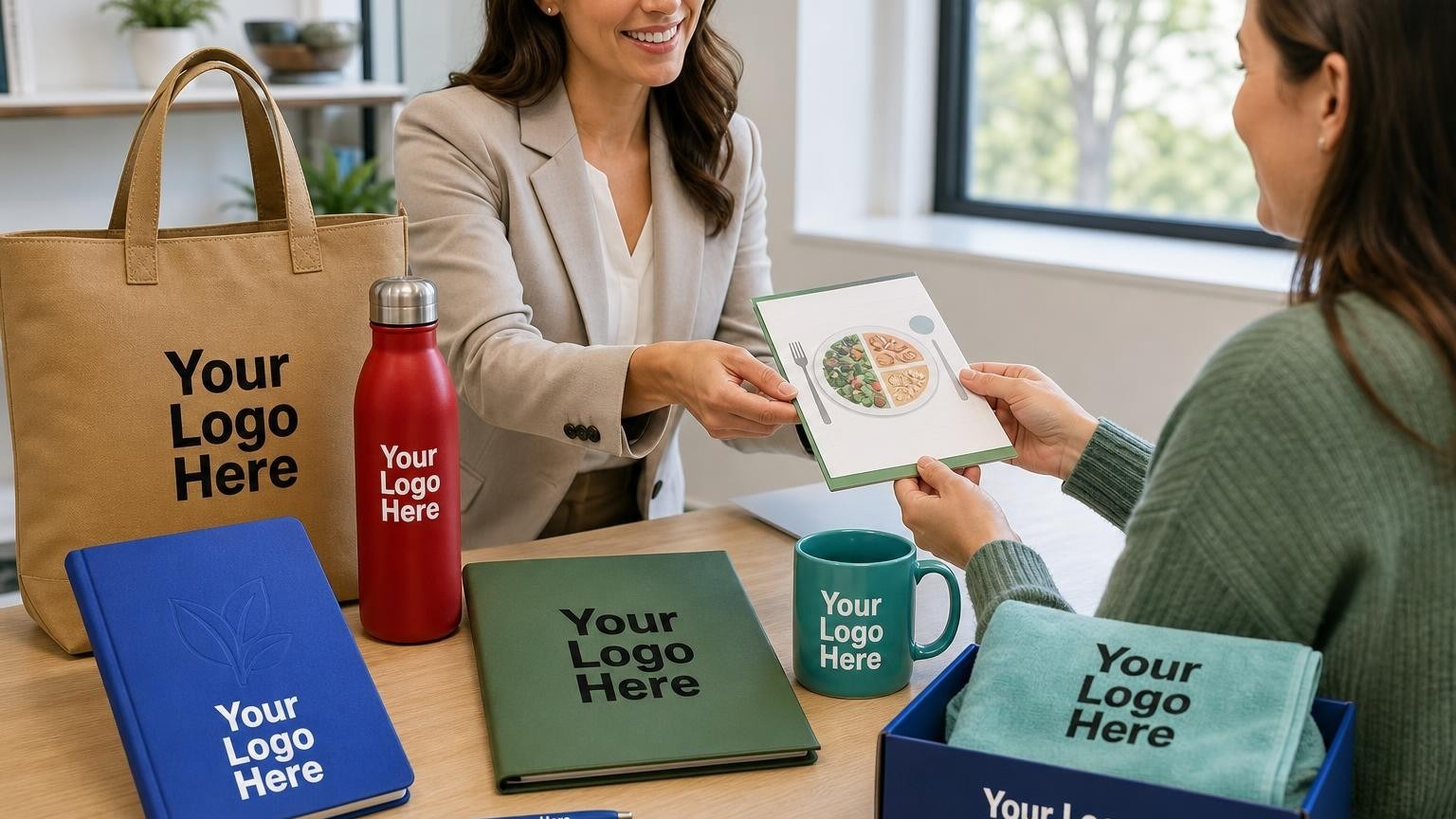
The registered dietitian slides a structured, high-quality meal-planning journal and a customized portion-control container across the desk to a newly referred diabetic patient. The patient, referred by a local endocrinologist, arrived tense and visibly anxious about the sweeping lifestyle changes ahead. Looking at a blank digital tracking app on a phone screen often induces a sense of paralysis. But holding a physical, well-designed journal changes the immediate response. It shifts the tone from clinical dread to structured, supported action. This physical handoff is not a marketing gimmick; it is a clinical tool that bridges the gap between the consultation room and the patient's kitchen counter. In private practice, the first forty-eight hours after an initial assessment determine whether a patient stays enrolled or drops out. By providing immediate, tangible tools, a practice establishes its clinical authority and demonstrates a commitment to the patient's daily routine.
How Nutrition Counseling Practices Grow Through Physical Tools
Clinical nutrition counseling practices use high-utility tools from Myron to strengthen patient compliance and build a reliable medical referral network with local physicians. Instead of generic giveaways, successful practices distribute structured patient onboarding kits—including branded kitchen and meal prep tools, personalized insulated cooler bags, and custom insulated drinkware—that serve as daily behavioral aids. These physical items keep patients engaged through critical clinical milestones, reducing early program drop-off. Simultaneously, supplying local medical clinics with professional office tools keeps the practice top-of-mind for referring doctors, securing a steady stream of qualified patient referrals.
- Meal prep and kitchen tools
- Insulated lunch coolers
- Premium tracking drinkware
Avoid: Avoid cheap, non-functional plastic items that undermine the clinical authority of the practice.
The Referral Engine: Equipping Physician Partners to Send You Patients
A medical referral network is the lifeblood of an evidence-based nutrition practice. Busy primary care doctors, pediatricians, and endocrinologists want to refer patients to specialists who mirror their own professional standards. When a registered dietitian drops off a referral packet at a local clinic, the presentation matters. A flimsy folder with cheap plastic pens that skip or leak will likely end up in the recycling bin.
Instead, smart practice managers supply local clinics with high-utility office tools. Think of a sturdy clipboard used at the patient intake desk, or premium metal pens that clinic staff use daily. When a pediatrician discusses pediatric growth charts with a parent, having a branded healthy snack guide or a custom magnet on the clinic refrigerator keeps your practice visible. This is a deliberate workflow strategy: you are placing your brand directly in the physical workspace where referral decisions are made. When the physician needs to refer a patient for gestational diabetes management, pediatric nutrition, or bariatric pre-op counseling, your contact details are already in their hand.
The Clinical Welcome Kit
Handed to new patients during their initial assessment to drive program buy-in and establish structured daily habits.
The Onboarding Kit: Securing Patient Commitment from Session One
Patient retention is a significant operational challenge for private practice dietitians. High drop-off rates often occur immediately after the initial assessment, when patients feel overwhelmed by new dietary restrictions. A physical patient onboarding kit handed over at the end of the first session establishes immediate accountability.
Consider the experience of a patient managing type 2 diabetes. They leave your office with a prescription for complex carbohydrate limits. If they only receive a digital PDF, the advice feels abstract. However, handing them a physical kit containing a portion-control plate and a structured food log provides a concrete starting point. For a busy corporate professional, receiving personalized insulated cooler bags during onboarding solves a practical operational reality: how to keep prepared meals cold during a long workday. These items are not mere promotional products; they are compliance aids. When the patient uses their branded shaker cup at the office gym, it prompts conversations with coworkers, sparking organic self-referrals without any pushy sales pitches.
Selecting the Right Tools for Behavioral Support
To support patients effectively, practices must choose items that align with daily food and hydration habits. Rather than generic wellness items, focus on tools that solve specific behavioral obstacles.
To help patients transition from theory to practice, supply them with educational resources and guides from Nutrition Education. Items like portion guides, healthy eating planners, and meal-planning journals directly assist with portion control and meal planning. For clients who struggle to maintain daily hydration goals, providing high-quality Sports Water Bottles with volume markers helps them track their fluid intake accurately. Additionally, for practices focusing on lifestyle modification and physical activity, distributing Customized Pedometers offers a simple, screen-free way for patients to monitor their daily steps and stay committed to their movement goals.
The Hydration & Habit Tracker
Given to clients celebrating their first 30 days of consistent lifestyle changes to encourage ongoing compliance.
Matching Clinical Scenarios with Practical Patient Tools
To help your practice select the most effective tools, this comparison table matches common clinical scenarios with patient obstacles and specific physical solutions:
| Clinical Scenario | Patient Behavioral Obstacle | Recommended Physical Tool |
|---|---|---|
| Gestational Diabetes Management | Tracking daily carbohydrate intake and blood sugar | Custom meal planners and food logs from Nutrition Education |
| Bariatric Pre-Op Preparation | Portion control and strict hydration schedules | Sports Water Bottles with volume markers |
| Pediatric Nutrition Counseling | Encouraging physical activity and healthy snacking | Customized Pedometers and colorful fridge magnets |
| Corporate Wellness Programs | Maintaining healthy habits during long office hours | Magnetic meal prep calendars and insulated lunch bags |
Structuring Your Practice Investment: Good, Better, and Best Options
Investing in physical tools should align with your practice's workflow and budget. Here is how to structure your selection based on patient needs and clinical touchpoints:
- Good (Entry-Level Patient Aids): Practical, lightweight items designed for wide distribution or easy mailing to telehealth clients. This tier includes custom magnets featuring quick portion guides, printed food logs, and flat portion wheels.
- Better (Mid-Range Behavioral Tools): Sturdier items that support active lifestyle changes and daily tracking. This tier features Sports Water Bottles for hydration tracking, customized pedometers for physical activity monitoring, and magnetic meal-planning calendars.
- Best (Premium Practice & Referral Gifts): High-quality items reserved for physician appreciation packages or major patient milestones. This tier includes premium metal pens, structured clipboards for clinic partners, and complete clinical welcome kits featuring insulated meal prep bags.
Operational Wisdom: Practical Insights from the Myron Team
Based on Myron's experience helping organizations plan custom event merchandiseBased on experience helping healthcare organizations plan custom patient and partner merchandise, Myron's team has gathered practical operational insights for nutrition practices:
- Prioritize Flat Items for Telehealth: If your practice serves remote clients, choose flat, lightweight items like custom food journals, portion wheels, and magnetic calendars to keep shipping costs low.
- Keep Clinic Branding Professional: When gifting items to referring medical clinics, ensure the branding is clean and subtle. Physicians are more likely to keep a professional metal pen or a sturdy clipboard on their desks if it looks like a clinical tool rather than a loud advertisement.
- Use Volume Markers for Hydration: When selecting water bottles, choose options with clear volume or hourly markers to help patients track their fluid intake accurately.
- Avoid Fragile Materials: Patients carry these tools to work, gym, and grocery stores. Avoid glass or fragile plastics that can easily crack in a gym bag or car cup holder.
- Align Orders with Seasonal Health Campaigns: Plan your inventory reorders around major wellness events like National Nutrition Month in March or the New Year wellness rush, ordering at least four weeks in advance to ensure kits are assembled and ready.
Common Mistakes to Avoid
- Gifting generic, non-functional wellness items like cheap plastic sunglasses.Practices prioritize low unit costs over clinical relevance and professional utility, which undermines their clinical authority.Better approach: Invest in high-quality, relevant tools like branded food journals, portion plates, or magnets with portion guides.
- Ignoring the physical storage constraints of remote telehealth clients.Practices purchase bulky items without considering the shipping costs to remote patients, leading to budget strain.Better approach: Select lightweight, flat items like custom portion wheels, magnetic calendars, and printed food logs for easy mailing.
- Failing to provide physician partners with clinical-grade tools, opting for cheap pens instead.Underestimating the professionalism required to stand out on a medical doctor's desk leads to discarded items.Better approach: Provide premium, metal Myron pens and heavy-duty clipboards that doctors actually use daily.
Frequently Asked Questions About Nutrition Practice Tools
What promotional items are most effective for building relationships with referring medical clinics?
High-utility office items like branded clipboards, premium pens, and anatomical portion guides keep your practice top-of-mind for busy physicians.
How do we distribute welcome kits to remote or telehealth nutrition clients?
We recommend drop-shipping flat, lightweight items like custom food journals, resistance bands, and portion wheels directly to their homes prior to the first virtual session.
Are there compliance or healthcare regulations we should consider when gifting items to patients?
Keep item values modest and focus strictly on clinical utility—such as meal prep tools or hydration trackers—to ensure compliance with local healthcare marketing guidelines.
Bridging the Gap Between Clinical Advice and Daily Habits
Ultimately, the success of a nutrition counseling practice depends on helping patients turn clinical advice into sustainable daily habits. Physical tools serve as the continuous link between your office and the patient's home environment. By providing structured, high-quality resources, you not only improve patient compliance but also demonstrate your clinical professionalism to the medical referral network that feeds your practice. As you prepare for the upcoming New Year wellness rush or plan your next physician outreach campaign, consider how physical touchpoints can strengthen your patient outcomes. Explore Myron's selected clinical wellness and practice tools to improve your patient experience.