


Occupational Therapy Clinic Marketing & Patient Gift Guide
A clinical operations blueprint that balances therapeutic value with strategic practice growth.
12 min read
Occupational therapy clinics use customized functional tools from Myron to reinforce home therapy compliance, celebrate patient milestones, and secure consistent referrals from schools and pediatricians. Strong choices include health theme stress balls, ice packs & heat pads, economy plastic pens, and document holders. Order ahead of peak back-to-school seasons (July/August) and quarterly pediatric referral reviews. Avoid cheap, non-functional plastic novelties that do not support therapeutic goals or clinical professionalism.
The Power of a Tangible Milestone
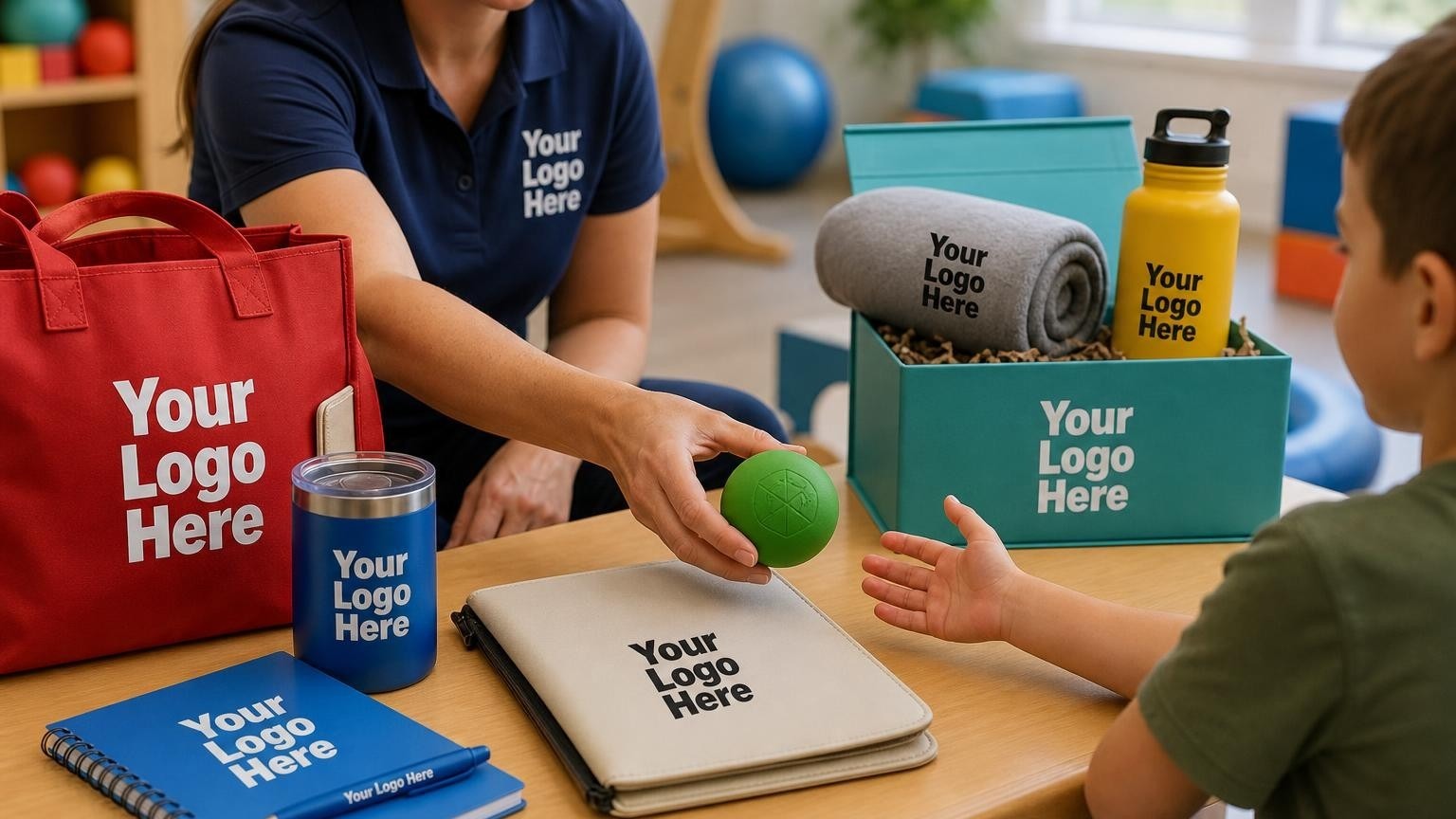
Seven-year-old Leo sits concentrated at the low wooden table, his brow furrowed as his small fingers work a wooden button through a stiff felt slit. After three weeks of working on fine motor coordination, his thumb and index finger pinch with newfound precision. The button slips through. He looks up, beaming at his occupational therapist. To celebrate this milestone in daily living skills, the therapist hands Leo a small, bright green squeeze ball featuring the clinic's logo. This is not a generic giveaway; it is a clinical tool. Leo will squeeze it at home to build his intrinsic hand muscles, keeping his therapy active between visits. For occupational therapy clinics, these functional items are clinical extensions. They bridge the gap between structured clinical sessions and independent daily living, turning physical milestones into opportunities for continued progress. By providing tangible, branded items that support therapy goals, clinics ensure that patients carry their exercises home while keeping the practice's clinical care visible in the household.
Functional Branded Tools for Occupational Therapy Clinics
Occupational therapy clinics use customized functional tools from Myron to reinforce home therapy compliance, celebrate patient milestones, and secure consistent referrals from schools and pediatricians. Unlike physical therapy, which focuses on gross motor strength, occupational therapy targets functional daily living skills, fine motor coordination, and sensory integration. By distributing clinically relevant items—such as custom-printed stress balls for sensory regulation, ice packs for joint therapy, and branded document holders for home exercise programs—clinics improve patient outcomes while naturally keeping their practice top-of-mind. These tools serve as physical proof of a patient's restored independence, helping clinical directors build strong professional relationships with local referral networks and maintain a steady patient caseload throughout the year.
- Health Theme Stress Balls
- Ice Packs & Heat Pads
- Economy Plastic Pens
- Document Holders
Avoid: Cheap, non-functional plastic novelties that do not support therapeutic goals or clinical professionalism.
The Discharge Handoff: Reinforcing Therapy at Home
Home compliance remains one of the largest hurdles in achieving successful occupational therapy outcomes. When a patient transitions from clinical intervention to independent daily living, the handoff must be structured and supportive. A common operational reality is that patients often lose momentum once they leave the clinic, forgetting their home exercise programs (HEPs) or losing the physical sheets.
Whether operating a pediatric sensory integration clinic, an adult outpatient orthopedic rehabilitation center, or a specialized geriatric home-health practice, the operational realities remain similar. To solve this, clinical directors can package home programs inside branded document holders. For example, a pediatric patient graduating from a fine motor program receives a custom-printed document holder containing their daily routine charts, magnetic markers, and adaptive zipper pulls. For geriatric patients transitioning home after stroke rehabilitation, the same document holder might contain large-print exercise sheets and a custom jar opener.
By providing these physical, branded tools, clinics remove the friction of patients sourcing their own therapy aids. A durable document holder keeps all clinical instructions organized in one place, preventing papers from being scattered or misplaced. Every time a patient or caregiver opens the folder to complete their daily exercises, they are met with a professional reminder of the clinic's dedicated care. This structured approach to the discharge handoff not only improves compliance rates but also transforms a standard clinical document into a professional representation of the clinic's expertise. When you are ready to upgrade your patient kits, using professional organization tools ensures your home programs are packaged professionally.
Pediatric Sensory & Fine Motor Tools
In-clinic therapy rewards and home sensory integration kits designed to keep pediatric patients engaged during and after sessions.
Celebrating Milestones: Tangible Markers of Restored Function
Milestones in occupational therapy are hard-won victories that deserve physical recognition. Whether a child learns to tie their shoes, an adult regains the ability to write after an injury, or a senior masters the use of adaptive eating utensils, these breakthroughs represent restored independence. Celebrating these moments with a tangible marker acts as a psychological anchor for the patient's success.
Consider a high-volume pediatric clinic where a child finally masters their fine motor skills. Upon graduation, the therapist presents them with a custom-printed stress ball or a specialized writing grip. This recipient moment is highly emotional; the child feels a sense of pride, and the parent sees physical proof of their child's progress. When the child takes this item to school or uses it in front of peers, it becomes an organic conversation starter about the clinic's work.
For adult and geriatric patients, reaching joint mobility goals can be celebrated with custom-branded ice packs or heat pads. These items are highly practical, offering therapeutic relief during post-exercise recovery at home. By selecting items that serve a dual therapeutic and celebratory purpose, clinics avoid the trap of distributing cheap, non-functional novelties that cheapen their clinical authority. Instead, they provide high-utility aids that reinforce the clinic's role in the patient's recovery.
Cultivating the Referral Network: School and Pediatric Partner Kits
A steady caseload relies heavily on consistent referrals from local pediatricians, school districts, and medical offices. However, busy school administrators and doctors are constantly inundated with generic marketing materials. To stand out, occupational therapy clinics must provide professional outreach kits that offer genuine clinical utility to these referral sources.
During quarterly coordination meetings, a clinic owner might present a local school special education coordinator with a professional kit. This kit contains economy plastic pens and custom clipboards featuring pediatric developmental milestone charts on the back. School psychologists and teachers use these clipboards daily during student evaluations, keeping the clinic's contact information immediately accessible when a child needs an OT referral.
Similarly, gifting high-quality ergonomic pens to pediatricians who sign off on therapy plans ensures that the clinic's name remains on the doctor's desk. This B2B outreach strategy is built on mutual professional support. Rather than asking for referrals empty-handed, the clinic provides tools that simplify the referral source's daily workflow. This collaborative approach builds long-term trust, ensuring the clinic remains the preferred referral choice when a pediatrician identifies a child struggling with sensory integration or fine motor delays.
Home Exercise Program (HEP) Carryalls
Durable document holders designed to package and distribute home therapy exercises and adaptive tools professionally.
Selecting the Right Therapeutic Tools
Selecting the right promotional items for an occupational therapy practice requires a strict focus on therapeutic utility. Every item distributed should align with specific clinical goals, whether supporting fine motor control, sensory regulation, or daily living adaptations.
For sensory integration and hand strengthening, custom-printed stress balls are an excellent choice. These items allow patients to practice grip-strengthening exercises at home while managing sensory needs. For daily living adaptations, custom ice packs and heat pads provide practical relief for joint stiffness and muscle recovery, making them highly valued by adult patients.
To keep home programs organized, custom document holders are a reliable option. They ensure that home exercise sheets, progress trackers, and adaptive tools remain in one durable place, reducing the risk of patient drop-off due to lost materials. By choosing items that serve these specific clinical functions, clinic owners can ensure their promotional budget directly supports patient outcomes.
Matching Clinical Goals with Functional Tools
To help clinic directors select the most appropriate tools for their specific patient demographics and clinical goals, the following table compares common options:
| Recipient Group | Clinical Goal | Recommended Tool | Primary Benefit |
|---|---|---|---|
| Pediatric Patients | Sensory Regulation & Grip | Health Theme Stress Balls | Quiet sensory tool for classroom use |
| Adult Rehab Patients | Joint Recovery & Pain Relief | Ice Packs & Heat Pads | Practical therapeutic aid for home recovery |
| School Referral Partners | Developmental Tracking | Document Holders with Charts | Keeps referral info visible during evaluations |
| Discharged Patients | Home Program Compliance | Custom Document Holders | Organizes exercise sheets and adaptive tools |
Budget Tiers for Clinical Tools
Clinics must balance their marketing budgets while maintaining clinical professionalism. Organizing promotional purchases into clear tiers helps manage costs without sacrificing quality:
- Good: Entry-level items that work well for high-volume distribution, such as economy plastic pens for waiting rooms, custom magnets for refrigerator-based routine charts, and basic health-themed stress shapes for pediatric session rewards.
- Better: Mid-range items that offer direct therapeutic utility, including custom-printed ice packs for adult physical rehab, durable document holders for home exercise programs, and specialized sensory squeeze tools for classroom integration.
- Best: High-end clinical gifts designed for key referral sources and program graduates, such as high-quality ergonomic pens for local pediatricians, custom-printed clinical clipboards for school psychologists, and complete home therapy kits packaged in professional carryalls.
Operational Insights from the Myron Team
Based on Myron's experience helping organizations plan custom event merchandiseBased on experience helping healthcare organizations plan custom promotional campaigns, Myron's team has gathered practical operational insights for occupational therapy clinics:
- Choose quiet sensory items: Pediatric therapists prefer smooth, quiet silicone or foam stress shapes over loud or flashing toys, as quiet tools can be used discreetly in school classrooms without causing distractions.
- Prioritize high-contrast designs: When ordering tools for geriatric patients, select high-contrast print colors on items like jar openers or calendars to accommodate patients with visual impairments.
- Ensure lightweight durability: Mobile therapists who travel between schools and homes require lightweight, non-breakable items that can withstand being packed tightly into transport bags.
- Keep branding professional and subtle: Referral sources like pediatricians are more likely to keep and use items like clipboards or pens if the clinic's logo is clean, professional, and not overly flashy.
- Pre-assemble home kits: To save clinical staff time during busy patient transitions, pre-assemble home exercise kits in custom document holders ahead of peak back-to-school and post-holiday reorder windows.
Professional Referral & Outreach Gifts
High-quality economy plastic pens designed to build strong relationships with local pediatricians, school districts, and medical offices.
Common Mistakes to Avoid
- Distributing non-functional promotional items.Clinics often buy generic promotional packages to save time without considering clinical relevance, which cheapens their professional authority.Better approach: Select items that double as therapeutic tools, such as sensory putty, custom ice packs, or ergonomic grips.
- Ignoring sensory sensitivities in pediatric patients.Flashing lights or loud noises can trigger sensory overload in pediatric patients with sensory processing disorders.Better approach: Choose high-quality, soft, quiet sensory items with neutral or calming textures.
- Failing to brand the home exercise program (HEP) carryalls.Sending home clinical instructions in plain ziplock bags misses a major opportunity to maintain professional visibility in the household.Better approach: Use durable, custom-branded document holders or drawstring bags that act as professional representations of the clinic's care.
Frequently Asked Questions
What are the most effective promotional items for pediatric occupational therapy clinics?
The most effective items are sensory and fine-motor tools, such as custom-printed stress balls and ergonomic writing grips. These items help pediatric patients practice grip-strengthening and sensory regulation exercises at home. By choosing quiet, durable tools, clinics ensure they can be used in classrooms without causing distractions.
How can our OT clinic use branded items to increase referrals from local doctors?
Provide high-utility clinical tools like custom clipboards, premium ergonomic pens, and developmental milestone charts that keep your contact info visible. Gifting these professional items to pediatricians and school psychologists during quarterly meetings keeps your clinic top-of-mind. This collaborative approach builds long-term trust and ensures your clinic is the preferred referral choice.
How do we distribute home exercise program (HEP) kits professionally?
Package home therapy tools and exercise sheets in durable, branded document holders that patients can easily transport. This keeps all clinical instructions organized in one place, preventing papers from being lost and improving home compliance.
An Extension of Clinical Care
Every branded tool left in a patient's home or a pediatrician's office is a direct extension of your clinic's professional care. By shifting the focus from generic giveaways to functional, clinically relevant aids, occupational therapy practices can improve patient compliance while naturally building the referral networks that fill their schedules. Whether you are preparing for the busy back-to-school pediatric rush or planning your next quarterly physician outreach campaign, selecting high-quality, purposeful items ensures your practice maintains its clinical authority. Explore Myron's collection of wellness, healthcare, and educational promotional tools to build your custom patient kits today.