


Pain Management Clinic Marketing: Patient Comfort & Referral Kits
A strategic guide for practice directors on balancing patient-facing comfort with professional B2B physician referral marketing.
11 min read
Pain management clinics build trust and secure physician referrals by using high-utility, ergonomic patient comfort items and professional clinical tools sourced from Myron. Strong choices include therapeutic hot/cold compresses, polished metal writing instruments, and ergonomic health-themed stress relievers. Order quarterly to align with physician outreach campaigns and to maintain steady inventory at patient intake desks. Avoid cheap plastic novelties, sharp or heavy items that are difficult for pain patients to handle, and overly aggressive sales copy on clinical items.
A Patient-First Approach to Clinical Touchpoints
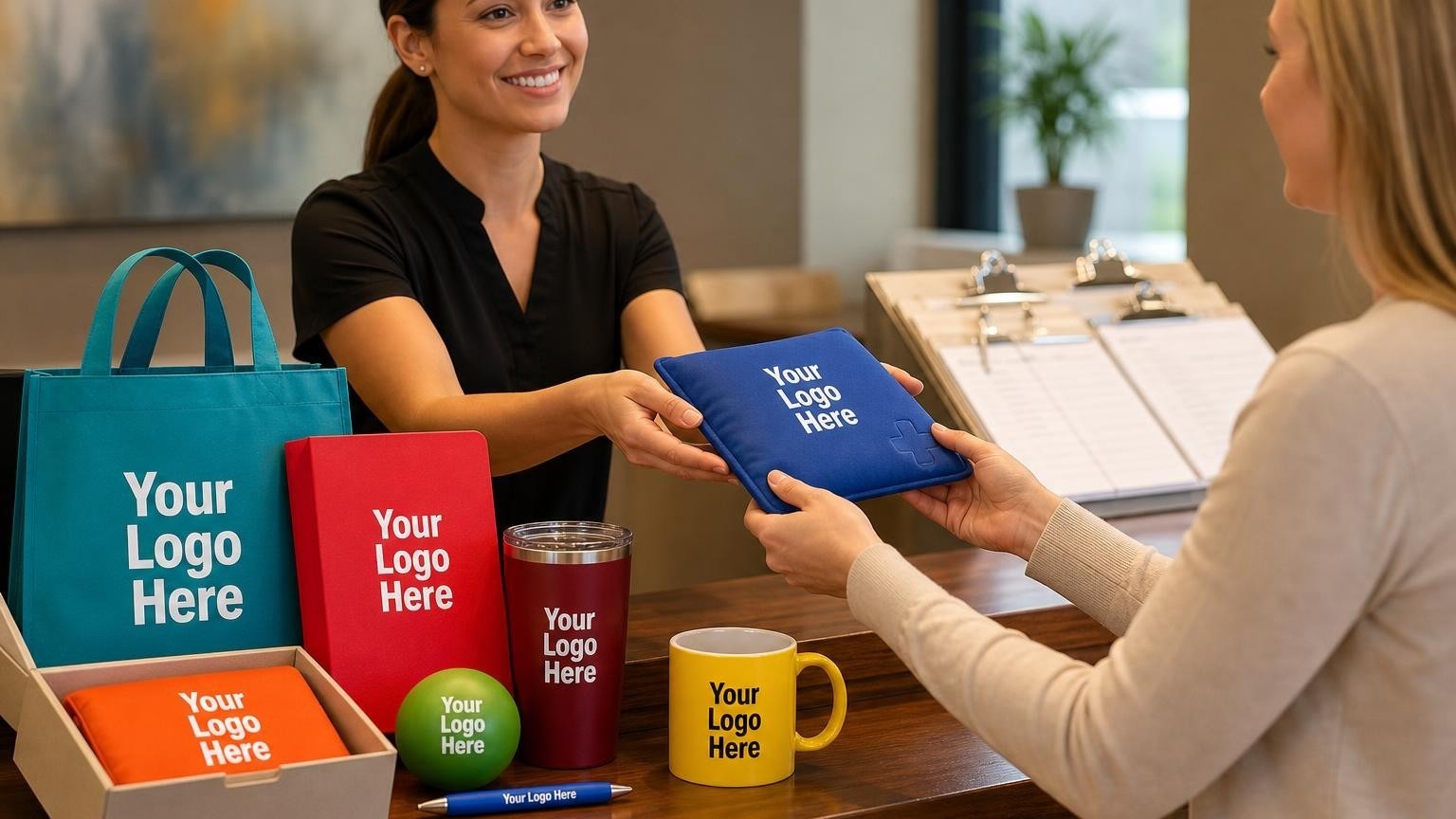
A patient steps out of the quiet consultation room at an interventional pain clinic, pausing at the checkout desk to schedule their next block procedure. After years of navigating fragmented healthcare networks and experiencing dismissed symptoms, they have finally found a clinical team that listens. As the receptionist hands over the follow-up paperwork, they also present a durable, fabric-backed therapeutic gel pack, chilled and ready for immediate use. The patient runs their hand over the soft-touch surface, noticing the clinic's direct contact line and emergency instructions clearly printed on the front. This simple, functional item does not just provide physical relief during the drive home; it serves as a tangible extension of the clinical care they received inside. In a specialty where patients arrive physically exhausted and emotionally protective, these thoughtful physical details establish an immediate bridge of trust between the clinical staff and the individual.
The Strategy in Brief
To build a compassionate brand and secure steady patient volume, pain management clinics must balance patient-facing comfort with professional B2B physician referral marketing. By distributing high-utility, physically accessible items—such as easy-grip writing tools and therapeutic hot/cold compresses sourced from Myron—practices can ease patient anxiety and support home-care routines. Simultaneously, structured referral kits containing premium clinical tools keep the specialist practice top-of-mind for local primary care providers. This dual-track approach ensures that every physical touchpoint reinforces clinical authority, respects healthcare compliance standards, and directly supports functional recovery milestones.
- Therapeutic hot/cold compresses
- Polished metal writing instruments
- Ergonomic health-themed stress relievers
Avoid: Cheap plastic novelties, sharp or heavy items that are difficult for pain patients to handle, and overly aggressive sales copy on clinical items.
The Trust Deficit: Why Patient Comfort Items Matter in Interventional Pain Care
Chronic pain patients often navigate a complex, frustrating path before reaching a specialized multidisciplinary pain center, a hospital-affiliated clinic, or an independent interventional practice. By the time they arrive for an initial evaluation, they are frequently exhausted by previous treatment failures. In this sensitive clinical environment, establishing authority and empathy is a primary operational goal.
When clinical staff introduce physical comfort items during the discharge workflow, they address both physical and emotional needs. For example, handing a patient with severe hand joint stiffness a soft, easy-grip writing tool to fill out intake paperwork immediately demonstrates clinical awareness of their physical limitations. Physical accessibility is not a minor detail; it is the core of patient-centered care. If a clinic distributes thin, hard-to-hold plastic items, it can cause actual physical discomfort to a patient with arthritis or neuropathy, undermining the clinic's message of relief.
Instead, providing a soft-touch, lightweight item like a therapeutic gel pack at checkout allows the clinic to extend its care into the patient's home. These items must be stored efficiently in reception cabinets, requiring compact, durable packaging. By choosing shatterproof, high-utility items, the practice ensures that the patient has a reliable tool for home recovery. This thoughtful approach transforms a standard clinical discharge into a moment of genuine support, helping to build a compassionate brand that patients trust and recommend to others in their support networks.
Patient Comfort & Home Recovery
Distributed at discharge or post-procedure to support home-care comfort and keep clinic contact details handy.
The Referral Engine: Building High-Trust Kits for Referring Physicians
While patient-facing items focus on comfort and physical accessibility, B2B physician referral tools serve a completely different operational purpose. Pain management practices rely heavily on a steady pipeline of referrals from family medicine practices, orthopedic clinics, and neurology groups. When a practice director notices a quarterly dip in referral volumes, it serves as a clear decision trigger to initiate a professional outreach campaign.
To influence busy primary care physicians, outreach materials must look professional and provide immediate utility. Loose sheets of paper and cheap plastic giveaways are quickly discarded in a busy medical office. Instead, successful practices use structured referral kits. A clinical liaison delivers these kits directly to the family medicine reception desk during scheduled outreach visits.
Inside a structured, branded folder, the referring physician finds organized referral forms, clear diagnostic criteria, and a heavy-weight metal pen. When a doctor reaches for a reliable, heavy-weight writing instrument to sign a chart, they are reminded of the specialist clinic's professional standards. This physical presence on their desk ensures the pain clinic remains top-of-mind when the next complex patient requires specialized interventional care. By maintaining this clear distinction between patient comfort tools and professional B2B referral kits, practice directors can systematically strengthen their local professional network.
Physician Referral & Outreach
Included in professional marketing kits delivered to local family medicine and primary care clinics.
Selecting the Right Physical Tools for Clinical Workflows
To ensure that promotional items support clinical workflows rather than cluttering storage closets, practice managers must select items based on specific operational needs.
For patient discharge and post-procedure care, therapeutic tools are a practical option here. Providing patients with custom ice packs and heat pads ensures they have a reliable method to manage minor post-injection soreness at home. These therapeutic wellness products keep the clinic's contact details visible on the freezer shelf, right when the patient needs support.
For the intake desk, where patients must complete detailed medical histories, writing comfort is paramount. Standard thin pens can cause hand fatigue. Using wider, rubberized custom economy pens at the reception counter provides a comfortable writing experience for patients with limited manual dexterity.
In the waiting room, managing pre-procedure anxiety is an ongoing challenge. Keeping a basket of health theme stress balls nearby gives anxious patients a quiet, physical outlet to channel nervous energy before their appointment. Additionally, distributing compact first aid kits and dispensers during community health fairs or senior center presentations helps position the clinic as a helpful resource for local families.
Operational Comparison of Clinical Touchpoints
The following table compares the primary physical touchpoints used by pain management clinics to balance patient care with professional outreach:
| Clinical Use Case | Primary Recipient | Recommended Product Type | Operational Benefit |
|---|---|---|---|
| Post-Procedure Recovery | Interventional Block Patients | Fabric-backed gel hot/cold compresses | Supports home-care instructions and reduces post-injection swelling |
| Intake Desk Documentation | New Patients with Joint Pain | Wide-barrel rubberized grip pens | Eases hand strain during lengthy medical history completion |
| Physician Outreach Visits | Local Family Medicine Doctors | Structured referral folders with metal pens | Keeps referral forms organized and clinic contact info on desk |
| Rehabilitation Graduation | Physical Therapy Graduates | Lightweight, easy-squeeze hydration bottles | Encourages continued hydration and active recovery habits |
Investment Tiers for Clinic Outreach and Patient Care
To help practice managers allocate their budgets effectively, promotional strategies can be organized into distinct investment tiers based on clinical goals and recipient needs:
- Tier 1: Daily Patient Care & Community Outreach (Good)
This tier focuses on high-volume, cost-effective items that support daily clinic operations and community education. Wide-barrel rubberized grip pens* for comfortable intake form completion. Pocket-sized first aid bandage dispensers* for community health fairs. Branded magnetic appointment cards* to keep follow-up dates visible on home refrigerators.
- Tier 2: Post-Procedure Support & Staff Unity (Better)
This tier includes functional therapeutic items and internal team tools that reinforce clinical standards. Fabric-backed therapeutic gel hot/cold packs* for post-injection recovery. Ergonomic health-themed stress relievers* for waiting room anxiety management. Durable, lightweight travel mugs* for clinical staff to build internal pride.
- Tier 3: Executive Physician Referral & Milestone Celebrations (Best)
This tier is reserved for key referral sources and patients celebrating major functional recovery milestones. Laser-engraved metal writing instruments* presented in structured referral kits. Sleek, organized clinical padfolios* for referring physicians during medical conferences. Lightweight, easy-squeeze water bottles with built-in straws* for physical therapy graduates.
First-Party Insights: Operational Wisdom from the Clinical Supply Chain
Based on Myron's experience helping organizations plan custom event merchandiseBased on experience helping organizations plan custom event merchandise, Myron's team has gathered practical operational insights specific to the healthcare and clinical environment:
- Prioritize matte and soft-touch finishes: Patients experiencing sensory sensitivities or chronic neuropathy often prefer soft, non-glare textures over cold, glossy metals or hard plastics.
- Avoid heavy or complex mechanisms: When selecting drinkware or wellness items for patients, ensure lids are easy to open and items are lightweight, as heavy stainless steel can be difficult for patients with limited grip strength.
- Keep clinical branding clean and uncluttered: Referring physicians prefer desk items with subtle, professional branding rather than loud, oversized logos, which can make a professional tool look like cheap advertising.
- Opt for flat, stackable items for storage: Clinical supply closets are notoriously crowded; choosing flat items like gel packs and flat-folding first aid kits makes inventory management much simpler for clinic staff.
- Ensure all printed instructions are highly legible: For home-care items like hot/cold packs, use high-contrast, large-font text for safety instructions to assist patients with visual impairments.
Common Mistakes to Avoid
- Distributing low-quality, generic plastic pens at the intake desk.A patient with severe joint pain struggles to write with a thin, cheap plastic pen, whereas a soft-touch Myron metal pen provides a comfortable, pain-free signing experience.Better approach: Invest in smooth-writing, rubberized, or metal pens that feel professional and are easy for arthritic hands to grip.
- Gifting complex or physically demanding items to patients with limited mobility.Giving a heavy, hard-to-open metal flask instead of a lightweight, easy-squeeze water bottle with a built-in straw can frustrate patients.Better approach: Choose lightweight, ergonomic, and highly accessible wellness items that support gentle recovery.
- Sending unorganized, generic promotional piles to referring physicians.A primary care doctor discards loose promo items, but keeps a structured referral kit that sits neatly on their desk organizer.Better approach: Package clinical tools and referral forms in a neat, branded presentation folder or small tote.
Frequently Asked Questions
What are the most compliant ways to distribute promotional items in a medical setting?
Focus on high-utility patient comfort items and professional physician tools that support clinical workflows, ensuring all items are of modest value and directly benefit patient care or clinical communication.
How do we ensure our branded items are physically accessible for chronic pain patients?
Select items with ergonomic designs, such as easy-grip pens, lightweight drinkware, and soft-touch materials that do not require high manual dexterity to use.
What is the ideal lead time for ordering referral kits ahead of a clinic launch or open house?
We recommend planning your order 4 to 6 weeks in advance to allow for design proofing, production, and assembly of the referral kits before distribution.
Building a Compassionate Brand: The Path Forward
Balancing immediate patient comfort with professional outreach is the key to building a compassionate brand that stands out for its clinical excellence. By selecting high-utility, physically accessible items for patients and structured, professional tools for referring physicians, your clinic can build deep trust across the local healthcare community. As you plan your outreach strategy ahead of the fall health campaign season, choosing the right physical assets will ensure your practice remains the preferred choice for specialized care. To find high-quality tools that support your clinical outreach, view our wellness and healthcare collection to find items that align with your clinical standards.