


How Patient Advocacy Services Use Welcome Kits to Build Trust and Referrals
In high-stress healthcare environments, physical welcome kits and professional partner gifts establish immediate credibility, reduce patient anxiety, and secure vital clinical referrals.
12 min read
Patient advocacy services use high-quality organizational and safety tools from Myron to build immediate trust with anxious families and secure referrals from clinical partners. Strong choices include custom magnetic organizers, practical first aid kits, hand sanitizers for clinical visits, and magnetic calendars for nurse stations. Order ahead of major healthcare awareness months, annual hospital partner networking events, or at the start of the fiscal budgeting cycle. Avoid cheap plastic items, loud or garish branding that compromises patient privacy, and non-functional novelty items.
The Silent Waiting Room: Where Chaos Meets Structured Support
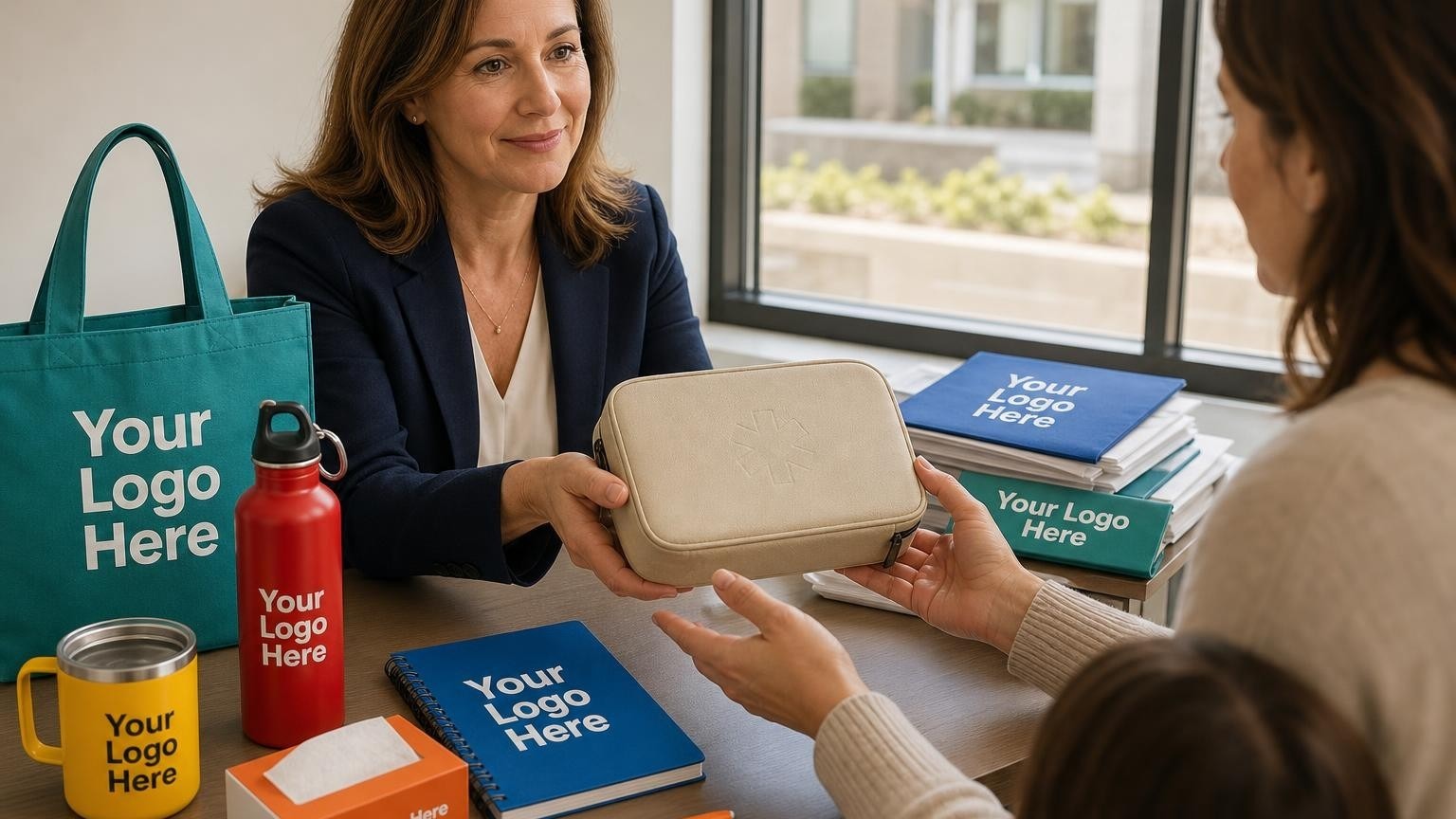
A family member sits in a sterile hospital waiting room, clutching a disorganized stack of medical records, discharge summaries, and scribbled prescriptions. The fluorescent lights hum overhead, and the sheer volume of administrative paperwork feels overwhelming. An independent patient advocate steps into this high-stress environment, sits down, and hands them a structured, high-quality organizer kit. This physical kit immediately establishes the advocate as a trusted guide. In moments of medical crisis, anxiety severely limits cognitive retention. When families are handed clear, physical tools to manage their clinical path, their mental load decreases. This initial touchpoint is not about generic giveaways; it is about establishing immediate professional credibility and calm authority. By replacing a chaotic pile of loose papers with structured physical tools, private advocates project stability, competence, and meticulous attention to detail from the very first consultation.
Quick Guide: Patient Advocacy Welcome Kits and Referral Gifts
Patient advocacy services use high-quality organizational and safety tools from Myron to build immediate trust with anxious families and secure referrals from clinical partners. The most effective patient welcome kits include custom magnetic organizers, practical first aid kits, and hand sanitizers for clinical visits. For hospital discharge planners and social workers, professional appreciation gifts like custom thank you items keep your advocacy practice top-of-mind. To protect patient privacy in public waiting rooms, choose subtle, tone-on-tone branding rather than loud, high-contrast logos.
- Custom magnetic organizers
- Practical first aid kits
- Hand sanitizers for clinical visits
- Magnetic calendars for nurse stations
Avoid: Avoid cheap plastic items, loud or garish branding that compromises patient privacy, and non-functional novelty items.
The Intake Consultation: Establishing Tactile Trust When Anxiety Runs High
During an initial home intake visit or a meeting in a hospital lobby, an advocate meets family members who are often at their lowest point of emotional exhaustion. They are trying to manage a new oncology diagnosis, coordinate pediatric specialty care, or arrange senior housing placement. In these high-stakes scenarios, handing over a flimsy folder or a cheap plastic pen undermines your professional authority. Instead, advocates need physical tools that project absolute stability.
Providing a structured kit that includes a custom promotional magnets for emergency contacts and a durable imprinted first aid kits shows that you anticipate their practical safety needs. When a patient places a high-quality custom magnet on their refrigerator, it serves as a permanent, highly visible lifeline containing your direct contact details and critical emergency phone numbers. This is a vital operational step: during a midnight medical emergency, a family should not have to search through a digital app or a pile of papers to find their advocate's number.
Furthermore, including a compact, well-stocked first aid kit in the welcome package reinforces your commitment to their physical well-being. This is not a cheap promotional item; it is a practical clinical resource. When an advocate hands these items directly to a client, the weight and quality of the materials speak volumes. It signals that your practice operates with the same meticulous attention to detail that you will bring to reviewing their medical charts, negotiating insurance appeals, and managing their clinical care team.
The Patient Intake & Safety Kit
Handed to new clients during their initial consultation to establish immediate structure, safety, and calm.
Selecting Practical Safety and Care Tools for Patient Kits
Transitioning from the initial intake to active clinical support requires tools that serve a clear, daily purpose. In medical environments, cleanliness and preparedness are paramount. This is why many patient advocacy directors include health and safety items in their client welcome kits.
A practical option here is a custom hand sanitizers. When patients and caregivers are moving between hospital wards, waiting rooms, and cafeteria lines, having a reliable, easily accessible sanitizer is a constant necessity. By providing a custom hand sanitizer with a clean, professional label, you help protect your clients from hospital-acquired infections while keeping your contact details close at hand.
Another excellent addition is a compact imprinted first aid kits. These kits are highly valued by families managing chronic illnesses or recovering from major surgeries at home. Rather than choosing cheap, disposable items, select durable cases that can be easily tucked into a purse, glove compartment, or wheelchair pouch. Every time a caregiver reaches for a bandage or a sanitizing wipe, they are reminded of your structured, protective support.
The Referral Pipeline: Building Compliant Relationships with Hospital Social Workers
Private patient advocates rely heavily on organic referrals from hospital discharge planners, clinical social workers, and nursing directors. These professionals see firsthand which families are struggling to manage their post-discharge care. However, hospital staff operate under strict professional boundaries and compliance guidelines regarding gifts. Giving overly expensive items can violate anti-kickback policies and damage your professional standing.
The key is to provide highly functional, compliant items that show genuine appreciation for their difficult work. When a discharge planner is coordinating a complex transition for a patient with multiple chronic conditions, they are under immense time pressure. A thoughtful, high-utility gift like a professional magnetic calendar or a professional custom thank you gifts item can make their daily workflow smoother.
By gifting a sleek, magnetic calendars that sticks directly to a filing cabinet or nurse station whiteboard, you provide a highly practical tool for tracking shift rotations and discharge deadlines. When these items are customized with your practice's name and phone number, they keep your services visible to the entire clinical team without violating compliance rules. This subtle, professional presence ensures that when a social worker realizes a family needs independent, long-term advocacy support, your contact information is immediately within arm's reach.
The Clinical Partner Appreciation Pack
Gifts for hospital discharge planners, social workers, and clinic coordinators to build compliant referral trust.
Choosing the Right Materials for Every Advocacy Scenario
To help you select the most effective tools for your practice, the table below outlines key product choices based on specific recipient groups and operational goals.
| Recipient Group | Primary Operational Goal | Recommended Product Type | Key Design Consideration |
|---|---|---|---|
| Newly Onboarded Patients | Reduce intake anxiety and organize contacts | Custom refrigerator magnets with emergency numbers | High-contrast, easy-to-read text with large phone numbers |
| Active Caregivers | Support hygiene and safety during hospital stays | Portable hand sanitizers and compact first aid kits | Durable, leak-proof containers that fit in travel bags |
| Hospital Discharge Planners | Maintain referral visibility at nurse stations | Magnetic calendars and professional thank you items | Subtle, compliant branding that respects hospital rules |
| Community Seminar Attendees | Raise awareness of patient rights and services | Branded magnetic calendars and health safety cards | Clear, educational contact details for quick reference |
Structured Investment Tiers for Advocacy Practices
Whether you are launching a new private practice or managing an established non-profit patient alliance, your budget must be allocated intentionally. Here is how to structure your physical materials across three investment levels:
- Good (Entry-Level / High-Volume Outreach): Focus on high-utility, low-cost items for community health fairs and patient rights seminars. Excellent choices include custom promotional magnets, travel-sized custom hand sanitizers, and basic magnetic calendars. These items help you distribute your contact information widely without compromising on utility.
- Better (Standard Client Welcome Kits): Designed for newly onboarded families during initial home consultations. This tier should include imprinted first aid kits, high-quality hand sanitizers with silicone carrier sleeves, and durable magnetic organizers. These tools provide immediate practical value during active care management.
- Best (Top-Tier Referral & Partner Gifts): Reserved for key clinical referral partners, such as hospital social work directors and discharge planning coordinators. Focus on high-quality custom thank you gifts, professional magnetic desk calendars, and deluxe multi-use safety kits. These high-quality items reflect the high standards of your clinical collaborations.
Operational Insights from the Field: What Works in Clinical Settings
Based on Myron's experience helping organizations plan custom event merchandiseBased on experience helping healthcare organizations and independent advocates plan custom materials, Myron's team has gathered practical operational insights to ensure your kits are highly effective:
- Prioritize Flat, Stackable Items: When advocates carry welcome kits in the trunks of their cars for home visits, flat items like magnetic calendars and slim first aid kits are much easier to store and transport without damage.
- Choose Matte or Soft-Touch Finishes: In sterile, brightly lit clinical environments, glossy surfaces can create distracting glare. Matte or soft-touch finishes on safety kits and organizers look more professional and are easier to handle.
- Keep Patient Privacy Paramount: Avoid bright, neon colors or large, high-contrast logos on patient-facing items. A patient carrying a kit in a public oncology waiting room appreciates subtle, tone-on-tone branding that protects their medical privacy.
- Ensure High Readability: Many patient advocacy clients are seniors or individuals dealing with visual impairments. Ensure all text, especially emergency phone numbers on custom magnets, uses large, clean, sans-serif fonts.
- Focus on Compliance-Safe Utility: When gifting to hospital staff, avoid decorative dust-collectors. High-utility items like magnetic calendars are kept because they solve a daily scheduling problem, keeping your brand visible in a compliant, professional manner.
Planning Your Advocacy Kit Orders: A Step-by-Step Timeline
To ensure your practice is always fully equipped before peak discharge seasons or major networking events, use this structured ordering timeline:
- 8 Weeks Before: Review your client intake volume and identify upcoming hospital networking events or health awareness months (such as National Patient Advocacy Week).
- 6 Weeks Before: Select your product categories. Request physical samples of first aid kits and magnets to verify their weight, texture, and overall quality.
- 4 Weeks Before: Finalize your custom artwork. Opt for clean, professional layouts with clear contact details. Submit your order to Myron to allow ample time for custom printing.
- 2 Weeks Before: Receive your shipment. Assemble your patient welcome kits and referral packages so they are ready for immediate distribution during home visits and clinical meetings.
The Mobile Advocate Kit
Equipping your field staff with professional gear for home visits and hospital consultations.
How to Choose the Right Item
- Tactile Trust FactorEvaluate whether the item feels substantial, durable, and reassuring when handed directly to a client in crisis. Choose heavyweight magnets and sturdy first aid cases over thin paper folders.
- Privacy & Discretion LevelEnsure the branding on patient-facing items is subtle and professional. Avoid bright neon screen-prints, opting instead for elegant, low-contrast designs that protect patient confidentiality.
- Clinical UtilityVerify that the item actively helps the patient manage their safety or coordinate their care. Focus on high-utility items like magnetic calendars and portable hand sanitizers.
Common Mistakes to Avoid
- Choosing cheap, flimsy plastic items and folders that tear easily.Flimsy materials undermine your professional authority and fail to reassure highly anxious families during a medical crisis.Better approach: Invest in a smaller quantity of durable, high-quality safety and organizational tools that reflect your meticulous clinical standards.
- Using overly loud, high-contrast branding on patient-facing items.Patients facing sensitive medical diagnoses value discretion and may reject items that draw unwanted public attention to their condition.Better approach: Opt for subtle, tone-on-tone debossing or neutral-colored designs that respect the patient's need for privacy in public waiting rooms.
- Distributing non-functional novelty items to clinical referral partners.Busy hospital social workers and discharge planners quickly discard decorative dust-collectors, wasting your outreach budget.Better approach: Gift highly practical, compliant scheduling and safety tools that solve a daily workflow problem for active hospital staff.
Frequently Asked Questions About Patient Advocacy Materials
What items should be included in a standard patient welcome kit?
A professional welcome kit should include a durable zippered tote, a structured notebook for medical notes, a high-quality pen, and a secure document folder.
How do we brand items without compromising patient privacy in public waiting rooms?
Opt for subtle, elegant debossing or laser engraving of your logo on neutral-toned items rather than bright, high-contrast screen printing.
What are the best appreciation gifts for hospital discharge planners?
High-utility items like insulated stainless steel drinkware and high-quality writing instruments are ideal because they are used daily in active clinical settings.
Sharpening Your Practice with High-Quality Touchpoints
In the high-stress world of healthcare coordination, physical, high-utility organizational and safety tools are essential instruments that project professional authority, reduce patient anxiety, and secure clinical referrals. By choosing durable, professional-grade materials, you demonstrate a deep respect for your clients' dignity and a commitment to clinical excellence. As you prepare for the upcoming fall medical conference season and year-end hospital networking, take the time to select high-quality tools that reflect your practice's high standards. Explore Myron's professional collection of custom promotional magnets, imprinted first aid kits, and hand sanitizers to build your own high-trust patient welcome kits and clinical partner gifts.