


Pediatric Clinic Promotional Ideas: Sibling Retention Guide
How smart pediatric practices use safety-compliant, high-utility physical touchpoints to ease waiting room anxiety, simplify check-in workflows, and build multi-sibling family loyalty.
10 min read
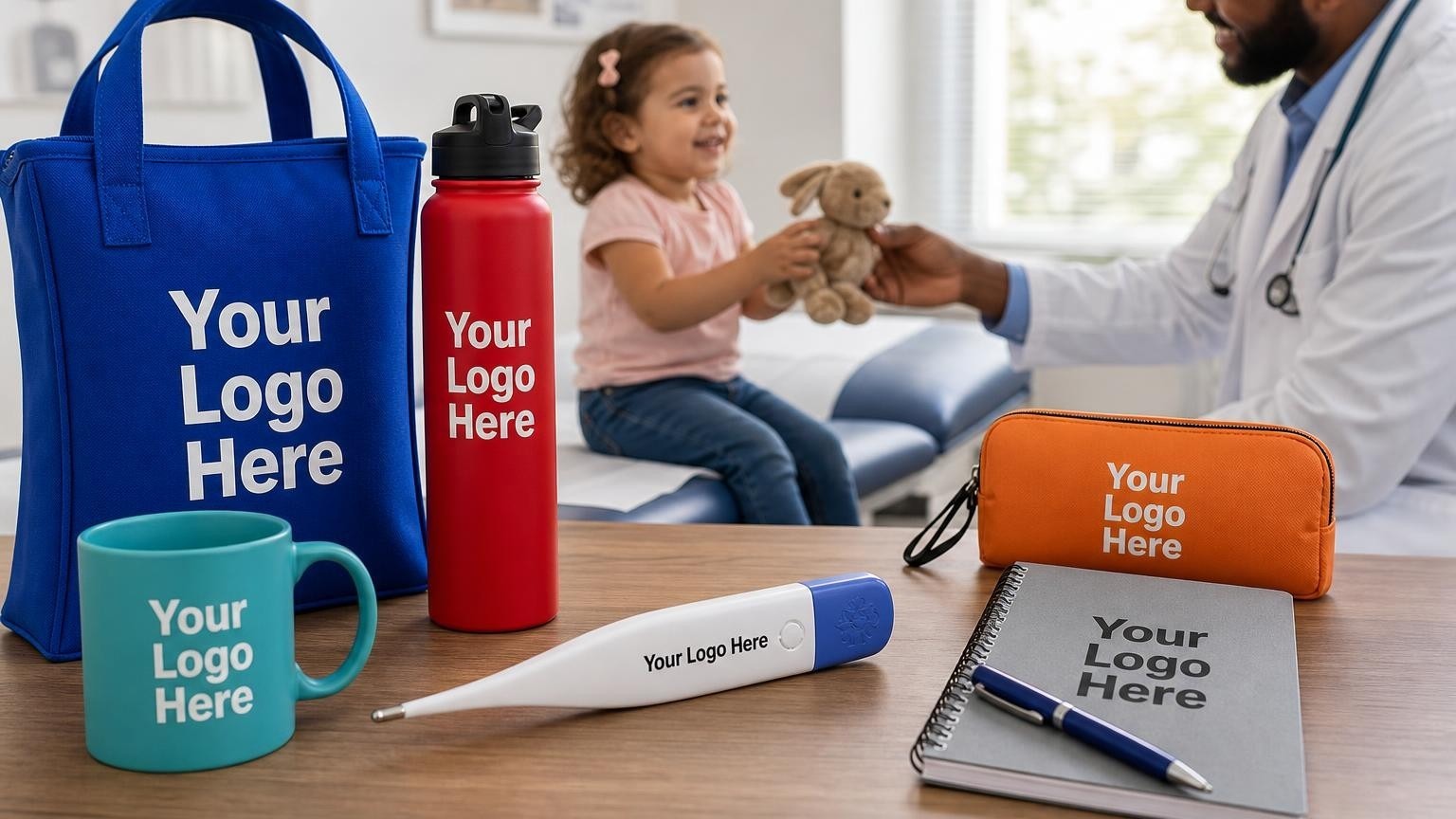
Pediatric clinics build lasting family loyalty and reduce clinical anxiety by utilizing high-utility, safety-compliant promotional items from Myron that support daily clinical workflows and extend care into the home. Strong choices include pediatric wellness tools and first-aid kits, easy-to-wipe creative items like crayons, non-porous developmental growth charts, and durable sports water bottles. Ordered quarterly to align with seasonal flu shot campaigns, back-to-school physical rushes, and community health fairs. Avoid cheap plastic toys with small parts, non-sanitizable waiting room items, and low-quality items that fail.
The Waiting Room Reality: Designing a Calm Pediatric Entryway
A restless toddler tugs at their parent's sleeve in a quiet waiting room, their nervous energy building as they watch the clinical staff move behind the reception glass. The parent attempts to soothe the child while balancing a clipboard to fill out intake forms, only for the pen to scratch uselessly against the paper. In a pediatric practice, this initial touchpoint is where the patient experience begins. It is a delicate balance of clinical sterility and sensory warmth. Practice managers must design an environment that reduces immediate anxiety for children while establishing professional trust with parents. By introducing clean, quiet, and easily sanitizable physical items at the front desk, clinics can transform this high-stress waiting period into a structured, welcoming introduction to care.
Quick Guide: Pediatric Clinic Promotional Strategies
Pediatric clinics build lasting family loyalty and reduce clinical anxiety by using high-utility, safety-compliant promotional items from Myron that support daily clinical workflows and extend care into the home.
- Best Product Categories: Pediatric wellness tools, first-aid kits, non-porous developmental growth charts, and easy-to-wipe creative items like crayons.
- Key Use Cases: Newborn welcome kits given to first-time parents during prenatal visits, bravery rewards handed out post-exam, and hygienic check-in tools.
- What to Avoid: Cheap plastic toys with small parts that pose choking hazards, non-sanitizable waiting room items, and low-quality items that fail.
- Pediatric wellness tools and first-aid kits
- Easy-to-wipe creative items like crayons
- Non-porous developmental growth charts
- Durable sports water bottles
Avoid: Avoid cheap plastic toys with small parts, non-sanitizable waiting room items, and low-quality items that fail.
De-escalating Waiting Room Anxiety: First-Touch Pediatric Essentials
First impressions shape the entire clinical visit and heavily influence parent reviews. In busy multi-provider practices, pediatric urgent care centers, and community health clinics, the check-in counter is a major operational bottleneck. When a parent is managing an anxious child, a slow intake process compounded by poor tools increases waiting room friction. Providing parents with reliable writing instruments and children with quiet, clean distractions simplifies this workflow.
Instead of generic plastic items that harbor germs, smart clinics choose non-porous, easily sanitizable items. For example, offering a child a fresh box of promotional crayons along with a single-use coloring sheet keeps small hands busy without the cross-contamination risks of shared waiting room toys. This simple handoff keeps toddlers occupied at the reception desk, allowing parents to focus on completing medical history forms accurately. It also establishes an immediate sense of care and organization, signaling to parents that the clinic respects both their time and their child's comfort.
Furthermore, the physical check-in desk requires a strict sanitization routine. Medical assistants frequently wipe down the reception counter with medical-grade disinfectant wipes between patient arrivals. By replacing standard shared pens with individually wrapped or single-use writing options, the clinic minimizes the transmission of seasonal pathogens. Parents appreciate this visible commitment to infection control, which immediately builds clinical trust before they even step into the examination room.
Hygienic Front-Desk & Intake Tools
Keep your reception area sanitary and professional by offering high-quality creative items that double as useful take-home gifts.
Milestone Celebrations and Bravery Rewards: The Hand-off Moment
The post-exam reward is a powerful psychological tool that reframes the clinical experience for children. When a pediatrician hands a child a tangible token of bravery at the end of an annual check-up, it instantly turns tears into a proud smile. This moment is not just about distraction; it is about building positive associations with healthcare that last into adulthood.
For infants and toddlers, milestone gifts build deep emotional connections with parents during key developmental checks. Distributing a custom growth chart or a safety-certified item from the New Mom & Baby collection during the two-year well-child visit helps parents track developmental milestones at home. These items remain in the household for years, serving as a daily reminder of the clinic's role in the child's growth. By focusing on high-utility wellness tools rather than cheap novelty items, clinics demonstrate their commitment to child safety and long-term family health.
During the exam, a child may experience high anxiety during physical palpations or vaccinations. The pediatrician or medical assistant can use a small, non-threatening comfort item, such as a safety-certified stuffed plush animal, as a visual aid to demonstrate the exam steps first. Handing this item to the child to hold during the vaccination provides a tactile distraction that significantly lowers distress. This clinical workflow integration ensures that the promotional item is not a mere giveaway, but an active tool in patient behavior management.
Clinical Wellness & Safety Essentials
Equip your practice with high-utility home health tools that parents rely on during critical moments.
Selecting High-Utility Wellness and Comfort Items
Shifting the focus from disposable plastic novelties to high-utility, safety-conscious items is a practical option here. When clinical staff select items that parents actually keep and use daily at home, the clinic's brand becomes woven into the family's routine.
For newborn welcome kits, including items from the First Aid Kits & Dispensers category is highly valued by first-time parents. These kits are kept in diaper bags or car glove compartments, ready for minor playground scrapes. For older children, custom sports water bottles given out during back-to-school physicals support healthy hydration habits while keeping the clinic's contact details easily accessible for scheduling future appointments. These choices ensure that every promotional investment serves a clear clinical or practical purpose.
Another excellent option is a custom refrigerator magnet featuring the clinic's after-hours nurse line and emergency contact details. Parents place these magnets on their refrigerators, where they remain highly visible during late-night health scares. This utility-first approach ensures that the clinic's brand is the first thing a parent sees when they need urgent pediatric advice, reinforcing the clinic's role as a reliable partner in family wellness.
Pediatric Touchpoint Comparison: Use Cases and Safety Profiles
Selecting the right physical touchpoint depends on the specific patient age group and the clinical setting. The table below compares common options to help practice managers make informed, safety-first decisions.
| Patient Age Group | Recommended Product Type | Clinical Workflow Placement | Primary Safety & Hygiene Benefit |
|---|---|---|---|
| Newborns & Infants | Branded digital thermometers / baby care items | Newborn welcome kits during prenatal or first-week visits | Individually packaged, BPA-free, supports home health tracking |
| Toddlers (Ages 1-3) | Custom growth charts and non-porous magnets | Handed out by medical assistants during well-child milestones | No small parts, easily wiped down, zero choking hazards |
| Preschoolers (Ages 3-5) | Individual boxes of crayons and coloring sheets | Distributed at the reception desk during check-in | Single-use or take-home, prevents cross-contamination in waiting areas |
| School-Age Kids (Ages 6+) | Child-friendly first-aid kits and sports bottles | Given by pediatricians after back-to-school physical exams | Durable, food-grade materials, supports active and safe lifestyles |
Structured Investment Tiers for Pediatric Practices
To help practice managers align their patient experience goals with operational budgets, promotional items can be organized into three distinct tiers based on clinical utility and recipient touchpoints.
- Good (High-Volume Waiting Room & Check-In Essentials): Focus on low-cost, single-use, or highly sanitizable items that simplify daily workflows. Practical options include individual boxes of crayons, custom coloring sheets, and non-porous flat magnets for refrigerator display.
- Better (Post-Exam Bravery & Milestone Rewards): Focus on durable, child-safe items that celebrate health milestones and build positive clinical associations. Practical options include child-friendly sports water bottles, custom growth charts, and small plush animals for comforting anxious patients during exams.
- Best (High-Quality Parent Welcome Kits & Community Outreach): Focus on high-utility, long-lasting wellness tools that establish deep family trust and drive local word-of-mouth referrals. Practical options include comprehensive first-aid kits, high-quality baby care welcome bags, and digital home health thermometers.
Operational Insights from Myron's Healthcare Supply Team
Based on Myron's experience helping organizations plan custom event merchandiseBased on experience helping healthcare organizations plan custom patient merchandise, Myron's team has gathered practical operational insights to ensure safety, compliance, and clinical efficiency:
- Prioritize CPSIA Compliance: Always verify that child-targeted items meet strict CPSIA safety guidelines, ensuring materials are BPA-free and free of small parts that pose choking hazards.
- Choose Flat, Stackable Items: Flat items like custom growth charts and magnets are easy to store in central clinic supply closets and do not clutter limited exam room cabinet space.
- Avoid Fabric in Common Areas: Plush toys and fabric items should never be left in open waiting rooms; instead, keep them in closed drawers and hand them directly to patients to maintain strict infection control.
- Focus on Parent Utility: Items that help parents manage their child's health at home, such as first-aid kits, have a much longer household lifespan than simple novelty toys.
- Plan for Seasonal Rushes: Order back-to-school and winter wellness items at least six to eight weeks in advance to ensure inventory is fully stocked before peak physical exam and flu shot campaigns begin.
How to Choose the Right Item
- Safety & ComplianceVerify that all child-facing items comply with CPSIA guidelines, are BPA-free, and avoid small parts that pose choking hazards for younger age groups.
- Sanitization & HygieneSelect non-porous materials that can be easily wiped down with medical-grade disinfectant, or choose individually packaged or single-use items.
- Parent Utility ValueChoose items that parents will keep in their diaper bags, cars, or home wellness cabinets for more than a month to drive long-term brand exposure.
Common Mistakes to Avoid
- Prioritizing cheap novelty toys over safety and durability.Clinics often try to minimize costs on high-volume giveaway items without considering safety risks, which can lead to choking hazards or brand damage.Better approach: Invest in fewer, higher-quality, CPSIA-compliant items that parents will keep and value, such as durable growth charts or child-friendly sports bottles.
- Ignoring sanitization realities in common areas.Staff select items based on visual appeal without evaluating how easily they can be cleaned between patient uses, risking cross-contamination.Better approach: Choose non-porous, antimicrobial, or individually wrapped items that support infection control, such as single-use crayon boxes or flat magnets.
- Failing to target the parent as the primary decision-maker.Clinics focus solely on entertaining the child, forgetting that the parent controls enrollment, scheduling, and local referrals.Better approach: Include high-utility, parent-facing items in your promotional strategy, such as first-aid kits or refrigerator magnets with emergency clinic contacts.
Frequently Asked Questions About Pediatric Promotional Items
What are the most hygienic promotional products for a pediatric waiting room?
The most hygienic items are non-porous, easy-to-sanitize products such as antimicrobial pens, washable silicone items, and individually wrapped wellness tools. Using single-use creative items like individual crayon boxes also prevents the spread of germs in common areas.
How can we use promotional items to encourage sibling enrollment?
Provide high-utility parent welcome kits containing multi-child items like family-sized first-aid-kits and durable tote bags that showcase your clinic's comprehensive family care. When parents use these high-quality items in public spaces, they act as natural referral engines in school pickup lines.
What safety certifications should we look for in child-targeted promotional items?
Ensure all child-facing items comply with CPSIA guidelines, are BPA-free, and avoid small parts that pose choking hazards for younger age groups. Working with a reputable supplier ensures that all distributed items meet strict safety standards.
Building Lasting Family Trust Through Thoughtful Touchpoints
Thoughtful, safety-compliant physical touchpoints in pediatric clinics do more than distract children; they simplify clinical workflows, reinforce medical trust, and turn parents into active brand advocates. By selecting high-utility, hygienic items that support daily routines, practice managers can build lasting family loyalty that drives sibling enrollment and long-term retention. Partnering with a reliable supplier like Myron ensures your clinic is equipped with professional-grade, safety-certified tools that keep your practice top-of-mind. As you prepare for the upcoming back-to-school physical rush or seasonal flu shot campaigns, consider exploring Myron's selected healthcare and wellness collections to improve your patient experience.