


Pediatric Mental Health Clinic Promotional Products & Intake Kits
A strategic operational blueprint for practice directors on selecting non-toxic sensory tools, building school referral kits, and celebrating patient milestones.
11 min read
Pediatric mental health clinics use child-safe promotional items from Myron to ease patient intake anxiety, build trust with referral partners, and celebrate therapeutic milestones. Strong choices include novelty stress balls, custom magnets, stick-up and magnetic calendars, and custom greeting cards. Order at least 6-8 weeks prior to peak back-to-school referral seasons and mental health awareness months. Avoid cheap plastic toys with small parts, sharp office supplies, and loud or disruptive sensory items.
The First Five Minutes: Easing the Transition into Pediatric Care
A seven-year-old child grips their parent's hand tightly in the quiet waiting room of a pediatric mental health clinic, overwhelmed by the unfamiliar clinical environment. The hum of the white noise machine and the sterile, unfamiliar scent of the intake office do little to lower the child's heart rate. The practice director watches from the reception desk, knowing that this initial transition sets the tone for the entire therapeutic relationship. If the child remains in a state of hyperarousal, the upcoming clinical assessment becomes significantly more difficult. To bridge this gap, the clinician steps out, kneels to the child's eye level, and offers a small, soft-squeeze foam shape. It is not a generic toy, but a tactile grounding tool designed to give anxious hands a safe, quiet outlet. As the child's fingers sink into the pliable surface, their breathing slows, and the transition from a threatening environment to a safe space begins.
Quick Guide: Choosing Safe, Effective Tools for Pediatric Clinics
Pediatric mental health clinics use child-safe promotional items from Myron to ease patient intake anxiety, build trust with referral partners, and celebrate therapeutic milestones. The most effective options include quiet, non-porous sensory items like custom novelty stress balls for waiting rooms, durable custom magnets for parent education at home, and professional greeting cards or magnetic calendars for pediatrician referral kits. Practice directors should prioritize CPSIA-compliant, easily sanitized materials that support clinical workflows while maintaining professional boundaries.
- Novelty stress balls
- Custom magnets
- Stick-up and magnetic calendars
- Custom greeting cards
Avoid: Avoid cheap plastic toys with small parts, sharp office supplies, and loud or disruptive sensory items.
De-escalating Intake Anxiety: Designing Child-Friendly Welcome Kits
The intake process is the most vulnerable moment in pediatric therapy. When a child enters a neurodevelopmental assessment clinic, an early childhood behavioral intervention center, or an adolescent trauma recovery practice, their sensory systems are often on high alert. Standard waiting room toys—like wooden bead mazes or shared plastic blocks—fail modern clinical hygiene standards because their porous surfaces harbor pathogens and cannot withstand rigorous sanitization protocols.
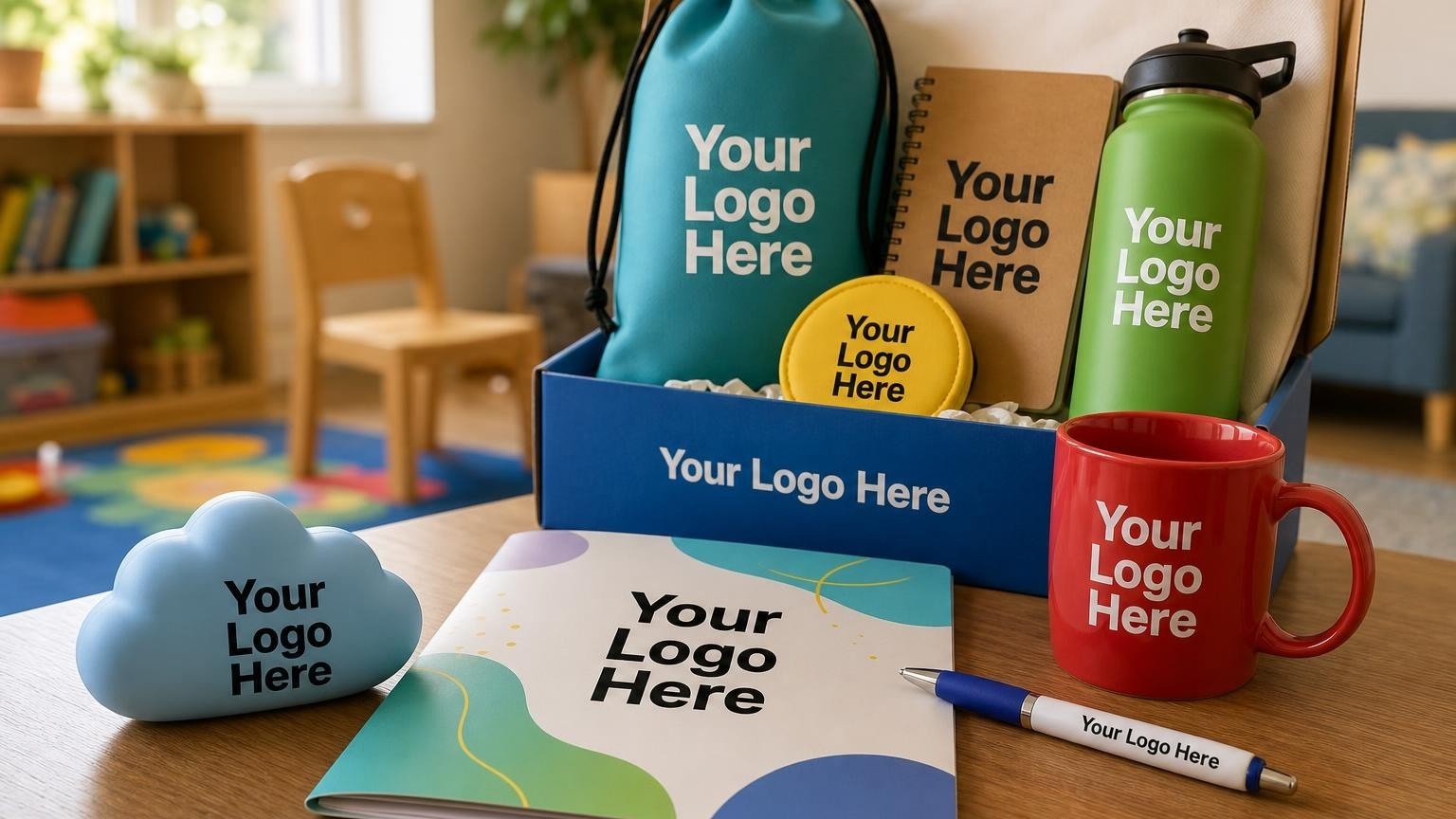
Instead, practice directors are shifting to individual, take-home welcome kits. During the intake coordinator's initial fifteen-minute screening in the quiet room, handing a child a custom-branded silicone shape or a soft foam item provides immediate tactile grounding. These objects act as clinical transition tools, helping children regulate their nervous systems by focusing on physical sensations. For example, a clinician can guide a child to squeeze a soft foam shape to match a slow, deep-breathing rhythm, turning a simple promotional item into an active therapeutic aid.
By partnering with Myron to source non-toxic, easily sanitized novelty stress balls, clinics ensure that every child receives a clean, personal tool that they can take home. This extends the feeling of safety from the clinical office directly into the child's bedroom, reinforcing the therapeutic alliance between sessions.
De-escalation & Sensory Grounding Tools
Handed to anxious children during intake to help them self-soothe and transition into the clinical space.
Strengthening the Referral Pipeline: Professional Kits for Pediatricians and Schools
A pediatric mental health clinic relies heavily on a steady stream of referrals from local pediatricians, school psychologists, and educational counselors. However, maintaining top-of-mind awareness with busy medical professionals is a constant operational challenge. When preparing for the late-summer back-to-school referral rush in July, sending generic paper flyers or aggressive marketing brochures is highly ineffective; school counselors and pediatricians routinely discard commercial advertisements.
The key to building a reliable referral pipeline is providing high-utility, professional tools that integrate into their daily workflows. A school psychologist conducting outdoor recess observations or classroom assessments needs reliable writing surfaces and organizational tools. Distributing professional greeting cards with personalized clinical updates, paired with high-quality office items, establishes a peer-to-peer relationship built on mutual respect.
Additionally, clinics can distribute custom-printed stick-up & magnetic calendars that feature the clinic's direct referral line and intake hours. When placed on a school counselor's filing cabinet or a pediatrician's desk, these calendars keep the clinic's contact details visible at the exact moment a parent asks for a mental health recommendation. This professional approach positions the clinic as an accessible community resource rather than a commercial enterprise.
Referral Partner Utility Kits
Gifted to school counselors and pediatricians to keep the clinic's contact details highly visible and useful.
Selecting the Physical Tools for Clinical and Outreach Workflows
Choosing the right physical items for a pediatric clinic requires balancing clinical utility, safety, and professional presentation. Rather than ordering generic novelties, practice directors must select items that solve specific operational challenges.
For waiting room de-escalation and therapeutic icebreakers, shape stress balls offer a quiet, non-disruptive way for children to release physical tension. Unlike loud plastic toys or clicking devices that can disrupt adjacent therapy sessions, soft foam shapes are completely silent, preserving the calm environment of the clinic.
For parent education and home-based support, custom magnets serve as a highly practical medium. Parents of children in crisis need immediate, stress-free access to support resources. A high-quality magnet placed on the family refrigerator can display the clinic's emergency contact details, local crisis hotlines, and simple grounding exercises that parents can guide their children through during a meltdown. This keeps vital information accessible in the exact location where daily family life unfolds.
Finally, protecting the health of patients and staff is paramount. Placing custom hand sanitizer bottles at the reception desk and inside intake rooms encourages clean hands before and after tactile play, supporting the clinic's infection control protocols without creating a cold, institutional atmosphere.
Clinical and Operational Selection Matrix for Pediatric Practices
Selecting the appropriate tool depends on the specific clinical scenario, the age of the recipient, and the primary operational goal. The table below outlines how different product categories align with pediatric practice workflows.
| Clinical Scenario | Target Recipient | Recommended Product Type | Primary Operational Goal |
|---|---|---|---|
| Initial Patient Intake | Children aged 4–12 | Quiet silicone or foam novelty stress balls | Reduce waiting room anxiety and session-one resistance |
| Pediatrician Outreach | Medical Practice Managers | Custom greeting cards & professional calendars | Build trust and maintain top-of-mind referral status |
| Parent Education & Safety | Guardians and Parents | Custom magnets with crisis hotlines | Keep emergency contact details accessible at home |
| School Counselor Networking | School Psychologists & Counselors | Custom stick-up & magnetic calendars | Integrate clinic contact info into school workflows |
| Clinical Hygiene & Safety | Patients, Parents, and Staff | Custom pocket-sized hand sanitizer | Maintain infection control across high-touch therapy rooms |
Investment Tiers: Aligning Clinic Budgets with Therapeutic Impact
This tier focuses on high-volume, essential items that support daily clinic hygiene and basic patient comfort. These items are ideal for broad distribution at community health fairs or in high-traffic waiting areas.
- Pocket-sized custom hand sanitizer bottles for reception desks.
- Standard round or square custom magnets featuring clinic contact details.
- Basic soft foam shape stress balls for quick waiting room distraction.
This tier includes specialized items designed to support active therapeutic processes and provide parents with ongoing educational value at home.
- Custom-printed stick-up calendars for school counselor offices.
- High-quality health theme stress balls used as therapeutic breathing guides.
- Custom-printed greeting cards with therapeutic milestone certificates.
Designed for high-value professional partners and internal clinical staff, this tier features items that reflect the clinical excellence of the practice and build long-term institutional trust.
- Custom-branded executive gifts from the Myron employee appreciation collection to celebrate clinical milestones.
- Heavy-duty magnetic planning boards for school counseling departments.
- Professional outreach kits containing custom portfolios, high-end pens, and clinical referral pads.
Milestone & Graduation Keepsakes
Awarded to children completing therapy programs to celebrate their hard work and growth.
Operational Wisdom: Best Practices for Pediatric Clinic Sourcing
Based on Myron's experience helping organizations plan custom event merchandiseBased on experience helping healthcare organizations plan custom merchandise, Myron's team has gathered practical operational insights that help pediatric mental health clinics maximize their budget and ensure patient safety:
- Prioritize Non-Porous Materials: Squeeze toys made from dense, non-porous polyurethane foam or silicone are significantly easier to sanitize with medical-grade wipes between uses than fabric-covered plush items.
- Keep Branding Subtle for Children: When designing sensory items for young patients, place the clinic logo in a small, unobtrusive area. Oversized, high-contrast branding can make a therapeutic tool feel like a commercial advertisement, reducing a child's willingness to adopt it as a personal comfort object.
- Ensure CPSIA Compliance: Always verify that any item distributed to children under twelve is certified lead-free and phthalate-free, protecting your clinic from liability and ensuring patient safety.
- Optimize Storage with Flat Items: Pediatric clinics often have limited storage space. Sourcing flat, stackable items like custom magnetic calendars and flat magnets allows staff to store months of inventory in a single administrative cabinet drawer.
- Focus on Silent Sensory Tools: Avoid any promotional toys that click, squeak, or flash. In a quiet clinical setting, silent sensory tools prevent distraction and maintain a calm environment for adjacent therapy sessions.
How to Choose the Right Item
- Sensory Profile & Noise LevelChoose silent, soft-squeeze foam or silicone items rather than plastic clickers or flashing toys to maintain a calm clinical environment.
- Sanitization & HygieneSelect non-porous materials like dense polyurethane foam or silicone that can be easily wiped down with medical-grade sanitizers.
- Age-Appropriate Safety ComplianceVerify that all distributed items are CPSIA certified and free of small parts to prevent choking hazards in multi-age waiting rooms.
Common Mistakes to Avoid
- Prioritizing low cost over safety and durability.Cheap, fragile items present choking hazards and break easily under sanitization, damaging clinic trust.Better approach: Invest in fewer, high-quality, CPSIA-compliant silicone or dense foam items that withstand heavy sanitization.
- Distributing overly commercial or loud promotional items.Loud clickers or flashing toys disrupt adjacent therapy sessions and overwhelm sensitive children.Better approach: Select quiet, soft, and calming sensory items with subtle, comforting branding.
- Sending generic marketing flyers to referral partners.Pediatricians and school counselors discard paper advertisements immediately due to high administrative workloads.Better approach: Provide highly functional office tools like custom calendars or greeting cards that integrate into daily workflows.
Frequently Asked Questions About Pediatric Clinic Promotional Sourcing
What safety standards should promotional items meet for a pediatric mental health clinic?
All items must be non-toxic, free of small choking hazards (CPSIA compliant), and made from durable, easy-to-sanitize materials like silicone. Practice directors should request compliance certificates for any item distributed to children under twelve to ensure strict safety standards are met.
How can we distribute promotional items to school counselors without seeming overly commercial?
Focus on utility by providing high-value clinical tools, such as branded emotion charts or sensory timers, rather than pure marketing novelties. School counselors appreciate functional items like magnetic calendars or professional greeting cards that help them coordinate care and manage busy student schedules.
What are the best items for pediatric mental health clinic staff to wear or carry?
Soft, approachable apparel like custom-branded fleece jackets or scrub tops, paired with breakaway lanyards that ensure safety during patient escalations. Staff apparel should look professional yet warm, helping to reduce the clinical intimidation factor for young children.
Investing in Comfort and Trust: Your Next Operational Steps
Thoughtful, high-quality physical touchpoints are far more than simple promotional giveaways; they are direct extensions of clinical care and professional trust. Whether easing a child's transition during their very first intake session or securing a critical referral pipeline with local school psychologists before the busy autumn term, the physical items you choose reflect the standards of your practice. By selecting safe, durable, and highly functional tools, pediatric mental health clinics can create a warmer clinical environment while building a sustainable, referral-driven practice. When preparing for your next seasonal intake cycle or planning your community outreach strategy, consider how these physical assets can support your clinical goals. Explore Myron's specialized collection of safe, high-quality promotional products designed for pediatric healthcare professionals to build your own custom intake and referral kits.