


How Mental Health Clinics Use Welcome Kits to Build Referral Networks
A professional guide for clinic directors on using high-quality, sensory-grounding physical touchpoints to ease patient intake anxiety and strengthen physician referral pipelines.
10 min read
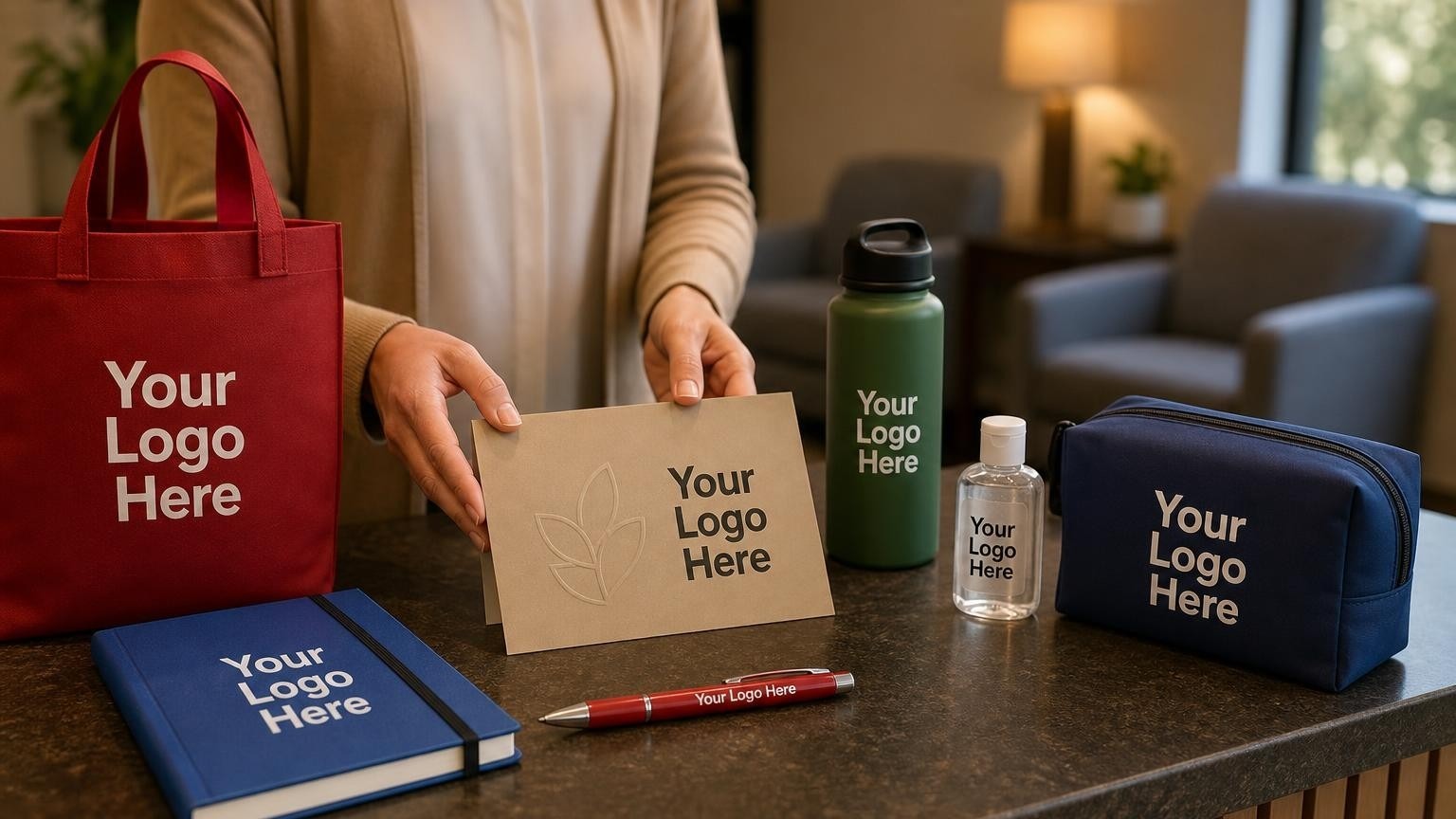
Private practice mental health clinics can ethically grow their patient base and ease intake anxiety by using high-quality, sensory-grounding welcome kits and professional referral gifts from Myron. Strong choices include custom greeting cards, unscented hand sanitizers, stress-relief tools, and employee appreciation gifts. Late summer for the autumn intake surge, and late autumn for year-end referral appreciation gifts. Avoid cheap plastic pens, neon stress balls, loud branding, and aggressive promotional messaging.
The Quiet Waiting Room: Establishing Clinical Trust Before the First Session
A patient sits in a quiet, softly lit waiting room, adjusting their posture on a fabric armchair. The soft hum of a white noise machine fills the air, designed to protect the privacy of the session occurring behind the closed oak door. The patient is here for an intake appointment, their hands slightly trembling as they hold a clipboard. Instead of handing them a cheap, scratching plastic pen that skips across the medical history form, the receptionist offers a heavy, soft-touch writing instrument. As the patient grips the weighted pen, the physical sensation of the matte finish provides a subtle moment of sensory grounding. This simple administrative exchange is the first physical interaction the patient has with the clinic. It signals safety, clinical professionalism, and a high standard of care before the therapist even opens the office door to welcome them inside.
The Strategic Value of Tactile Trust in Mental Health Care
Private practice mental health clinics can ethically grow their patient base and ease intake anxiety by using high-quality, sensory-grounding welcome kits and professional referral gifts from Myron. Rather than relying on aggressive digital advertising, clinics build lasting trust by placing subtle, functional items in the hands of patients and local physicians. Key strategies include distributing calming waiting room resources, sending professional greeting cards to referring psychiatrists, and providing clinical staff with practical organizational tools. By selecting items with minimalist branding and soothing textures, clinic directors protect patient confidentiality while maintaining a steady, professional referral pipeline.
- Custom greeting cards
- Unscented hand sanitizers
- Stress-relief tools
- Employee appreciation gifts
Avoid: Cheap plastic pens, neon stress balls, loud branding, and aggressive promotional messaging.
The Intake Touchpoint: Designing Welcome Kits That Ground and Reassure New Patients
The first ten minutes of a patient's arrival at a private practice mental health clinic are critical for establishing clinical trust. High patient churn often occurs when the initial intake process feels cold, overly bureaucratic, or clinical in a sterile way. This operational challenge varies slightly across different practice settings. For instance, in child and adolescent therapy clinics, the waiting room must feel warm and interactive to ease parental anxiety. In trauma-informed recovery centers, every physical object must support sensory safety and avoid triggering distress. Meanwhile, in outpatient psychiatric practices or group marriage and family therapy offices, the environment must project absolute confidentiality and professional clinical standards. To ease this transition, clinic operations managers are rethinking the physical touchpoints of the waiting room. When a patient is handed an intake packet, the quality of the materials matters. Storing pristine, dust-free welcome materials in an administrative closet behind the reception desk ensures they remain clean and presentable. Handing a patient a high-quality folder containing their paperwork, accompanied by a subtle, custom-printed greeting card that outlines what to expect during their first session, helps demystify the therapeutic process. This physical handoff occurs right at the reception desk, transforming a stressful administrative hurdle into a reassuring ritual. By focusing on sensory-grounding details—such as thick paper stock and smooth-writing instruments—clinics help patients transition from the busy outside world into a reflective, safe therapeutic space.
Calming Waiting Room Essentials
Create a soothing, hygienic, and sensory-friendly environment for anxious patients during their first ten minutes in your clinic.
Nurturing the Referral Pipeline: Professional Gifts for Physicians and Specialists
Primary care physicians, psychiatrists, and school counselors represent the primary referral pipeline for outpatient mental health clinics. However, reaching these busy medical professionals requires a high degree of professional etiquette. Aggressive digital marketing or cheap, flashy giveaways violate the ethical boundaries of clinical practice and alienate potential referral partners. Instead, successful clinic directors use professional peer-to-peer gifts to remain top-of-mind. A key decision trigger for ordering these items occurs in late autumn, allowing staff to prepare appreciation packages before the winter surge in therapy inquiries. When a practice manager delivers a professional gift package to a local family medicine doctor, the presentation must reflect mutual clinical respect. Sending a high-quality desk accessory accompanied by a professional greeting card allows the clinic to express gratitude for shared patient care without appearing overly commercial. The branding on these items must remain exceptionally subtle—such as a small, blind-debossed clinic name or a clean, laser-engraved logo. This professional restraint ensures the item is proudly displayed on a physician's desk, keeping the clinic's contact details accessible for the next patient referral. By maintaining these high standards, clinics build long-term professional relationships that benefit both the practices and the patients they serve.
Professional Referral Touchpoints
Express gratitude to local family medicine doctors, psychiatrists, and school counselors with high-utility, subtly branded desk accessories.
Selecting Calming and Functional Clinical Touchpoints
Selecting the right physical items for a mental health setting requires a careful balance of utility, aesthetics, and clinical appropriateness. Rather than choosing generic promotional items, clinic directors must select products that serve a clear purpose in the patient's wellness journey or the clinic's daily operations.
First, consider the transition from the waiting room to the therapy office. Providing custom hand sanitizer bottles at the reception desk and in individual therapy rooms supports a clean, comfortable environment. Opting for unscented, gentle formulas in minimalist, soft-touch bottles ensures that patients with sensory sensitivities are not overwhelmed by harsh chemical odors. This small detail shows a level of clinical thoughtfulness that patients notice immediately.
Second, professional correspondence is vital for maintaining clinical relationships. Using high-quality greeting cards for patient birthday wishes, clinical milestones, or physician thank-you notes shows a level of personalized care that digital emails cannot replicate. These cards should feature calming earth tones or cool blues, reinforcing the clinic's soothing aesthetic. A handwritten note inside a beautifully textured card carries significant professional weight.
Third, supporting clinical staff is essential for preventing therapist burnout. Investing in professional employee appreciation gifts, such as high-quality bags or desk organizers, demonstrates that the clinic values its clinicians' hard work. When therapists feel supported, patient care naturally improves, and clinical retention rates remain high.
Finally, for community outreach and mental health education events, clinics can distribute thoughtful resources focused on stress management. Rather than cheap plastic novelties, choosing high-quality, functional stress-relief tools in muted colors helps individuals manage daily anxiety while keeping the clinic's supportive services visible. These items serve as practical tools that individuals can use in their daily lives to practice mindfulness.
Comparing Clinical Touchpoints and Distribution Methods
To help clinic directors select the most appropriate items for their specific operational needs, the table below compares common clinical touchpoints, their primary clinical purpose, and the recommended distribution method.
| Clinical Touchpoint | Primary Clinical Purpose | Recommended Distribution Method |
|---|---|---|
| Custom Greeting Cards | Expressing professional gratitude to referring physicians and psychiatrists | Hand-delivered or mailed in high-quality envelopes with year-end appreciation packages |
| Unscented Hand Sanitizer | Maintaining waiting room hygiene while respecting sensory sensitivities | Placed discreetly at the reception desk and on side tables in therapy offices |
| Stress-Relief Tools | Providing tactile grounding for anxious patients during intake or sessions | Handed directly to patients by clinicians during high-anxiety moments |
| Professional Staff Gifts | Recognizing clinical excellence and reducing therapist burnout | Distributed during annual performance reviews or clinical team meetings |
Tailoring Your Physical Touchpoints to Your Practice Scale
Private practice mental health clinics operate under varying financial scales, from solo practitioners to multi-location clinical groups. Organizing physical touchpoints by investment level helps clinics plan their budgets effectively while maintaining high standards of presentation.
- Standard Clinical Tier (Good): This tier focuses on essential, high-utility items that support daily waiting room operations and basic patient comfort. Recommended items include pocket-sized unscented hand sanitizers, minimalist appointment reminder magnets, and clean, professional intake clipboards. These items are highly cost-effective while still maintaining a clean, professional appearance.
- Professional Practice Tier (Better): Designed for growing clinics looking to strengthen their local referral networks and improve patient retention. Recommended items include high-quality custom greeting cards with matching envelopes, soft-touch writing pens for intake forms, and branded desk calendars for local physician offices. This tier offers a balance of professional presentation and practical utility.
- Executive Clinical Tier (Best): Best suited for high-end psychiatric practices and specialized treatment centers that require premium peer-to-peer gifts. Recommended items include debossed leatherette portfolios for clinical staff, high-end insulated beverage tumblers for referring specialists, and complete welcome kits housed in elegant, soft-touch presentation boxes. These high-end items reflect the exceptional quality of care provided by your clinic.
Fulfillment Insights: Designing Calm and Compliant Clinical Materials
Based on Myron's experience helping organizations plan custom event merchandiseBased on experience helping mental health organizations plan custom clinical merchandise, Myron's team has gathered practical operational insights to ensure your items align with clinical standards:
- Prioritize Matte and Soft-Touch Finishes: Anxious patients in a therapy clinic are highly sensitive to sensory inputs. Matte and soft-touch textures feel warm and comforting to hold, whereas high-gloss plastics can feel cold, clinical, and uninviting.
- Keep Branding Exceptionally Subtle: Mental health care requires absolute confidentiality. Avoid large, brightly colored logos on patient-facing items. A small, blind-debossed or tone-on-tone logo allows patients to use items in public without feeling like their privacy is compromised.
- Select Unscented Formulas for Hygiene Products: When ordering custom hand sanitizers for waiting rooms, always opt for unscented formulas. Strong artificial scents can trigger sensory overload or allergic reactions in sensitive patients.
- Use Calming Color Palettes: Choose items in muted earth tones, soft sages, warm grays, or cool blues. Avoid bright neon colors, which can disrupt the calming, therapeutic aesthetic of your office environment.
- Verify the Weight of Writing Instruments: A heavier, metal-body pen feels more grounding in an anxious patient's hand during intake paperwork than a lightweight, flimsy plastic pen. The physical weight provides a subtle anchoring effect.
Clinical Staff Identity & Appreciation
Support your independent clinicians and administrative staff with high-quality tools that build a cohesive, professional clinical identity.
How to Choose the Right Item
- Sensory and Tactile QualityAsk: 'Does this item feel calming, weighted, and pleasant to touch, or does it feel cheap, cold, and clinical?' Prioritize soft-touch metal pens, matte-finish ceramic mugs, and debossed leatherette journals over high-gloss plastics.
- Branding DiscretionAsk: 'Can a patient carry or use this item in public without feeling like their privacy or clinical relationship is exposed?' Choose subtle laser-engravings, blind-debossed notebooks, or tone-on-tone logos rather than oversized, multi-color printed clinic specialties.
- Professional Peer AlignmentAsk: 'Does this gift reflect the high clinical standards and mutual respect expected between medical professionals?' Opt for premium executive pen sets, high-end double-wall insulated tumblers, or professional padfolios instead of cheap plastic keychains or bulk adhesive note pads.
Common Mistakes to Avoid
- Distributing cheap, high-gloss plastic pens that skip or feel flimsy.Anxious patients filling out highly sensitive trauma intake forms are easily frustrated by scratching, unreliable pens, which increases their immediate anxiety.Better approach: Invest in a smaller quantity of premium, weighted, soft-touch metal pens that feel grounding and reliable.
- Using loud, neon-colored promotional items with oversized clinic logos.Mental health care requires absolute confidentiality; patients feel highly uncomfortable carrying a bright neon item that boldly exposes their clinical relationships in public.Better approach: Choose muted, calming earth tones or cool blues with a subtle, minimalist, debossed or laser-engraved logo.
- Gifting generic, low-quality gift baskets to referring medical specialists.Failing to plan ahead results in last-minute, generic grocery store baskets that look unprofessional and fail to reflect peer-to-peer clinical respect.Better approach: Send a highly curated, professional desk accessory, like a premium debossed portfolio, that reflects professional peer status.
Frequently Asked Questions
How can a mental health clinic use promotional items without looking too commercial?
Focus on high-quality, functional items in muted, calming colors with minimalist branding that serve a practical clinical purpose, such as intake pens or therapeutic journals.
What are the best colors and finishes for items used in a psychiatric or therapy setting?
Opt for soft-touch finishes, matte textures, and calming earth tones or cool blues, avoiding high-gloss plastics and neon colors that can trigger sensory overload.
How do we distribute referral appreciation gifts to local doctors ethically?
Deliver professional, high-utility desk items like premium portfolios directly to the practice manager or physician as a token of professional appreciation, ensuring no quid-pro-quo is implied.
Building Lasting Trust Through Thoughtful Touchpoints
Building a sustainable private practice does not require loud, aggressive advertising campaigns that compromise clinical ethics. Instead, quiet, high-quality touchpoints establish the lasting trust that keeps patient calendars full and referral networks active. As you prepare for the busy autumn intake surge, consider how subtle, professional items can improve your clinic's patient experience and physician relationships. Explore Myron's selection of custom greeting cards, hygiene essentials, and professional staff gifts to find the perfect fit for your clinical environment.