


Pulmonology Clinic Promotional Products: Patient Care & Outreach Guide
Thoughtful, high-utility promotional items serve as functional extensions of clinical care, bridging the gap between pulmonology appointments and successful home-care management.
12 min read
Pulmonology clinics use high-utility promotional items from Myron to support patient therapy compliance, drive community health screenings, and build lasting referral networks with primary care physicians. Strong choices include health care products, custom pill boxes, and no smoking reminders. Order at least 6-8 weeks prior to major community health fairs, Respiratory Care Week, or the start of the winter flu season. Avoid cheap, non-functional plastic novelties that undermine clinical authority or violate healthcare compliance guidelines regarding patient gifts.
Bridging the Gap Between Clinical Care and Home Recovery
A patient sits in a quiet pulmonology exam room, eyes fixed on the floor, visibly anxious after receiving a chronic obstructive pulmonary disease (COPD) diagnosis. The clinical environment is clean and sterile, but to a patient facing a lifetime of home-care monitoring, it can feel cold and overwhelming. Across the desk, the pulmonology practice manager recognizes this silent distress. The clinical team can perform flawless spirometry tests and outline precise therapeutic regimens, but the real challenge begins when the patient walks out the clinic doors. To ease this transition and support daily compliance, the clinic needs physical, high-utility tools that bridge the gap between clinical care and the home environment. By providing tangible, custom-branded resources, the clinic transforms a stressful clinical visit into an organized, supportive pathway for long-term respiratory health.
The Role of Functional Tools in Respiratory Practice Management
To improve patient compliance and drive community outreach, pulmonology clinics use functional, high-utility promotional items from Myron. These physical tools serve as daily extensions of clinical care, helping patients manage chronic conditions and encouraging high-risk individuals to schedule spirometry appointments. Key product categories include custom pill boxes to manage complex medication schedules, health care products for daily wellness tracking, and no-smoking reminders that support smoking cessation campaigns. By selecting durable, compliant items rather than cheap novelties, practices build trust, improve home-care adherence, and strengthen referral networks with primary care physicians.
- Health Care Products
- Custom Pill Boxes
- No Smoking Reminders
Avoid: Avoid cheap, non-functional plastic novelties that undermine clinical authority or violate healthcare compliance guidelines regarding patient gifts.
Clinical Touchpoints: Integrating Branded Tools into Patient Onboarding and Therapy
In an independent multi-physician pulmonology group, a hospital-affiliated outpatient respiratory clinic, or a community-based pulmonary rehabilitation facility, the onboarding process sets the tone for the entire patient experience. When a patient is diagnosed with a chronic respiratory condition like COPD, they are often overwhelmed by the sudden complexity of their care plan. They must track daily symptoms, monitor peak flow readings, and manage multiple prescription schedules. This is where physical tools become vital clinical aids.
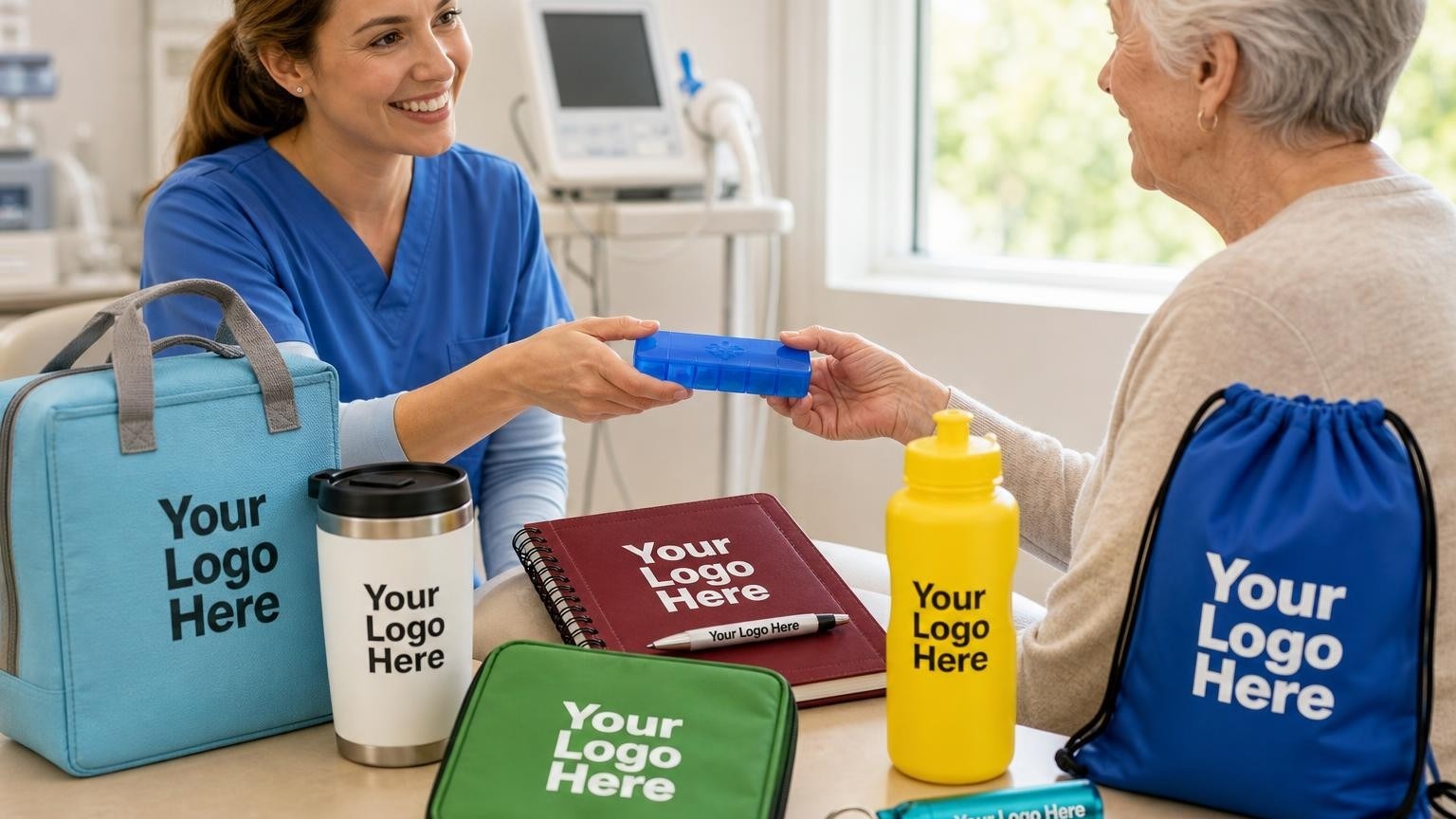
During the post-spirometry consultation in the exam room, a respiratory therapist can hand the patient a custom-branded symptom-tracking journal alongside a durable pill organizer. This physical handoff is a critical recipient moment; the patient feels supported rather than abandoned to a complex digital portal. From an operational standpoint, these items must be lightweight and easy to handle, as many elderly patients or those with compromised lung capacity struggle with heavy or overly complex devices.
By integrating Myron Health Care Products directly into the clinical workflow, the practice manager ensures that patients leave with practical tools that support daily compliance. For instance, distributing Myron Pill Boxes with clearly marked compartments helps patients adhere to their strict medication schedules, reducing the risk of acute exacerbations and readmissions. These are not mere giveaways; they are functional extensions of the clinic's therapeutic strategy.
Patient Onboarding & Adherence
Equip newly diagnosed COPD or asthma patients with daily management tools during onboarding to support compliance.
Community Outreach and Smoking Cessation: Driving Early Spirometry Screenings
Early detection of chronic lung disease is a primary operational goal for pulmonology practices. However, convincing high-risk individuals in the community to schedule spirometry appointments can be challenging. Many people ignore early symptoms of respiratory decline, attributing shortness of breath to aging. To address this, clinics organize community health fairs and targeted outreach campaigns, particularly during key calendar windows like COPD Awareness Month in November or the Great American Smokeout.
A smoking cessation campaign is a highly effective vehicle for community engagement. When a clinic distributes physical support kits during these events, they provide tangible encouragement for individuals attempting to quit. These kits can include Myron No Smoking Reminders and pocket-sized Myron Hand Sanitizer bottles. The hand sanitizer is a highly practical item for respiratory patients, who must strictly avoid seasonal viruses that can trigger severe lung infections.
When a community member receives these items, they are not just receiving promotional merchandise; they are receiving a daily reminder of the clinic's support system. This physical presence builds local trust, making it far more likely that high-risk individuals will take the step to book a lung function test. Furthermore, providing these high-utility items to local primary care offices helps keep the specialist clinic top-of-mind for patient referrals.
Community Health Outreach
Provide supportive, high-utility items during smoking cessation campaigns and local spirometry screening events.
Selecting the Right Tools for Pulmonology Workflows
To help practice managers make informed decisions, the following table compares different physical tools based on their clinical utility, primary recipient group, and operational purpose.
| Clinical Tool Category | Primary Recipient Group | Operational Purpose | Key Product Example |
|---|---|---|---|
| Medication Adherence | Newly diagnosed COPD & asthma patients | Improving daily prescription compliance | Custom multi-compartment pill boxes |
| Infection Prevention | Pulmonary rehab participants & high-risk patients | Reducing exposure to seasonal respiratory viruses | Pocket-sized hand sanitizers |
| Behavioral Support | Smoking cessation program participants | Providing physical reminders and habit replacement | No-smoking reminders and wellness items |
| Referral Building | Local primary care physicians & clinical staff | Maintaining clinic visibility for patient referrals | High-quality metal writing pens |
| Staff Operations | Clinic respiratory therapists & administrative team | Projecting professional authority and unity | Custom employee appreciation gifts |
Practical Product Ideas for Respiratory Care
When selecting physical items for a pulmonology clinic, the focus must always remain on clinical utility and patient wellness. Rather than generic office supplies, choose items that directly align with the daily realities of respiratory care.
For patient onboarding, Myron Pill Boxes are an excellent option. These durable cases help patients organize complex daily medication regimens, ensuring they take the correct doses at the right times. For community outreach and infection control, pocket-sized Myron Hand Sanitizer bottles are highly valued by patients who must protect their compromised immune systems during flu season.
For smoking cessation campaigns, distributing Myron No Smoking Reminders provides a constant, supportive cue in the patient's home or vehicle, reinforcing their commitment to lung health. Finally, for maintaining strong relationships with referring primary care doctors, high-quality Myron Economy Plastic Pens placed at reception desks ensure your specialist practice remains the preferred choice for respiratory referrals.
Structuring Your Clinic's Promotional Budget
To maximize the value of your marketing and patient-care budget, it is helpful to organize your physical tools into distinct tiers based on the scale of your campaigns and the specific needs of your recipients.
- Good (High-Volume Outreach): Focus on lightweight, cost-effective items for broad community distribution. Practical options include pocket-sized hand sanitizers, custom-branded magnets with emergency clinic contact numbers, and basic writing pens for patient intake areas.
- Better (Patient Onboarding & Compliance): Invest in mid-range, high-utility tools handed directly to patients during clinical visits. Excellent choices include multi-compartment pill boxes, specialized symptom-tracking journals, and no-smoking reminders for cessation program participants.
- Best (Referral Partners & Staff Appreciation): Dedicate premium items to key referral sources and clinical staff. Consider high-quality metal writing pens for local primary care physicians and custom Myron Employee Appreciation Gifts to celebrate Respiratory Care Week and reduce staff burnout.
First-Party Operational Insights for Pulmonology Clinics
Based on Myron's experience helping organizations plan custom event merchandiseBased on experience helping healthcare organizations plan custom merchandise, Myron's team has gathered practical operational insights specific to the clinical environment:
- Prioritize lightweight materials: Patients with compromised lung capacity or limited mobility often carry bags or walkers; heavy items will be left at home, reducing their clinical utility.
- Choose high-contrast text: Many chronic respiratory patients are elderly; ensure any printed instructions or clinic contact details on pill boxes or journals use large, high-contrast fonts for easy readability.
- Keep storage compact: Clinic supply closets are notoriously crowded with medical devices and PPE; select flat or stackable items that can be neatly boxed and stored behind the reception desk.
- Focus on infection control: In a pulmonology setting, hygiene is paramount. Hand sanitizers and antimicrobial-treated pens are highly appreciated by both patients and clinical staff.
- Subtle branding builds trust: Oversized, loud logos can make a clinical tool feel like a cheap advertisement; a clean, professional, and modest clinic logo projects authority and clinical respect.
Common Mistakes to Avoid
- Prioritizing cheap novelty items over clinical utility.Low-cost, non-functional items are quickly discarded and fail to build clinical trust or support compliance.Better approach: Invest in fewer, higher-quality items like durable pill organizers that patients use daily.
- Ignoring physical storage and mobility constraints of respiratory patients.Heavy or bulky items will be left at home by patients with compromised lung capacity or limited mobility.Better approach: Select lightweight, compact, and highly portable items that fit easily into a walker bag or pocket.
- Failing to align promotional campaigns with clinical calendar events.Ordering last-minute without connecting to events like COPD Awareness Month reduces community impact.Better approach: Plan orders 6-8 weeks in advance of national health awareness months to maximize local screening drives.
Frequently Asked Questions About Pulmonology Promotional Items
What are the most effective promotional items for a smoking cessation campaign?
Focus on tactile, habit-replacing items like high-quality water bottles, sugar-free mint tins, and stress relievers that patients can use when experiencing cravings. These physical tools provide a constructive distraction during critical moments of temptation.
How can pulmonology clinics distribute promotional items safely under healthcare compliance guidelines?
Select low-cost, highly educational, or utility-focused items that directly benefit patient care and wellness, avoiding high-value luxury gifts. Ensuring that every distributed item has a clear clinical or educational purpose helps maintain compliance with Stark Law and anti-kickback regulations.
What items are best for referring primary care physicians to keep our pulmonology practice top-of-mind?
High-quality, functional desk items like premium metal pens, custom clipboards, or insulated mugs that doctors and clinical staff use daily. These practical tools ensure your clinic's contact information remains visible in busy primary care offices where referral decisions are made.
Supporting Every Breath Beyond the Clinic
Thoughtful, high-utility physical tools bridge the gap between clinical visits and successful home-care management. By providing patients with functional items like pill boxes and symptom trackers, pulmonology clinics actively support daily therapy compliance and build lasting community trust. As you prepare for the upcoming winter respiratory season or plan your next community health screening event, consider how these practical tools can enhance your patient care workflows. Explore Myron Health Care Products to find compliant, high-quality options that support your clinic's clinical and outreach goals.