


Safety Fair Giveaway Kits: High-Utility Ideas for EHS Managers
A comprehensive playbook for Environmental Health and Safety (EHS) managers to design compliance-aligned welcome packages, interactive booth rewards, and take-home emergency kits.
10 min read
To drive meaningful employee engagement and build a lasting safety culture, safety fair organizers should partner with Myron to curate high-utility, compliance-focused giveaway kits and professional exhibitor packages. Strong choices include custom first aid kits and personal safety gear, high-visibility bands and emergency whistles, and durable roadside assistance tools and highway emergency kits. Ideally 6 to 8 weeks prior to the scheduled safety fair date to ensure seamless customization and assembly. Avoid cheap, single-use plastic novelties, unvetted external vendor handouts, and last-minute ordering without a clear distribution plan.
The Quiet Before the Shift: Setting the Stage for Safety Engagement
An Environmental Health and Safety (EHS) manager stands before an empty exhibition hall at six in the morning, watching the early shift workers file past the entrance. In less than an hour, this quiet space will fill with hundreds of employees during their scheduled thirty-minute training windows. The stakes are high: if these workers treat the annual safety fair as a passive, check-the-box exercise, critical compliance protocols will be forgotten before the next shift begins. The challenge is not just getting bodies into the room, but capturing their attention immediately and holding it long enough to embed safety habits into their daily work. Without functional, high-utility engagement tools, the educational displays will be ignored. To bridge this gap, organizers need a strategic plan that turns passive observers into active participants, using physical tools that reinforce compliance from the moment they cross the threshold. Partnering with Myron provides the high-quality, practical gear needed to anchor these educational moments and build a lasting safety culture.
Quick Guide: Maximizing Safety Fair Engagement
To drive meaningful employee participation and build a lasting safety culture, safety fair organizers should partner with Myron to distribute high-utility, compliance-focused giveaway kits and professional exhibitor packages. The most effective approach replaces cheap novelty items with functional tools—such as custom first aid kits, personal safety gear, and highway emergency kits—that directly support educational training goals. By structuring distribution through an interactive passport system, organizations ensure employees actively engage with compliance booths before receiving high-value take-home safety items. This method prevents crowd chaos, respects tight event timelines, and extends safety awareness directly into employees' homes and vehicles.
- Custom first aid kits and personal safety gear
- High-visibility bands and emergency whistles
- Durable roadside assistance tools and highway emergency kits
Avoid: Cheap, single-use plastic novelties, unvetted external vendor handouts, and last-minute ordering without a clear distribution plan.
Designing the Welcome Kit: First-Touch Engagement at the Registration Desk
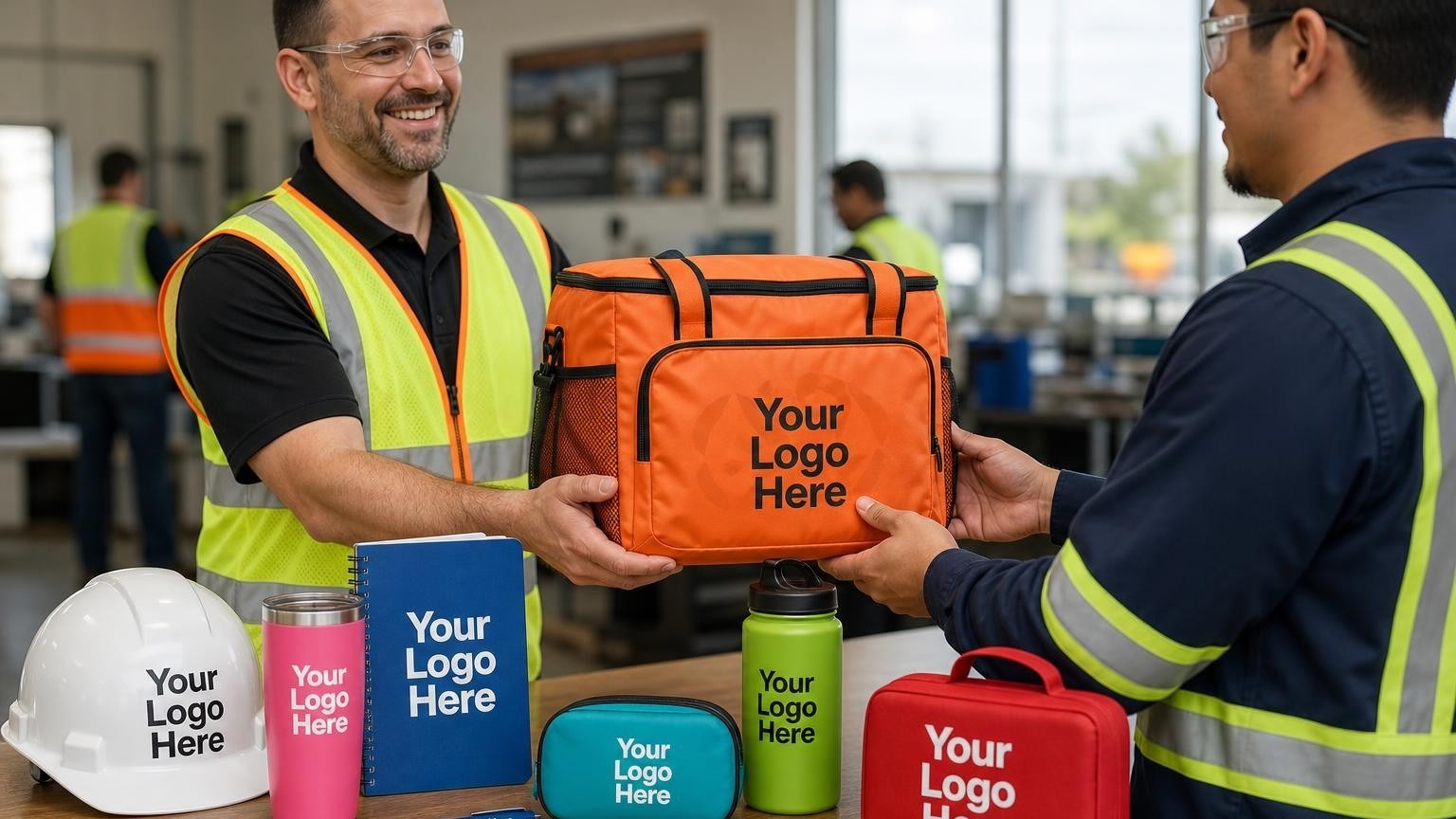
The physical flow of a safety fair dictates its educational success. When planning a manufacturing plant safety fair, a municipal utility safety expo, or a high-volume distribution center safety day, the registration desk is the critical first touchpoint. As employees enter the exhibition hall during their brief shift windows, handing them a structured welcome package sets an immediate tone of professional value. Instead of loose papers that quickly clutter the floor, organizers should use a central carrying item to keep educational brochures organized. Distributing a durable item from the Safety selection at this initial moment ensures every participant has a dedicated way to carry booth materials. For example, during a morning shift kickoff, workers receiving a high-visibility band or a personal safety whistle immediately understand that this event is focused on practical protection, not generic corporate handouts. This first-touch strategy captures immediate attention and prepares employees to actively participate in the demonstrations ahead.
The Registration Welcome Kit
Distributed to every employee upon entering the safety fair to kickstart engagement and hold booth materials.
Exhibitor and Vendor Packages: Standardizing the Message Across Every Booth
A common operational hurdle is managing the visual clutter and inconsistent messaging of external vendors. When local fire departments, local clinics, and internal safety committees set up their tables, they often bring unvetted, low-quality handouts that dilute the company's safety standards. EHS managers can solve this by providing standardized exhibitor packages. Ahead of the winter driving safety campaign in October, organizers can distribute custom auto highway safety kits to the vehicle safety booth, ensuring the demonstration is backed by professional-grade equipment. At the emergency preparedness station, equipping staff with matching imprinted first aid kits creates a unified, authoritative presence. When an employee watches a demonstration on wound care and receives a matching first aid kit, the physical tool directly reinforces the training. This structured approach keeps the focus entirely on compliance, ensuring that every booth delivers a consistent, high-quality message that aligns with corporate safety goals.
Selecting Purpose-Driven Tools for Compliance Booths
To prevent budget waste, every promotional item must align directly with a specific safety hazard or training topic. When employees visit the personal protective equipment (PPE) fitting station, receiving a practical item from the personal safety collection reinforces correct workplace habits. Rather than handing out generic items, focus on tools that solve real-world problems. For example, a hearing conservation booth works best when pairing demonstrations with branded earplug cases, while a heat stress prevention station can distribute hydration-tracking items. At the vehicle safety station, providing a tool from the highway safety collection gives employees a functional resource they will keep in their glove boxes for years. By choosing items that serve a clear, identifiable safety function, you demonstrate a genuine commitment to employee well-being while ensuring your training budget is spent on tools that actively support compliance.
OSHA Compliance Booth Rewards
Earned by employees who complete specific educational demonstrations at safety booths.
Safety Fair Engagement Strategy: Matching Items to Educational Goals
To help you select the right items for your specific event setup, the following table compares common safety fair scenarios, target audiences, and recommended product categories.
| Event Scenario | Primary Educational Goal | Recommended Product Category | Distribution Method |
|---|---|---|---|
| Manufacturing Plant Safety Fair | OSHA Focus Four & PPE Compliance | Personal Safety Items | Handed out at the PPE fitting station |
| Municipal Utility Safety Expo | Emergency Preparedness & First Aid | First Aid Kits & Dispensers | Earned via the booth passport system |
| Distribution Center Safety Day | Vehicle & Roadside Preparedness | Highway Safety Kits | Distributed at the exit after shift completion |
| Corporate Wellness Expo | Ergonomics & Personal Health | Hand Sanitizer & Wellness | Provided in the registration welcome pack |
Structuring Your Safety Fair Budget: Good, Better, and Best Options
Managing a safety fair budget requires balancing the total number of attendees with the need for high-quality, durable items. To help you allocate your resources effectively, we have structured our recommended safety items into three distinct tiers based on your event's scale and goals.
- Good (High-Volume Entry Items): These items are perfect for broad distribution at registration desks or high-traffic wellness booths. Practical options include promotional magnets featuring emergency contact numbers, compact custom hand sanitizers for personal hygiene stations, and basic safety whistles.
- Better (Mid-Range Engagement Rewards): Designed for active participation, these items are awarded to employees who complete specific booth demonstrations. Recommended options include individual imprinted first aid kits, high-visibility reflective bands, and branded safety glasses cases.
- Best (High-Value Recognition & Milestone Gifts): Reserved for grand prizes, safety milestone achievements, or take-home family kits. These high-utility items include comprehensive custom highway safety kits, multi-function LED flashlights, and durable roadside assistance tools that extend safety culture into the home.
Operational Insights from Myron's Event Planning Team
Based on Myron's experience helping organizations plan custom event merchandiseBased on experience helping organizations plan custom event merchandise, Myron's team has gathered practical operational insights to ensure your safety fair runs smoothly:
- Flat, stackable items reduce setup stress: Items like first aid packets and flat safety guides stack neatly in cardboard boxes, keeping the limited storage space under exhibition tables organized and clutter-free.
- Subtle branding improves long-term utility: When printing your logo on safety gear, keep the branding clean and professional. Employees are far more likely to keep and use a roadside kit with a subtle, high-quality imprint than one covered in oversized promotional slogans.
- Pre-assemble welcome kits to prevent crowd bottlenecks: Avoid placing loose items on open tables at registration. Pre-packing your safety items into bags before the event starts ensures a smooth, rapid flow of traffic during busy shift changes.
- Match item weight to distribution logistics: If employees must carry their giveaways throughout a large facility tour, avoid heavy or bulky items. Lightweight personal safety items are easier to carry and less likely to be left behind on a random table.
- Verify battery and shelf-life requirements early: If your chosen kits include items like hand sanitizers or battery-powered safety lights, check expiration dates and battery pre-installation to ensure everything is fully operational on event day.
The Safety Fair Planning Timeline: From Concept to Kickoff
To avoid expedited shipping fees and ensure a seamless customization process, use this structured timeline when planning your next safety event:
- 8 Weeks Before: Define your educational goals and map out the specific booths (e.g., PPE, fire safety, first aid). Identify which product categories align with each station.
- 6 Weeks Before: Select your custom safety items and request design proofs. Ensure your corporate safety slogans and logos are finalized for printing.
- 4 Weeks Before: Place your bulk order for items like imprinted first aid kits and highway safety kits to allow ample time for production and standard shipping.
- 2 Weeks Before: Coordinate with your safety committee and external exhibitors. Finalize the booth layout, crowd flow logistics, and the passport stamp distribution system.
- 1 Week Before: Receive and inspect your shipment. Pre-assemble welcome packages and organize bulk boxes by booth assignment for rapid setup on the morning of the event.
Premium Home & Vehicle Preparedness
Grand prizes or milestone gifts that extend the safety culture to the employee's family and off-the-job hours.
How to Choose the Right Item
- Operational UtilityAsk: Does this item solve a real-world safety or emergency preparedness problem for the employee? Choose multi-tools, first aid kits, or LED flashlights over novelty plastic toys.
- Visibility and Compliance AlignmentAsk: Does this product visually reinforce our corporate safety standards and compliance goals? Choose high-visibility vests, reflective bands, or hard hat decals.
- Durability and Brand PerceptionAsk: Does the physical quality of this item reflect our company's genuine commitment to employee well-being? Choose metal-casing tools and heavy-duty canvas over thin plastics.
Common Mistakes to Avoid
- Prioritizing quantity over quality to stay under budget.Cheap, easily broken items send a subconscious message that the company cuts corners on safety, leading to immediate disposal.Better approach: Focus the budget on one or two high-utility, durable items that employees will actually keep and use in their daily lives.
- Failing to align giveaways with specific educational booth topics.Items purchased in bulk without consulting booth leaders result in generic handouts that fail to reinforce compliance training.Better approach: Map every promotional item directly to an OSHA compliance topic or wellness initiative featured at the fair.
- Neglecting the logistics of item distribution and crowd control.Placing piles of items on open tables leads to hoarding, empty booths, and chaotic crowd flow.Better approach: Implement a structured distribution system, such as a stamp passport, to reward active learning and manage traffic.
Frequently Asked Questions About Safety Fair Logistics
How far in advance should safety fair organizers order custom promotional items?
We recommend starting the planning and ordering process at least 6 to 8 weeks before the event to allow for design proofing, production, and bulk shipping.
What are the most effective promotional items for promoting OSHA compliance topics?
Items that directly mirror safety actions—such as high-visibility gear for struck-by hazards, or branded safety glasses and earplugs for personal protective equipment (PPE) compliance.
How can we distribute safety fair giveaways without creating long lines or chaotic crowds?
Use a passport system where employees collect stamps at educational booths to redeem a pre-assembled Myron safety kit at the exit.
Building a Year-Round Safety Culture
A successful safety fair is more than a single-day event; it is the launchpad for a year-round safety culture that protects your workforce daily. The quality of the items you distribute reflects your organization's genuine commitment to employee well-being. When an industrial worker receives a high-quality tire pressure gauge or a durable first aid kit, they recognize that their safety is valued, prompting them to keep these tools close at hand in their vehicles and home workshops. As you prepare for your upcoming annual safety fair or plan your next seasonal compliance campaign, focus on high-utility gear that reinforces your training long after the exhibition hall is packed away. Explore Myron's custom Safety collection to start building your custom safety kits today.