


Health on Campus: How Student Health Centers Use Wellness Giveaways to Build Trust and Reach Students
Move past generic handouts. Discover how to select high-utility wellness tools that embed your clinic's contact details directly into the student's physical environment.
12 min read
Student health centers use custom wellness products from Myron to build trust, promote preventative care, and ensure students have immediate access to clinic contact information during emergencies. Strong choices include health care products, lip balm, hand sanitizer, and stress management. Orders should be placed in early summer (June) to ensure timely delivery for fall orientation. Avoid low-quality novelty items that do not offer genuine health or safety utility to students.
A Critical Window for Campus Connection
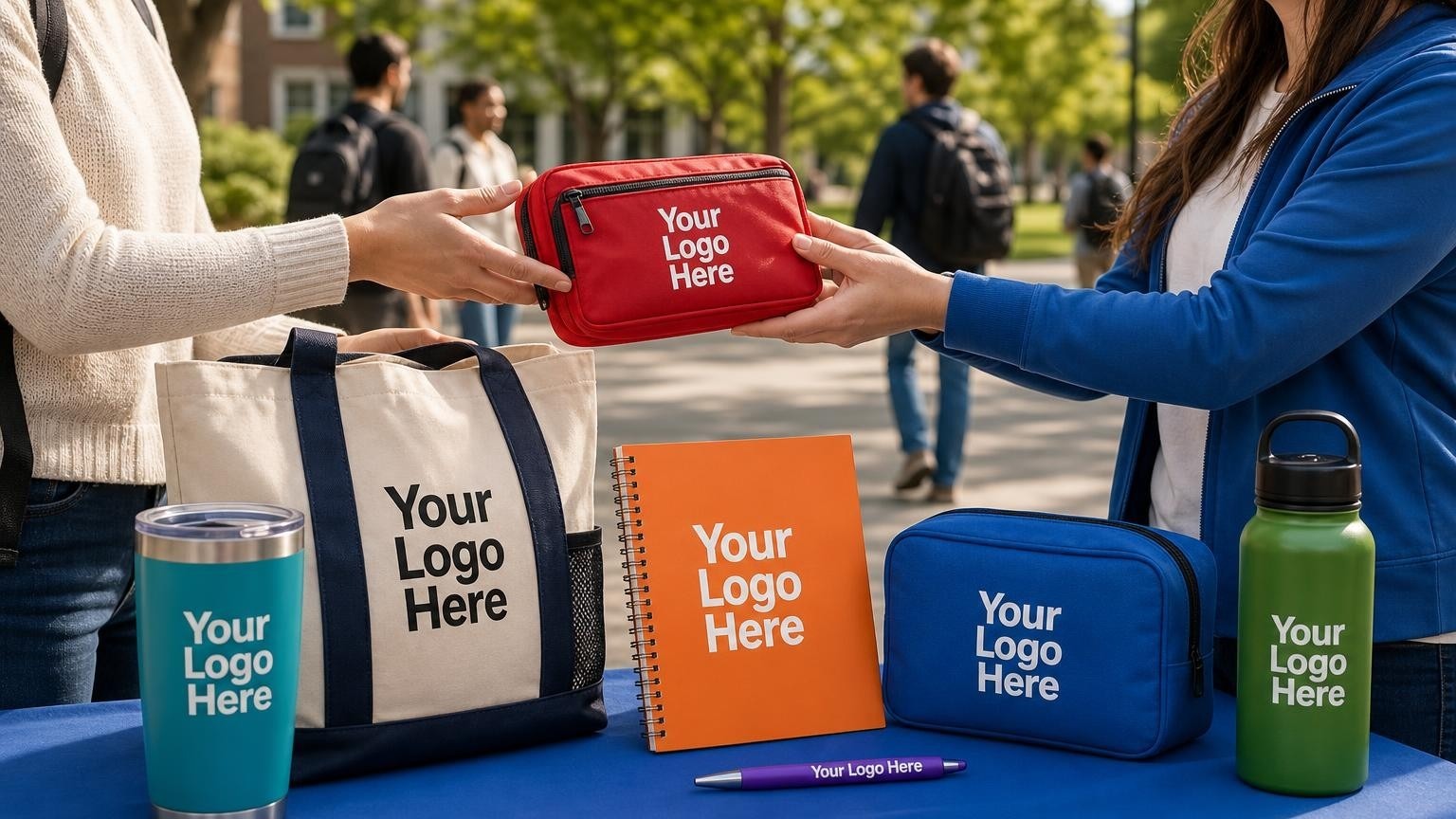
The autumn wind sweeps across the university quad, carrying the scent of fresh-cut grass, food truck grease, and the energetic chatter of thousands of returning students. At the annual fall welcome week health fair, the scene is a chaotic blur of activity. Student health center staff stand behind a folding table, competing for attention against the loud music of the student activities board, free pizza slices, and colorful club sign-up sheets. Most students walk past, eyes glued to their phones, actively avoiding pamphlets on sleep hygiene or nutrition guidelines. Then, a sophomore pauses. Instead of handing them a dense, multi-page brochure that will inevitably end up in the nearest recycling bin, a wellness coordinator hands over a compact, functional item: a reusable digital thermometer card and a small first-aid pouch. The sophomore slips the card into their wallet and tucks the pouch into their backpack. Months later, when a sudden midnight fever strikes in a cold dorm room, that same student will pull out the card, check their temperature, and see the clinic's urgent care hotline printed clearly on the back, choosing a professional consultation over unreliable online search results.
Strategic Wellness Giveaways
Student health centers use custom wellness products from Myron to build trust, promote preventative care, and ensure students have immediate access to clinic contact information during emergencies. By replacing generic promotional items with high-utility wellness tools, campus health directors can establish their clinics as the primary, trusted medical resource on campus. The most effective product categories include health care products (such as first-aid kits and thermometer cards), lip balm, hand sanitizer, and stress management items. These functional tools are best distributed during orientation week health fairs, peer-led wellness campaigns, and as part of clinical discharge kits to support student health outcomes throughout the academic year.
- Health Care Products
- Lip Balm
- Hand Sanitizer
- Stress Management
Avoid: Avoid low-quality novelty items that do not offer genuine health or safety utility to students.
Maximizing Impact at the Fall Welcome Health Fair
For a student health center director, the opening weeks of the fall semester represent the single most critical window for establishing a connection with the student body. This is especially true for incoming freshmen, who are managing their own health decisions for the first time away from home. During the orientation check-in workflow, clinics must find ways to place their contact details directly into students' living spaces.
To achieve this, successful directors avoid generic plastic novelties and instead focus on immediate utility. A practical option here is distributing custom Health Care Products like first-aid pouches containing adhesive bandages and antiseptic wipes. When these items are branded with the clinic's nurse line and hours of operation, they serve as a permanent fixture in a student's medicine cabinet.
Consider the operational reality of dorm-room storage: space is extremely limited. A bulky medical kit will be left behind or stored out of sight, but a flat, compact pouch fits easily into a desk drawer or a personal hygiene caddy. Another excellent choice is a reusable digital thermometer card. When a student wakes up at 2 AM feeling chilled and feverish—a common recipient moment during the first campus cold outbreak in October—they do not want to search a website for clinic hours. Having a thermometer card with the clinic's phone number printed on the back allows them to make an informed decision to call the nurse line immediately, preventing unnecessary emergency room visits and reducing student anxiety.
Planning for these welcome week distributions must begin early, with directors triggering orders in June to allow ample time for custom branding approvals and bulk delivery before the August move-in rush.
Essential Campus Safety Kits
Equip every dorm room with essential safety tools by distributing custom first-aid kits and thermometer cards during orientation.
Transitioning from Awareness to Daily Dorm-Room Utility
To move students away from self-diagnosis and toward professional clinical care, health centers must integrate their contact details into the daily routines of campus life. This requires shifting from a passive marketing mindset to an active, health-literacy approach.
When students experience minor physical discomforts, their first instinct is often to ignore the issue or rely on peer advice. Health centers can counter this by distributing daily-use personal care items that keep the clinic's presence constant and reassuring.
For example, during winter wellness campaigns, distributing custom Lip Balm helps protect students against harsh weather while keeping the clinic's website address literally at their fingertips. Similarly, placing branded Hand Sanitizer dispensers or pocket-sized bottles at dining hall entrances and high-traffic student centers encourages daily hygiene habits that actively reduce the spread of seasonal viruses.
By choosing high-utility items, health centers ensure that their promotional budget is spent on tools that students carry in their pockets, backpacks, and jackets, keeping clinical support accessible throughout the cold and flu season.
Daily Hygiene & Prevention
Keep students healthy during cold season by distributing personal care essentials branded with your clinic's hours.
Integrating Branded Tools into Peer-Led Wellness Campaigns
Peer education is a cornerstone of modern campus health promotion. Whether operating within a large public university health service, a small private college wellness clinic, a community college student health center, or a specialized commuter campus clinic, student wellness ambassadors require physical tools to break the ice during sensitive discussions.
During peer-led residence hall seminars on sexual health or mental well-being, handing out informational sheets alone rarely leads to long-term engagement. Instead, equipping peer educators with custom discreet pouches to distribute safety supplies makes the interaction comfortable and memorable. For instance, wellness coordinators can use compact Pill Boxes or small zippered cases to hold items securely and privately, respecting student confidentiality.
Mental health awareness campaigns also benefit from physical, tactile tools. During midterm exam preparation in October—a major decision trigger for wellness programming—peer educators can distribute custom Stress Management items, such as squeeze toys or relaxation tools, during library pop-up events. The recipient moment here is powerful: a stressed student, overwhelmed by finals, receives a physical outlet for anxiety that also features the campus counseling center's 24/7 crisis hotline.
From an operational standpoint, these items must be lightweight and durable so that peer educators can easily pack them into backpacks and transport them to outdoor campus plazas or residence hall lounges without risk of damage.
Selecting the Right Wellness Vehicle for Campus Campaigns
To help you choose the most effective products for your specific outreach goals, this comparison table outlines the best options based on campus scenarios and operational needs:
| Campus Outreach Scenario | Target Recipient Group | Recommended Product Option | Operational Benefit |
|---|---|---|---|
| Freshman Orientation | Incoming First-Year Students | Compact first-aid pouches with bandages | Keeps clinic emergency contact details in dorm rooms |
| Cold & Flu Prevention | General Student Body | Pocket-sized hand sanitizers & lip balms | Encourages daily hygiene and reduces campus virus spread |
| Mental Health Pop-Ups | Exam-Stressed Students | Tactile stress-relief squeeze toys | Provides physical anxiety relief with crisis hotline info |
| Clinical Discharge | Patients Leaving the Clinic | Branded pill boxes & hot/cold gel packs | Supports post-visit treatment compliance and recovery |
Budget-Conscious Campaign Tiering
To help campus health administrators manage strict university department budgets, wellness campaigns can be organized into distinct investment tiers. Each tier focuses on maximizing utility and student engagement without compromising on quality.
- Good (Entry-Level Outreach): Best for high-volume distribution at campus-wide events. This tier includes custom lip balm tubes, pocket-sized hand sanitizer bottles, and branded Magnets featuring the clinic's hours and emergency numbers for dorm-room refrigerators.
- Better (Targeted Wellness Campaigns): Ideal for residence hall seminars and peer-led workshops. This tier features custom pill boxes for daily medication management, stress management squeeze toys for exam-week relief, and reusable digital thermometer cards.
- Best (High-End Clinical & Orientation Kits): Designed for freshman welcome packages and post-visit clinical discharge. This tier includes complete health care products such as multi-item first-aid zippered pouches, custom hot/cold gel packs for student-athletes, and comprehensive wellness kits housed in durable, discreet travel bags.
Direct Operational Insights from Campus Wellness Orders
Based on Myron's experience helping organizations plan custom event merchandiseBased on experience helping campus health administrators plan custom wellness campaigns, Myron's team has gathered practical operational insights to ensure your promotional budget is used effectively:
- Prioritize flat, stackable items: Products like thermometer cards, magnet schedules, and flat first-aid pouches are easy to store in clinic closets and simple for staff to transport in plastic bins to outdoor campus tables.
- Keep branding clear but professional: Students are highly sensitive to overly commercial designs. A clean, clinical layout featuring the university health center logo and a direct phone number builds far more trust than loud, cluttered graphics.
- Choose durable materials for dorm life: Dorm rooms are high-activity environments. Selecting sturdy vinyl pouches or high-quality plastic pill boxes ensures the product survives the entire academic year.
- Pre-package sensitive items: When distributing sexual health or mental health resources, pre-packaging items in opaque, branded zipper pouches increases student pickup rates by protecting their privacy in public campus spaces.
- Include digital access points: Adding a small, high-resolution QR code to the imprint area allows students to quickly scan the item with their smartphones to schedule appointments or access self-care guides online.
The Campus Health Campaign Planning Timeline
To ensure your student health center is fully prepared for the upcoming academic year, follow this structured planning and ordering timeline:
- 12 Weeks Before (May): Define your campaign goals, identify target distribution dates (such as freshman move-in week), and review your department budget.
- 10 Weeks Before (June): Select your product categories, such as first-aid kits or personal care items, and request samples to verify quality and sizing.
- 8 Weeks Before (Late June): Finalize your imprint artwork, ensuring the clinic's emergency nurse line, hours, and website are correct and legible.
- 6 Weeks Before (July): Place your bulk order with Myron to allow sufficient time for custom branding production and secure shipping.
- 2 Weeks Before (August): Receive and inspect your shipment, organize items into distribution bins, and brief your staff and peer educators on campaign messaging.
Common Pitfalls in Campus Wellness Purchasing
When purchasing promotional items, campus health buyers often fall into common traps that can limit the effectiveness of their campaigns.
First, prioritizing quantity over utility is a frequent error. Buyers operating under tight budgets may try to stretch funds by purchasing cheap plastic novelties that students discard almost immediately. A better approach is to invest in fewer, higher-quality items like durable first-aid pouches that students will keep in their living spaces for years.
Second, omitting critical clinic contact details severely reduces the long-term value of the giveaway. It is easy to focus solely on the university logo and forget to include the 24/7 nurse line or clinic hours. Every imprint should feature a direct phone number or a QR code linking to appointment scheduling.
Finally, ignoring student privacy in distribution can prevent students from taking critical health resources. Leaving sensitive wellness items in open, brightly colored bins can make students feel self-conscious. Providing discreet, branded packaging or opaque pouches allows students to take necessary supplies comfortably and confidentially.
Mental Health & Stress Support
Support student mental health initiatives during midterms and finals with tactile stress relievers featuring your hotline.
Frequently Asked Questions About Campus Health Giveaways
What are the most popular promotional items for student health fairs?
The most effective items are high-utility wellness products like custom first-aid kits, lip balms, and hand sanitizers that students keep in their dorms. These functional items provide immediate value during minor emergencies and keep your clinic's contact details close at hand.
How can we discreetly distribute sexual health promotional products?
Utilize custom-branded, opaque zipper pouches or discreet wellness kits that peer educators can hand out during campus events. This approach respects student privacy and comfort, significantly increasing the likelihood that students will accept and use these critical resources.
When should we order promotional items for the fall semester?
We recommend placing orders by early June to ensure delivery and organization before freshman orientation begins in August. Ordering early allows ample time for artwork approval, production, and distribution planning across campus departments.
Securing Student Well-Being for the Academic Year
Proactive wellness campaigns are essential for building a healthy, informed campus community. By replacing generic giveaways with high-utility wellness tools, student health centers can bridge the gap between students and professional clinical care. As you prepare for the upcoming academic year, consider how custom-branded health resources can protect and educate your students. Partner with Myron to design custom health kits that keep your clinic's vital services visible and accessible in every residence hall. Explore Myron's curated health and wellness collection today to find the perfect tools for your next campus campaign.