


Triathlon Event Promotional Gear: The Ultimate Race Director's Guide
An operationally grounded guide to choosing weather-resistant registration bags, high-visibility volunteer apparel, and high-utility sponsor gear that survives the transition zone.
10 min read
Triathlon events require highly durable, weather-resistant promotional gear that can survive wet transition zones and demanding race courses. By partnering with Myron, race directors can secure high-utility drawstring bags, performance apparel, and insulated drinkware that protect athlete gear and maximize sponsor visibility. Strong choices include water-resistant polyester drawstring bags, moisture-wicking athletic apparel, and double-wall insulated sports bottles. 8 to 12 weeks prior to the event date to ensure adequate time for packet stuffing and volunteer distribution. Avoid paper bags, cheap non-woven materials, cotton t-shirts for athletes, and low-visibility promotional trinkets.
Dawn in the Transition Zone
At 5:00 AM, the transition zone is a quiet hum of nervous energy, thick with the sharp scent of chain lube, sunscreen, and damp grass. Heavy morning dew clings to the metal bike racks and the plastic timing-chip ankle bands stacked on the volunteer tables. A race director walks the rows, watching early-arriving athletes wheel their high-end carbon bikes through T1. In the dim light, a volunteer hands a flimsy, wet paper registration bag to a shivering competitor. Under the weight of a full sports bottle, a heavy race bib, and a thick transition towel, the bottom of the bag splits open. Goggles, timing chips, and safety pins spill into the wet grass. It is an immediate logistical headache before the first swimmer even enters the water. For event coordinators, this moment illustrates a physical reality: the gear you distribute must survive the outdoor elements of a multi-sport race day.
Selecting Gear That Survives Race Day
Executing a successful multi-sport race requires durable, weather-resistant gear that protects athlete logistics and satisfies sponsors. By partnering with Myron, race directors can secure high-utility items like water-resistant drawstring bags, performance apparel, and insulated sports bottles that survive wet transition zones and demanding courses. Focus on items that athletes keep for long-term training, such as quick-dry towels and durable sports bottles, ensuring multi-month exposure for your event sponsors. Plan your orders eight to twelve weeks before race day to allow ample time for multi-logo proofing, production, and packet assembly.
- Water-resistant polyester drawstring bags
- Moisture-wicking athletic apparel
- Double-wall insulated sports bottles
Avoid: Avoid paper bags, cheap non-woven materials, cotton t-shirts for athletes, and low-visibility promotional trinkets.
The Transition Zone Touchpoint: Upgrading the Athlete Registration Bag
The registration packet is the very first physical touchpoint of race weekend, distributed during the high-volume packet pickup expo and carried straight into the transition area. When choosing these containers, paper and cheap non-woven materials fail instantly under the threat of morning dew or sudden coastal rain showers. A wet, torn bag does more than frustrate an athlete; it risks the loss of critical timing chips and safety pins, throwing off the timing company's entire workflow.
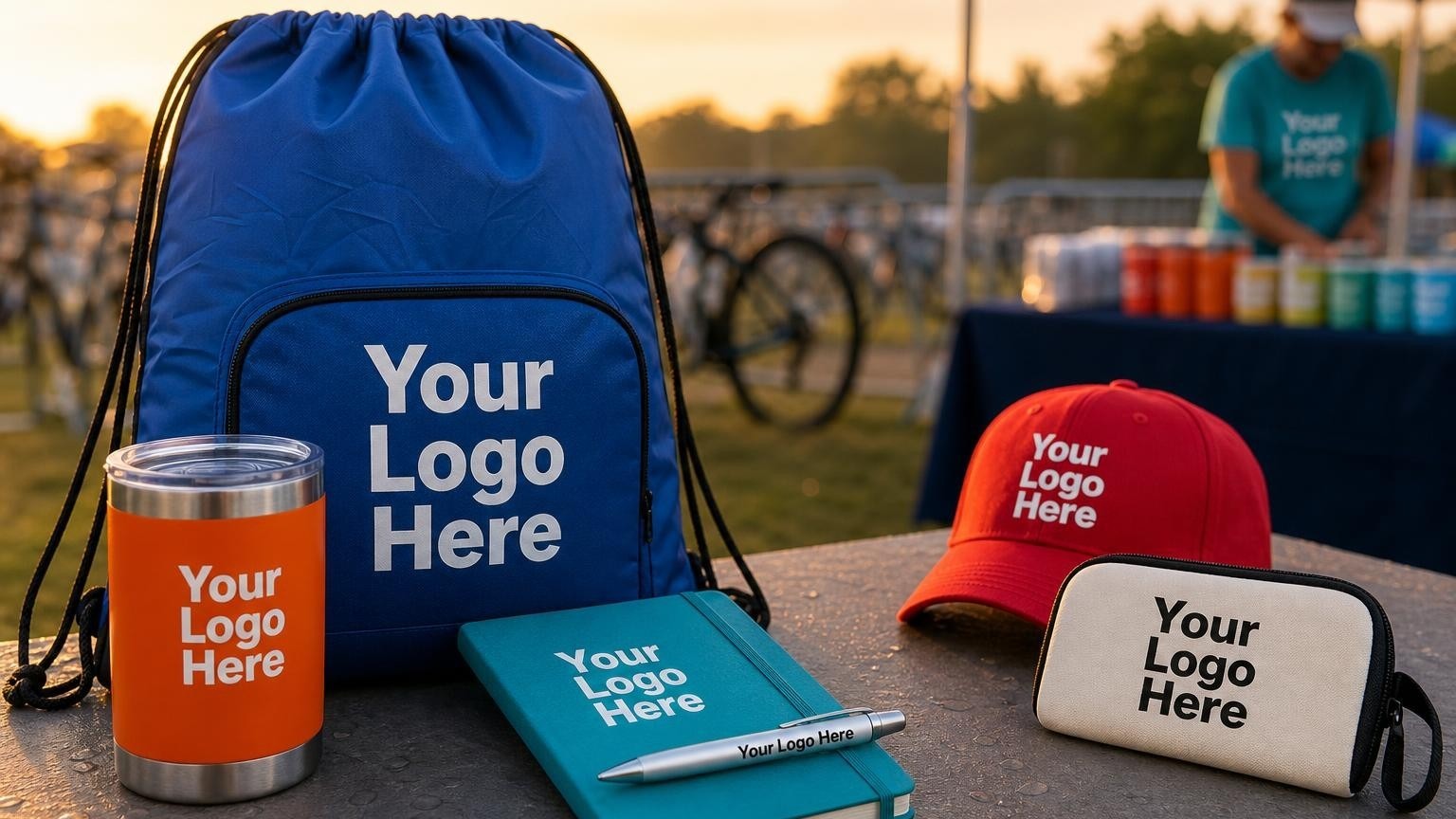
To prevent these registration-day bottlenecks, experienced coordinators choose water-resistant polyester drawstring bags. These bags sit on wet grass or asphalt beside bike racks without absorbing moisture, keeping dry clothes, race bibs, and nutrition packets safe. They also offer a wide, flat surface that serves as a mobile training billboard long after the event ends. When athletes reuse these durable bags for their weekly pool sessions or track workouts, your primary sponsors receive continuous local exposure. Keep athlete gear protected from morning dew by choosing durable athlete registration bags that survive the transition zone.
Durable Athlete Registration Bags
Keep athlete gear protected from morning dew by choosing water-resistant drawstring bags that survive the transition zone.
Sponsorship ROI: High-Visibility Placement Along the Course
Securing multi-year sponsor commitments requires delivering clear, high-visibility logo placement that extends beyond a single afternoon. In a sprint-distance charity triathlon, an Olympic-distance road race, or a grueling off-road XTerra-style event, sponsors expect their branding to be prominent in official race photography and spectator viewing areas.
The bike leg offers an exceptional opportunity for sponsor integration. Placing co-branded custom sports water bottles at aid stations ensures immediate utility. A cyclist moving at twenty miles per hour needs an easy-squeeze bottle with a reliable push-pull cap that fits securely into a standard bottle cage. When you distribute these high-utility bottles, you provide sponsors with prime real estate that athletes will carry on every training ride for months to come. Avoid small, low-visibility items like keychains or stickers for major sponsor packages; instead, focus on wide-body drinkware and microfiber transition towels that remain in permanent rotation.
High-Visibility Hydration Solutions
Maximize sponsor exposure along the bike course with easy-squeeze custom sports water bottles designed for fast-moving handoffs.
Gear Selection Matrix for Multi-Sport Logistics
Managing the complex logistics of a multi-sport course requires matching the right product to the specific operational environment. The table below outlines key gear choices based on race-day roles and conditions.
| Race Day Zone | Operational Challenge | Recommended Product Type | Key Feature to Prioritize |
|---|---|---|---|
| Athlete Registration | Wet grass, heavy dew, heavy gear | Water-resistant polyester drawstring bags | 210D polyester or ripstop nylon |
| Bike Aid Stations | Fast-moving handoffs, cage compatibility | Easy-squeeze sports bottles | Push-pull caps, standard diameter |
| Course Marshals | Long shifts, sun exposure, traffic safety | High-visibility performance tees | Moisture-wicking, neon colors |
| Finish Line Recovery | Rapid cooling, athlete temperature drops | Quick-dry microfiber cooling towels | High absorption, compact storage |
| Sponsor VIP Gifts | High-value appreciation, long-term utility | Double-wall insulated stainless steel bottles | Temperature retention, laser engraving |
Budget Tiers: Equipping the Field Responsibly
Race directors must balance tight operational budgets with the need to deliver professional-grade gear. Organizing your promotional purchases into clear tiers helps maximize your spending without compromising on quality.
- Good (Entry-Level Utility): Focus on high-volume essentials that cover basic operational needs. Excellent choices include standard single-wall squeeze sports bottles for aid stations, lightweight polyester drawstring bags for registration packets, and high-visibility custom buttons to identify general event volunteers.
- Better (Enhanced Durability): Invest in mid-range items that offer increased post-race utility and stronger sponsor appeal. This tier includes moisture-wicking volunteer performance tees, UV-protection athletic caps with adjustable straps, and custom sunglasses for spectators and participants.
- Best (Premium Recognition): Reserve this tier for age-group podium finishers, key committee members, and major title sponsors. Outstanding options include double-wall insulated stainless steel bottles, heavy-duty ripstop nylon duffel bags, and custom plaques or crystal awards to honor top achievements.
First-Party Insights: Operational Wisdom from Myron's Team
Based on Myron's experience helping organizations plan custom event merchandiseBased on experience helping organizations plan custom event merchandise, Myron's team has gathered practical operational insights to ensure your race-day logistics run smoothly:
- Flat, stackable items like custom flat magnets or uninflated sports bottles reduce volunteer setup stress at registration tables and save valuable truck space during transport.
- Avoid dark-colored performance shirts for course volunteers; light, high-visibility neon colors are essential for athlete safety and traffic coordination on open roads.
- When designing multi-sponsor grids for the back of volunteer shirts or registration bags, request vector files early to avoid blurry, pixelated logos that upset key partners.
- Order athlete registration bags with slightly wider drawstring cords; thin strings cut into the shoulders of athletes carrying heavy gear back to their vehicles after a grueling race.
- Pre-pack athlete bags in dry, indoor environments two to three days before the event to avoid the logistical chaos of stuffing wet packets in an outdoor tent on race morning.
Weather-Resistant Accessories: Protecting Athletes and Volunteers
Beyond the primary registration bags and hydration bottles, secondary accessories play a critical role in managing the outdoor environment of a multi-sport event. On bright, sunny days, glare can become a safety hazard for both athletes negotiating the course and volunteers monitoring key intersections.
Providing volunteers and spectators with custom sunglasses helps reduce eye strain during long shifts under the sun. Similarly, equipping your race committee with specialized gear from the Exercise & Sporting Goods department ensures your team has the tools needed to manage transition check-ins and finish-line chutes professionally. These practical accessories keep your staff comfortable, visible, and focused on athlete safety throughout a long twelve-hour race day.
Essential Outdoor Accessories
Equip your race committee and volunteers with custom sunglasses and athletic gear to manage transition check-ins professionally.
How to Choose the Right Item
- Weather ResistanceAsk if the item can survive heavy morning dew, rain, or sweat without losing its structural integrity or branding. Prioritize polyester drawstring bags and silicone-banded sports bottles over paper or canvas.
- Sponsor Logo Real EstateEnsure the product offers flat, high-contrast surfaces suitable for displaying multiple sponsor logos clearly. Multi-panel drawstring bags and wide-body sports bottles work best.
- Post-Event UtilityChoose items that athletes will continue to use during their weekly swim, bike, and run training sessions, such as quick-dry cooling towels and insulated travel mugs.
Common Mistakes to Avoid
- Ordering cheap non-woven or paper bags for athlete packets.Paper and non-woven bags tear instantly when exposed to morning dew or wet transition grass, risking the loss of critical timing chips and race bibs.Better approach: Invest in water-resistant 210D polyester drawstring bags that keep contents completely dry.
- Providing heavy cotton t-shirts for endurance athletes.Endurance athletes will not wear heavy cotton shirts for training, meaning your sponsors lose out on months of post-race exposure.Better approach: Offer lightweight, moisture-wicking synthetic performance tees that athletes integrate into their weekly training routines.
- Neglecting high-visibility gear for course volunteers.Dark-colored volunteer shirts blend into the background, making it difficult for fast-moving cyclists or local traffic to spot course marshals.Better approach: Equip all course marshals and aid station volunteers with neon, moisture-wicking safety tees.
Frequently Asked Questions
What are the most durable materials for outdoor triathlon registration bags?
Polyester (210D or higher) and ripstop nylon are ideal because they resist water, tearing, and morning dew in transition areas. These materials protect race bibs and timing chips from getting soaked on wet grass.
How do we ensure sponsor logos remain visible on athlete gear after the race?
Choose high-utility training items like insulated water bottles and quick-dry towels that athletes integrate into their daily workout routines. This ensures your sponsors receive months of organic exposure at local pools, tracks, and bike paths.
What is the recommended lead time for ordering custom triathlon event gear?
We recommend ordering at least 8 to 12 weeks before the event to allow for proofing, production, and buffer time for race-packet assembly. Ordering early prevents the operational stress of late shipments during packet-stuffing week.
Plan Your Race-Day Gear with Confidence
The quality of your promotional gear directly reflects the professionalism of your race organization. Investing in durable, weather-resistant items protects your logistics, satisfies your sponsors, and builds a lasting endurance community that returns year after year. As you finalize your participant caps and prepare for the upcoming race season, work with a reliable partner who understands the physical demands of multi-sport events. Explore Myron's specialized event collections to secure your high-utility gear before registration peaks, ensuring a smooth, highly branded experience from the first swim stroke to the final finish-line chute.