


Vocational Rehabilitation Programs: Strategic Employer and Participant Gifts
How program directors use compliant, professional-grade milestone kits and partner appreciation items to build credibility, support participant dignity, and secure repeat job placements.
10 min read
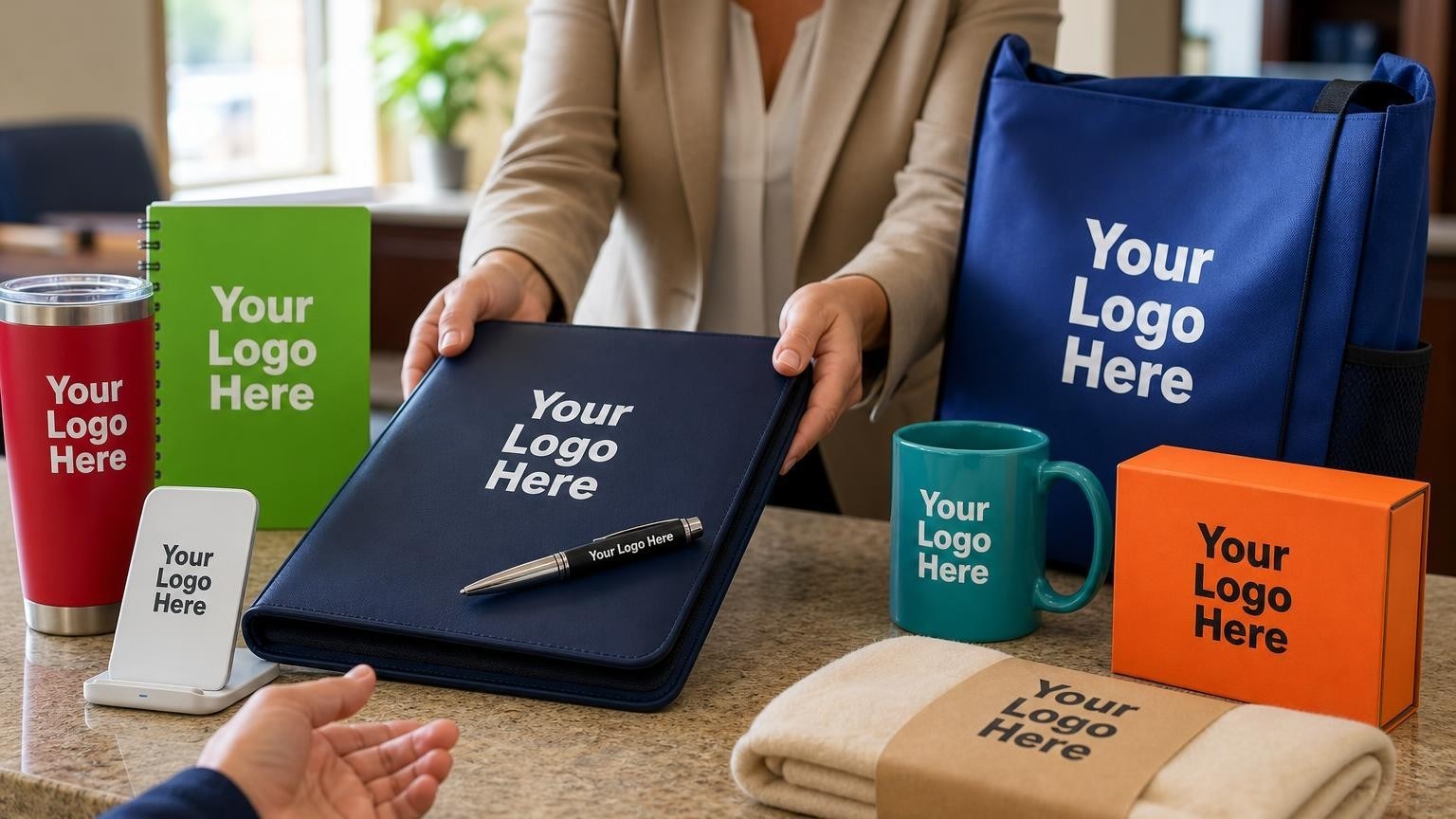
Vocational Rehabilitation Programs use curated professional items from Myron to build participant confidence during intake, celebrate job placement milestones, and secure long-term hiring commitments from local employer partners. Strong choices include professional portfolios and commuter bags, premium metal writing instruments, and durable, insulated travel drinkware. Prior to quarterly cohort intakes, ahead of annual graduation ceremonies, or in preparation for fiscal year-end budget cycles. Avoid cheap, flimsy novelty items that undermine participant dignity or fail to meet professional corporate standards.
The Metrics on the Desk: Bridging the Gap Between Readiness and Employment
A vocational rehabilitation program director sits at a desk covered in quarterly placement charts. The metrics show a clear story: the training cohorts are completing their certifications, and case managers have prepared every participant for the transition. Yet, the connection to local employer partners remains fragile. A local manufacturing plant hired three graduates last quarter, but communication has slowed. An administrative office that hosted internship trials has not returned recent calls. The gap is not in the talent of the graduates; it is in the lack of tangible, professional touchpoints that keep the program top-of-mind for busy hiring managers. To secure ongoing commitments, the program must present a highly polished, professional image that matches the caliber of its graduates. This requires moving away from generic handouts and adopting structured, compliant tools that build immediate trust with both participants and corporate partners.
Strategic Physical Touchpoints for Vocational Rehabilitation Success
Vocational Rehabilitation Programs can strengthen participant readiness and secure long-term hiring partners by using professional, compliant items from Myron. Key strategies include distributing structured welcome kits during intake to build participant confidence, presenting commuter gear to celebrate job placement milestones, and gifting premium appreciation items to corporate hiring partners. Focus on highly durable, functional categories like portfolios, notebooks, and commuter bags that directly support employment activities. These items must remain compliant with state and federal funding guidelines by serving a clear operational utility in the participant's job search or work transition.
- Professional portfolios and commuter bags
- Premium metal writing instruments
- Durable, insulated travel drinkware
Avoid: Cheap, flimsy novelty items that undermine participant dignity or fail to meet professional corporate standards.
The Intake and Onboarding Touchpoint: Setting the Standard for Success
Whether operating as state-administered vocational agencies, community-based non-profit rehabilitation centers, or specialized high school transition programs, these organizations rely on structured onboarding to build immediate trust. First impressions dictate program retention and participant confidence during the critical early phases of vocational training. When a new participant enters a case manager's office for their initial intake meeting, they are often managing significant personal and professional transitions. Standardizing the onboarding process with high-quality, functional tools signals that the program treats them as serious, professional job seekers.
Instead of handing over loose sheets of paper or cheap plastic folders that tear easily, case managers can provide structured professional portfolios and bags during this first meeting. This is a key workflow step: the participant uses the portfolio to organize resume drafts, certification copies, and training schedules. When they carry this organized folder into mock interviews or real employer meetings, it builds immediate confidence.
For programs operating under tight state or grant-funded budgets, choosing durable materials is an operational necessity. A sturdy padfolio combined with a reliable pen ensures that the participant is fully equipped for daily training sessions without the program needing to constantly replace cheap, broken supplies. This structured approach to intake sets a professional standard from day one, helping participants see themselves as capable, ready professionals.
The Placement Milestone: Celebrating the Transition to Employment
The transition from training to active employment is a high-emotion milestone that deserves physical recognition. This handoff moment is when the participant officially signs their employment contract and prepares for their first week on the job. To mark this achievement, program directors often prepare graduation kits that serve both as a reward for the graduate and a professional representation of the program in the local workforce.
During the contract-signing meeting, presenting the graduate with a professional commuter bag or a high-quality travel mug provides practical support for their daily commute. For example, a Texas-based vocational program presents graduates with a structured commuter backpack and a durable travel mug on their official placement day. This reduces day-one anxiety by ensuring they have the physical tools needed to transport their lunch, tech accessories, and personal items securely.
This milestone also serves an important marketing function. As graduates travel to work, their professional gear is visible to other employers and community members, subtly reinforcing the program's success. Program directors should plan these orders 30 to 45 days before the end of a training cohort to ensure every graduate receives their milestone kit on their placement day. Sourcing these items from Myron ensures they meet the high standards required for corporate environments.
Placement Milestone Kits
Celebrate graduates as they transition into active employment with professional commuter gear and recognition items.
The Employer Partner Network: Cultivating High-Value Hiring Relationships
Employer partners are the lifeblood of successful vocational placements. Without active hiring networks, even the best-trained participants cannot secure employment. Maintaining these corporate relationships requires ongoing appreciation and professional communication. Program directors must ensure that local businesses feel valued for their role in hosting internship trials and hiring graduates.
Annual appreciation events, such as an employer recognition luncheon, provide the perfect operational window to distribute high-quality employee appreciation gifts or custom awards. For instance, an Oregon vocational program sends executive pen sets and custom desk accessories to HR directors who have hired multiple graduates within the fiscal year. This gesture keeps the program top-of-mind when new hiring needs arise.
To make a lasting impact on corporate partners, avoid cheap promotional novelty items. Instead, choose professional items that an HR director or business owner would proudly display on their desk. High-quality note pads, elegant writing instruments, or structured tech organizers signal that your program operates at a corporate level, reinforcing the message that your graduates are top-tier talent ready to contribute to their business.
Employer Partner Appreciation
Thank hiring partners and advisory board members with executive-grade items to secure ongoing placement opportunities.
Selecting the Right Tools for Diverse Vocational Tracks
Vocational programs serve a wide variety of career tracks, and a single generic item will not fit every participant's needs. Program directors must select items that match the physical demands of each specific vocational field to avoid wasting limited budget on items that fail in the field.
For participants entering clerical, administrative, or professional services tracks, organization is the primary focus. High-quality promotional portfolios and padfolios are highly effective here, allowing participants to keep resumes, reference letters, and certifications organized during interviews.
Conversely, participants entering hands-on or outdoor vocational fields—such as automotive repair, culinary arts, or landscaping—require rugged, durable items. For these tracks, heavy-duty insulated drinkware, weather-resistant notebooks, and reinforced tool bags are far more practical. Providing a delicate paper folder to a participant entering a construction training program is a mismatch that leads to damaged materials and a poor participant experience. By matching the product category to the specific vocational track, programs ensure that their investments provide long-term utility and support.
Operational Match: Aligning Program Milestones with Professional Items
To help program directors select the most effective items for each stage of the vocational process, the following table outlines key operational moments, recipient needs, and recommended product categories.
| Program Milestone | Recipient Operational Need | Recommended Product Category |
|---|---|---|
| Intake & Orientation | Organizing training schedules, resume drafts, and program guidelines. | Structured padfolios, comfort-grip pens, and promotional note jotters and memo pads. |
| Job Search & Mock Interviews | Presenting credentials professionally to volunteer HR managers. | Professional portfolios, custom folders, and elegant writing instruments. |
| Job Placement & Graduation | Commuting to work and transporting personal items securely. | Durable commuter backpacks, insulated travel mugs, and tech organizers. |
| Employer Partner Outreach | Establishing credibility during initial meetings with corporate HR. | Premium metal pens, executive desk accessories, and thank you gifts. |
| Annual Partner Appreciation | Recognizing top hiring partners at annual advisory board meetings. | Custom glass awards, premium pen sets, and executive tech accessories. |
Strategic Investment Tiers for Vocational Budgets
Managing strict state or grant-funded budgets requires careful planning. Program directors can maximize their impact by organizing their purchases into three distinct investment tiers based on the recipient's role and the operational moment.
- Good (Entry-Level Utility): Focuses on high-volume, daily operational needs for new cohort intakes. Recommended items include comfort-grip gel pens, basic pocket notebooks, and promotional note jotters and memo pads. These items are highly practical for participants tracking their daily job search logs.
- Better (Mid-Range Professionalism): Designed for job-ready participants preparing for interviews and graduates transitioning to employment. Recommended items include structured padfolios, insulated travel mugs, and durable commuter backpacks. These items provide immediate utility during the job search and daily commute.
- Best (Premium Recognition): Reserved for high-value corporate hiring partners, advisory board members, and key community stakeholders. Recommended items include premium metal pen sets, executive desk organizers, and custom glass awards. These items are distributed during annual appreciation events to secure ongoing hiring commitments.
Practical Operational Insights from Myron's Supply Experience
Based on Myron's experience helping organizations plan custom event merchandiseBased on experience helping workforce development organizations plan custom merchandise, Myron's team has gathered practical operational insights to help program directors maximize their budget efficiency:
- Prioritize Flat, Stackable Items for Storage: Centralized program supply closets are often crowded. Flat items like padfolios and notebooks stack neatly, reducing storage clutter and making inventory tracking simpler for case managers.
- Choose Neutral Colors for Workplace Versatility: When selecting commuter bags or portfolios for graduates, choose neutral colors like black, navy, or charcoal. These colors fit easily into diverse corporate environments, from professional offices to industrial settings.
- Verify Compliance Before Ordering: State and federal funding audits require every purchase to have a clear, direct utility for participant training or employment retention. Ensure your order documentation clearly states how the items support these activities.
- Allow Lead Time for Cohort Starts: Avoid last-minute ordering stress by planning your purchases 30 to 45 days before a new cohort intake or graduation ceremony. This ensures custom branding is completed and delivered ahead of schedule.
- Keep Branding Subtle on Graduate Gear: Large, oversized logos can make a graduate feel like a walking advertisement. Choose subtle, elegant branding—such as a small debossed logo in the corner of a portfolio—to maintain participant dignity and professional appearance.
Common Mistakes to Avoid
- Prioritizing low cost over durability and professional appearance.Tight grant budgets or state funding limits drive buyers toward the cheapest available options, which leak or break, undermining participant dignity.Better approach: Invest in fewer, higher-quality items that participants can actually use in a professional workplace.
- Ignoring the specific physical demands of the participant's vocational track.Buying a single generic item in bulk for all participants leads to delicate paper folders being ruined in rugged trade environments.Better approach: Segment your inventory to provide office-ready portfolios for clerical tracks and rugged gear for trades.
- Failing to align promotional purchases with funding compliance guidelines.Lack of communication regarding allowable expenses can lead to purchases being flagged during state audits as non-essential.Better approach: Select items with clear, direct utility for job search, training, or employment retention activities.
Frequently Asked Questions About Vocational Program Sourcing
How do Vocational Rehabilitation Programs select promotional items that comply with state and federal funding guidelines?
Focus on highly functional, educational, or employment-related items like portfolios, writing instruments, and commuter bags that directly support the participant's job search and placement activities.
What are the most durable product categories for participants entering hands-on or outdoor vocational fields?
For physical or outdoor trades, prioritize heavy-duty insulated drinkware, rugged tool bags, and weather-resistant notebooks that withstand demanding daily work environments.
How can we use branded items to encourage local businesses to join our employer partner network?
Distribute professional, executive-grade items like premium Myron pens or tech organizers during initial outreach meetings to establish immediate credibility and signal a strong, professional partnership.
An Investment in Human Dignity and Community Partnership
Every physical item distributed by a vocational rehabilitation program is more than a simple giveaway; it is a direct investment in human dignity and community partnership. From the structured portfolio that helps a participant organize their resume to the professional appreciation gift that thanks a local business for their hiring commitment, these tools build the credibility that leads to long-term employment success. As you prepare for your upcoming fall cohort intake or plan your next annual employer appreciation luncheon, consider how the right professional items can support your operational goals. Explore our compliant, high-quality selections at Myron to find the right fit for your program's budget and goals.