


Strategic Promotional Products for Zoo Foundations & Donor Programs
How high-quality, sustainable donor kits create a physical anchor for abstract conservation philanthropy, turning casual visitors into major corporate partners.
11 min read
Zoo foundations can significantly increase donor retention and corporate sponsor engagement by utilizing high-quality, sustainable promotional products from Myron that physically reinforce their conservation mission. Strong choices include recycled cotton and canvas totes, double-wall insulated stainless steel drinkware, and moisture-wicking, durable outdoor apparel. Three to four months prior to the spring peak-visitor season or the annual autumn fundraising gala. Avoid cheap plastic novelties, single-use items, and overly complex designs that distract from the conservation message.
Connecting the Gate to the Mission
The afternoon sun catches the dust motes in the administrative office overlooking the African savanna habitat. Through the window, the foundation director watches a family of four pause near the giraffe feeding platform. The children laugh as a giraffe takes lettuce from their hands, while the parents pull out their phones to snap photos. It is a moment of pure connection, but the director knows the operational challenge that follows. Once that family walks through the exit gates, the emotional tie begins to fade. Turning these casual afternoon visitors into recurring conservation donors requires a physical connection that outlasts a single visit. The challenge is not just capturing their attention during their walk through the park, but placing a physical reminder in their homes that quietly reinforces the foundation's global conservation work. For a non-profit operating under strict environmental guidelines, this reminder cannot be a cheap plastic toy that contradicts the core message of wildlife preservation. It must be a thoughtful, durable item that reflects the foundation's commitment to the natural world.
The Strategic Role of Physical Touchpoints
Zoo foundations can improve donor retention and secure corporate sponsorships by using high-quality, sustainable promotional items that physically reinforce their conservation mission. By replacing cheap plastic novelties with durable, earth-friendly alternatives, foundations build lasting relationships with supporters. For optimal results, development officers should structure their campaigns with distinct tiers: distributing lightweight, flat-packing items like custom magnets for general members, recycled cotton totes for mid-level animal adopters, and high-end appreciation gifts for major corporate partners. Planning these orders three to four months before the spring visitor surge or the autumn fundraising gala ensures smooth distribution. Partnering with Myron allows foundations to source responsibly made items that align with strict environmental standards while staying within non-profit budget constraints.
- Recycled cotton and canvas totes
- Double-wall insulated stainless steel drinkware
- Moisture-wicking, durable outdoor apparel
Avoid: Cheap plastic novelties, single-use items, and overly complex designs that distract from the conservation message.
The Anatomy of a High-Impact Animal Adoption Welcome Kit
To turn a one-time animal adopter into a lifelong supporter, the onboarding process must feel significant. When a donor sponsors an animal, they are buying into an abstract concept: the funding of veterinary care, habitat enrichment, or global field research. The physical welcome kit serves as the anchor for this commitment.
Consider a specific scenario, such as a veterinary health center capital campaign, a red panda canopy exhibit opening, a VIP behind-the-scenes twilight tour, or an annual conservation gala. During a VIP twilight tour, when a donor signs their animal adoption certificate using a bamboo pen, the physical writing instrument becomes part of the memory.
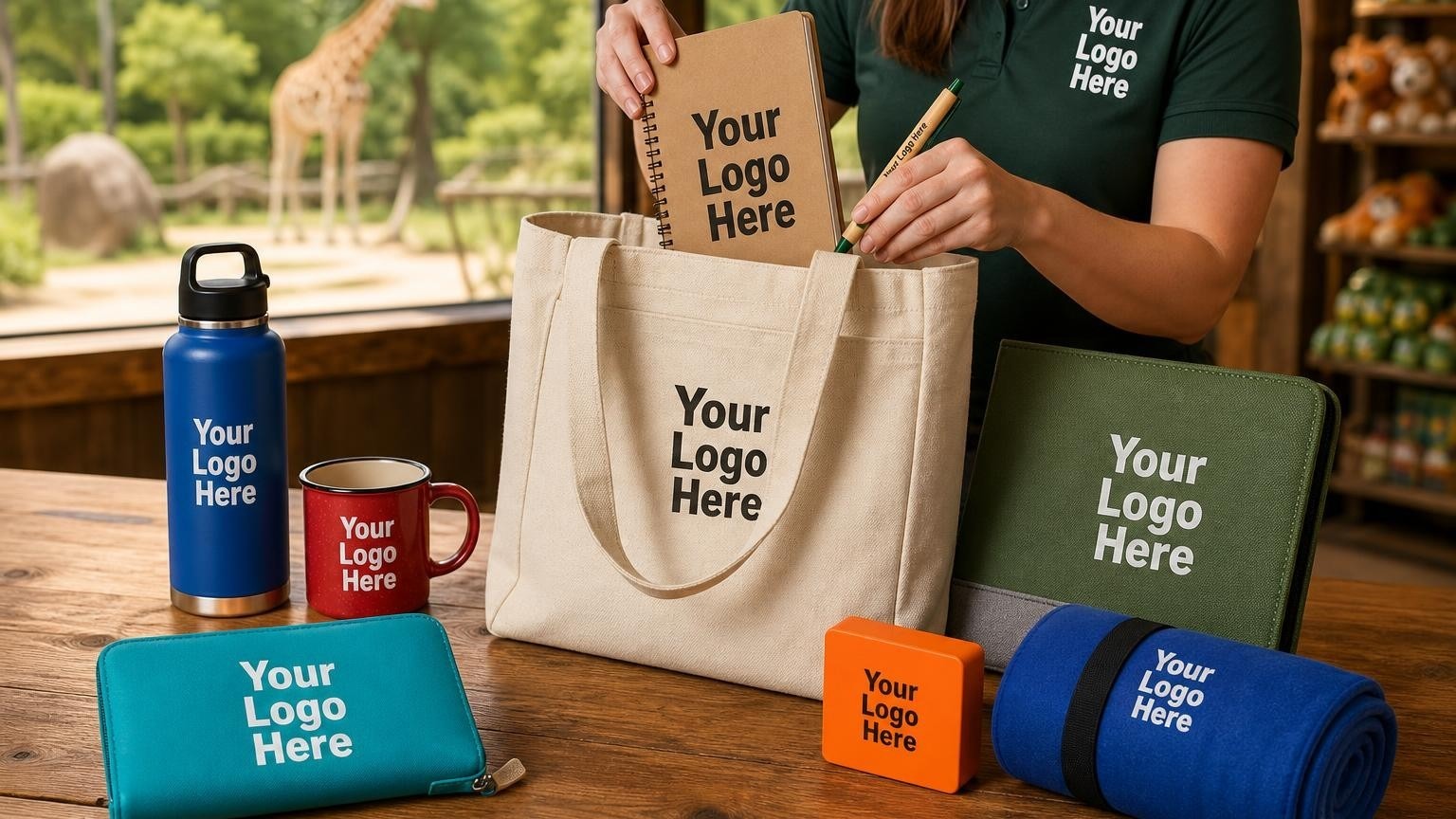
The welcome kit itself should avoid single-use plastics. Instead, foundations can package materials in earth-friendly promotional items that donors will use daily. A recycled cotton tote bag printed with a hand-drawn illustration of the adopted species acts as a mobile billboard when carried to local farmers' markets. Inside, a recycled paper field journal allows the donor to feel like an active researcher.
This approach directly addresses the operational reality of limited storage space in historic park administrative offices. Flat-packing items like canvas bags, slim journals, and flat wooden pens are easy to store in tight spaces and simple for staff to assemble during peak weekend visitor hours. When the donor opens this package at home, the tactile experience of the natural materials reinforces the zoo's environmental stewardship.
Eco-Conscious Donor Welcome Kits
Welcoming new animal adopters and foundation members with sustainable, high-utility items.
Designing Corporate Sponsor Appreciation Packages That Stay on Executive Desks
Securing annual habitat funding renewals requires a different approach than general membership drives. Corporate sponsors who fund major exhibits expect recognition that reflects their significant financial commitment. Standard plastic pens or low-end office supplies will not suffice; the appreciation gift must be professional enough to sit on an executive's desk or boardroom table.
A critical decision trigger occurs three months before the fiscal year-end, when corporate partners evaluate their philanthropic budgets. Presenting a high-quality gift during this window keeps the foundation top-of-mind. For instance, gifting a laser-engraved double-wall copper insulated tumbler to the lead sponsor of a new aviary habitat provides a daily reminder of their corporate social responsibility.
To celebrate these major milestones, foundations can present thoughtful appreciation gifts during formal board meetings or appreciation dinners. Pairing these functional items with custom plaques and paperweights made from sustainable wood or recycled glass creates a complete recognition package. When a corporate partner places a beautifully engraved glass paperweight on their desk, it serves as a conversation starter for their own clients, expanding the zoo's reach into the local business community. This co-branding strategy highlights both the corporate sponsor's generosity and the foundation's conservation milestones, securing the relationship for the upcoming year.
Premium Corporate Sponsor Recognition
Thanking high-value corporate partners and habitat sponsors with executive-grade gifts.
Equipping the Frontline: Keeper and Volunteer Appreciation Gear
While donor relationships are vital, the frontline staff and volunteers are the face of the foundation. Docents carrying educational materials during hot July shifts at the elephant habitat require gear that is both functional and professional. Providing high-quality volunteer appreciation gifts builds internal community and projects a cohesive image to the public.
Consider the physical sensation of a volunteer wearing a breathable, moisture-wicking polo during a humid 90-degree day at the education booth. If the apparel is uncomfortable or stains easily, volunteers are less likely to wear it consistently. Selecting durable, outdoor-rated clothing ensures that your team looks polished throughout the season.
Furthermore, equipping keepers with rugged, insulated travel mugs keeps their drinks cold during long shifts in animal habitats. These items are not just gifts; they are essential tools for survival in rugged outdoor environments where exposure to sun, rain, and dirt is a daily occurrence. When visitors see well-equipped, professional staff, it increases their confidence in the foundation's operational competence, making them more receptive to membership drives and donation appeals.
Rugged Volunteer & Keeper Gear
Equipping outdoor staff and volunteers with durable, professional apparel and hydration tools.
Aligning Physical Materials with Conservation Missions
The most common pitfall for a conservation non-profit is distributing promotional items that contradict their environmental message. Giving a donor a cheap plastic keychain while asking them to fund ocean conservation damages the foundation's credibility. Every item distributed must align with the organization's environmental stewardship.
When selecting items for membership drives or volunteer gear, look for certified recycled plastics, organic cotton, and sustainable bamboo. For example, replacing standard polyester volunteer lanyards with those made from recycled PET bottles shows a commitment to reducing waste.
Using sustainable promotional products from Myron ensures that your physical outreach supports, rather than undermines, your conservation goals. From recycled canvas grocery totes to bamboo writing instruments, choosing responsibly sourced materials protects your organization's reputation and resonates with environmentally conscious donors who scrutinize where their money goes.
Selecting the Right Recognition Tools for Zoo Foundation Milestones
To help development officers select the most appropriate items for various recipient groups, the following table compares options based on operational use cases, materials, and distribution methods.
| Recipient Group | Recommended Product Type | Operational Distribution Method |
|---|---|---|
| General Zoo Members | Custom wooden magnets or seed paper packets | Handed out at the main entrance gates during membership drives |
| Mid-Level Animal Adopters | Recycled cotton canvas totes and bamboo pens | Mailed in flat welcome packets or picked up at the visitor center |
| Volunteer Docents & Keepers | Moisture-wicking polo shirts and wide-brim sun hats | Distributed during seasonal onboarding training sessions |
| Major Corporate Sponsors | Laser-engraved copper tumblers and crystal awards | Presented at the annual conservation gala or board meetings |
Strategic Investment Tiers for Conservation Philanthropy
Managing a non-profit budget requires balancing the cost of donor premiums against the actual funds raised for wildlife care. Structuring your promotional inventory into clear tiers ensures that your organization maximizes its return on investment while showing appropriate gratitude.
- Entry-Level Tier (General Members & Gate Visitors): Focus on lightweight, flat-packing items that are easy to store and distribute in high volumes. Practical options include custom wooden magnets, seed paper bookmarks, and recycled paper notebooks.
- Mid-Level Tier (Animal Adopters & Active Volunteers): Select durable, daily-use items that offer high visibility outside the park. Excellent choices include recycled cotton canvas totes, organic cotton t-shirts, and bamboo ballpoint pens.
- Major Donor & Corporate Sponsor Tier (Habitat Funders & Gala Guests): Invest in high-quality, long-lasting executive gifts that reflect a significant commitment. Recommended items include double-wall insulated stainless steel drinkware, recycled material tech organizers, and custom glass awards.
Operational Lessons from the Field: Sourcing for Zoo Foundations
Based on Myron's experience helping organizations plan custom event merchandiseBased on experience helping organizations plan custom event merchandise, Myron's team has gathered practical operational insights for zoo foundations:
- Prioritize flat-packing items: Cramped administrative offices and park kiosks have limited storage space. Items like canvas totes, flat wooden pens, and notebooks stack easily and reduce volunteer setup stress.
- Choose durable outdoor gear: Volunteer docents and keepers spend long hours in variable weather. Apparel must be moisture-wicking and UV-resistant to remain professional after months of sun and dirt exposure.
- Keep branding subtle on executive gifts: Corporate sponsors are more likely to display a custom award or use a travel mug if the co-branding is elegant and understated rather than oversized.
- Avoid heavy or fragile items for gate distribution: Handing out heavy ceramic mugs or glass bottles at the entrance forces visitors to carry them through a long walking tour, leading to accidental breakage and frustration.
- Allow extra time for custom engraving: Sourcing certified recycled materials and setting up custom laser-engraving on premium drinkware requires a longer lead time than standard printing. Plan your orders three to four months in advance.
Common Mistakes to Avoid
- Choosing cheap, non-sustainable promotional items.Distributing low-quality plastic items directly contradicts a zoo foundation's environmental conservation mission, damaging credibility with donors.Better approach: Invest in fewer, higher-quality items made from certified recycled plastics, organic cotton, or sustainable bamboo.
- Failing to segment donor gifts by contribution tier.Giving a major corporate sponsor the same basic item as a general gate visitor fails to show appropriate gratitude and hurts renewal rates.Better approach: Create distinct tiers, reserving high-end, long-lasting executive gifts for major sponsors and habitat funders.
- Ordering heavy or fragile items for outdoor event distribution.Handing out heavy ceramic mugs or glass bottles at the entrance forces visitors to carry them through a long walking tour, leading to breakage.Better approach: Select lightweight, flat-packing, or highly durable items like canvas totes and collapsible drinkware.
Frequently Asked Questions About Zoo Foundation Promotional Items
How can our zoo foundation ensure promotional items align with our sustainability mission?
Focus on sourcing items made from certified recycled plastics, organic cotton, and sustainable bamboo, while avoiding single-use plastics entirely. Selecting responsibly made items from Myron's eco-friendly collection ensures your promotional materials reinforce your environmental stewardship.
What are the most effective promotional tiers for different donor levels?
Use low-cost eco-stickers and seed paper for general members, recycled totes for mid-level adopters, and premium co-branded drinkware or tech for major corporate sponsors. This three-tiered approach balances your budget while providing appropriate recognition for every contribution level.
How do we handle the storage and distribution of bulky donor welcome kits?
Select flat-packing items like canvas totes, collapsible drinkware, and slim journals that can be easily stored in limited zoo administrative offices. These lightweight items are easy for volunteers to assemble and distribute at entrance gates or mail directly to donors.
Cultivating a Lifelong Community of Conservation Supporters
Building a loyal community of conservation supporters requires a careful balance of inspiring messaging and tangible appreciation. By choosing sustainable, high-quality promotional items, your zoo foundation can create lasting connections that extend far beyond the park gates. Whether you are preparing for the spring visitor surge or planning the autumn fundraising gala, selecting the right physical touchpoints is key to securing long-term funding for wildlife care and global research. Let Myron help you find the right fit for your donor tiers and volunteer needs, ensuring your promotional choices always align with your environmental mission.