


Child Abuse Prevention
Giveaways that support safety education messaging
School events, HR programs, and community outreach tables use child abuse prevention materials to share age-appropriate safety guidance and reinforce reporting awareness. These items work well when you need something attendees can take home after a training, awareness day, or family-focused event. Choose formats that match the audience, such as simple reminders for younger kids and discussion starters for adults supporting children. Prioritize wording that stays clear in print and keeps the message easy to understand at a glance.

How to choose the right format for your program
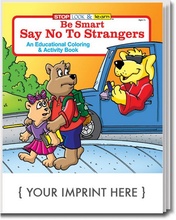
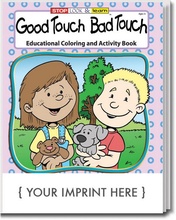
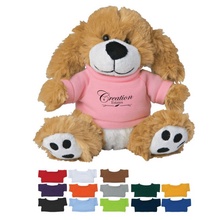
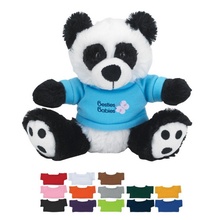
Child abuse prevention giveaways often serve different roles depending on the setting. Activity-driven pieces support classroom lessons and family nights by giving adults and kids a shared reference for safe boundaries. Sticker-based reminders are useful for quick handouts at tables where space and time are limited. Plush items can function as approachable desk or event-table pieces that help start a conversation without heavy text. Slider tools work well for short trainings because they communicate a single concept quickly and can be reused during presentations or check-ins.
Child abuse prevention FAQ for program planners
What are child abuse prevention giveaways used for at events?
Child abuse prevention giveaways are used to share safety reminders and support awareness messaging in a format people can take with them. Child abuse prevention giveaways work well at school nights, HR-led trainings, and community tables where fast handouts matter.
How do stickers compare to activity books for safety education?
Stickers provide quick, simple reminders for short interactions and high-traffic handouts. Activity books support longer engagement and are better when a program includes guided discussion or take-home learning.
When should a team choose a slider instead of a booklet?
A prevention slider is a good fit when a program needs one clear concept communicated fast during a brief training or event conversation. A booklet is better when the goal is to reinforce multiple points over time at home or in a classroom.
What makes a child safety message easier to use in schools or HR programs?
A child safety message is easier to use when the wording is short, age-appropriate, and readable at a glance. A child safety message also works better when the format matches the setting, such as quick handouts for tables and longer materials for lessons.
What should I hand out at a community outreach table for child abuse prevention?
Community outreach table handouts for child abuse prevention should be lightweight, easy to understand quickly, and appropriate for a wide range of ages. Community outreach table handouts often work best when they support a brief conversation and can be taken home.
How do I choose age-appropriate safety materials for younger kids?
Age-appropriate safety materials for younger kids should use simple language and focus on clear, concrete behaviors and boundaries. Age-appropriate safety materials often work best when adults can review them with children after the event.